
 Science
Scientists have resurrected a mysterious giant virus buried 30,000 years in the permafrost of Siberia.
The virus only infects single-celled organisms and is unlike any known pathogen that can infect humans.
However, the new discovery raises the possibility that a warming climate may lead to the revival of ancient or eradicated viruses.
This could include Neanderthal viruses and smallpox viruses that have been dormant in the ice for thousands of years.
Read also: 15 interesting facts about the Roman Colosseum
New virus
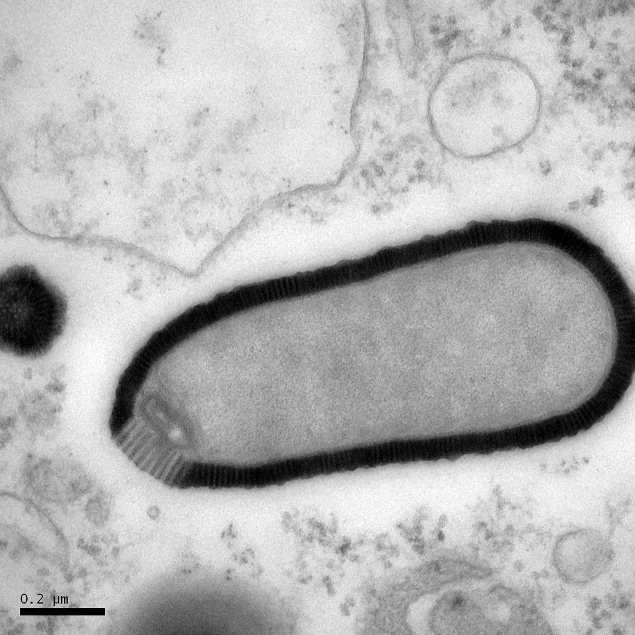
French scientists have discovered the Pithovirus sibericum virus in deep layers of permafrost at a depth of 30 meters in Kolyma in Russia.

Pithovirus sibericum belongs to a family of giant viruses discovered 10 years ago, and they are so large that they can be seen through a microscope. The virus measures 1.5 micrometers in length (1 micrometer = 10−6 meters), being the largest virus found.
The virus infects amoebas, but not animal and human cells.
Read also: The world's largest virus has been discovered
The pathogen belongs to a previously unknown family of viruses called Pithovirus, which share a third of their genes with other known organisms and only 11 percent with other viruses.
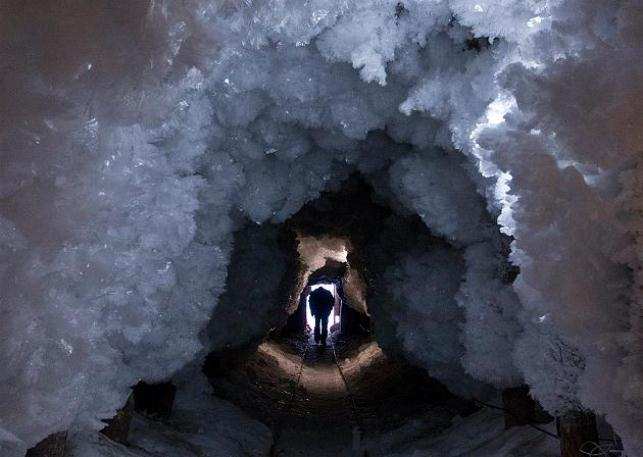
This raises the possibility that dormant and eradicated viruses in the Arctic may revive as the climate warms.
However, not everyone believes that such viruses are a potential threat.
As Curtis Suttle, a marine virologist at the University of British Columbia in Canada, explained, we breathe in thousands of viruses every day and swallow billions when we swim in the sea.
“I would be much more concerned about the hundreds of millions of people who would start moving due to rising sea levels,” he explained.
The most dangerous viruses
1. HIV — 3.1 million deaths per year
2. Rotavirus — 611,000 deaths per year
3. Hepatitis B — 521,000 deaths per year
4. Influenza viruses — 500,000 deaths per year
5. Hepatitis C — 500,000 virus-related deaths per year
6. Measles virus — 197,000 deaths per year
7. Hantaviruses — 70,000 deaths per year
8. Rabies virus — 55,000 deaths per year
9. Yellow fever virus — 30,000 deaths per year
10. Dengue virus — 25,000 deaths per year