
 Health
Content: What
is the anti-vaccination movement?
Myth No. 1: The vaccine can cause the disease it was supposed to protect against
Myth No. 2: Vaccines are poorly protected, and it is better if the child gets sick naturally
Myth No. 3: Breast immunity a child can not cope with so many vaccinations
Myth No. 4: vaccinations cause serious complications, do not risk
Myth No. 5: people have stopped getting sick due to improved hygiene and sanitary standards conditions and vaccines are useless
Myth #6: You don't need to vaccinate your child because other children are already vaccinated
Myth #7: Vaccination causes autism in children
Myth #8: Vaccines are dangerous because contain mercury
Myth No. 9: Vaccination wants to reduce the world population (Bill Gates's scandalous statement)
Myth No. 10: Vaccination sterilizes women in Africa
Myth No. 11: diseases, from which vaccines protect have already been defeated, so you don't have to get vaccinated
Myth No. 12: Vaccines bring huge profits to pharmaceutical companies
What do vaccinations actually give
You've probably heard from friends or read stories in newspapers about the terrible consequences of vaccinations. And almost everyone I know has a married couple who fundamentally does not vaccinate their children. You can reassure yourself by thinking they're just weirdos. However, information about the dangers of vaccines regularly attacks us, so you can't help wondering — there is no smoke without fire.
What is the anti-vaccination movement?

© Lee/Canva
Anti-vaccinators, or anti-vaccinators, are people who consider all or some vaccines dangerous, and vaccination is unhealthy or at least useless. This movement is widespread not only in Russia — this trend is typical for all countries of the world. Moreover, the ideas of refusing vaccination are far from new — they arose almost simultaneously with the invention of the first smallpox vaccine at the end of the 18th century.
As arguments, anti-vaccinators use standard tactics — they tell an emotional story about how a child received serious complications after vaccination and remained disabled. In other words, first of all, they try to put pressure on emotions. If you read this story in a newspaper or website, it was probably accompanied by a heartbreaking photo of a crying baby with syringes in the background, or something similar. At the same time, anti-vaccinators completely ignore opposite cases, when refusal to vaccinate led to even more terrible consequences. Anti-vaccinators also provide statistics, usually in the form of diagrams and graphs, which clearly show a steady increase in the number of children with various disabilities (in particular, autism), which coincides with time since the introduction of a particular vaccine. And as proof of the uselessness of vaccines, you can be provided with graphs showing that the incidence of a particular childhood infection has decreased long before the mass introduction of the corresponding vaccinations, and did not change at all against the background of vaccination.
If you try to dissuade an anti-vaccine user with evidence, research results and statistics confirmed by reputable medical organizations, you will find that almost all of them believe in global conspiracy theory. In response, you'll probably hear: “governments are cheating, pharmaceutical giants have bribed everyone, the World Health Organization is thoroughly corrupt, you can't trust anyone, and the golden billion is trying to reduce the world's population.”
However, despite the shaky arguments and the constant reliance on emotional listeners, myths about the dangers of vaccinations are extremely popular in society, and almost everyone has heard at least one of them. Thus, anti-vaccinators are still successful, and many people tend to trust them. Let's look at the most common and scandalous myths about the dangers of vaccinations and try to debunk them.
Myth #1: Vaccination can cause the disease it was supposed to protect against
© Valerii Honcharuk/Canva
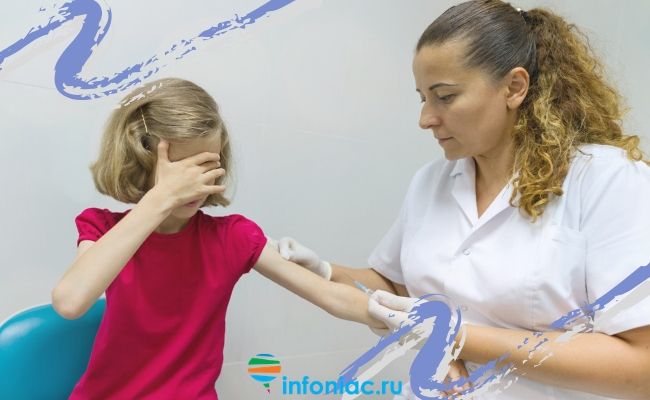
It is widely believed in society that after vaccination, a child (or adult) may fall ill with the disease against which he was actually vaccinated.
In fact, the probability of such a development is extremely low. Most vaccines contain inactivated (dead) microorganisms, or rather even their individual fragments, which under no circumstances can re-form a living cell. It is different when the vaccine contains live bacteria or viruses, and vaccination causes mild symptoms of the disease. For example, a chickenpox vaccine can cause a child to develop several red spots that are characteristic of chicken pox. But this is not a side effect, but rather a sign that the vaccine is working.
The only vaccine that rarely actually leads to the development of a disease that it should protect against is an oral polio vaccine that contains live viruses. Western countries have already abandoned it, replacing it with an inactivated vaccine. In Russia, an inactivated (dead) polio vaccine is under development.
Helpful advice! When it's time to get a polio vaccine, just in case, ask your doctor whether he's going to use a live vaccine or an inactivated one.
Myth No. 2: Vaccines are poorly protected, and it is better if the child gets sick naturally

© s-dmit/ Canva
Even if in some cases natural immunity protects against infection better than vaccination, this approach is much more dangerous. For example, a child infected with measles faces a risk of death of about 1 in 500. At the same time, the probability of anaphylactic shock after administration of the MMR vaccine (measles-rubella-mumps) is less than 1 in 1,000,000. It should be noted that anaphylactic shock, with timely medical care, is extremely rarely fatal.
Myth No. 3: Infant immunity cannot cope with so many vaccinations

© Jovanmandic/Canva
About half of the vaccinations a person receives in their lifetime are given during the first year of life. Moreover, the first vaccine (against hepatitis B) is administered within the first day after birth, and BCG (against tuberculosis) is administered in the first week. Such an abundance of vaccinations in itself may alarm some moms. This is exactly what anti-vaccinators use – they put pressure on parents' emotions and fears, convincing that the child's immunity is still weak and is not designed for such a powerful attack. Opponents of vaccinations also argue that overloading the immune system with vaccines will permanently disrupt the child's health, and will lead to the fact that in adulthood a person will suffer from autoimmune diseases, although there is no reliable study that confirms the effect of vaccination on a person's long-term health.
Debunking a myth
An infant is helpless, and depends on the mother for everything. However, his immune system is stronger than you think. Given the amount of immunoglobulins in an infant's blood, it can theoretically handle 10,000 vaccinations at a time. And even if a child received all the vaccines at the same time in a year, only a thousandth of its antibodies would be used to eliminate antigens. The term “immune system overload” has never been confirmed in practice, and scientists believe that this does not happen, since the supply of immune cells is constantly replenished. In fact, to a much greater extent, the infant's immune system works to repel constant attacks of viruses and bacteria that enter the body from the external environment. In comparison, vaccination has only a minor effect on the child's immunity.
An interesting fact! It should also be borne in mind that vaccines are improving every year and becoming more effective, and modern children receive fewer immunological components than children who were vaccinated earlier. At the same time, the share of vaccine components, the very ones that the child's immunity has to fight against, is decreasing. In other words, vaccine manufacturers used to “beat the area”, but now the drugs have become much cleaner and allow you to develop the necessary immunity without unnecessary stress on the child's body and with minimal risk side effects.
Read also: Can the vaccine cure obesity?
Myth # 4: Vaccines cause serious complications, don't take the risk
© edwardolive/Canva
The favorite method of anti-vaccinators is to endure a single tragic case of adverse reaction to the vaccine for everyone to see, and put pressure on emotions. At the same time, even more tragic cases of refusal to vaccinate, which occur much more often, are hushed up.
The real danger of vaccines
Unfortunately, side effects of vaccinations are inevitable – medicine has not yet invented a 100% safe method of vaccination. Therefore, about 1 case per million after vaccination, a child may experience anaphylactic shock. However, any competent doctor who vaccinates a child is prepared for this development, and has a full range of drugs for relieving an allergic reaction: adrenaline, corticosteroids, beta- agonists, etc. Therefore, deaths after vaccination are so rare that they can hardly be accurately calculated. For example, between 1990 and 1992, the US Centers for Disease Control and Prevention reported only one vaccine-related death.
Myth No. 5: People have stopped getting sick due to improved hygiene and sanitation, and vaccines are useless

© Chesiirecat/ Canva
This is another myth that “vaccines are useless”. Opponents of vaccination argue that the number of people infected with infections against which children are vaccinated has actually decreased due to improved sanitation, nutrition and the invention of antibiotics.
Debunking the myth
Statistics prove the primary role of vaccination in the fight against vaccine-controlled infections. Let us consider the measles situation in the United States. Before the first measles vaccine was introduced in the United States in 1963, the annual number of people infected was stable, at about 400,000 cases per year. But by 1970, the number of infected people had fallen to 25,000 cases per year. At the same time, sanitary conditions and hygiene standards have not changed over these 7 years. Another good example is the situation with hemophilus infection. According to statistics provided by the US Centers for Disease Control and Prevention, 20,000 people became infected with the infection in 1990. In the same year, mass vaccination against this disease began, and after 3 years, i.e. in 1993, only 1,500 cases of the disease were registered. You will find a link to the publication at the end of the article.
Myth #6: You don't need to vaccinate your child because other children are already vaccinated

© choreograph/Canva
Indeed, if you live in a society that consists entirely of conscious parents who give their children all the recommended vaccinations, then your child, under other favorable conditions, can do without vaccinations. But imagine a situation if every second parent in your village will count on this. Then a mass epidemic cannot be avoided! The result of refusing to vaccinate only a small percentage of the population is clearly seen in measles outbreaks that have occurred in recent years in various parts of the world, including Europe and the United States (in 2019) cases of infection have been registered in Russia). By vaccinating, we support herd immunity, and in fact, this is our duty to the society in which we live. It should also be taken into account that a certain percentage of people in any society cannot be vaccinated for health reasons (pregnant women, vaccine intolerants, HIV-infected people, etc.), and these people depend on the herd immunity we create. You will find a link to the publication at the end of the article, in the “Sources of Information” section.
Myth #7: Vaccination causes autism in children

© KatarzynabialAsiewicz/Canva
This myth spread around the world thanks to the fraud of a British gastroenterologist named Andrew Wakefield. On February 28, 1998, the prestigious medical journal The Lancet was the results of his study have been published, which showed that the measles-rubella-mumps (MMR) vaccine provokes the development of autism in children, a serious disease impaired brain development. In the course of his work, Wakefield examined 12 children who, after receiving the MMR vaccine, showed signs of regressive autism (loss of skills already acquired) along with symptoms nonspecific colitis. Based on his research, Wakefield proposed a new concept — “autistic enterocolitis”, and raised the problem of the link between the MMR vaccine, autism and intestinal inflammation.
This publication caused a resonance in scientific circles, and rumors that the MMR vaccine causes autism in children quickly spread among the population (mainly in Western countries). Subsequently, many people began to refuse measles-rubella-mumps vaccination for fear of harming their children. In turn, the refusal to vaccinate has led to measles outbreaks in the UK, the US and Canada, which have led to numerous complications and deaths in children.
Wakefield's scandalous publication prompted scientists around the world to conduct research to confirm or refute the findings of a British gastroenterologist. However, all subsequent studies, one after another, have consistently denied any link between MMR vaccination and the development of autism in children. Many scientists have begun to suspect the doctor of fraud.
Exposing fraud
Brian Deere, a journalist specializing in medical investigations, made the greatest contribution to exposing the British doctor's fraudulent scheme. After interviewing parents of children involved in the Wakefield study, he found that the doctor falsified the data in order to obtain the results he needed. For example, the father of one of the children was surprised to learn that the study found that his son developed symptoms of autism a month after being vaccinated with the MDA, when in fact they became are visible a month before the vaccine is given.
Another boy's mother told a journalist that her son developed his first symptoms of autism six months after being vaccinated. Meanwhile, in the study, Wakefield indicated that the boy began to develop autism 2 months after vaccination.
It was subsequently proven that Wakefield's study was intentionally falsified. In addition, the investigation found that two years before the publication, Wakefield, together with a group of British lawyers, was preparing a lawsuit against manufacturers of the CCP vaccine. The basis for the lawsuit was to be the results of the doctor's study. Indeed, based on the results of the study, some parents of children participating in the study filed lawsuits against the company that produces the measles-rubella mumps vaccine.
In addition, even before the study, Wakefield developed monovaccine against measles, and even began preparing production facilities for its mass production. Apparently, he hoped to replace MDA with his own vaccine. However, after making sure his assumptions were false, the doctor decided to falsify the facts in pursuit of his own financial benefits. As can be seen, Wakefield's financial plans largely depended on whether the study confirmed his concept or refuted, which prompted him to deceive. In 2010, the British General Medical Council (GMC) accused him of falsifying study data, acting against the interests of his patients and mistreating children with developmental delays. That same year, Andrew Wakefield was banned from practicing medicine in the UK. Wakefield now lives in the United States, where he is a famous leader of the anti-vaccination movement.
Wave effect
Despite the proven inaccuracy of Wakefield's study, his statements, disseminated by the world media, created a wave effect — many people around the world still believe his conclusions. The main argument of Wakefield's supporters is statistics showing an increase in the number of cases of autism diagnosed, and the MMR vaccine is blamed for this. And even the fact that the number of cases of diagnosed autism has increased due to the expansion of the standard diagnostic base for doctors, and has nothing to do with the deterioration of children's health around the world, is not convinces anti-vaccinators. At the same time, no relationship between measles-rubella-mumps vaccination and autism symptoms has been found in any studies so far. However, Wakefield's supporters explain this by the fact that all the world's laboratories, together with the World Health Organization, have been bought by pharmaceutical giants. And some cases when the first symptoms of autism are detected in a child coincides with the introduction of the measles-rubella-mumps vaccine are deliberately put on a pedestal and presented as evidence of the infamous doctor's correctness.
Research
Over the past 20 years, dozens of studies have been conducted to establish a causal relationship between MMR vaccination and the development of autism in children. One of the latest major studies, supported by the Danish Ministry of Health, analyzed data from more than 650,000 children born between 1999 and 2010 (for Comparatively, Wakefield used data from only 12 children in his work). The study took into account risk factors for autism and genetic predisposition. During this period, autism was diagnosed in 6,517 children. At the same time, there were no differences in morbidity statistics in children who received the MMR vaccine and did not receive it. There was also no relationship between the administration of the MMR vaccine and the development of autism symptoms. The study was published on April 16, 2019, in the Annals of Internal Medicine journal. From the results of their work, the researchers drew the following conclusion: measles-rubella-mumps vaccination does not increase the risk of autism and does not cause autism in children with a predisposition to this disease. You will find a link to the study at the end of the article, in the “Sources of Information” section.
Read also: HIV vaccine can save people from a terrible disease
Myth #8: Vaccines are dangerous because they contain mercury

© Gti337/Canva
This myth originated in the late 90s and is still alive today. Many anti-vaccination enthusiasts say the following:
1. Mercury is added to vaccines.
2. It accumulates in the body.
3. It is extremely harmful and can cause serious illnesses.
4. Vaccines containing mercury cause autism and other nervous system diseases in children.
Which vaccines contain mercury?
The truth is that many vaccines do contain a mercury compound called thiomersal (other names: thimerosal, mercury merthiolate). This compound is used as a cheap and effective preservative for vaccines to extend their shelf life. Thiomersal is also necessary for the neutralization of microorganisms in the manufacture of vaccines. Below is a list of vaccines that contain this compound:
DPT;
Hepatitis B
vaccine; Hemophilus type b vaccine
; Rabies vaccine; Influenza
vaccine; Meningococcal vaccine.
Debunking the myth
Fears around the dangers of mercury in vaccines are baseless for at least two reasons:
1. The concentration of thiomersal in vaccines is extremely low, and usually does not exceed 0.01%.
2. When ingested, thiomersal breaks down to ethylmercury, which does not accumulate in the body, is rapidly broken down and excreted (the level of mercury in the blood returns to normal within a month after vaccination).
An interesting fact! When we eat sea fish, we get significantly more mercury than through vaccinations. For example, if you eat medium-sized tuna, you'll get a dose of mercury several dozen times higher than what you get from vaccines in your lifetime. Moreover, in fish it is present in a more toxic form of methylmercury. But did you often see a mother afraid to feed her baby sea fish?
Research
Because methylmercury has a devastating effect on the human brain and nervous tissue in general, opponents of vaccination have come to suspect that ethylmercury, which is produced when thiomersal breaks down, acts on the body in a similar way. The hype about the presence of mercury in vaccines has prompted many scientists to conduct research. Over the past 20 years, dozens of major studies have been conducted that have proven the safety of thiomersal in vaccines.
A study on the link between thiomersal-containing vaccines and autism in children
In August 2003, AJPM published a study by scientists from the University of Washington (Seattle, USA) that compared the prevalence and incidence of autism in children in Sweden, Denmark and California from the mid-1980s to 1999. These regions were not chosen by chance: Sweden and Denmark had lower concentrations of thiomersal in vaccines than in California, and since 1992, both countries have completely abandoned its use in manufacturing vaccines. At the same time, in California, thiomersal concentrations in vaccines increased continuously until 1999. The study found that the frequency and prevalence of autism disorders increased continuously from the mid-1980s to 1999. At the same time, in Sweden and Denmark, despite the complete rejection of thiomersal, the incidence of autism in children continued to increase. From this, scientists concluded that thiomersal in vaccines has nothing to do with autism in children. You will find a link to the study at the end of the article.
An interesting fact! According to statistics, over the past 30 years, the share of children with autism in the world has been constantly increasing. And anti-vaccination advocates often cite these statistics, blaming everything on vaccinations. However, in fact, the number of children diagnosed with autism is increasing due to the expansion of the diagnostic criteria used by doctors to diagnose this diagnosis, and this in no way indicates a deterioration in health children all over the world. At the same time, the peaks in the increase in the number of diagnosed autism are associated with the dates of changes to the standard set of diagnostic criteria for doctors.
A study of the relationship between the administration of thiomersal-containing vaccines at an early age and the neuropsychological status of children after 7-10 years
In 2012, the Journal of Child Psychology, published by Oxford University Press, published a study that monitored the relationship between the administration of thiomersal-containing vaccines in early age and neuropsychological state of the child after 7-10 years. The study assessed the health status of 1,047 children aged 7-10 years and examined their biological mothers. Moreover, characteristics such as intelligence, verbal memory, executive functions, speech, fine motor skills, tics and behavior regulation were assessed. The study found no associations between thiomersal and these characteristics in children. However, a small but statistically significant relationship was found between early exposure to thiomersal and the presence of nervous tics in boys. You will find a link to the study at the end of the article, in the “Sources of Information” section.
A study of the risks of autism in children exposed to thiomersal-containing vaccines in utero and in infancy
In 2010, Pediatrics published a study conducted with the participation of the US Centers for Disease Control and Prevention, which aimed to establish a link between immunization thiomersal-containing vaccines and the development of autism in children during the prenatal period and in the first 20 months of life. In the course of the research, 256 children with autism and 752 healthy children were examined, their parents were interviewed and information from medical records and electronic immunization registers was used. The results of the survey led to the conclusion that exposure to ethyl mercury on the prenatal fetus and the child at an early age did not increase the risk of developing autism in any way. You will find a link to the study at the end of the article.
Despite numerous studies and a statement by the World Health Organization, according to which thiomersal can not cause any harm to the human body, this myth still lives on in society. Many people refuse to vaccinate their children because of this fear, perhaps because the word “mercury” itself raises concerns. Add to this the propaganda of the anti-vaccination movement, conspiracy theories and tales about ubiquitous pharmaceutical companies that bribe officials at all levels — and now parents are deciding not to be vaccinated. At the same time, parents are often not sufficiently aware of the risks of diseases that an unvaccinated child may face, and do not even suspect that in reality they are not protecting, but putting them at risk his health.
Myth No. 9: Vaccination wants to reduce the world population (Bill Gates's scandalous statement)

© HUMANOSPHERE
As long as civilization has existed, so many conspiracy theories have existed. And one of them concerns vaccination. Supporters of the anti-vaccination movement are spreading the concept that the so-called “world elite”, guided by the ideas of the “golden billion”, is trying to reduce the world population. Moreover, vaccination has been chosen as the main tool for this task. Anti-vaccinators give a variety of arguments to prove their concept. The most famous of these is a statement made by Bill Gates in 2010.
Many anti-vaccination activists claim that the famous American billionaire Bill Gates is supposedly quite a proof of a global conspiracy to reduce the world's population Having lost his shame, he openly announced that vaccination would help reduce the world's population by 10-15%. Based on this statement, anti-vaccinators usually build the following logical chain, which includes other myths about the dangers of vaccination:
1. Gates is going to use compulsory vaccination to kill people.
2. Gates is in collusion with the world's richest people (Warren Buffet, Rockefellers, etc.), whose long-standing dream is to reduce the world's population, primarily at the expense of poor countries in Africa and Asia.
3. Disguised as his foundation's charitable activities, Gates, through vaccination, will:
sterilize women in African countries with hCG-containing vaccines (read more about this myth in the section “Vaccination sterilizes women in Africa”);
poison and destroy the population of poor countries with cheap mercury vaccines and condemn children to autism (we have revealed the absurdity of these myths in the previous sections).
And to prevent people from surviving vaccine poisoning, the Gates Charitable Foundation is introducing in poor countries the cultivation of GM foods that are known to cause people to eat oncological diseases, and certainly will not give people a chance to survive.
In addition, it is claimed that Bill Gates himself, like all participants in the global conspiracy, does not vaccinate himself or his children. The creator of everyone's favorite Windows operating system turned out to be such an insidious and scary person.
Debunking the myth
Speaking at the 2010 TED conference (Technology, Entertainment and Design), Gates considered the possibility of reducing carbon dioxide emissions to zero. Among the four main reasons for the increase in CO2 emissions, Gates named the population, which at that time was 6.8 billion people, and was expected to reach 9 billion in the coming years. He then said that if widespread vaccination is successfully introduced and healthcare conditions are improved, population growth can be reduced by 10-15%, but even then it will grow by 1.3 billion man. You can find a link to Bill Gates' TED2010 speech at the end of the article.
Thus, Gates's words make it clear that he was talking about a decrease in population growth. Indeed, trends around the world show that when improving health care, reducing child mortality (including through mass vaccination) and gaining access to funds contraceptives, population growth is gradually decreasing — women are starting to give birth less, as all children survive.
One way or another, Bill Gates still spoke about the need to reduce global population growth, making it clear that it would be good to stop it altogether. How to treat his statement is a purely personal matter for each person. Some people do not see anything wrong with increasing the human population, and Gates's statement will be considered immoral, because with the right redistribution of resources and the current level of development Our planet will also be able to feed more than 10 billion people in agriculture. Others, for different reasons, believe that humanity has already bred so much, it is time to stop. In particular, Gates, who belongs to the second group of people, is driven by concerns about global climate change.
It should also be borne in mind that Bill Gates is an American, and in the US, over the past decade, the topic of global warming and climate change has been trending, extremely popular, and it is not customary to expose it doubt. Although modern scientific works prove the absurdity of concerns about climate change as a result of excessive CO2 emissions due to human economic activity (volcanoes and meteors alone) they emit ten times more carbon dioxide into the atmosphere than all of humanity), the hysteria around climate change is only gaining momentum (let's recall at least the emotional speech of the Swedish Greta Thunberg, a schoolgirl at the UN, who accused world leaders of destroying the planet's ecosystem). Therefore, while a Russian citizen may be puzzled and outraged by Gates's words, then an American who is brainwashed daily by local media with fears about imminent global warming and the coming environmental disaster, will take this statement in a completely different way.
Myth #10: Vaccines sterilize women in Africa
© Riccardo Lennart Niels Mayer/Canva
In early 2014, the Kenya Association of Catholic Physicians, as well as the Kenya Conference of Catholic Bishops, sounded the alarm when tetanus toxoid, which was used to vaccinate women in Kenya, was found chorionic gonadotropin (hCG). This hormone was previously used for contraception, and when administered to a pregnant woman, it can cause complications and miscarriages.
The importance of this vaccine cannot be overestimated, because the mother's body transfers immunity from tetanus to the baby even before birth. And in some parts of Kenya, the problem of tetanus is extremely acute. However, the country's largest religious leaders presented evidence — the results of studies of samples of the vaccine, according to which it contained beta-HCG. A scandal broke out in the country, which quickly spread to the world media. Local doctors and bishops have publicly accused the Ministry of Health of Kenya as well as WHO and UNICEF for sponsoring the vaccination program for Kenyan women. The organizations were accused of an inhuman policy of artificially controlling the country's population.
Revelation
In an attempt to put an end to the controversy, the Kenyan Parliament ordered transparent laboratory tests of vaccine samples. The tests showed that the vaccine contained the hCG hormone in microscopic doses that could not harm a pregnant woman. However, UNICEF representatives drew attention to the fact that the studies were not conducted correctly — the laboratory workers who conducted the tests did not know that they were testing the vaccine and used equipment and reagents for hCG testing human samples (blood, urine). The equipment used in laboratories had low sensitivity and gave false positive reactions to some preservatives contained in the vaccine. A study of tetanus toxoid using specialized laboratory equipment has consistently shown the complete absence of beta-hCG in the vaccine.
The consequences of the scandal
Many religious leaders in Kenya are still defending their version of events, saying that the research results were falsified to deceive the country's 42 million people, and herself the vaccination program is “evil”. And rumors that vaccines are sterilizing African women, thanks to the efforts of the tabloid press, have spread all over the world and, apparently, will not subside soon. You will find a link to the material at the end of the article.
Myth No. 11: The diseases that vaccines protect against have already been defeated, so you don't need to get vaccinated

© Image Team/ Canva
There is also a common myth among opponents of mass vaccination: most vaccines are useless because the diseases they protect against are extremely rare. These diseases are a thing of the past, but nowadays it is impossible to get infected with them. And given that vaccinations can cause complications, it is better not to do them at all.
Debunking the myth
Indeed, if we study the statistics of diseases against which it is recommended to vaccinate children, it turns out that there are very few cases of infection in our time. However, it is fundamentally wrong to conclude from this that vaccination is no longer necessary. It's simple: these diseases have become rare precisely because of vaccination. But in fact, the bacteria and viruses that cause vaccine-controlled infections haven't disappeared — they continue to circulate in the human population. Therefore, if people stop mass vaccination, polio, hepatitis A, diphtheria and other dangerous diseases will immediately cease to be rare.
The most telling example is the history of pertussis outbreaks in the UK. In the mid-1970s, Gordon Stewart, an authoritative British epidemiologist, took a tough stance against pertussis vaccination, namely against the DPT vaccine. With his support, the Association of Parents Whose Children Affected by Vaccination was established in 1973. Citing children with brain damage as an example, and blaming the DPT vaccine for this, Stewart simultaneously argued that pertussis vaccinations are not necessary, since reducing mortality from this disease is not It is related to vaccination. Because Stewart was a public figure and public authority, many parents listened to his words and stopped vaccinating their children against whooping cough. As a result, by the end of the 1970s, the proportion of children vaccinated against pertussis fell to 30%, after which the UK experienced two major spikes in whooping cough, including deaths. After that, the UK government had to make incredible efforts to once again convince the population of the need for vaccination, but herd immunity against whooping cough was restored only by The year 1995. This case illustrates how rashly statements by just one doctor can lead to mass refusals of vaccinations, outbreaks of diseases and numerous deaths.
Research
In fact, vaccination has prevented hundreds of millions of vaccine-controlled infections throughout its history. Scientists from the University of Pittsburgh (USA) conducted a study, the results of which were published in 2013 in the New England Journal of Medicine. The study collected information on 88 million cases since 1888 (this year, the US Centers for Disease Control and Prevention began to report cases) until 2011. Special attention was paid to seven infections: polio, measles, rubella, mumps, Botkin's disease, diphtheria and whooping cough. After analyzing data on these diseases using digital algorithms, scientists found that in the United States alone, from 1924 to 2011, vaccination prevented more than 100 million cases diseases (with 25% of cases in the period 2001-2011). You will find a link to the publication at the end of the article.
Myth #12: Vaccines bring huge profits to pharmaceutical companies

© eugenekeebler/Canva
One of the common myths of anti-vaccinators is: “Vaccines are useless, and pharmaceutical companies are lobbying for mass vaccination to make fabulous money from it.”
In fact, this myth does not hold water, since the production of vaccines does not bring high profits to their producers. And even if we assume that pharmaceutical giants are run by cold and soulless cynics who think only about profit, on the contrary, it would be beneficial for them not to get vaccinated, because then they would get sick more often, which means they would buy antibiotics and other drugs more often. In turn, the vaccine market is quite small, as on average each person receives about 20 doses of vaccines in a lifetime. And given the extreme complexity and cost of producing vaccines, it is not surprising that enterprises that produce them constantly receive state support and donations from a wide variety of charitable foundations. For example, the same Bill Gates, who is portrayed by anti-vaccinists as a real cannibal, has been funding the development of a vaccine against malaria for many years.
What do vaccinations actually give

© Roman Lacheev/Canva
Vaccination is considered to be the most important achievement in the history of medicine. Moreover, it is no exaggeration to say that this is one of humanity's greatest achievements. After all, vaccinations save a child's life in the first year of life, protecting him from deadly infections. It should be noted that only 1-2 centuries ago, parents had no confidence that their child would survive. It is not surprising that in the past, people tried to have as many children as possible to keep at least some of them alive. Therefore, we can say that our generation was incredibly lucky to be born in the age of mass vaccination. And if you meet a parent who, after reading myths about the dangers of vaccinations, decided to “save” his child by leaving him immune, try to dissuade him, or just let him read this article.
The material has an informational and reference function! Before using any pharmaceuticals or medical services, you should consult a specialist!