
 Ecology
There are at least 320,000 viruses that we don't know about that circulate in animals.
Scientists say that detecting these viral diseases, especially those that are transmissible to humans, will help prevent future pandemics.
Although such a study would cost $6 billion, this is a minimal cost compared to what would be required in the event of a major pandemic.
Almost 70 percent of viruses that infect humans, such as HIV, Ebola, and the novel Middle East respiratory syndrome coronavirus (Mers), came from wild animals.
But until some time, the scale of this problem was difficult to assess.
Animal viruses

Scientists from the United States and Bangladesh have studied a species of bats called winged bats. The animal is a carrier of the Nepah virus, which, if spread, can kill humans.
After studying 1,897 samples collected from pits, the researchers were able to find out how many pathogens animals can carry.
Bird flu, swine flu, and now bat flu?
They found nearly 60 different types of viruses, most of which had never been observed before. When scientists extrapolated these numbers to all known mammals, they concluded that more than 320,000 new viruses were yet to be discovered.

A similar project called “Predict” has so far discovered 240 new viruses in areas of our planet where humans and animals live in close contact.
The authors of the study focused on bats, as they are the primary source of a number of viral outbreaks in humans.
The most dangerous viruses
Over the past century, urbanization, changing sexual behavior, ease of movement, and a growing world population have helped spread viruses. There are many deadly and dangerous viruses that kill thousands and millions of people a year.
HIV
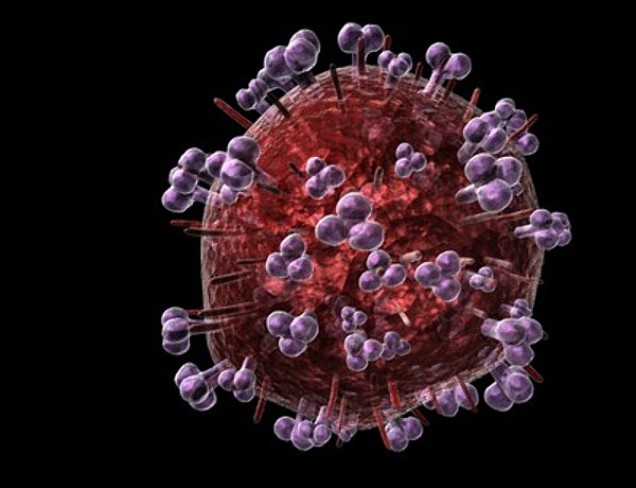
HIV/AIDS is responsible for about 16 to 1.9 million deaths per year. Over the past three decades, the virus has claimed more than 25 million lives. Lentiviruses, which include HIV, are thought to have originated in African monkeys 5 to 12 million years ago, but did not appear in humans until the 20th century. More than 34 million people are now living with HIV, and only half of patients have access to antiretroviral therapy.
Hepatitis
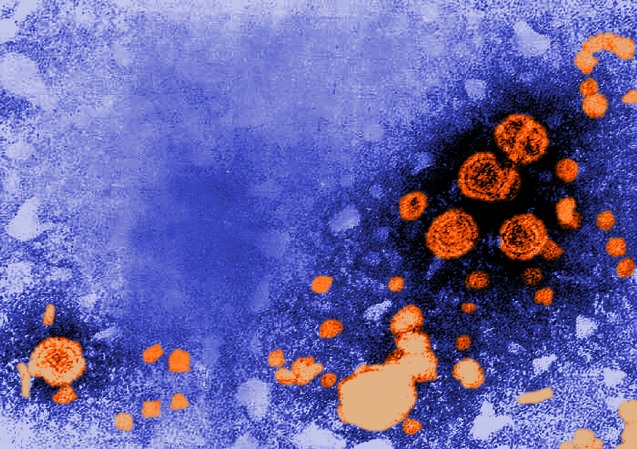
It has been found that all types of hepatitis viruses cause the death of about a million people around the world. Hepatitis B is responsible for about 600,000 deaths and is 50 to 100 times more contagious than HIV. In addition, about 350,000 people die each year from hepatitis C and 70,000 people from hepatitis E.
Influenza
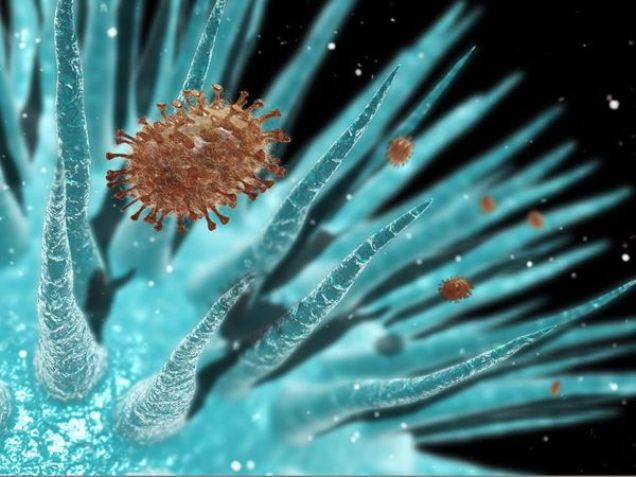
Despite the availability of vaccines, influenza deaths reach 250,000 to 500,000 per year. Older people and people with chronic illnesses are at greater risk of complications.
Human papilloma virus
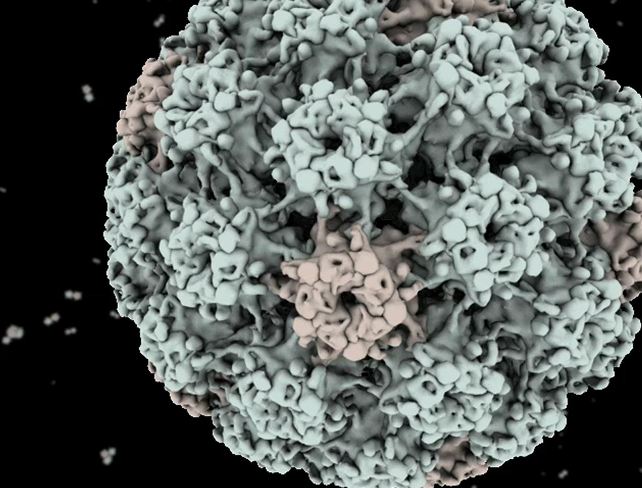
Although most HPV infections are not clinically evident, chronic infection can lead to cervical cancer, the second most common cancer among women worldwide, which leads to 275,000 deaths per year.
Rabies
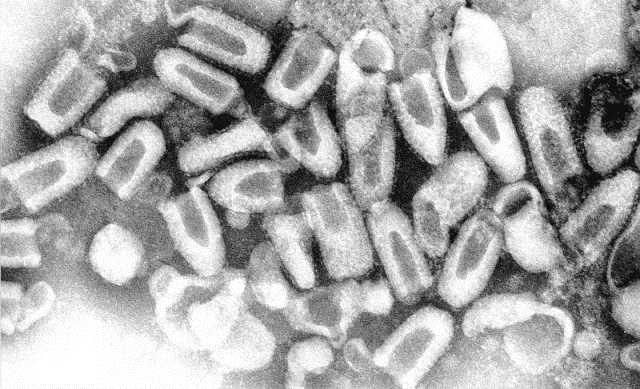
More than 55,000 people die from the rabies virus each year. Without secondary prophylaxis, this disease can lead to acute encephalitis, which causes death a few days after the onset of the disease. In 2005, a 15-year-old girl became the first person to recover from rabies without being vaccinated with an induced coma called the Milwaukee Protocol.
Dengue fever
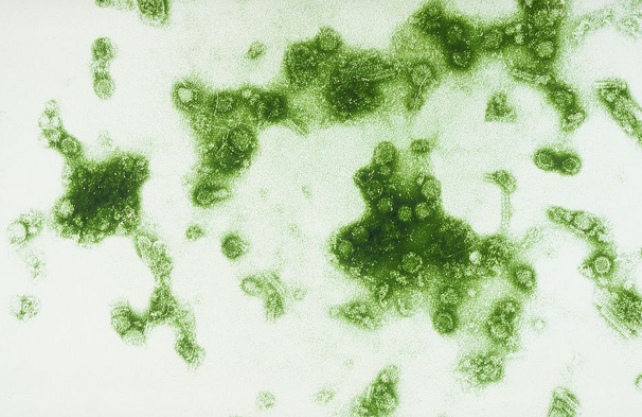
In recent years, cases of viral infection carried by mosquitoes have increased significantly. About 50 to 100 million people become infected with the virus each year, resulting in 12,500 to 25,000 deaths.
Rotavirus
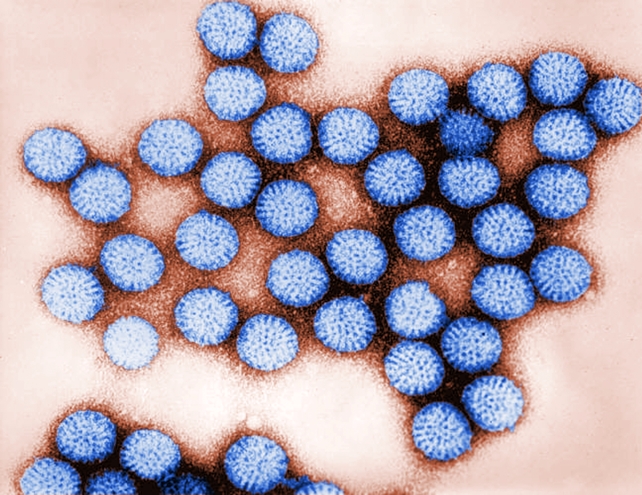
Rotaviruses are the most common cause of severe diarrhea in children around the world. About 500,000 people die from rotavirus each year. Vaccines against the virus are an important measure to reduce mortality among vulnerable groups of the population, namely children under 5 years of age.