
 Science
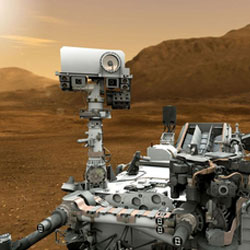
Scientists working with the Curiosity rover hope the device won't detect water on Mars because they fear it could contaminate the Red Planet.
The rover, which is currently searching for life on Mars, is equipped with a special drill to drill Martian rocks to detect signs of ancient life. However, NASA scientists have begun to fear that terrestrial microbes that could survive the storm could settle in Martian water, thus polluting the planet.
The researchers originally planned to make the Curiosity rover completely sterile and carefully sealed it before launch to prevent terrestrial microbes from reaching Mars.
The Curiosity robot's hand drill head was to be placed in a box that was to be opened only after the rover landed. However, engineers feared that the drill might have been damaged when the spacecraft landed and removed one of the drills to attach it to the rover, as a result of which germs could get on it.
While it may seem unbelievable that terrestrial microbes were able to survive the flight, scientists say that about 250,000 bacterial spores may have remained intact.
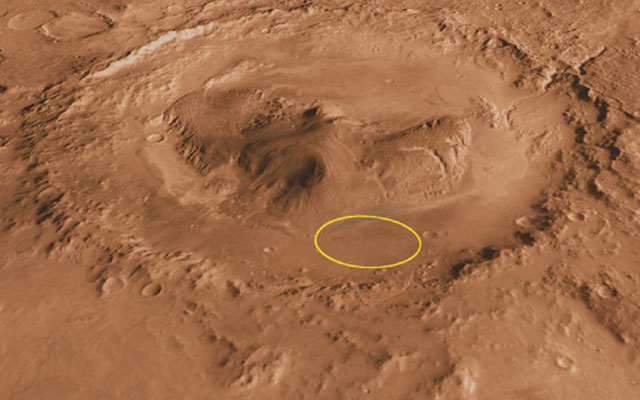
NASA now plans to avoid contact with ice or water on the surface of Mars. This may also explain why the Gail Crater was chosen as the landing site for Curiosity, as it is very dry.