
 Technologies
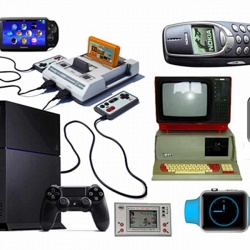
The technologies of the end of the last century quickly sank into oblivion. A slight shock is caused by how rapidly the world of devices, gadgets, and just ordinary equipment is changing. Just look at your smartphone: it has more features than all the advanced appliances that were in your apartment in the 1990s.
The vast majority of this technique performed its functions using technologies that are almost dead today. With the same smartphone, we can take photos, shoot videos, store gigabytes of information, play games, watch TV, surf the Internet from almost anywhere.
And this is just a small list of what an ordinary smartphone can do, which, in fact, has long been no longer just a phone. Perhaps in the next ten years, we will face another technological breakthrough, after which even the most advanced smartphones will seem old, and we will abandon them too.
This is likely to be the case. If you've seen the 90s, remember the technologies that once surprised us. Many of them were quickly forgotten. We bring you a little nostalgic dive into the past, where you will find a list of ten gadgets of the 90s that quickly passed away from our lives.
Old technologies
Diskette
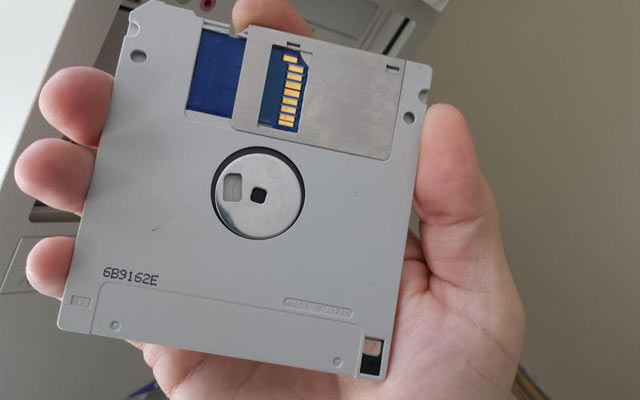
If you don't know what a floppy disk is, then you're part of a fast-paced modern society (maybe just getting older) that has no idea what it is, say , Digger, Space Commanders, or Mario Bros. games on floppy disks.
And, of course, you don't know what it's like to queue for a school computer to put such a floppy disk into a floppy drive and enjoy two-dimensional running around the screen in color, and sometimes black white, figurines, controlling them.
Even the most advanced of the older floppy disks contained a paltry 1.44 megabytes of data. However, floppy disks remained the most important portable storage medium until computers began to infiltrate many homes.
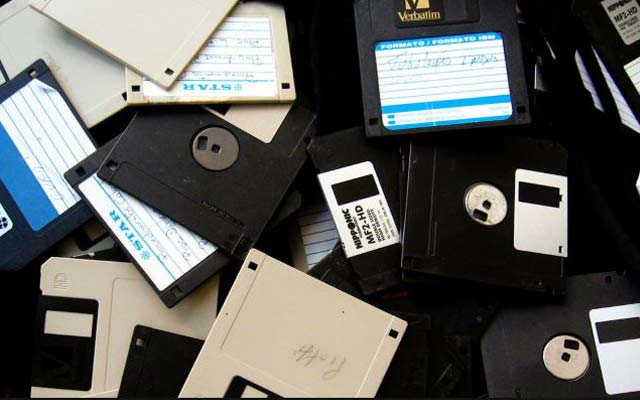
To collect gigabytes of data, you would need 1024 of these floppy disks. At the same time, the latest overrated iPhones can hold hundreds of gigabytes of apps, games, music, and videos. The capacity of many other modern devices is even estimated in terabytes (that is, 1024 gigabytes).
But has it been so long since people have forgotten what a “difficult” time they lived in, constantly thinking about the lack of free space on digital media? The same floppy disks began to gradually go out of circulation in the late 90s of the last century.
Despite this, many companies and individuals continued to use them in the early 2000s. Just because it was so damn cheap. If we talk about when this type of floppy disk first appeared, it happened in the 1970s.
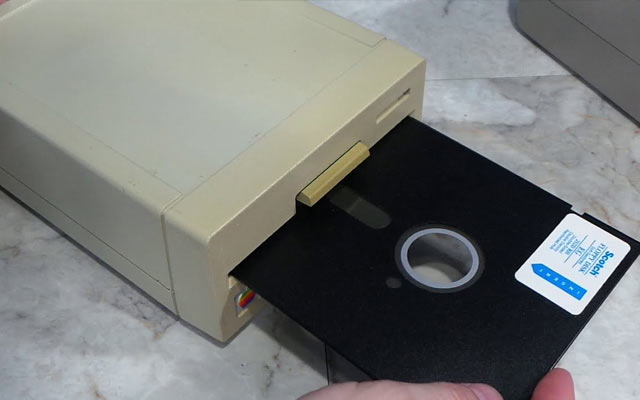
You might think that over the past couple of decades, people have completely stopped using floppy disks. In fact, this is not entirely true. They're being used. They even store nuclear missile launch codes on them. For example, in the United States of America.
It is known that only two years ago, the Pentagon announced that it intends to technically upgrade systems designed to coordinate actions in the nuclear field (one might say, some data storage systems) only by the end of 2018.
In other words, there is no doubt that just a year ago, most of the US tactical nuclear arsenal was still dependent on this “ancient” technology. We hope you will continue to sleep well after hearing this news!
Game Boy
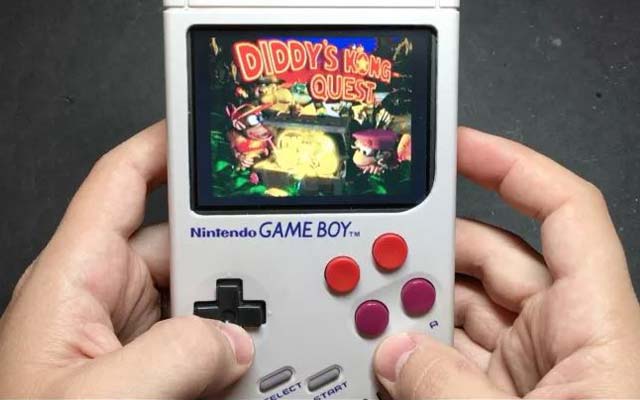
Everyone who was lucky enough to own this late-century electronics marvel manufactured by Nintendo must have fond memories of it. This is despite the fact that this device did not have internal screen lighting (like the earlier electronic game “Well, wait!”).
In addition, the Game Boy toy put batteries mercilessly, like some car on a motor. The Game Boy was released in 1989 in Japan and North America. It appeared in Europe a little later, in 1990.
The resounding success of this pocket game is guaranteed to knock competitors out of the market for several years. Then came the next generation of this Nintendo line
of games, which also left no chance for other manufacturers. Many people were burned then…
If there was only one Game Boy in a family of two, there was no doubt that the kids would soon have fierce enmity and hatred (well, or whims and quarrels at least) between the kids because that everyone wanted to own this game alone.
If each young family member had their own Game Boy, then every such family was in an era of peace and quiet, interrupted by the characteristic sounds of an electronic toy. Parents all over the world were cheering.
At least while their kids were spending their nerve cells right and left trying to complete various games on the Game Boy game console. At that time, many of them became deeply familiar with the meaning of the word “share” for the first time. It cost a lot!
The handheld device turned out to be extremely tenacious. It survived all of the 90s, and was discontinued only in the early 2000s. By that time, the manufacturer had produced 118 million units of the Game Boy game console.
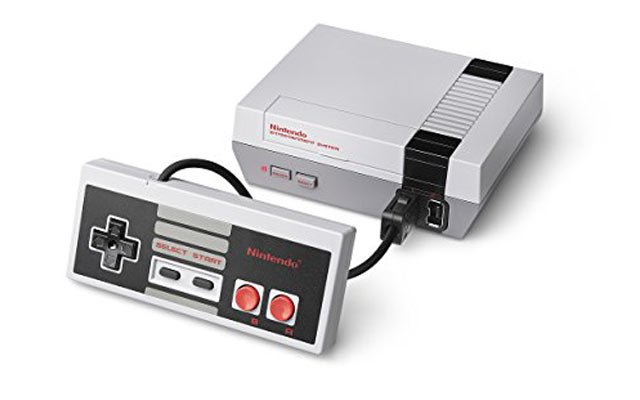
Along with the Game Boy toy, the classic set of games for this device has also sunk into oblivion. This was the case for quite some time until, a couple of years ago, the Japanese company Nintendo announced the resurrection of these NES and SNES games.
Read also: Top ten lost technologies
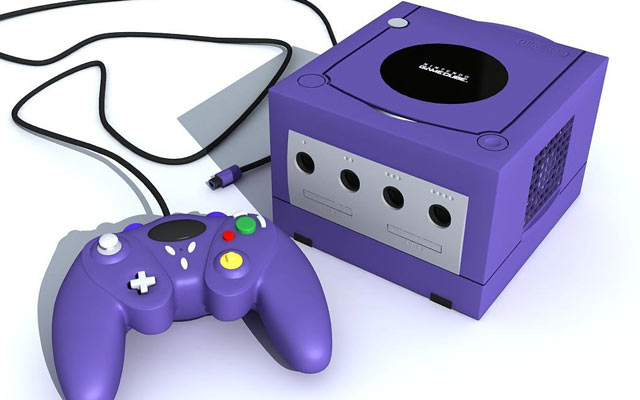
It is planned to release classic games in miniature compilations that will include digitized versions of the best games. These plans have already sparked a lot of speculation about which of the older game consoles should be expected to receive the same warming from the manufacturer: the N64? Or Nintendo GameCube?
It must be said that the new trademark associated with Game Boy was introduced at the end of last year, which caused a lot of fuss among fans. Next year we will celebrate its 30th anniversary. It seems that there is no better time for the successful promised release.
Technologies of the past
Virtual reality. Round one
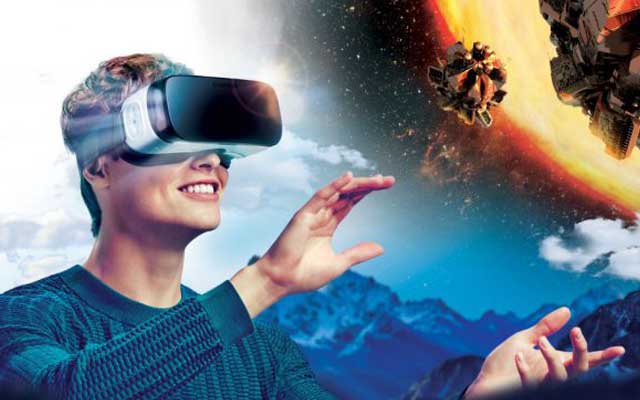
Virtual reality and augmented reality are essentially different sides of the same coin. The first one invites us to dive into a completely different world through a small screen located right in front of our eyes.
And the second one gives us the opportunity to get an augmented image of a familiar reality (sometimes we need to use a different screen, as is the case with Pokemon Go).
Both of these concepts seem to have been fully developed long ago. However, virtual reality is going through a second round, so to speak. And round one ended in nothing back in the 1990s. And it was an epic failure in its time.
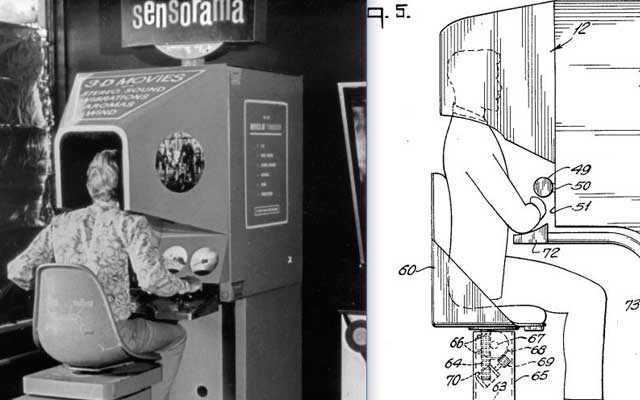
The history of creating the concept of virtual reality begins back in the 50s and 60s of the last century. The most impressive technology in those years that showed us a virtual reality simulator was Sensorama.
It was an ingenious thing that (partially) housed a viewer who was invited to experience the visual world almost as it is perceived by the human eye.
A special seat and other devices made it possible to use a person's senses other than vision — hearing, touch and even smell. In other words, all these tricks were used to ensure the presence of a person in some of the videos that Sensorama showed.
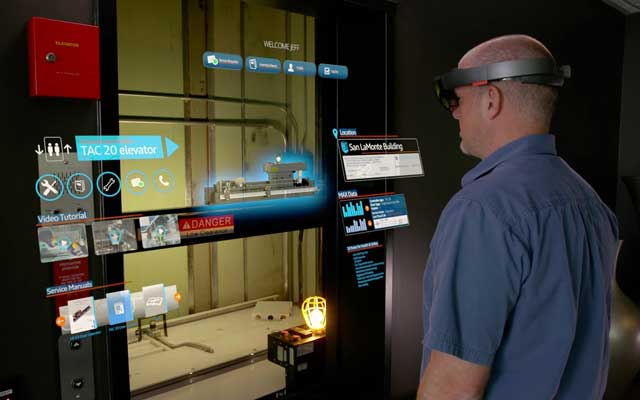
Until the 1990s, virtual reality helmets and goggles weren't actually used yet, although many fantastic works anticipated this. And although it looked cool from the outside, the appropriate technologies were not available yet.
Sega introduced the first helmet in 1991. The company released its VR-1 arcade attraction, which simulates movement, in 1994. However, none of these inventions provided a truly real virtual reality effect.
That is why the development of virtual reality technology stopped in the 90s. Nowadays, Microsoft HoloLens augmented reality and Playstation VR virtual reality helmets offer little hope for continued development. Or maybe we're in virtual reality right now…
Pager
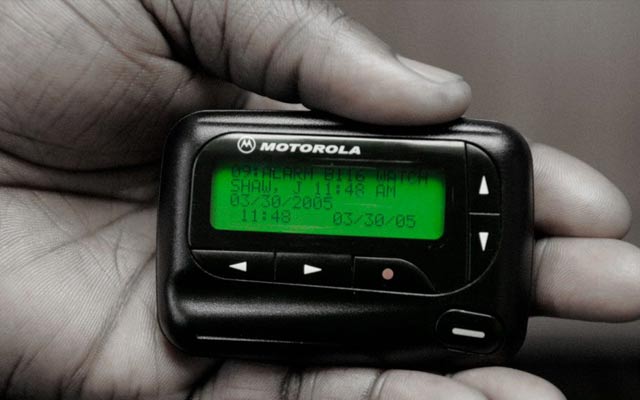
How can you explain to a modern teenager what a pager is, how exactly it was used, and why it was even necessary? In fact, these small devices provided what was then very rare among ordinary consumers — the ability to communicate wirelessly.
Like many other technologies, the pager (as a portable one-way radio device equipped with a screen) was invented long before it was widely used.
The first analogues were developed back in the 1950s and 1960s, but this device reached the consumer only in the 80s. Their use was gradually abandoned in the 90s. And the concept of pagers almost completely became obsolete in the early 2000s.
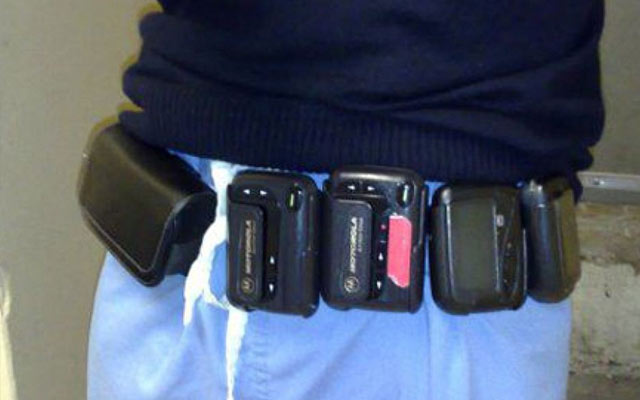
Almost. Because although most people didn't need pagers, they continued to be used by emergency workers for a long time, as well as in several other areas of activity. And they are still being used.
TV series lovers have probably seen pagers on American TV shows such as “ER” or “Grey's Anatomy” more than once. In general, think of a pager as the forerunner of the ubiquitous Bluetooth headset that is sure to stick out of any caricature businessman's ear.
Dial-up modem
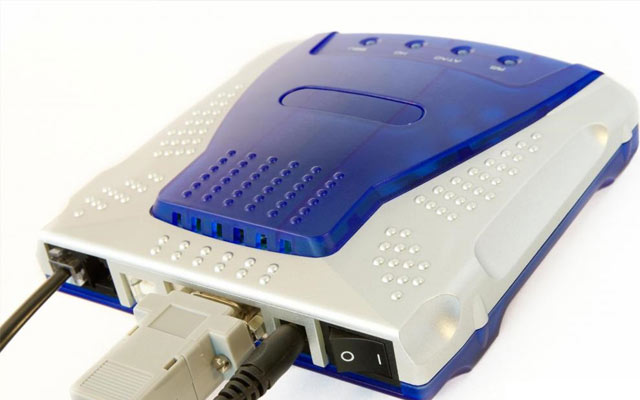
Many people remember (and probably hate it fiercely!) this modem for dial-up telephone lines, which was widely used in the late 20th and early 21st centuries.
Dial-up (dialap) modems that used so-called dial-up remote access made such a specific and easily recognizable sound that once you hear it, you are unlikely to confuse it with with some other sound.
After that sound, if you didn't bleed, of course, you could hear a joyful one: “Oh, I'm on the Internet!” However, connecting to the Internet via a dial-up modem did not guarantee the stability of the connection, or even a fifth of the surfing freedom we enjoy now, thanks to modern speeds.
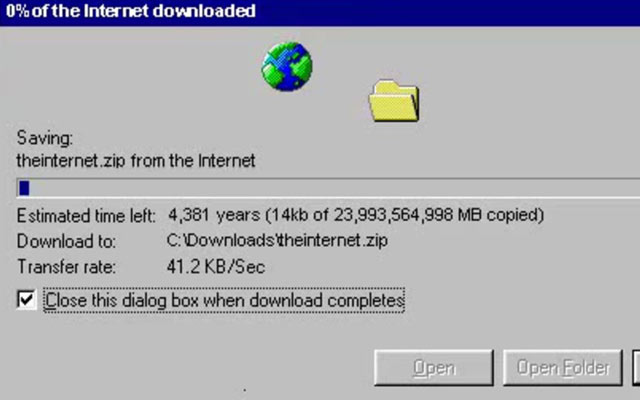
The main advantage of using a dial-up modem was that connecting the computer to the network did not require any additional complex infrastructure used today. It was enough to have a modem and telephone networks, which, of course, were available almost all over the world.
Perhaps the main thing that somehow justified all the inconveniences associated with using telephone lines for the Internet was not so much the opportunity to “surf” the Internet as the opportunity use the first free instant messaging programs.
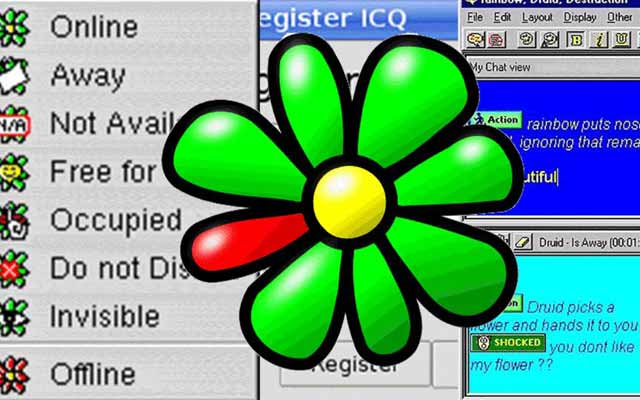
Does anyone remember programs like ICQ? Maybe you have some memories from using Odigo? This correspondence with people from anywhere in the world was so exciting and addictive that many people forgot about the high rates for going online and for a long time phone line (the landline could not be reached).
Despite the catastrophically slow data transfer speed, dial-up modems are not completely extinct. Their use can still be seen in some organizations whose activities are related to finance. The interaction between budget structures and the treasury also sometimes takes place through dial-up communication.
Outdated nineties technology
Film cameras and camcorders
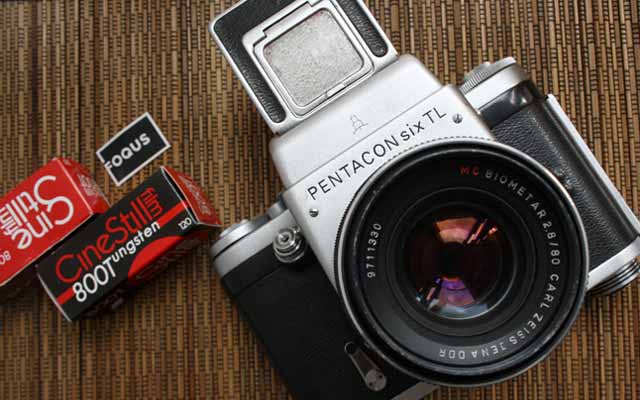
Film is another outdated method of storing information. Digital storage has now been replaced by digital storage for each of the methods of storing information that has died in the past.
This technical breakthrough has led to the fact that many different equipment that used old data processing and storage technologies has become not only underused, but in fact useless.
But it was once considered a great success if your home had not only an ordinary film camera, but also a film camera, as well as a film video recorder. DVD players were not even heard of back then. Although it seems that they will soon sink into oblivion…
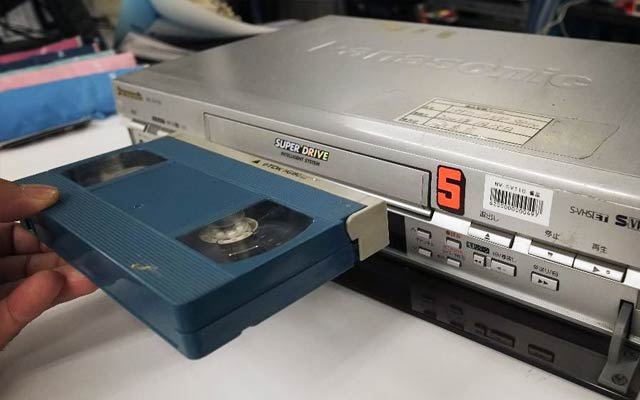
However, this is still a long way off. Various CDs, DVDs and Blue-Ray devices are still close to us. And if you dig into boxes on the mezzanine, you can probably also find an old film camera lying next to a video recorder.
Man is so created that he likes to surround himself with things. This is true, although it looks very impractical. Perhaps this is one of the reasons that even now you can buy film for your film camera, although the use of digital technologies is now more than affordable.
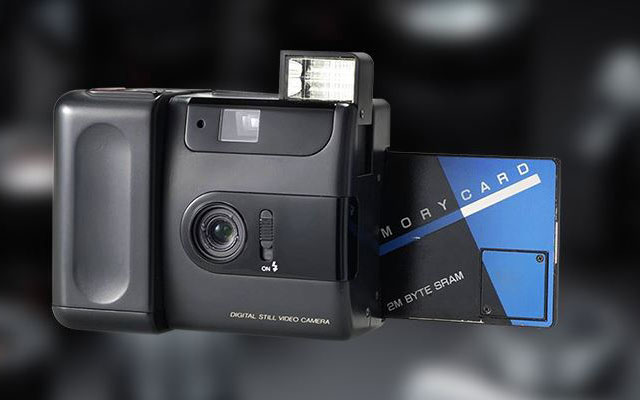
By the way, the idea of developing film-free shooting technology began back in the 1960s. But ordinary consumers did not have the opportunity to take advantage of technological advances until 1988, when the first Fuji DS-1P digital camera appeared on the market.
At the same time, an experimental model of a camera without film was created back in 1975 by Eastman Kodak. Digital equipment began to be purchased more or less widely in the mid-1990s. It was then that the use of film technology began to decline.
CD player
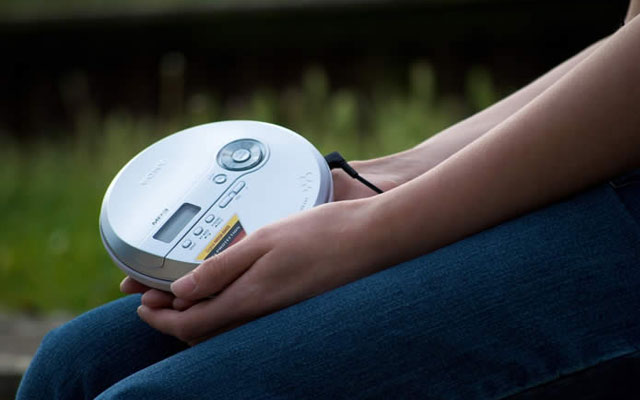
If you grew up in the 1990s, you probably had a CD player. It would seem that now few people need this outdated device for nothing, because each of us has a smartphone to which you can download gigabytes of music that is available at any time of the day or night.
Despite this, even nowadays you can buy a CD player in electronics stores. This again confirms the fact that people like to surround themselves with things — including old useless technologies from the past century. Probably, an irrational desire to “touch” music (CDs) with your hands works.
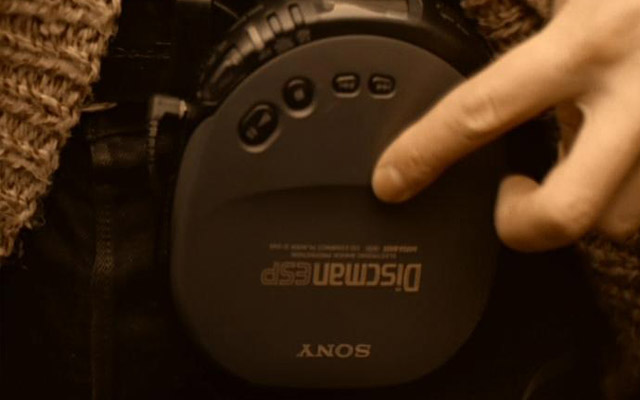
For the first time, CD players became available to ordinary customers back in 1982. Their popularity in the mid-90s was unimaginable. Do you remember Danila Bagrov from the cult movie Brother, who always went with a player? This image of Sergey Bodrov also contributed to this popularity.
It is noteworthy that audio cassettes were still widely used in the 1990s. And if cassette players are really completely disused, CD players are still an alternative to digital players, maintaining a small but fairly stable level of sales in the world.
Calculators
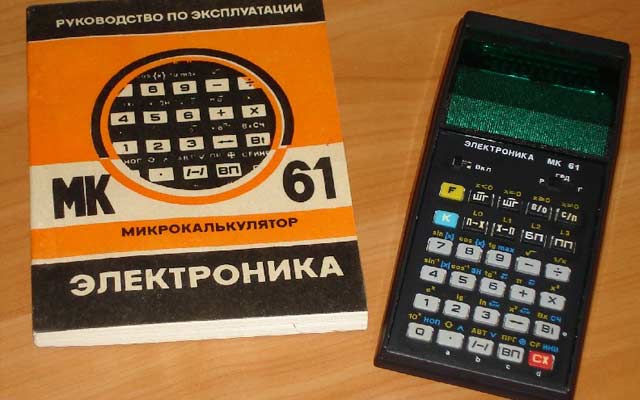
If you remember a time when a student in your school class was very interested in having a calculator, then you are quite a few years old!
Have you ever seen calculators that were able to display a much wider range of graphical images than just ordinary numbers and basic mathematical ones signs? Do you remember programmable Soviet calculators, such as Electronics MK-61?
In fact, pocket calculators began to be sold everywhere in the 1970s. By the time of the 1980s, the cost of these devices had already dropped significantly. The simplest models were so cheap that almost everyone could afford a personal calculator.

In schools, the use of calculators took root slowly, as the school curriculum required children to work with their heads instead of their fingers. Mental computing, like computing on paper, is still common (fortunately), but more students and teachers are facing a new reality.
This reality lies in the reluctance of children to think with their heads, transferring this task to calculators (pocket or smartphones). Indeed, why strain your brains when you can point your fingers several times at the numbers to quickly get the answer you need?
According to some data, in United States schools in 1986, the amount of calculated data obtained using a calculator was 41 percent. But just two decades ago, this figure was 0.05 per cent. And what percentage of kids now use calculators on their smartphones?
Forgotten technologies
Corded phone
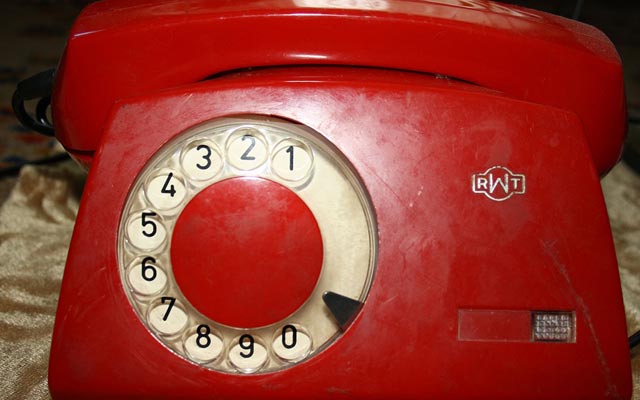
At the beginning of the last century, telephone communication evolved rather slowly, despite the fact that telephones were available to consumers of those years. This went on for quite some time — remember that even in the second half of the 20th century, phones were not in every home.
Surely many people have found the disk phones that have been used by humanity around the world for many decades. Perhaps some people still have such an “old man” at home.
Those who have used these phones will confirm that it sometimes took forever to dial a number. And, if your finger fell off the drive for some reason, you had to dial the coveted number from the very beginning.
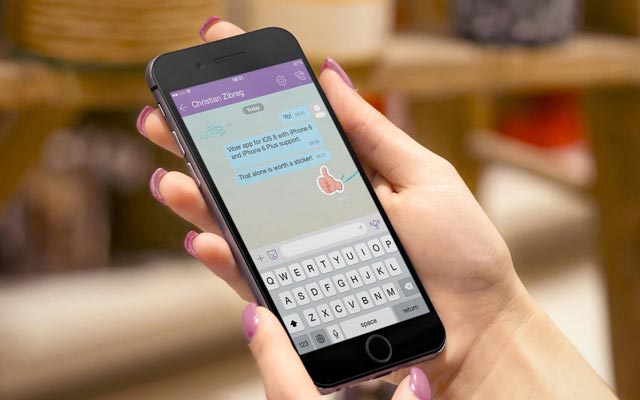
The prototype of the first mobile phone was released in 1973, but it took a couple of decades for this technology to become really widespread in the world.
Well, when smartphones began to become widespread, corded phones began to become a thing of the past. The reason is simple — landline telephony is simply unnecessary. Many people have stopped using corded phones for communication altogether.
Read also: 10 incredible technologies of the past that are still a mystery
Moreover, many smartphone owners, in principle, rarely use their devices for calls as such, preferring to exchange messages using numerous mobile phones applications.
Agree, in many cases, a simple message is enough for us to convey the necessary information to the right person. Sometimes it's more effective than a call. In addition, many people, when they need to speak by voice, also use various applications for this purpose — Skype, Facebook, Viber, etc.
Tube TV

Just a few years ago, it was hard to imagine people living without a TV. If a person moved to a new place of residence, the first thing he did was turn on TV to watch TV. And only then a refrigerator, an iron and other benefits of civilization appeared in the house.
Many may not know this, but in the middle of the last century, the presence of a TV in the house spoke about the wealth and status of the owners. If someone bought an antediluvian TV, friends, relatives, neighbors came to watch this miracle of technology… Whole gatherings were held, watched programs, movies, and news together.
By the 1990s, a lot had changed. TVs have become so firmly established in our everyday life that it was simply impossible to imagine life without them. At a time when there was only one tube TV in the house, family members often quarreled about which channel to watch: the husband wanted football, the wife wanted TV shows, the child wanted cartoons.
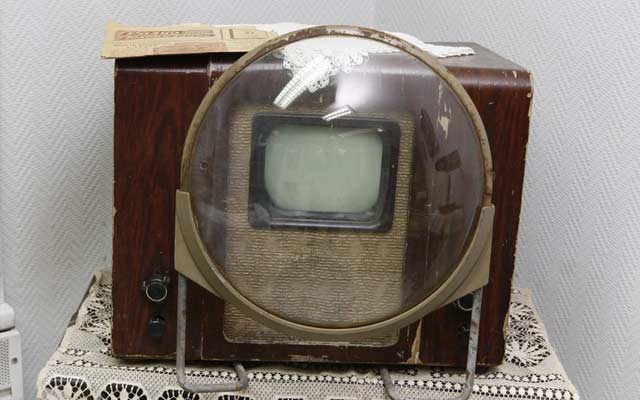
In some families, the number of TVs exceeded the number of household members, which immediately reduced the intensity of emotions. The need for multiple TVs in the home has become even more urgent with the active development of cable television.
The very first television receivers in mass production appeared back in 1929, when Western Television, USA, began producing devices with matchbox screens boxes, or even fewer.
In the early 2000s, a real evolution took place — instead of tube televisions, more or less affordable flat panel TVs began to appear on the market. And when their prices began to drop significantly, it seemed that TVs would soon appear in every room of every apartment.
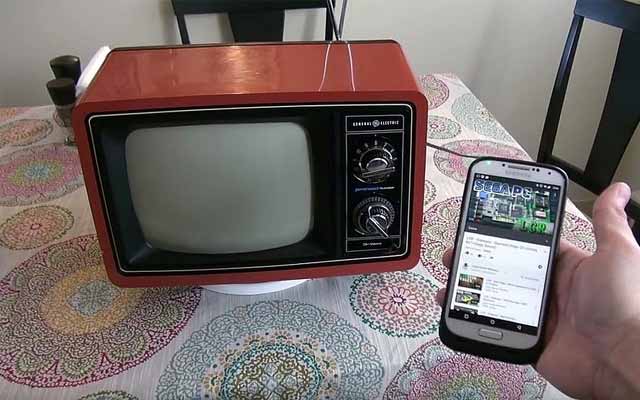
Of course, TV sales have always been influenced by the spread of television. Since the availability of personal computers for ordinary consumers and the spread of the Internet, the position of televisions (and television in particular) has been somewhat shaken.
However, the biggest blow to television and TVs was caused by the spread of high-speed Internet and the rapid development of various video hosting companies (such as YouTube, for example).
Very little time has passed, but a lot has changed since then. People are increasingly abandoning television, which, accordingly, has led to a decrease in TV sales.
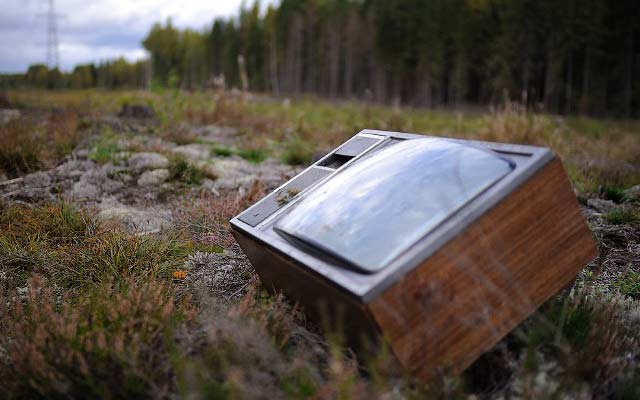
In addition, as it turned out, you can watch the news, your favorite video or the next episode of the series on a very ordinary smartphone. In addition, it saves a lot of time. Of course, it is very early to bury televisions and television. And it's not certain that that's going to happen at all.
But the reality is that the rapid development of technologies related to smartphones has turned these devices not only into a combination of an organizer and a mobile phone, but also made it possible to combine them almost all of the above technologies, so popular in the 90s of the last century.