
 Health
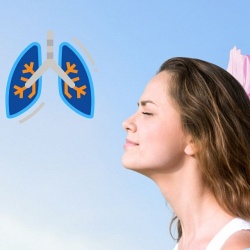
Writer JK Rowling shared a video of the breathing technique, claiming that it helped her recover after she was diagnosed with symptoms of Covid-19.
The video was suggested by a doctor at the Royal Hospital in London. He demonstrated breathing techniques that can help coronavirus patients manage symptoms.
Dr. Sarfaraz Munshi first recorded the video for his friends and family, but it went viral after it was posted on YouTube, reaching over 3 million views.
In his video, he emphasized how important it is to get enough air to the very base of your lungs when you get respiratory diseases, including COVID-19.
He explained that people suffering from this infection must perform this technique from the very beginning of the diagnosis and even before they become ill.
The material has an informational and reference function! Before using any products or services, you should consult a specialist!
Breathing technique

©
Billion Photos
So what is the technique:
Take 5 deep breaths, holding your breath for 5 seconds each time.
On the sixth, cough deeply with your mouth covered.
Repeat the first two steps twice, then lie face down on the bed with the pillow in front of you and take slightly deeper regular breaths for 10 minutes.
The doctor explained that this is important because most of the lungs are closer to the back. When you lie on your back, you block access to smaller airways, which is not very good during an infection. This can increase your risk of developing secondary pneumonia and further worsen your condition.
Dr. Munshi, however, stressed that this advice is not suitable for everyone and patients with Covid-19 should seek medical attention. In addition, pregnant women should not lie on their stomachs as this is not safe for the fetus.
However, there is no scientific evidence that this technique helps coronavirus patients.
Is this breathing technique effective

© Science Photo Library
Pulmonologist Ray Casciari, a pulmonologist at St. Joseph's Hospital in Orange County, California, believes this technique could help. It improves ventilation and mucus secretion.
However, not all doctors agree that people with symptoms of COVID-19 or those who are infected but do not show symptoms of the disease should use this technique.
Jorge Mercado, MD, assistant professor of pulmonary and intensive care at New York University Hospital in Langon—Brooklyn states that breathing techniques do not change the course of the disease.
It is also difficult to determine whether symptoms are improving, as breathing is unconscious (we don't think about it), so every time you intentionally breathe in a certain way, you'll feel yourself in different ways.
In his opinion, controlled breathing can be dangerous and make coughing worse.
The cough associated with coronavirus is usually dry and unproductive, so deep breathing and coughing are unlikely to help.
Instead, the Association of Chartered Physical Therapists for Respiratory Care (ACPRC) recommends a different breathing technique that improves symptoms of a respiratory infection.
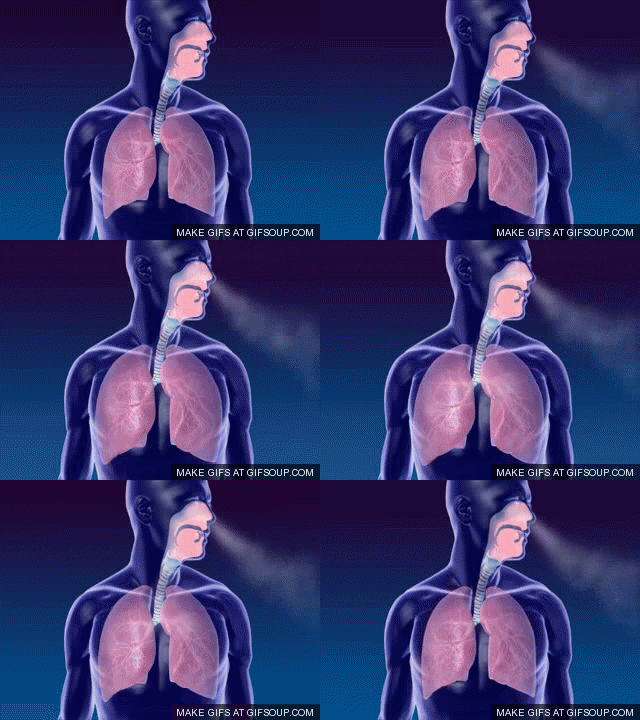
If you want to learn deep breathing techniques, it's important to breathe through your nose, not your mouth.
Breathing through the nose warms and moisturizes the air and is less likely to make coughing worse.
It is also important to take only 3-4 deep breaths and exhalations before resting so as not to cause hyperventilation and dizziness.
If you have a tickling, uncontrollable cough, try to control it by swallowing, taking a few sips of water, or just breathing.
Deep breathing exercises can be beneficial for dilating the lungs after the infection has gone away, as can light exercise.
There are also a number of positions that can be helpful in case of respiratory failure, such as leaning on pillows or leaning forward to the back of a chair.
Breathing exercises for healthy lungs
There are other breathing exercises that increase and strengthen the lungs, which are successfully used for many respiratory diseases.
Breathing with pursed lips

© DAPA Images
This exercise helps keep your airways open for longer. It is also useful for people who are not very physically active and do not use their breathing muscles as often.
It is easy to do it almost anywhere and anytime.
Sit upright. Good posture improves lung movement.
Take a deep, slow breath through your nose.
Pinch your lips like you're about to blow on something.
Exhale as slowly as possible through pursed lips.
The exhalation should be twice as long as the inhalation. Some people set a timer by inhaling for 5 seconds and exhaling for 10 seconds.
Belly breathing (Diaphragmatic breathing)
© freepik
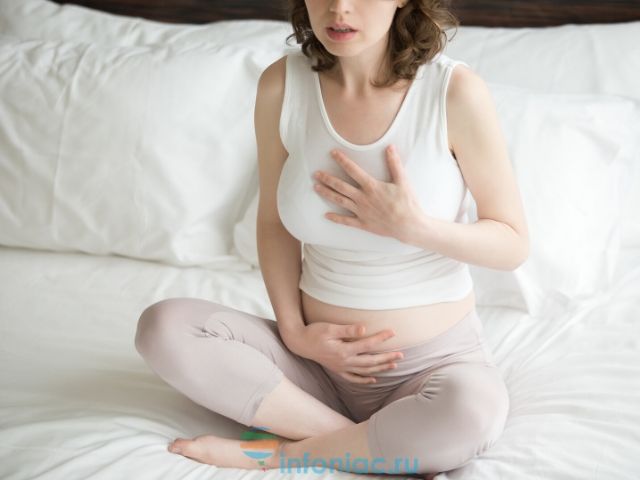
Abdominal breathing is aimed at strengthening the diaphragmatic muscles that allow us to breathe deeply.
Sit upright or lie on your back, relax your shoulders.
Place one hand on your stomach and your other hand on your chest.
Breathe in through your nose for 2 seconds, watching the air fill your abdomen, which begins to bulge.
Exhale through your mouth with pursed lips for two seconds, pressing gently on your abdomen.
Repeat this exercise.
Tips for healthy lungs:
Prevention is the best treatment, so strengthening the lungs is much more effective than trying to cure them.
Break the smoking habit and avoid passive smoking or exposure to other irritating substances around you.
Eat more antioxidant-rich foods: berries, dark chocolate, red cabbage, beans, beets, spinach, and others.
Get your shots on time, including flu and pneumonia vaccines. This can help prevent lung infections and promote lung health.
Exercise improves lung function.
Improve indoor air quality. Use indoor air filters and reduce pollutants such as artificial odors, mold and dust.