
 Health
Content:
Design features of the disinfection mat
Advantages products
How to use a disinfectant
How to choose a liquid to fill a disinfectant
How to make a disinfectant mat yourself
A disinfection mat is a special floor covering designed to disinfect the shoes of employees working at enterprises with high sanitary requirements. Today, the demand for disinfectants has increased, as most people have decided to use them in everyday life. Ready-made disinfection rugs can be purchased at online stores. But their cost is too high for the average buyer. Therefore, most people decide to make them themselves, using improvised tools.
The material has an informational and reference function! Before using any products or services, you should consult a specialist!
Design features of the disinfection mat
© Don-Polymer
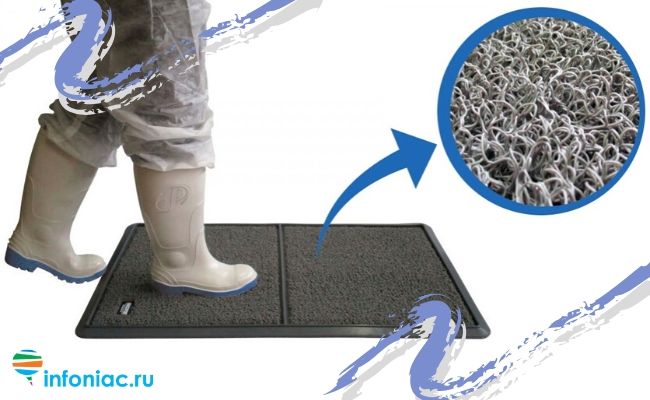
The disinfectant consists of three layers. Each of them is made from a special material:
The lower layer and sidewalls (sides). For its manufacture, the best option would be wear-resistant waterproof material. The lower part prevents the antiseptic liquid from reaching the floor of the room.
A highly absorbent mat. Depending on the size of the rug, it absorbs from 5 to 30 liters of special solution of different concentrations. For the manufacture of the middle layer, high-strength polyurethane foam is used. This material quickly absorbs the disinfectant solution, does not allow it to evaporate, and minimizes contact between liquid and air.
The upper layer is made of mesh but durable PVC material. The durability of the fabric is especially important — people who enter the room wipe their feet on it.
The strong bottom layer, in contact with the floor, should not slip. For this purpose, some manufacturers provide an additional rubberized coating.
Product advantages
Since the advent of antiseptic rugs on the market, they have been widely used in the food industry, medical and sanatoriums. Veterinary clinics and farms use such products during epidemics of dangerous diseases among animals in order to avoid the possibility of infecting healthy individuals. They have a number of advantages compared to the usual antiseptic agents used for wet cleaning or wiping the floor:
They are durable in use.
They destroy almost all known pathogenic bacteria and viruses.
They are cost-effective if it is necessary to treat the soles of a large number of people.
An important advantage is the ease of use. They don't need special care. And the antiseptic should be added periodically – as needed.
How to use a disinfectant
© HambyDairySupply
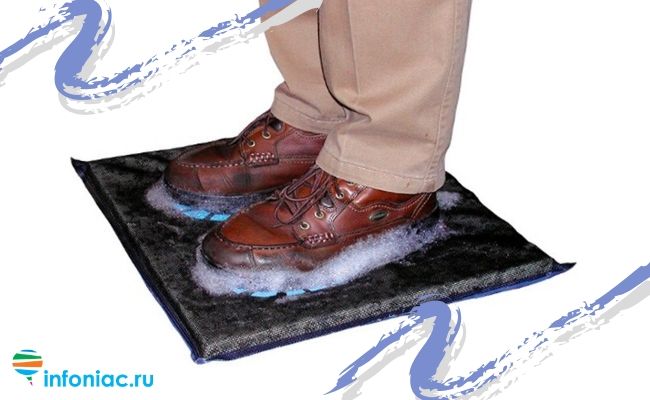
Disinfecting mats are installed in the sanitary area of the room (near the front door). Its main function is to clean human shoes from dirt and pathogens. Using a carpet for sanitizing soles is simple:
The rug is placed on the floor before entering a room with high sanitary standards.
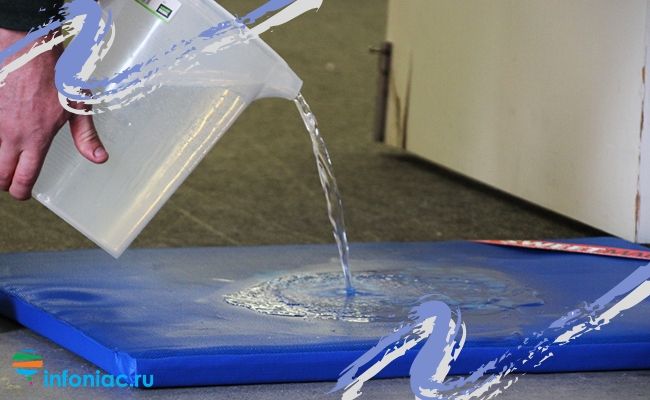
The disinfecting mixture is poured into it through the mesh surface of the product in the amount specified by the manufacturer. The concentrate is poured gradually so that the inner layer absorbs it as much as possible.
The product is actually ready for use. All that's left is to step on him. Under the body weight of the sole of the shoes, the amount of solution required for processing will be squeezed out of the polyurethane element. Polyurethane foam will absorb excess biocide back after a person leaves the rug.
There are disinfectants with different parameters on the market. The dimensions of the product comply with sanitary and epidemiological requirements. The size of the disinfectant mat is selected taking into account the dimensions of the front door, as well as the number of people who will walk through it per day.
See also: DIY rugs
How to choose a liquid to fill a disinfectant
© DisinfectionMAT
There are different types of disinfectants on the market. When choosing a disinfectant, make sure that the product composition meets sanitary requirements. The liquid for filling the rug must:
Have a wide range of effects — to destroy harmful spores, bacteria, viruses, tuberculosis bacilli.
It is good to interact with the materials from which shoes are made — effectively treat the surface of the sole, killing pathogens.
Maintain its properties in the external environment.
Do not have a pungent or specific smell. This is a particularly important criterion when choosing a liquid for a rug used in administrative or medical facilities.
The disinfecting concentrate should be sold with documents that indicate the recommended area of use (veterinary facilities, cars, special purpose rooms, houses). These concentrates are usually sold together with rugs.
IMPORTANT!!! If it is necessary to completely replace the disinfectant hydraulic solution, it is recommended to thoroughly wash the mat, dry it and continue to use it with another antiseptic. Do not use different types of disinfectants in the rug layer at the same time. Their components can enter into chemical reactions with each other, neutralizing each other's effect.
How to make a disinfectant yourself
© MiLea/Canva
For domestic use, there is no need to buy an expensive industrial disinfectant mat. It can be made independently using available materials:
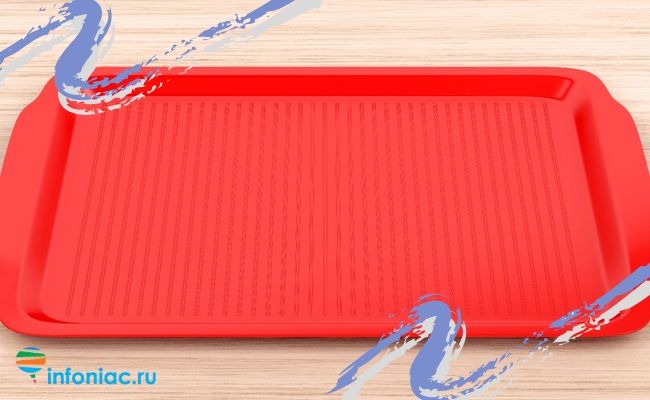
A suitable size plastic tray can be used as a waterproof base.
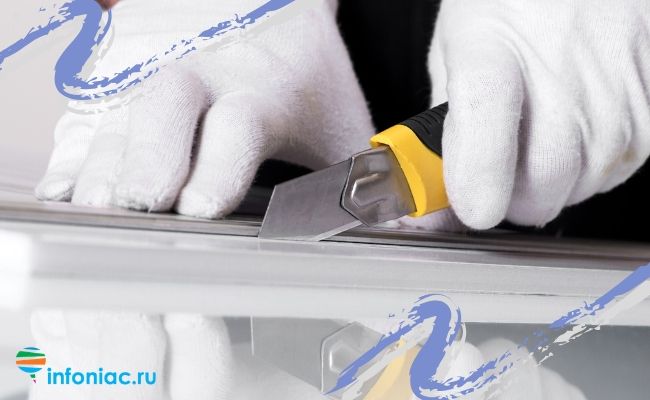
The disinfectant layer is made from scrap materials. The ideal option is to cut the filler from a sheet of polyurethane foam of suitable thickness. You can choose dense high foam. But such a filler differs from polyurethane in a number of drawbacks (too soft, loose surface that does not protect the antiseptic from evaporation, rapid wear).
The outer layer in the homemade rug is required. It will prevent contamination of the inner layer. It can be changed if necessary. The easiest way to arrange a work surface is to cover the absorbent layer with an old towel or an unnecessary T-shirt. Such options are inferior to standard mesh coating in terms of wear resistance (provided 2000 passes per day, the standard mat lasts 10-12 months). But as it gets dirty, the upper layer changes easily.
© Getty Images/Canva
To prevent the disinfectant from flowing over the edge of the tray during operation of the mat, it is necessary to fill the tray to 80-85% of the maximum capacity. For example, it is recommended to pour no more than 3 liters of antiseptic hydrosolution into a 50×50 cm rug.
To fill a homemade rug, you can use ready-made industrial compounds. They are sold in 5, 10, 20 liter cans. The price of ready-made disinfectants is high. To save money, you should pay attention to tablets and powders for preparing a disinfectant – their price is more affordable.
Tableting concentrates are especially popular. One tablet dissolved in 10 liters of water produces a low-concentration solution (0.015%) with good disinfectant properties. To prepare 3% concentrate, 20 tablets should be dissolved in 10 liters of distilled water. The shelf life of the finished mixture in constant contact with air is 6 days. After this period, the residues are poured out of the tray, the liquid is allowed to drain from the inner mat, and the freshly prepared solution is poured.
Read also: How long does coronavirus live in clothes and can washing powders kill it?
Interesting!!! For homemade mats, it is recommended to use a disinfectant at a concentration of 0.3-0.5%. Solutions of lower concentrations of active substances are used for other types of room treatment — wet cleaning of surfaces, spraying to kill pathogens in the air.
In addition to tablets, powders for the preparation of a disinfectant solution are on sale. The amount of powder required for a mixture of different concentrations is indicated on the package.
The material has an informational and reference function! Before using any pharmaceutical products or medical services, you should consult a specialist!