
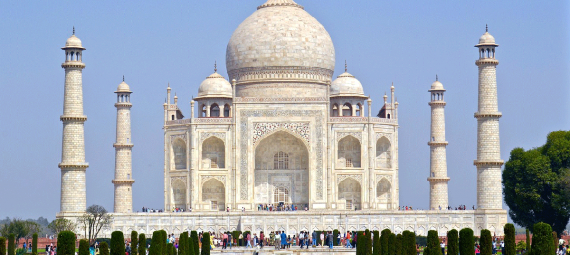
The Taj Mahal is an architectural masterpiece that is widely considered to be one of the most beautiful buildings in the world. Located in Agra, India, the Taj Mahal was built by the Mughal Emperor Shah Jahan in memory of his beloved wife Mumtaz Mahal. Since its construction in the 17th century, the Taj Mahal has had a profound impact on the culture and identity of India, as well as the rest of the world.
One of the most significant ways in which the Taj Mahal has impacted Indian culture is through its influence on architecture and design. The Taj Mahal is a prime example of Mughal architecture, which is characterized by intricate designs, symmetry, and the use of decorative elements such as domes, arches, and minarets. This style of architecture has influenced countless buildings throughout India, including mosques, palaces, and government buildings.
In addition to its impact on architecture, the Taj Mahal has also had a profound impact on Indian art and literature. The Taj Mahal has been the subject of countless paintings, poems, and songs, and it is considered a symbol of love and devotion. The building has been immortalized in works of literature by Indian writers such as Rabindranath Tagore and Salman Rushdie, and it continues to inspire artists and writers today.
The Taj Mahal has also had a significant impact on the tourism industry in India. Millions of people from around the world visit the Taj Mahal each year, making it one of the most popular tourist destinations in India. The tourism industry in Agra has grown significantly since the construction of the Taj Mahal, with hotels, restaurants, and other businesses catering to the needs of tourists.
The Taj Mahal has also had an impact beyond India’s borders. The building is widely recognized as one of the most beautiful structures in the world, and it has become an important symbol of India’s cultural heritage. The Taj Mahal has been designated a UNESCO World Heritage Site and is considered a global icon of love and romance.
In recent years, the Taj Mahal has also been the subject of controversy. Some groups have criticized the Indian government for neglecting the maintenance of the building, while others have called for the Taj Mahal to be demolished or renamed. Despite these challenges, the Taj Mahal remains an important symbol of India’s rich cultural heritage and continues to inspire people from all over the world.
In conclusion, the Taj Mahal is a cultural icon that has had a profound impact on India and the world. Its influence can be seen in architecture, art, literature, and tourism, and it continues to be a symbol of love, devotion, and beauty. The Taj Mahal has become an important part of India’s cultural identity, and it is a testament to the enduring legacy of the Mughal Empire. As one of the most beautiful buildings in the world, the Taj Mahal will undoubtedly continue to inspire and awe people for generations to come.