
 Unbelievable facts
In the recently released space thriller Gravity, viewers have the opportunity to watch the terrifying situation when astronauts, played by Sandra Bullock and George Clooney, are carried far into space.
The catastrophe is due to the fact that space debris destroys the space shuttle.
Although this situation is fictional, the possibility of death and destruction is very real. Here are the biggest disasters in the history of spaceflight.
1. Soyuz-1 and the death of cosmonaut Vladimir Komarov in 1967
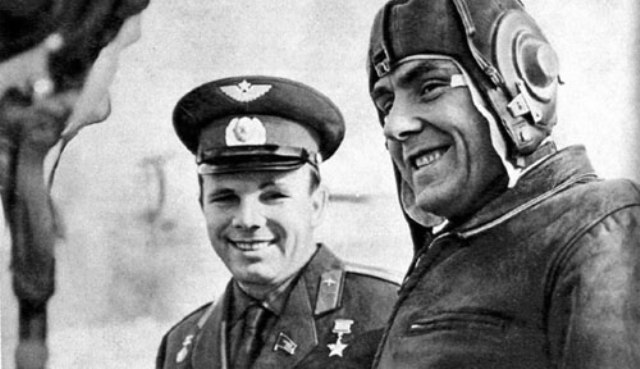
The first fatal crash in the history of space flight occurred in 1967 with Soviet cosmonaut Vladimir Komarov aboard Soyuz 1, who died on landing, when the spacecraft's lander crashed into the ground.
5 interesting facts about Gagarin's first space flight
According to various sources, the tragedy was caused by the failure of the parachute system. We can only guess what happened during the last few minutes.
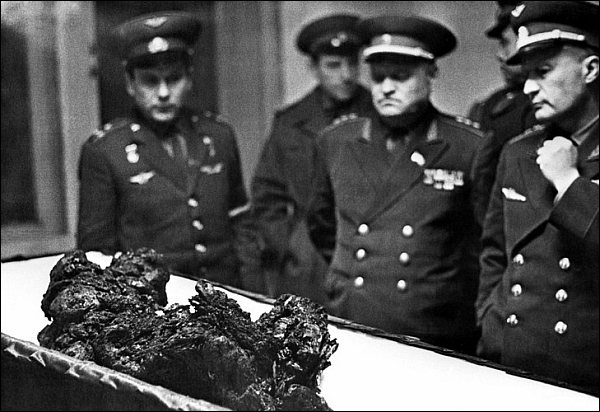
When it hit the ground, the onboard recorder melted, and from incredible overloads, the astronaut most likely died instantly. Only a few charred remains remain of the body.
2. Soyuz 11: Death in Space
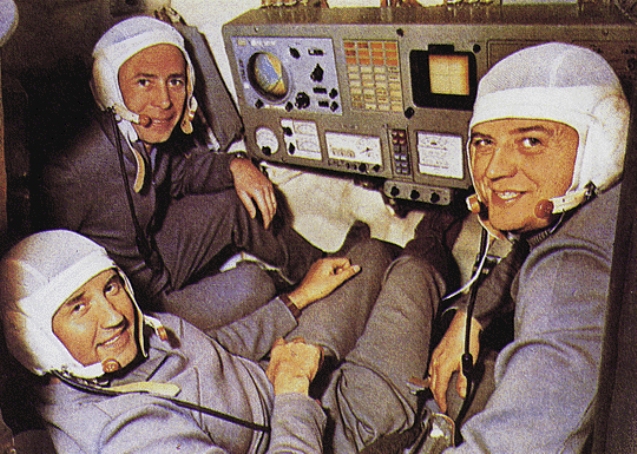
Another tragic ending in the Soviet space program took place on June 30, 1971, when cosmonauts Georgy Dobrovolsky, Vladislav Volkov and Viktor Patsaev died returning to Earth from Salyut-1 space station.
The investigation showed that during the launch of Soyuz-11, the respiratory ventilation valve, which usually opens before landing, went off earlier, causing asphyxia among astronauts.
The drop in pressure in the lander exposed the crew to open space. The astronauts were without spacesuits, as the lander was not designed for three people.
Just 22 seconds after being depressurized at an altitude of about 150 km, they began to lose consciousness, and 42 seconds later their heart stopped. They were found sitting in a chair, had a hemorrhage, their eardrums were damaged, and nitrogen in their blood clogged their blood vessels.
3. Challenger shuttle disaster
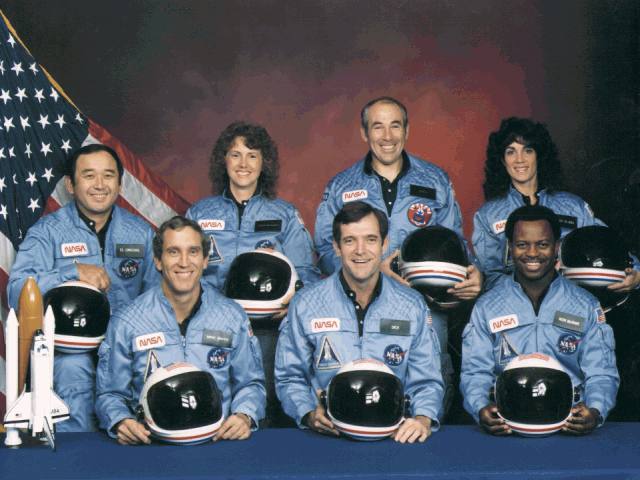
On January 28, 1986, NASA's Challenger space shuttle exploded live shortly after launch.
The launch attracted global attention, as teacher Christa McAuliffe first went into orbit, hoping to give lessons from space, attracting an audience of millions of students.
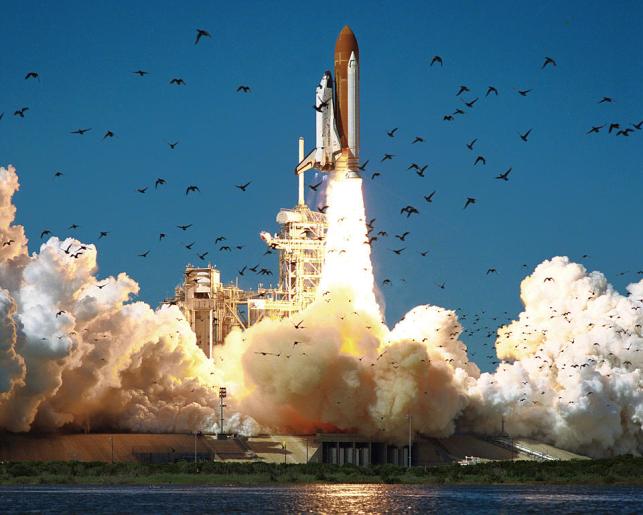
The disaster dealt a serious blow to the US reputation, and everyone could watch.
The investigation revealed that due to the cold temperature on the day of launch, there was a problem with the ring seal, which destroyed the mount.
As a result of the crash, all seven crew members died, and the shuttle program was closed until 1988.
4. Columbia Shuttle Disaster
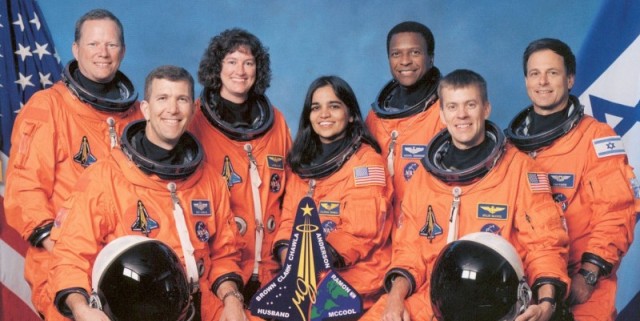
17 years after the Challenger tragedy, the shuttle program suffered another loss when the Columbia spacecraft collapsed as it entered the atmosphere on February 1, 2003, towards the end of the mission STS-107.
The investigation showed that the cause of death was foam fragments that damaged the shuttle's thermal insulation coating, forming a hole about 20 cm in diameter.
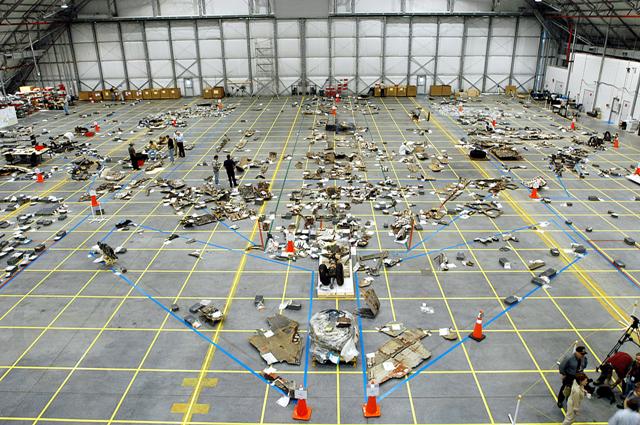
The wreckage of the ship found
All seven crew members were able to escape, but quickly lost consciousness and died as the shuttle continued to fall to pieces.
5. Apollo Mission: Apollo 1 Fire
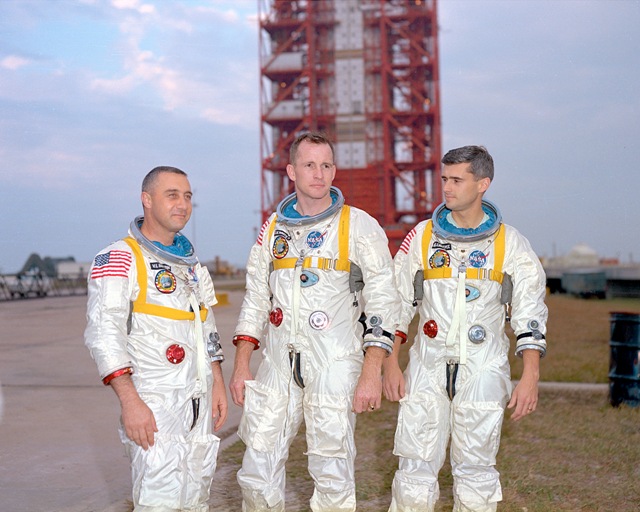
Although no astronauts died during the Apollo flights, two fatal accidents did occur during related activities. Three astronauts, Gus Grissom, Edward White, and Roger Chaffee, died during a ground test of the command module on January 27, 1967. During training, a fire broke out in the cockpit, suffocating the astronauts and their bodies burned down.
The investigation revealed several errors, including the use of pure oxygen in the cabin, highly flammable velcro fasteners, and an inward-opening hatch that prevented the crew from getting out quickly.
Prior to the test, three astronauts were concerned about the upcoming training and posed for photos in front of the ship's model.
The accident led to many changes and improvements to future missions, which later led to the first moon landing.
6. Apollo 13: “Houston, we've got a problem”
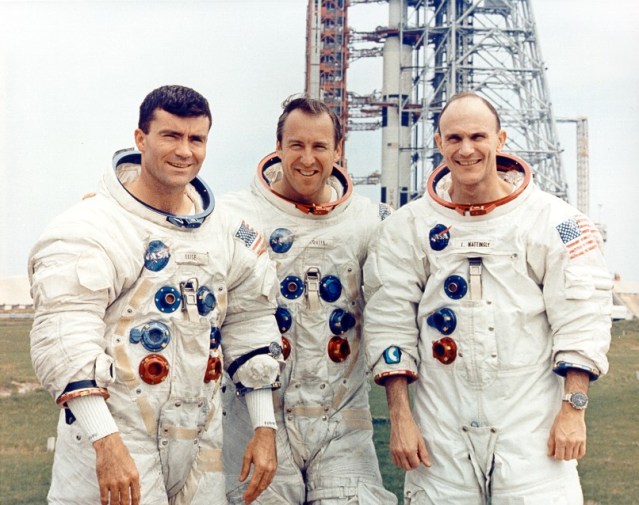
The Apollo 13 mission clearly demonstrated the dangers that await humans in space.
The spacecraft was launched on April 11, 1970 at 1:13pm. During the flight, an oxygen tank exploded, damaging the service module, thwarting plans to land on the moon.
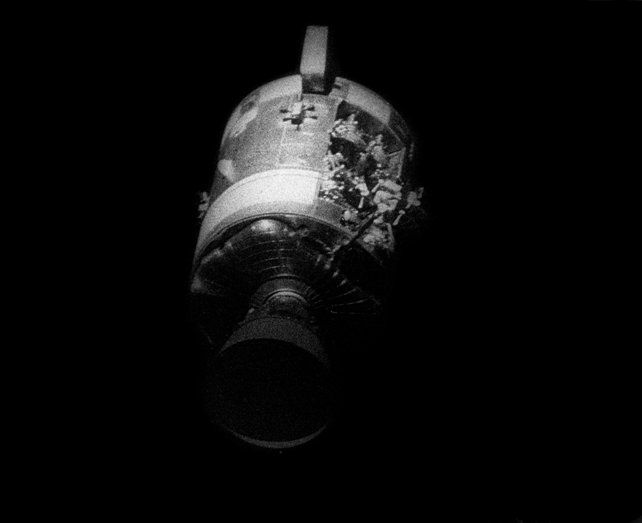
Damaged Apollo 13 service module
7 famous quotes we misunderstand
To return to Earth, astronauts needed to fly around the moon, taking advantage of its gravity. During the explosion, astronaut Jack Swigert said by radio: “Houston, we had a problem.” Later, in the famous Hollywood movie Apollo 13, it was changed to the famous quote: “Houston, we have a problem.”
7. Lightning strikes and taiga: Apollo 12 and Voskhod-2
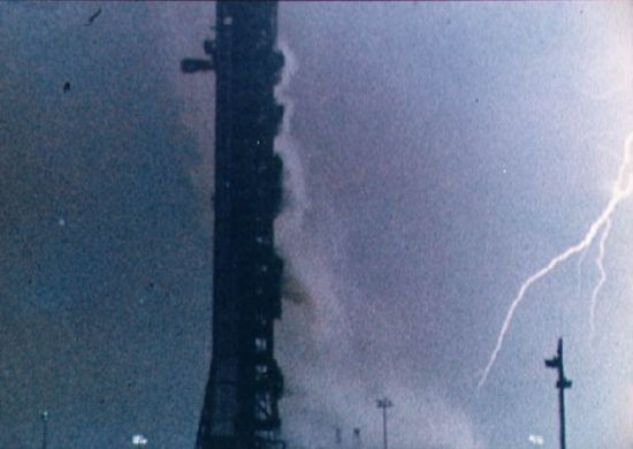
Both the Soviet space program and NASA experienced quite interesting, although not catastrophic, incidents. In 1969, during the Apollo 12 launch, lightning struck the spacecraft twice in the 36th and 52nd seconds after launch. Despite this, the mission was a success.
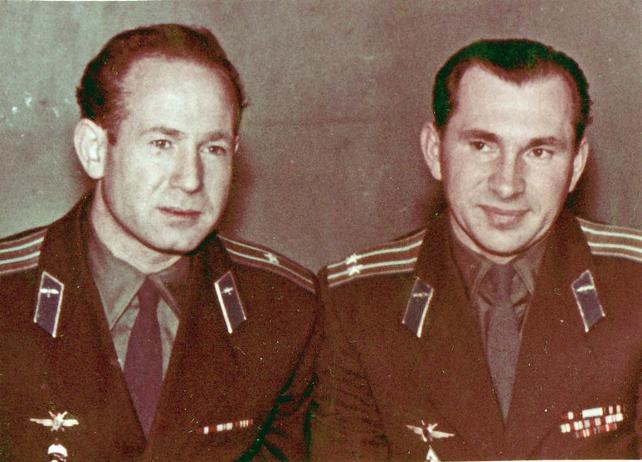
Voskhod-2 became famous due to the fact that in 1965, an astronaut made the world's first spacewalk during the flight.
But there was a small incident during landing due to a delay caused by an additional orbit around the Earth. At the same time, the place of return to the atmosphere was shifted.
Alexey Leonov and Pavel Belyaev landed aboard the ship in the remote taiga about 30 km from the city of Bereznyaki, Perm Region. The astronauts spent two days in the taiga, after which they were found by rescuers.