
 Health
Watch videos, If you're too lazy to read
Watch videos, If you're too lazy to read
According to statistics, every fourth adult in the world is deficient in vitamin B12, which is responsible for a number of processes, including:
formation of red blood cells and DNA,
normalization of blood circulation,
regulation of carbohydrate and fat metabolism,
full absorption of iron,
ensuring reproductive function,
growth and formation of nerve cells.
Among the most common causes of vitamin B12 deficiency
are the following:
poor diet,
impaired absorption of vitamin B12 due to autoimmune, intestinal and gastric diseases,
taking certain drugs: metformin, colchicine, chloramphenicol, drugs for the treatment of heartburn,
helminthiasis.
In addition, the risk group includes:
vegans and raw foodists whose diet does not contain animal products that can provide a daily intake of vitamin B12,
adherents of strict diets,
people over 60 years of age, because at this age this vitamin is absorbed much more slowly.
I must say that the insidiousness of vitamin B12 deficiency lies in the fact that it develops gradually, while the first signs of pathology are often overlooked. But in vain!
After all, a lack of this vitamin can trigger serious diseases, including:
dementia,
multiple sclerosis,
stroke,
depression,
various neurological disorders,
myelopathy, tongue
tumor.
Let's consider the main signs of vitamin B12 deficiency that should not be ignored, and how to replenish and maintain it in the body!
Read also: Vitamins A, C, D, E, F and K: benefits, content in foods
1. Weakness and constant tiredness

If you feel weak and tired in the morning, despite prolonged sleep; if you constantly want to sleep, and you do not have enough energy and strength to carry out your usual daily activities, this may indicate a lack of vitamin B12.
And the reason for this is anemia, caused by impaired production of red blood cells, which are responsible for the supply of oxygen to the cells and tissues of our body.
2. Dizziness

The lack of oxygen in the blood is caused by dizziness and, as a result, impaired coordination and loss of balance, which leads to falls and injuries.
It was found that people who were constantly dizzy (especially when getting up quickly from a “sitting” position) had 40% lower vitamin B12 concentrations compared to those with levels this vitamin was normal.
3. Bone fragility
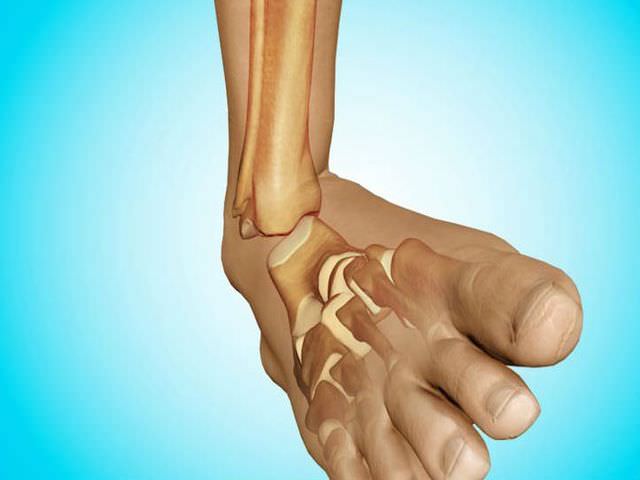
Vitamin B12, along with calcium and vitamin D, is actively involved in the formation of bone cells called osteoblasts.
Therefore, if at least one of these vitamins is deficient, the proper functioning of osteoblasts is impaired, which can cause the development of osteoporosis, characterized by bone loss, bone fragility and weakness.
The result: falls, fractures and bone cracks.
Read also: What happens when there is a shortage of B vitamins and how to deal with it?
4. Shortness of breath

When it is difficult to deliver oxygen to tissues, our lungs begin to work intensively to provide the body with the necessary amount of oxygen.
The result of this emergency work is increased breathing and shortness of breath, which are observed even at low physical activity. If you can't master 10 to 15 steps without shortness of breath, this is a reason to think about vitamin B12 deficiency.
5. Forgetfulness
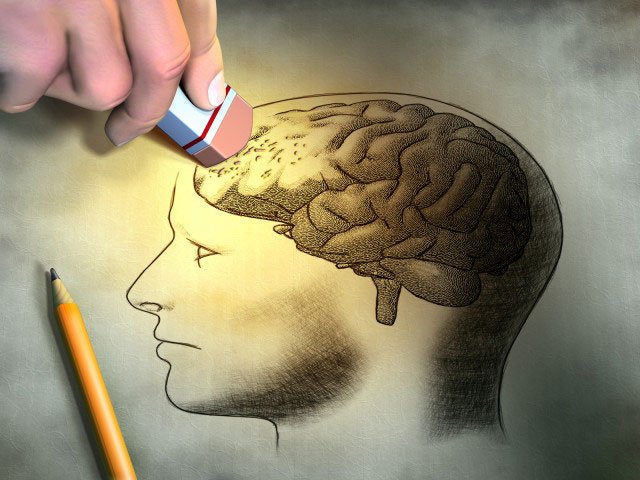
Vitamin B12 is necessary for the production of myelin, a substance responsible for the adequate functioning of the brain and the condition of nerve cells. The interrelated deficiency of these components leads to a deterioration in cognitive processes, namely memory and thinking.
If forgetfulness is permanent, if you notice that it is difficult to form a logical chain of thoughts, it's time to sound the alarm!
Remember that chronic vitamin B12 deficiency can cause early dementia!
6. Depression and mood swings

Vitamin B12 is involved in the production of serotonin and dopamine, which are also called “happiness hormones”.
Therefore, when this vitamin is deficient, there are:
frequent changes of mood,
debut or exacerbation of depression,
unreasonable anxiety,
irritability,
anxiety,
tearfulness.
7. Tingling and numbness

Each of us is familiar with the situation when an arm or leg first becomes numb (“suffers”), and a minute later the limb seems to be pierced by needles.
If the described sensations are rare in your life, do not worry (especially if you experience these feelings after a long and uncomfortable static position of your arms or legs).
But if “electrical shocks” penetrate your body regularly, it can signal anemia or nerve cell damage due to a lack of vitamin B12.
Ignoring this symptom can cause damage to the spinal cord, visual and peripheral nerves over time.
8. Visual impairment

Against the background of vitamin B12 deficiency (especially chronic), optic neuropathy may develop, characterized by the following symptoms:
double vision,
shadowing,
blurred and blurred vision,
temporary blindness.
This is due to damage to the optic nerve, which is involved in transmitting a signal from the retina directly to the brain.
It is important to note that this pathology is reversible if vitamin B12 is replenished.
Read also: The content of B vitamins in foods
9. Pale and yellow skin

Vitamin B12 deficiency destroys some of the red blood cells, the red blood cells that give the skin a healthy pink color, causing the skin to turn pale.
In addition, the lack of red blood cells leads to the release of a bile pigment called bilirubin, the excess of which gives the skin and eye whites a yellow tint.
10. Tongue inflammation
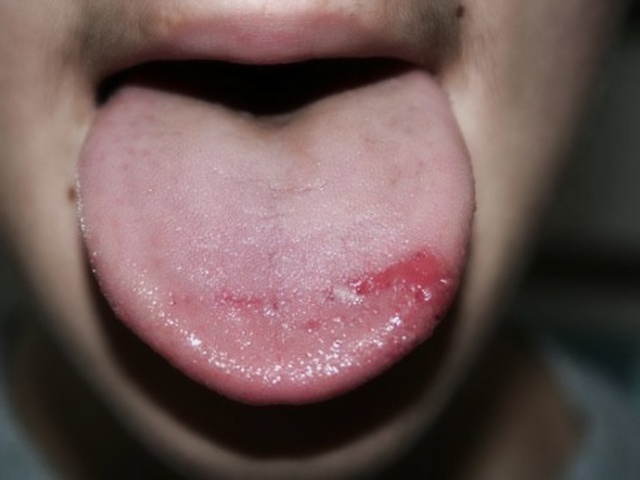
An inflamed and swollen tongue, on the surface of which the number of taste buds decreases, is one of the early signs of vitamin B12 deficiency. Since taste buds contain taste buds, the foods consumed seem less tasty or even tasteless.
In addition, with this type of vitamin deficiency, the tongue changes its color (becomes more red), pain occurs during meals, and speech may be impaired.
In some cases, vitamin B12 deficiency can trigger tongue cancer!
11. Stomach problems

Constipation, loss of appetite and flatulence may be due to vitamin B12 deficiency, which regulates the functioning of the gastrointestinal tract.
12. Heart problems
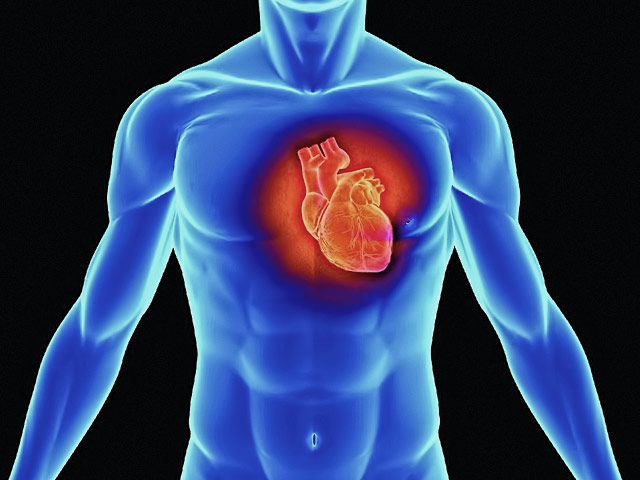
When vitamin B12 is deficient, due to the destruction of red blood cells circulating in the blood, the oxygen content in the tissues decreases, while to maintain the normal functioning of the body in such “extreme” conditions increase cardiac output.
The result: tachycardia, lower blood pressure and stroke when the process is chronic.
13. Nail and hair problems

With reduced red blood cell production due to vitamin B12 deficiency, hair and nails lose oxygen.
Thus, hair loses its healthy shine, becomes thin, splits, grows slowly and falls out (up to baldness), and dandruff appears.
Nails also react negatively to the lack of this vitamin, becoming thinner, breaking and exfoliating. In addition, the nail plates become matte, white or yellow stripes appear on them, and the holes disappear.
Vitamin B12 deficiency treatment

It is important to know that the human body is not able to synthesize vitamin B12 on its own. Therefore, its only source is animal products, namely:
fish and seafood (salmon, sardine, tuna, cod, shrimp),
red meat (especially beef liver and kidneys), chicken and turkey
meat,
dairy products (milk, cottage cheese, yoghurt),
cheeses,
eggs (especially yolk).
Vegans and raw foodists should include nutritional yeast, vitaminized milk and tempeh in their diet to provide the body with vitamin B12.
In some cases, with severe vitamin B12 deficiency, oral medications or injection treatment may be prescribed.
Take care of your health and listen carefully to the signals that your body gives in order to detect vitamin B12 deficiency in a timely manner and make up for it!