
 Health
Watch videos, If you're too lazy to read
Watch videos, If you're too lazy to read
Content:
What is vitamin C?
Symptoms of vitamin C deficiency in the body
1. Bruising
2. Slow wound healing
3. Gum bleeding
4. Dry and brittle hair and nails
5. Redness and dryness of the skin
6. Nosebleeds
7. Weakened immunity
8. Joint pain and inflammation
9. Fatigue and depression
10. Weight gain
List of foods that have the most vitamin C
Everyone has heard about the benefits of vitamin C, but what it is for and how it is deficient could affect your health?
What is vitamin C?
Vitamin C (or ascorbic acid) is an essential compound for the body that is necessary for tissue growth and the regulation of regenerative processes.
It is this vitamin that stimulates the production of collagen, which is involved in the production of epidermal cells, blood vessels, bones and joints, muscles and ligaments.
In addition, vitamin C helps accelerate wound healing, maintains healthy bones and teeth, and is responsible for the absorption of iron.
As a powerful antioxidant, ascorbic acid helps reduce the negative effects of free radicals, thereby preventing the development of diseases such as cancer and cardiac pathologies vascular system.
A disease caused by acute vitamin C deficiency
However, chronic vitamin C deficiency (for 3 months or more) can lead to the development of a deadly disease called scurvy.
The following factors can lead to a lack of ascorbic acid:
Malnutrition and unbalanced diets that limit the intake of vitamin C into the body.
Poor vitamin C digestibility caused by diseases of the gastrointestinal tract, hyperthyroidism and malignant neoplasms.
Accelerated removal of ascorbic acid from the body due to high physical activity, metabolic disorders or kidney diseases.
Smoking and drinking alcohol: The harmful substances found in tobacco and alcohol prevent the normal absorption of all nutrients, including vitamin C.
Constant stress and chronic lack of sleep, which lead to the fact that ascorbic acid is consumed very quickly.
Long-term use of antibiotics, hormonal drugs and antidepressants also reduces vitamin C absorption.
The fact that your body is not getting enough vitamin C will be indicated by the signs that will be discussed later.
Read also: Vitamins A, C, D, E, F and K: benefits, content in foods
Symptoms of vitamin C deficiency in the body
1. Bruising

If bruises (or bruises) occur as a result of trauma (for example, when falling or hitting), this is quite natural and natural, because the capillaries located under the skin surface break and burst, leading to hemorrhage.
BUT! If the number of bruises on your body increases day by day without you even knowing where they might have come from, this may indicate a lack of vitamin C, one of the functions which is to strengthen the vascular walls (capillaries).
2. Slow wound healing

Vitamin C contributes to the production of collagen, which is the basis of the body's connective tissue and ensures its strength and elasticity. When insufficient amounts of collagen are produced, the wound healing process slows down significantly.
In addition, ascorbic acid is an excellent antioxidant that fights infections, which also has a positive effect on rapid wound healing.
3. Gum bleeding
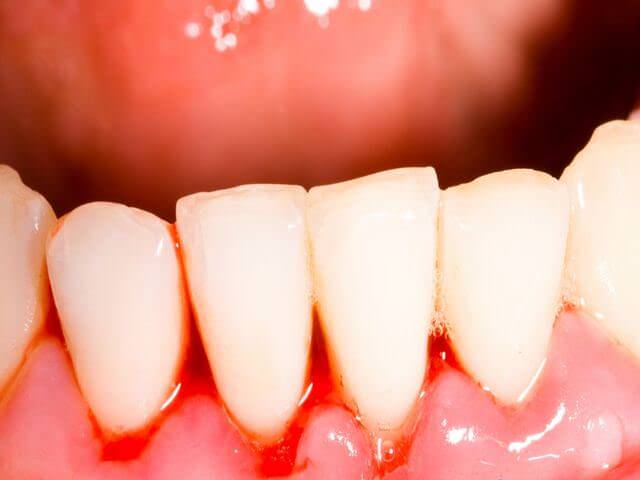
If the gums often bleed and swell, if small sores that do not heal regularly form in the mouth, this may indicate a low production of collagen by the body, which is due to vitamin C deficiency.
These symptoms should not be ignored, as their progression may indicate the development of such a dangerous disease as scurvy, in which teeth rot and fall out.
4. Dry and brittle hair and nails

Shiny hair and strong nails are an indicator that you are eating right and balanced.
If your hair has lost its radiant and healthy appearance, looks dry and split, grows slowly and falls out in large quantities, it's time to think about your diet, which is clearly not enough ascorbic acid.
Another confirmation of vitamin C deficiency is brittle nails, dotted with furrows.
The fact is that vitamin C promotes collagen production and improves the body's absorption of iron, namely, these substances ensure the beauty and health of hair and nails.
Read also: The content of B vitamins in foods
5. Redness and dryness of the skin
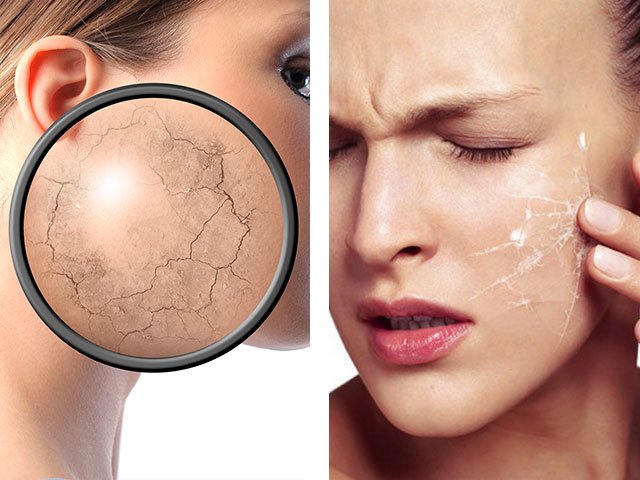
Collagen is responsible for the firmness, elasticity and beauty of the skin. Therefore, when it is not enough, the skin becomes rough, dry and flabby, and wrinkles form prematurely.
Adding enough vitamin C to your diet will help restore your skin to a radiant and well-groomed appearance.
Having an antioxidant effect, ascorbic acid reduces the negative effects of ultraviolet rays and the risk of sunburn, and also helps to retain water in the epidermis, thereby preventing skin dryness.
6. Nosebleeds

Blood vessels in the nose, when they burst, form nosebleeds. Most often this is due to the fragility of capillaries, which require vitamin C to strengthen.
BUT! Remember that nosebleeds can indicate many other serious pathologies, so do not delay your visit to the doctor if you have regular nosebleeds.
7. Weakened immunity

Ascorbic acid stimulates the production of white blood cells that fight bacteria and viruses and ensure the full functioning of the immune system. It helps to strengthen the body's defenses and the antioxidant effect of vitamin C.
Therefore, when this vitamin is deficient, the body is susceptible to bacterial and infectious diseases.
Recent studies show that vitamin C alone cannot prevent colds, but can speed up the healing process.
8. Joint pain and inflammation
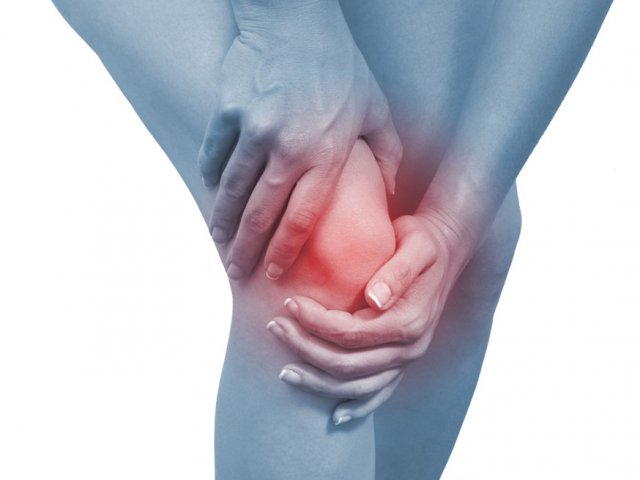
Joint pain and joint inflammation can be signals to revise your diet.
One study showed that people with low levels of ascorbic acid are 3 times more likely to develop rheumatoid arthritis than those whose diet includes foods rich in this vitamin. And the reason for this is the body's insufficient production of collagen.
9. Tiredness and depression

Scientists have identified a relationship between a person's psychoemotional state and vitamin C. Thus, the normalization of the level of ascorbic acid in the body led to an improvement in mood in 34% of patients diagnosed with chronic fatigue, anxiety and depression.
10. Weight gain

Vitamin C deficiency leads to a slowdown in metabolism, as a result of which the intensity of fat burning is significantly reduced, which leads to rapid weight gain and an increase in waist size.
With enough ascorbic acid, our body uses fat as a fuel source, not only during physical activity, but also at rest, which helps not only get rid of extra pounds, but also maintain weight within normal limits.
List of foods that have the most vitamin C

Since the human body does not produce or store vitamin C, it is necessary to replenish it daily. Thus, an adult needs to receive at least 65 mg of vitamin C per day to keep all systems and organs functioning normally. How do I do this?
First, you should eat foods that contain sufficient amounts of ascorbic acid, namely:
citrus fruits (oranges, grapefruit, lemon, lime, pomelo),
berries (strawberries, raspberries, blueberries, cranberries, black currants, rose hips),
kiwi,
green apples,
broccoli,
tomatoes,
bulgarian pepper,
cauliflower,
sauerkraut,
leafy greens,
sorrel,
spinach,
green peas,
grapes.
It's important! During heat treatment, the vitamin C content in vegetables and fruits is reduced by more than 50%. Ascorbic acid is also destroyed when food is cut.
Secondly, in order to avoid vitamin C deficiency, it is necessary to:
give up bad habits such as smoking and drinking alcohol;
minimize stress, under which the body works intensively and consumes reserves very quickly vitamin C;
normalize sleep, as lack of sleep significantly increases the production of stress hormones, which leads to an overuse of ascorbic acid.
A balanced diet, good sleep at least 7 hours a day,
reducing stress factors and giving up bad habits will improve the body and
prolong youth!