
 Science
The Curiosity rover may have found evidence of life on Mars. The rover's instrument has recorded mysterious methane emissions that have no explanation yet.
Scientists aren't sure what caused these emissions, but it could be small organisms that look like bacteria.
If the gas comes from living organisms, this could be the biggest discovery in history.
On Earth, 95 percent of methane comes from microorganisms, but there are also non-biological processes that contribute to gas production.
Curiosity rover in 2014
Previous observations have also recorded methane jets on the planet, but not as unusual as Curiosity's instruments in Gale Crater, where water once existed billions of years ago.
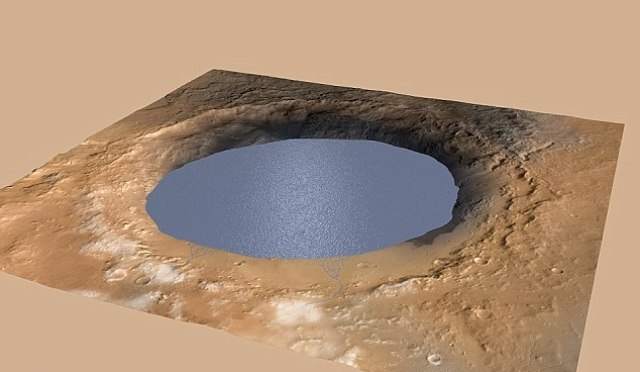
Last year, experts conducted research and came to the conclusion that Gale Crater once had an ancient freshwater lake, which was able to create favorable living conditions.
The rover has been sniffing methane in the atmosphere for the past 12 months. At the end of 2013 and early 2014, the amount of methane increased sharply and then decreased.
Curiosity found a low background level of methane that rose sharply by more than 10 times over a period of 60 Martian days.
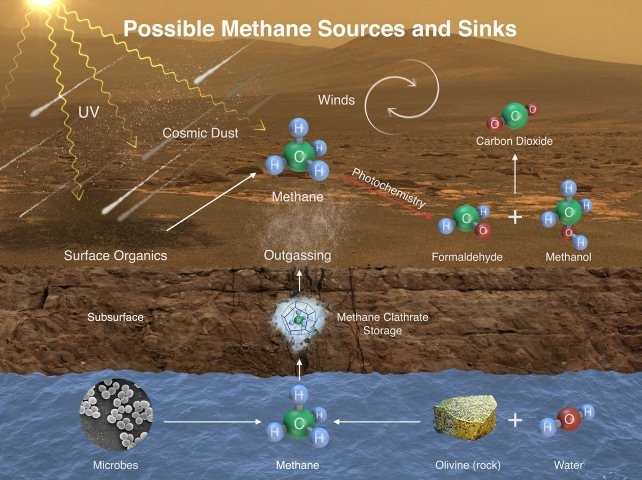
Possible ways methane may have escaped or disappeared from Mars' atmosphere.
On average, the amount of methane in the Martian atmosphere is about 0.69 parts per billion by volume, but over the past year this level has risen to 7.2 parts per billion 4 times.
The emissions were at a distance of about 200-300 meters from each other. When the Curiosity rover traveled another kilometer, the high methane levels disappeared.
The latest news from the Curiosity rover
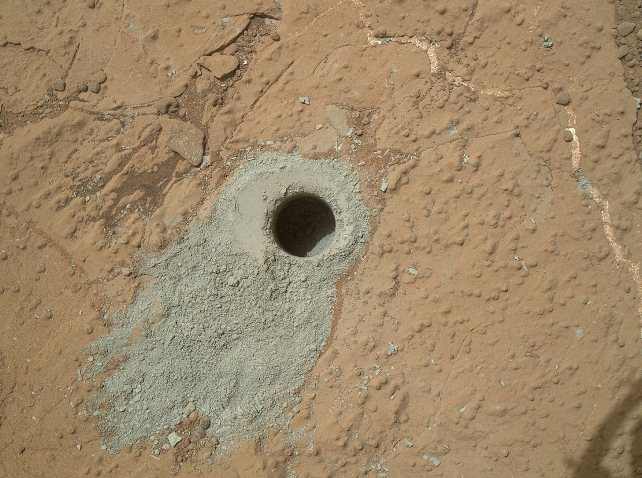
Another discovery was made by the rover when it drilled into a rock called Cumberland to find water there. The water was found in a bound form in the fine-grained soil of Gale Crater, which was formed after the meteor hit 3.5 billion years ago.
For every 0.03 cubic meters of Martian soil, there was about 1 liter of water, not freely available, but tied to minerals.
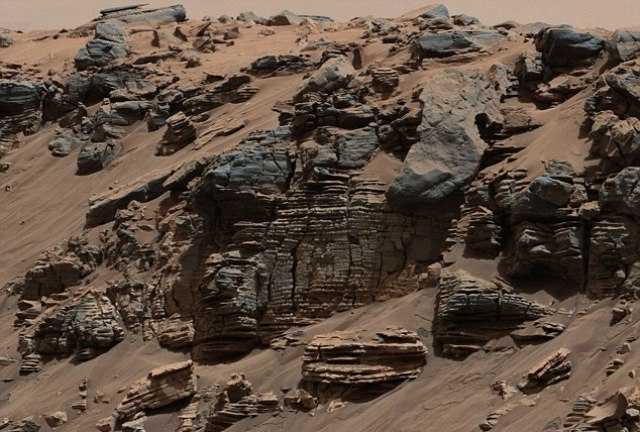
In addition, the first organic molecules were found in the sample. These organic molecules may have either formed on Mars or have been brought to the planet by meteorites.
Read also: Mars may still be inhabited
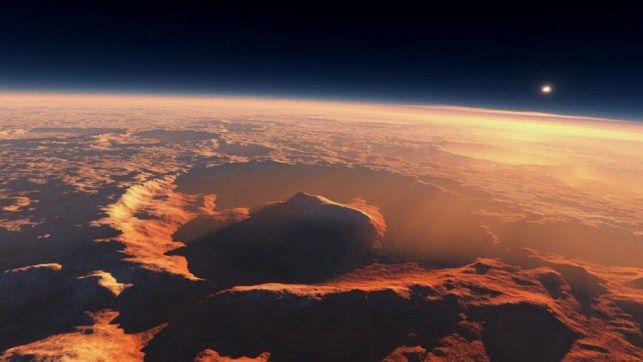
The Curiosity rover will soon begin climbing Mount Sharpe, 5,500 meters high, in the center of Gale Crater, and scientists hope this will shed light on Mars' history.