 Events
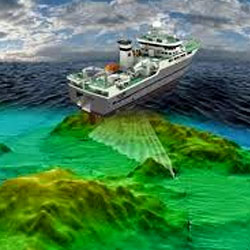
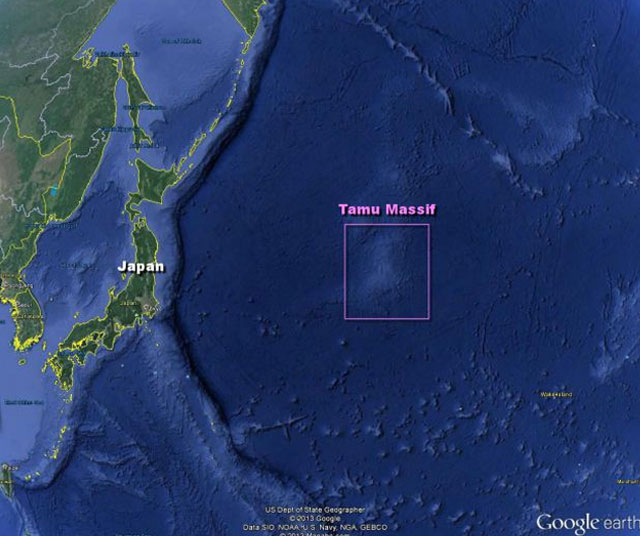
A huge volcano, comparable in size to the British Isles, has been discovered on the bottom of the Pacific Ocean. The Tamu Massif is located 1,500 kilometers off the coast of Japan along the Shatsky Upland. The top of the massif is about 2,000 meters deep and about 650 kilometers long.
After studying rock samples, scientists from the University of Houston have suggested that this huge mountain is actually a volcano that formed the Shatsky Hills 130-145 millions of years ago. Most likely, this is the largest volcano in the solar system, even less wide than Mount Olympus on Mars.
11 interesting facts about volcanoes
The Tamu Massif is the largest part of the Shatsky Upland, which was formed after the eruption of several underwater volcanoes. So far, researchers have not been sure whether Tamu is a single volcano or this group of volcanoes.
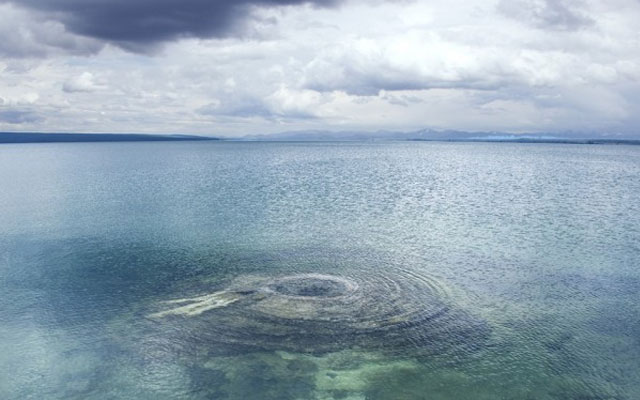
Scientists studied samples and collected radar data, after which they were able to prove that the huge mass of basalt that makes up the mountain erupted from a single source near the center. Now there is no doubt that the Tamu Massif is currently the largest single volcano on Earth.
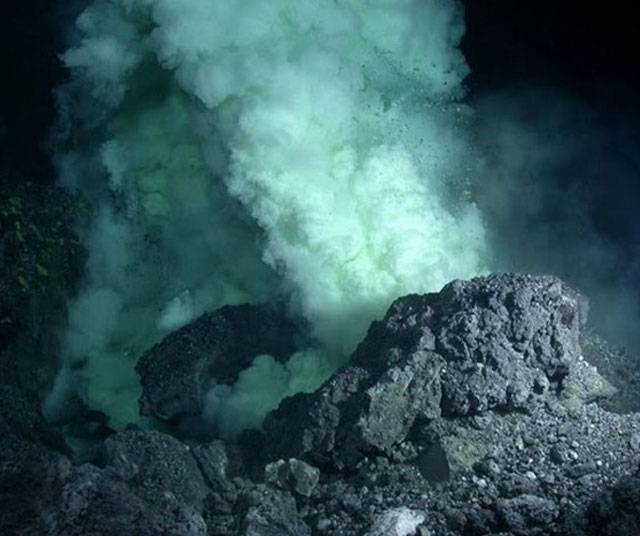
The Tammu Massif differs from other underwater volcanoes not only in size but also in its unusual shape. It is quite flat and wide, which means that lava flows must have traveled much longer distances during the eruption compared to other volcanoes. Most underwater volcanoes are mostly small and steep.
The world's five most active volcanoes
The Tammu Massif covers an area of 310,800 square kilometres, roughly the size of Great Britain. Scientists believe that it formed about 145 million years ago, but died out several million years after that.
The biggest volcanoes in the world
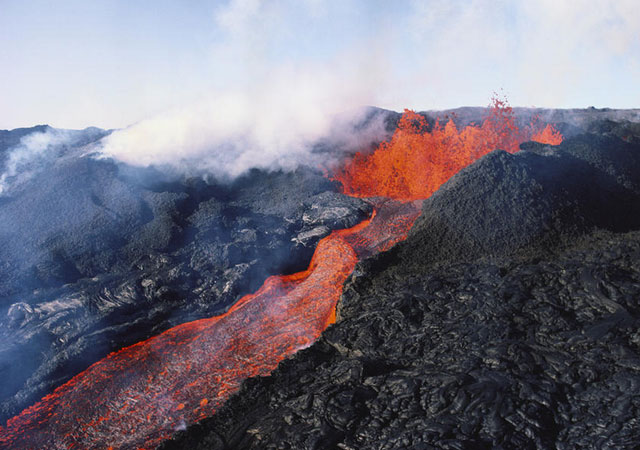
Mauna Loa. This volcano is located in Hawaii and has so far been considered the largest volcano on the planet in terms of volume. Its volume, together with its underwater part, is 80,000 cubic kilometers. The height of the mountain above sea level is 4169 meters. The volcano is active and last erupted in 1984.
Ojos del Salado. This volcano, located in the Chilean Andes, is the highest volcano on the planet. Its height is 6893 meters above sea level. No eruptions have been recorded in the history of observation, but minor emissions of sulfur and steam have been observed throughout the 20th century. The Incas revered this volcano as sacred, leaving many sacrificial altars on it.
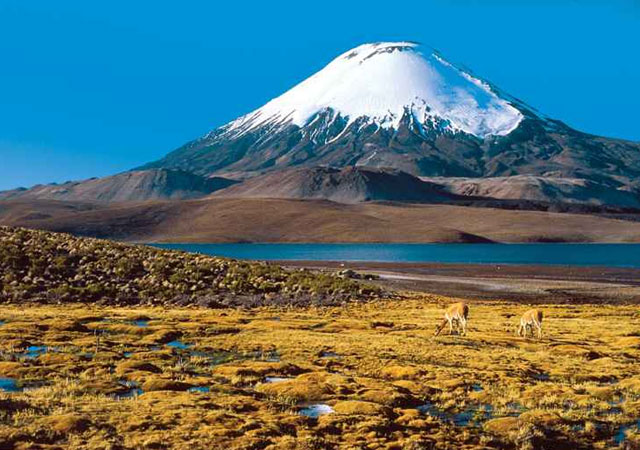
Mountaineers first climbed the summit of the Ojos del Salado volcano in 1937, and 70 years later, Chilean Gonzalo Bravo managed to climb it to an altitude of 6,688 meters in an SUV. This is the record height that the car has managed to climb.

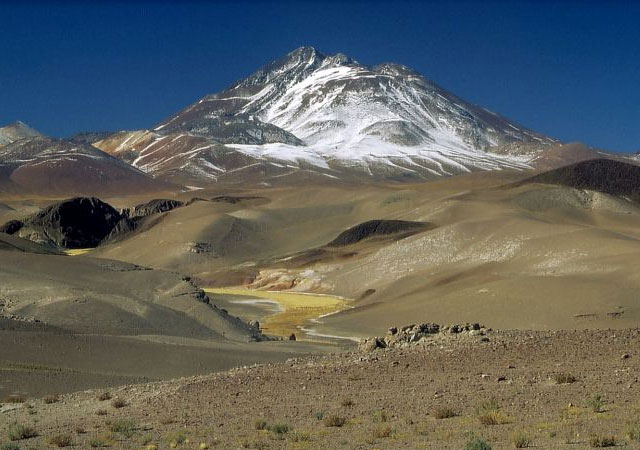
Llullaillaco. Another Andes volcano, which is 6739 meters above sea level. It is the highest active volcano in the world, last erupting in 1877.
The 10 biggest volcanic eruptions in history
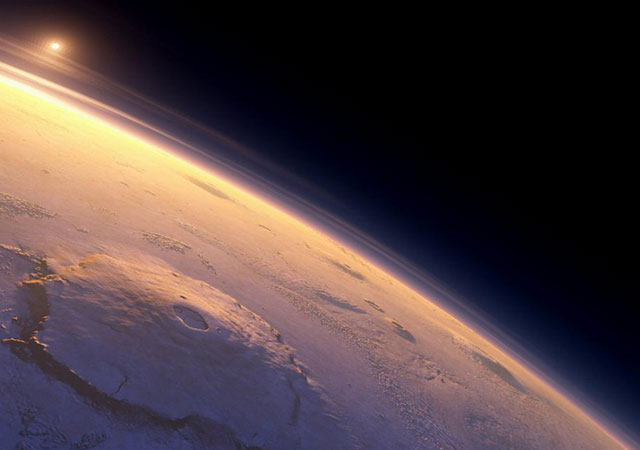
Mount Olympus on Mars. This Martian volcano is not as wide as the Tammu Massif, it is about 600 kilometers wide, but the total mass of this volcano is about 25% larger than the mass of Tamu. This mountain is considered to be the highest in the solar system: its height is 21.2 kilometers from the base.
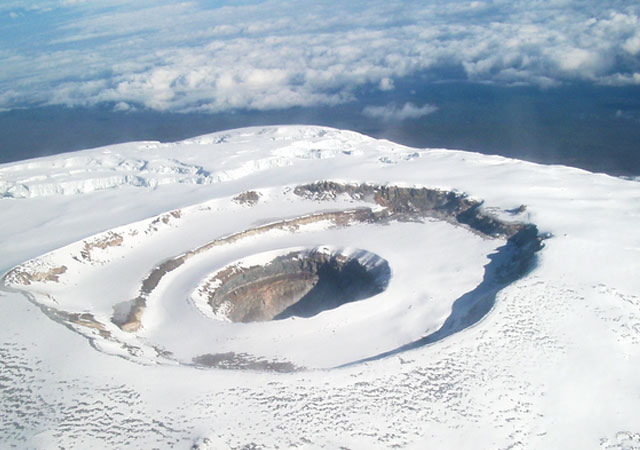
Kilimanjaro is Africa's highest volcano at 5,895 meters above sea level. It is located in Tanzania. During the history of observations, this volcano did not erupt, but its volcanic activity was mentioned 150-200 years ago.
Recently, scientists have been concerned that the Kilimanjaro glaciers are rapidly melting. There have been reports that the mountain's peak ice cap has almost completely disappeared. This phenomenon last happened 11,000 years ago.
The snows of Kilimanjaro will soon be only a memory
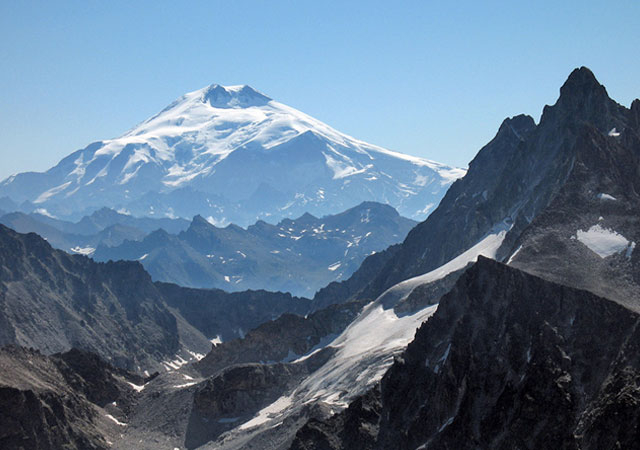
Elbrus. The highest peak in Russia, the largest volcano in the country. It is located in the Caucasus on the border of Kabardino-Balkaria and Karachay-Cherkessia. This volcano is also known as the highest mountain in Europe. The volcano's height is a maximum of 5642 meters above sea level. The last time Elbrus erupted was about 2,000 years ago, in 50 AD.