
 Events
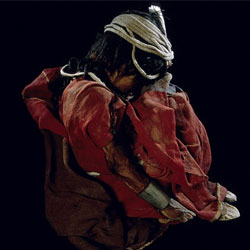
A 500-year-old frozen Inca mummy, known as “The Virgin”, suffered from a bacterial infection during her lifetime. If scientists can diagnose the disease, they will be able to learn a lot about the diseases of the past. Moreover, the discovery could help protect us against new diseases that may come to us from the distant past.
The girl suffered from a disease similar to modern tuberculosis when she was sacrificed on the slope of Argentina's Llullaillaco volcano, which is 6,739 meters above sea level.
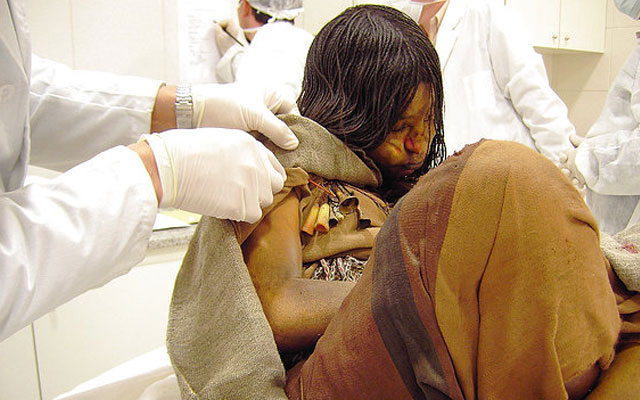
In order to take the analysis, scientists used a special new technology. They took a swab from the mummy's lips and compared it to the analysis of modern patients. This is the first time the technology has been applied to such an ancient body. “The detection of pathogens on ancient tissues is nothing new, but so far it has not been possible to determine whether the infectious agent is dormant or active,” the scientists said.
This analysis was possible due to the fact that the mummy was perfectly preserved. There are even lice in her hair. A team of researchers took tests from two Inca mummies from the Andes, buried 6,700 meters above sea level, which were discovered in 1999. Scientists compared the resulting proteins with large databases of the human genome.
The researchers found that proteins taken from the mummy of a 15-year-old girl named Virgo were similar to proteins from patients with chronic respiratory diseases. DNA analysis showed the presence of a pathogenic bacterium of the Mycobacterium family, which causes upper respiratory tract infections and tuberculosis.
Moreover, Virgo's lung x-rays showed signs of lung disease at the time of her death. Scientists discovered baby mummies in 1999. Those who found them could not believe their eyes, as the mummies were so well preserved that it seemed like these babies passed away just a couple weeks ago. Historians believe that these children were chosen by the Incas for their beauty and were sacrificed during a ceremony called Capacocha. They sacrificed children less often and chose children for this purpose because they believed that children were the purest creatures.
The Incas did not sacrifice to feed or appease the gods, but rather to “enter the kingdom of God and live in paradise with the gods. It was considered a great honor if it was possible to move on to a better life, from which the sacrificed were expected to be able to communicate with earthly society through holy shamans.”
The Incas believed that if they climbed snow-covered mountain peaks, they would get closer to heaven and be better able to communicate with the gods.
Identifying diseases in ancient remains is quite a difficult task. Especially because there is a high risk of infection. Techniques based on microbial DNA analysis have their drawbacks, as they confirm the presence of a pathogen, but cannot say whether a person has been infected with it. Scientists from the College of Criminal Justice named after A. John Jay at the University of New York found a way around this problem.
They turned to proteomics (the science of cell proteins), looking at proteins rather than DNA residues to simulate the immune system's response. Another mummy, which was found near Virgo's mummy, did not show any respiratory infections.
The new technology will help solve history's biggest mysteries, such as why the 1918 flu was so devastating. It will also help us understand future threats, such as the spread of new pathogens or the resurgence of old infections.