
 Health
Watch videos, If you're too lazy to read
Watch videos, If you're too lazy to read
Fat-soluble vitamin A has two main forms:
retinol is the most active and pre-purified form of the vitamin, the main source of which is animal food;
beta-carotene (or provitamin A) contained in plant foods.
Beta-carotene is converted in the liver, which stores vitamin A, so that the human body always has a supply of retinol, which is released as needed.
Vitamin A functions
Retinol performs a number of important functions:
supports the functioning of the organs of vision;
accelerates oxidative processes;
regenerates and maintains epithelial cells;
slows down the skin aging process;
participates in formation and growth of bone and dental tissue;
synthesizes sex hormones;
stimulates the immune system;
prevents malignant cell degeneration;
protects against effects free radicals;
stabilizes blood sugar.
The consequences of vitamin A deficiency
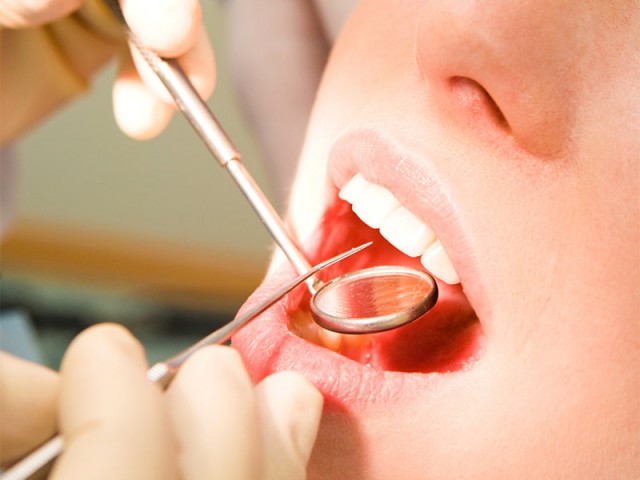
The consequences of retinol deficiency are very dangerous and include:
dermatological diseases; visual
impairment (including blindness);
dental pathologies;
diseases of the digestive system;
gynecological diseases;
mastopathy;
the formation of malignant tumors;
frequent infectious diseases due to impaired functioning of the immune system;
slowed growth and development in children;
impaired erectile function in men.
It's important! In severe cases (chronic vitamin A deficiency), the immune system is so weakened that it can not cope even with the common cold, not to mention more serious pathologies, which can lead to fatal!
Therefore, it is extremely important to monitor your diet, especially for those who are at increased risk of developing retinol deficiency. The risk group includes:
Strict vegetarians and vegans who do not eat animal food.
Patients with a history of diseases that interfere with the absorption, storage and transportation of vitamin A (including celiac disease, celiac disease, liver cirrhosis, Crohn's disease).
People who follow strict diets.
People with alcohol addiction.
What are the symptoms of vitamin A deficiency?
Read also: Vitamins A, C, D, E, F and K: benefits, content in products
Night blindness
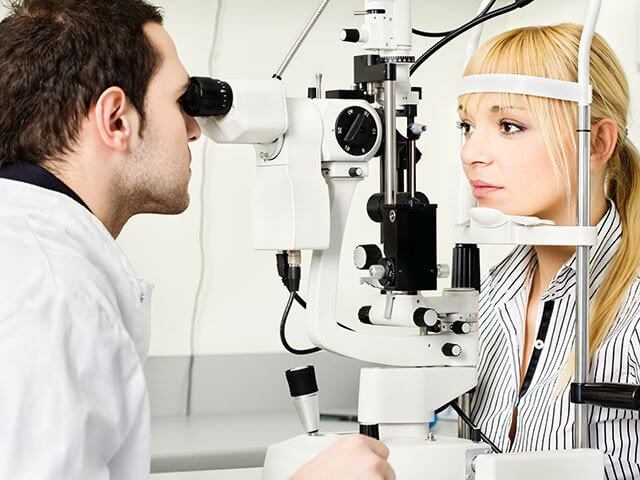
Night blindness is one of the first signs of retinol deficiency, which is involved in the production of the main visual pigment called rhodopsin.
The absence of rhodopsin leads to a marked impairment of vision at night or in dim light: objects become blurry and difficult to see. At the same time, vision is absolutely normal during the day.
It's important! Vitamin A supplementation for night blindness restores vision within two days, while prolonged retinol deficiency and its transition to severe form can lead to impaired daytime vision.
Bito spots
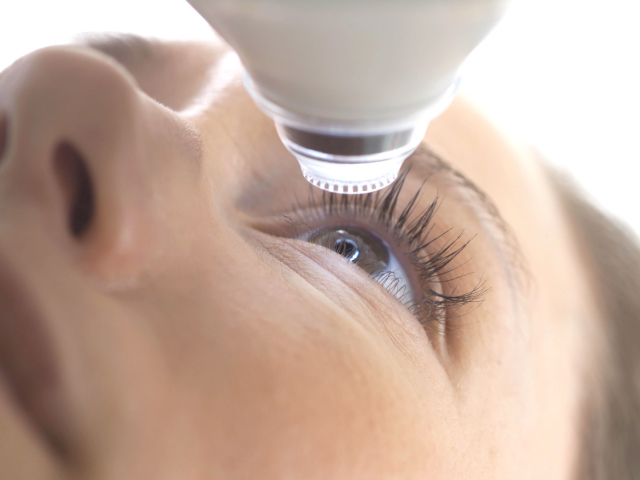
When vitamin A is deficient, cells in the conjunctiva become keratinized and look like skin rather than mucosa. In addition to an aesthetic defect, such spots impair vision, clouding it.
Retinol deficiency treatment helps get rid of Bito spots in 5 to 14 days. In rare cases, treatment takes several months.
Xerophthalmia (corneal xerosis)
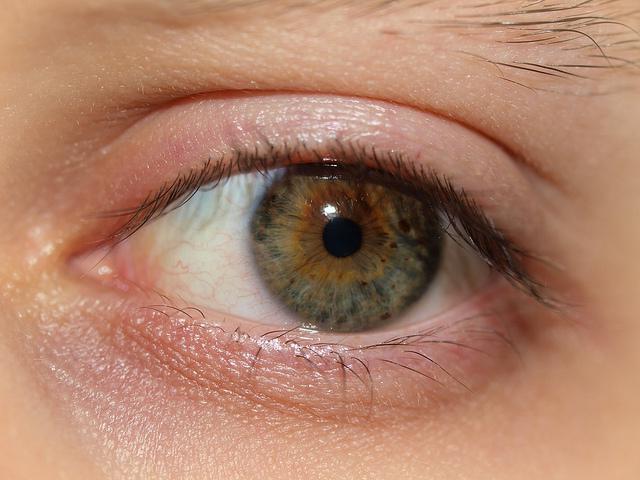
A sign of prolonged and acute vitamin A deficiency is xerophthalmia, characterized by dryness of the cornea and conjunctiva due to impaired tearing.
The absence of tears and mucus also leads to an increased risk of developing infectious eye diseases and, in severe cases, to loss of vision.
Read also: Vitamin deficiency signs that are immediately visible on your face Corneal
ulcer
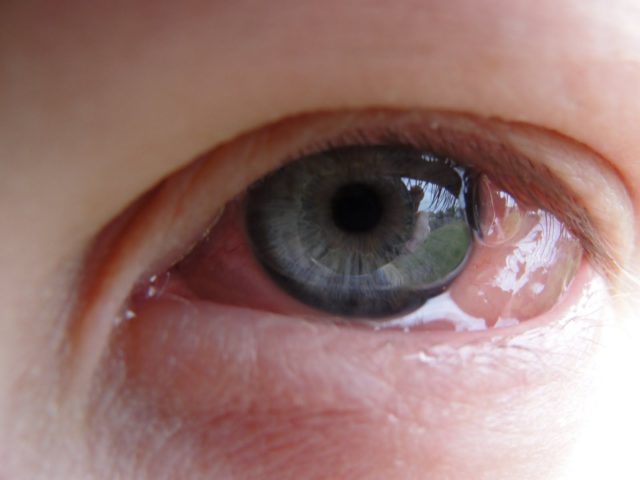
Ignoring the treatment of vitamin A deficiency provokes thinning and ulceration of the cornea.
Retinol deficiency therapy leads to the healing of superficial ulcers, where small scars remain. If the corneal ulcers are deep, a cloudy thorn forms.
Untimely treatment of vitamin A deficiency destroys the transparent layer of the cornea, which leads to swelling, thickening, melting and necrosis.
Corneal scarring
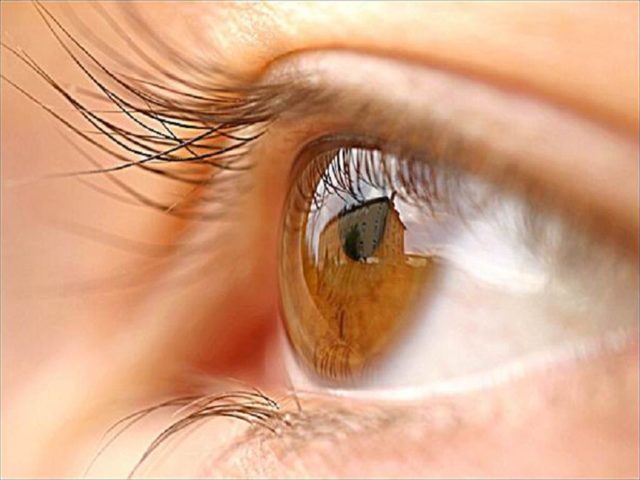
Dryness and ulceration of the cornea cause scarring and protrusion. This leads to eyeball atrophy and increases the risk of blindness.
Dry and keratinized skin
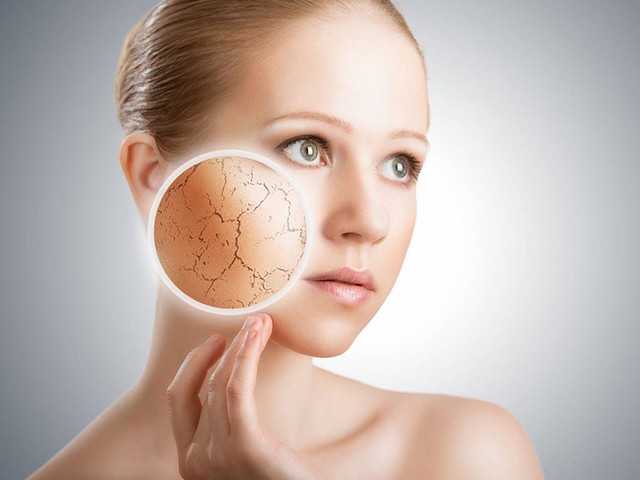
Retinol deficiency adversely affects the functioning of the sebaceous and sweat glands and has a keratinizing effect on the skin.
At first, the skin becomes dry, dehydrated and scaly. If you do not pay attention to this symptom in time and do not compensate for vitamin A deficiency, this can trigger keratinization of the skin.
Premature skin aging
Since vitamin A takes an active part in the regeneration of the skin, when it is deficient, the skin loses its healthy color and wrinkles form prematurely.
Dry lips and oral mucosa
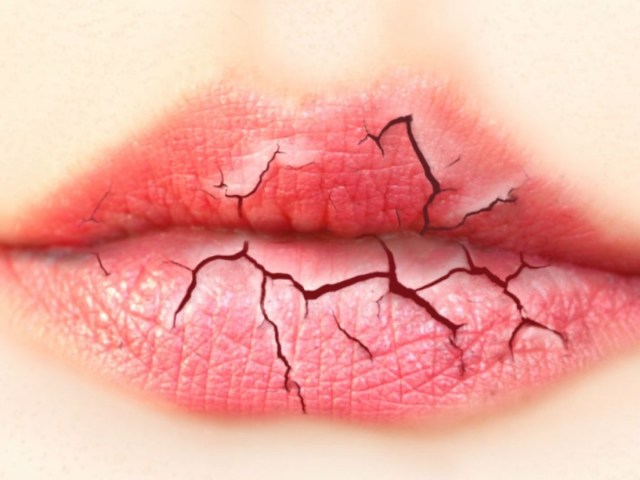
The oral mucosa and lips react to vitamin A deficiency and become dry and scaly. In addition, cracks often appear on the lips.
Read also: Vitamin A plays a key role in our body Hair
loss and dandruff

Retinol not only supports the normal functioning of the sebaceous glands on the scalp, but also regulates the production of keratin, which is the main “building material” for hair.
Therefore, when vitamin A is deficient, hair grows slowly, becomes dry, brittle and split, falls out, dandruff appears, which can cause the scalp to itch.
In addition, retinol takes part in the synthesis of pigments, for this reason, when it is deficient, the hair fades and loses its healthy shine.
Nail fragility
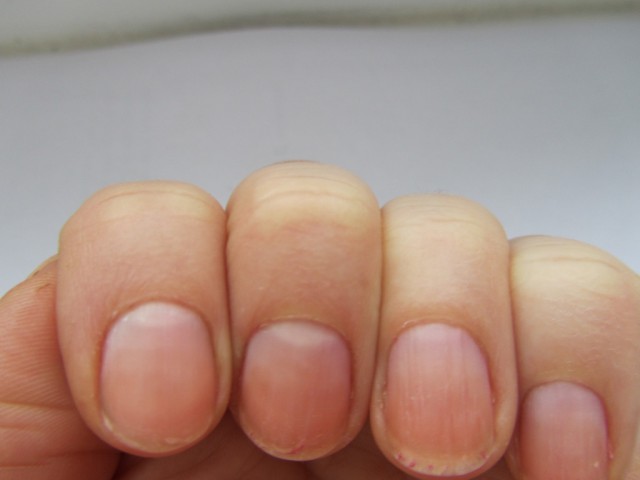
Vitamin A prevents inflammation and strengthens hair and nails.
The following symptoms may indicate retinol deficiency:
excessive dryness of the skin around the nail plate;
fragility and delamination of the nails;
thickening of the edges of the nails; the
appearance of small furrows on the nail plates;
formation burrs.
Bleeding gums and brittle tooth enamel
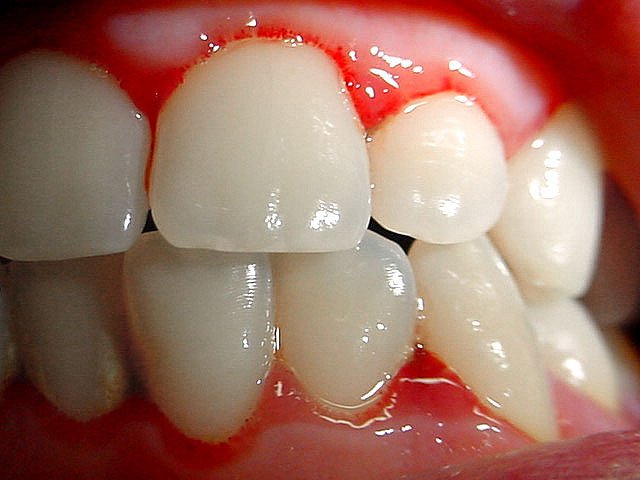
Vitamin A normalizes metabolic processes and ensures the proper formation of bone structures. Therefore, when it is deficient, the following symptoms are observed:
inflammation and looseness of the gums; tooth
mobility;
destruction of tooth enamel, which forms microcracks, which subsequently leads to caries;
tarnishing of tooth enamel.
Vitamin A deficiency treatment

In case of mild and moderate vitamin A deficiency (especially in the absence of pronounced symptoms of this pathological condition), it is sufficient to normalize the diet, namely to introduce foods with high in vitamin A.
Animal sources of vitamin A are:
beef liver;
beef;
chicken meat;
eggs (yolks);
cheeses; cod
liver; fatty
fish;
butter;
fat milk.
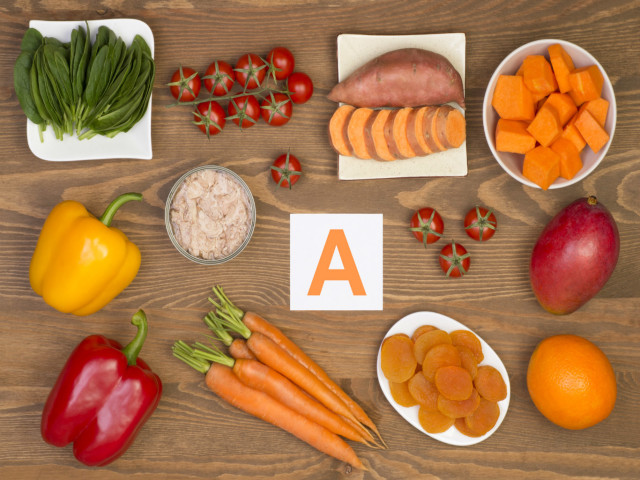
Among the plant sources of vitamin A, the following should be noted:
carrot;
leafy greens;
wild garlic;
mango;
peach;
pumpkin;
apricot;
orange;
potatoes;
broccoli;
cabbage of all kinds;
red pepper;
melon.
Severe retinol deficiency is treated with oral supplements.
In addition, pharmaceutical vitamin A in liquid form can be used as a component of products for strengthening, regenerating and growing nails and hair.
It's important! Treatment of vitamin A deficiency and diet correction are carried out exclusively under medical supervision, since an overdose of this vitamin leads to liver enlargement, skin coarsening, dry hair and increased ESR!