
 Health
Watch the video, If you are too lazy to read
Watch the video, If you are too lazy to read
Although vitamins are not a building material for the body, they are still vital for maintaining the full functioning of all systems and organs, since they perform a number of important functions:
participate in
hematopoiesis, regulate metabolism,
normalize the functioning of the nervous, cardiovascular, immune and digestive systems,
actively participate in the production and the work of enzymes,
promote the production of hormones,
increase immunity, and
ensure the beauty of the skin, hair and nails.
It is not surprising that the deficiency of certain vitamins has a negative effect on the functioning of the body as a whole. But how do you recognize vitamin deficiency?
The most correct option is to visit a doctor and take tests. Although often our body itself signals a lack of certain vitamins. Therefore, it is enough to listen to your feelings and look closely at the changes that occur in the body to suspect vitamin deficiency. At the same time, special attention should be paid to the condition of the skin, nails and hair.
What vitamins does the skin lack?

Skin is an indicator of human health in general and vitamin balance in particular. It is this organ that primarily reacts to the lack of vitamins, minerals and other construction and nutrients.
Dry and pale skin, early formation of small and large wrinkles on the face, goosebumps in the thighs and shoulders may indicate a deficiency of nicotinic acid, as well as vitamins E and A.
Oily scaly skin is a sign of vitamin B12 deficiency.
Acne and the appearance of pigment spots signal a lack of fat-soluble vitamins A, E, D, K, F.
A yellowish unhealthy skin tone is a reason to think about increasing foods containing vitamin B12 in the diet.
Slow wound healing and frequent bruising may indicate vascular fragility caused by a lack of vitamins P and C.
Dermatoses of various origins that occur with itching can be the result of a deficiency of B vitamins and a lack of iodine.
Dry and reddened skin in the nasolabial triangle and forehead is a deficiency of vitamin B6.
Skin rashes can be the result of prolonged constipation caused by a lack of B vitamins.
To eliminate skin problems, you must include the following foods in your diet:
nuts,
wheat bran,
vegetable oils (especially olive oil),
natural yoghurts,
orange and red vegetables,
eggs,
liver,
citrus fruits,
avocados,
seaweed, fatty
fish and seafood,
meat,
green tea.
Read also: Vitamins A, C, D, E, F and K: benefits, content in foods
What vitamins does hair lack?

If the body receives enough vitamins, the hair looks healthy, elastic and shiny. Vitamin deficiency makes hair dry, brittle, split and dull.
Excessive oily hair is a sign of a lack of vitamins PP and B2 (or riboflavin).
Dry scalp that is itchy signals a deficiency in vitamin E and B vitamins that nourish the scalp.
If hair falls out profusely, include foods rich in folic acid and vitamin A.
One of the causes of dandruff may be a lack of vitamins B12 and B6.
By inflammation of the hair follicles on the scalp, the body signals vitamin A deficiency.
The early appearance of gray hair, which looks dull and lifeless, can be triggered by a deficiency of B vitamins.
Slowing down hair growth is a sign of vitamin E deficiency.
The following products will benefit your hair:
bananas,
soy,
dairy products, sunflower
seeds,
bran,
kiwi,
nuts,
liver,
sea fish,
spinach,
legumes.
See also: The content of B vitamins in foods
What vitamins do nails lack?
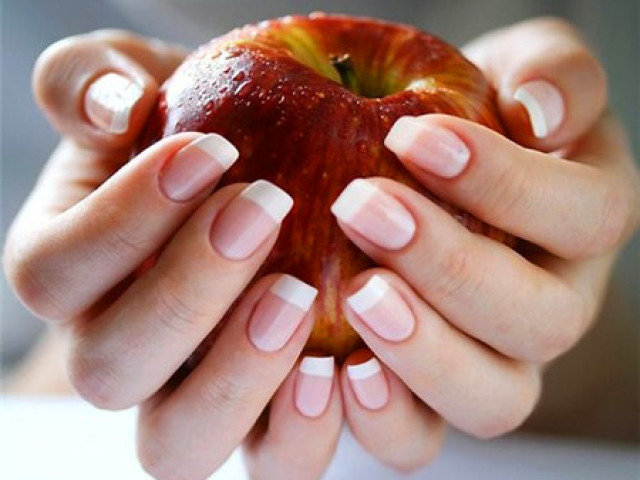
If the nails grow well, the nail plate is smooth and pink, and the skin of the periungual bed does not have cracks and burrs, this means that your body is fully provided with all vitamins and microelements.
The stratification of the nail plate in combination with the yellow tint of the nail is a sign of a deficiency of biotin and vitamin C, calcium and magnesium.
Deep burrs indicate a lack of biotin, vitamins A and E.
The formation of white spots on the nails indicates a lack of niacin (or vitamin B3).
If yellow furrows appear on the nail plate, then your body lacks vitamin B1.
The yellowing of the nail plate eloquently indicates a lack of vitamin C.
The curvature of the nails and their fragility are a signal of a deficiency of vitamins A and B6.
Slow nail growth may be due to a lack of vitamin B3 or poor calcium absorption.
The thickening of the perimeter of the nail is due to a lack of vitamin A.
Products needed to maintain nail beauty:
cod liver,
fish and seafood,
dairy products,
eggs,
carrots,
nuts,
citrus fruits,
white mushrooms,
broccoli,
pumpkin seeds,
persimmons,
seaweed,
oatmeal and buckwheat,
cucumbers.
I must say that the eyes and the condition of the oral cavity, and not just hair, skin and nails, can tell about health problems.
Read also: What happens when there is a shortage of B vitamins and how to deal with it?
What vitamins do the eyes lack?

Do “flies” flash in front of your eyes during sudden movements? The reason may lie in a lack of vitamin D.
Can't you see in the dark? This is a sign of impaired twilight vision, which may be due to vitamin A deficiency.
If the eyelids often become inflamed, barley forms regularly, and there is a burning sensation, itching and “sand in the eyes”, your body loses both vitamin A and vitamin D.
Circles under the eyes and protruding capillaries in the eye sclera are signs of a deficiency of B vitamins and routine (or vitamin P).
The following products will help eliminate the deficiency of these vitamins and generally improve vision:
blueberries, green, yellow and orange
vegetables and fruits (especially carrots, pumpkins, apricots),
fish oil,
cottage cheese,
spinach,
broccoli,
onion,
garlic,
black chocolate.
Vitamins for the oral cavity
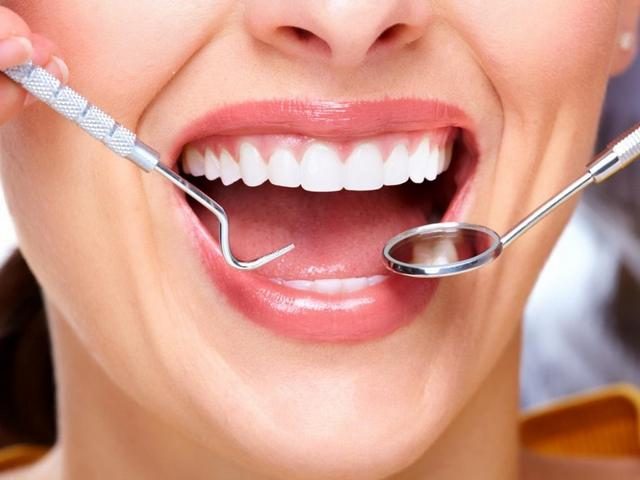
The condition of the mucosa, tongue and gums will help not only detect vitamin deficiency, but also determine which vitamin the body lacks.
Did your tongue turn red for no apparent reason? You probably don't have enough vitamins B6 and B9.
Is your tongue cracked and sore? It is possible that you are deficient in vitamin B3.
If the tenderness of the tongue is accompanied by a burning sensation
and occurs due to peeling lips, vitamin B2 deficiency may be the cause.
A painful but smooth tongue may indicate a lack of folic acid (or vitamin B9).
Frequent seizures on the lips, combined with swelling of the tongue, may indicate vitamin B deficiency.
The cracked corners of the lips and the mucous membrane of the tongue are signs of a lack of vitamins C, H and PP.
Cracked lips are one of the manifestations of vitamin B2 deficiency.
If your gums often bleed and become inflamed, look out for foods that are high in vitamins C and D.
In addition, vitamin deficiency may cause changes in taste preferences and sensations.
If you always want sweets, your body may lack vitamins A and E, as well as elements such as magnesium and phosphorus.
If you have a love for fatty foods, this may indicate calcium and vitamin D deficiency.
Can't live a day without flour products, although you used to be indifferent to them? Your body lacks fat-soluble vitamins and nitrogen.
A constant feeling of hunger is a sign of a lack of tryptophan, which is found in bananas, dates, dairy products and meat.
Carefully monitor all the changes that occur in your body, do not ignore its signals and do not delay going to the doctor. Remember that you can't buy health for any money!