
 Health
Watch video If you are too lazy to read
Watch the video if you're too lazy to read
Hippocrates also said that “we are what we eat”. After all, food is necessary for a person not only to satisfy hunger, but also for the full and healthy functioning of the whole body.
Ayurvedic teaching promotes the same principle. Ayurvedic people believe that the most modern and effective treatment will be useless if you do not eat right, because healthy food is a kind of medicine.
We'll talk about how to eat right later.
Basic Ayurvedic dietary rules
Eat only when you are hungry, because the absence of digestive fire will prevent digestion fully digest the food eaten.
Do not cook or eat food if you are in a bad mood, if you are irritated or depressed, because negative emotions and fatigue reduce the fire of digestion. Food prepared with love charges us with positive energy and has a beneficial effect on the body as a whole.
Wash your face and hands immediately before eating (ideally, wash your feet where negative energy accumulates).
Before eating, chew a small piece of ginger, which will not only help digestion, but also cleanse and refresh the tongue, which will allow you to experience the entire taste palette of the foods you eat.
Eat while sitting facing east to get the most energy from your food. According to Ayurvedic teaching, eating south leads to loss of energy.
During your meal, don't be distracted by talking or watching TV. Focus on eating and chewing it thoroughly.
Remember that good company, a clean and cozy atmosphere also help to improve the digestive process.
If you don't like the dish in appearance, taste or smell, discard it: the food should be fun, otherwise it won't be useful.
The food should be juicy and buttery, not too bitter, salty, spicy, spicy or hot.
Don't overeat. Ideally, after eating, you should feel like you could eat another similar portion of food. Ayurveda says that after eating, the stomach should be half full of food, a quarter with liquid, and another quarter with empty space. Only if this ratio is met will good digestion be ensured.
The amount of food you eat at one meal should be equal to the volume of your two palms when folded together.
Each time after meals, drink 250 ml of whipped low-fat yogurt without additives, diluted with purified water in a 1:1 ratio. Regular consumption of this drink normalizes digestion.
Do not go to bed within two hours after eating so as not to disrupt the initial digestion of food. It is better to spend this time walking in the fresh air. Intensive physical activity during this period should also be avoided.
Do not take water treatments after meals.
Avoid eating before sunrise as well as after sunset. It is especially harmful to eat at dusk.
Do not snack at least 3 hours before meals (in general, in Ayurveda, the interval between meals is about 6 hours).
Cook your food a maximum of 2 hours before eating it. The food should be warm, but not warmed up. Ayurveda does not recommend eating yesterday's and the day before yesterday's dishes. Cold water and food weaken the digestive process.
The best time for Ayurveda breakfast is 6 a.m. The main meal should be at noon. Between 6 pm and 10 pm, you should stop eating. If you are hungry during this period of time, you can satisfy it by drinking milk with spices.
Eating should take place while sitting, lying down or standing.
In the evening, you should not eat fried, sour and salty foods.
Your daily diet should consist of familiar foods familiar from childhood. Exotic and rarely consumed food that does not match the season and place of residence can cause digestive disorders.
To enrich ordinary food with different flavors and improve its digestion, Ayurveda recommends using spices in small quantities, taking into account their combination with certain foods.
Don't skimp on your meals! Buy high-quality and fresh products!
The diet should be designed for each person individually, taking into account their constitution, concomitant diseases, occupation and place of residence. However, it is possible to identify a number of foods that should be present in the daily diet of every person who wants to be healthy.
These products include:
vegetables,
fruits,
berries,
dairy products,
cereals and legumes,
nuts,
spices and spices.
But meat, fish, eggs, preserves, convenience foods, frozen foods and alcohol will have to be abandoned if you are determined to switch to Ayurvedic nutrition.
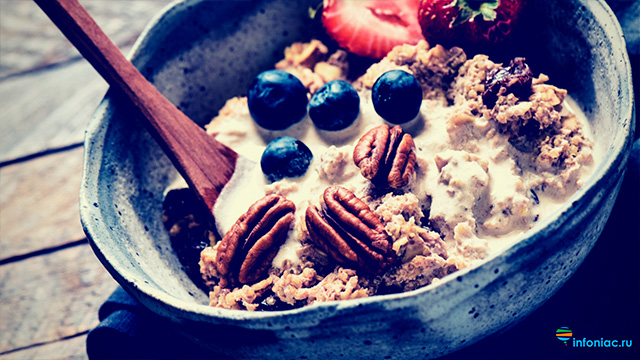
Breakfast should be light and sweet. An excellent option is milk porridge with honey, fruit or nuts. A decoction of dried fruits or dairy products will also fill you with energy in the morning and start the digestion process. Cinnamon, vanilla or anise are suitable for breakfast.
Lunch will be hearty and nutritious if you include legumes and cereals, cheese, baked fruits, and oil-fried vegetables in the menu.
You can have dinner with vegetable stew and buckwheat. You should not eat too much spices at night.
The drinking regime recommended by Ayurveda deserves special attention.
The water consumption rate comes down to one single rule: you only need to drink purified water when you are thirsty. At the same time, the water should not be cold.
If you want to get rid of extra pounds, it is recommended to drink before meals.
If your task is to maintain weight, then you should drink while eating.
If you need to gain weight, it is better to drink after eating.
And one more thing: you can not suppress hunger by drinking fluids, thereby creating an imbalance in the body.
Read also: Ayurveda: What is it? Doshas Pitta, Vata, Kaphi: signs, daily routine, recommendations
Combining products in Ayurveda

The issue of combining products in Ayurveda plays an important role, since the healthiest products in combination with each other can harm the body and disrupt digestion.
It is not recommended to use:
milk with any other products (it is better to drink hot milk separately with spices),
cheeses, yogurts and industrial ice cream,
potatoes, as this vegetable contains starch that takes a long time to digest,
melon in combination with cereals, as melon is digested quickly, and grain is slowly digested,
warm honey, which, under the influence of high temperatures turn into a sticky mass that attaches to the vascular walls and creates an unfavorable environment in the body.
Spices in Ayurveda
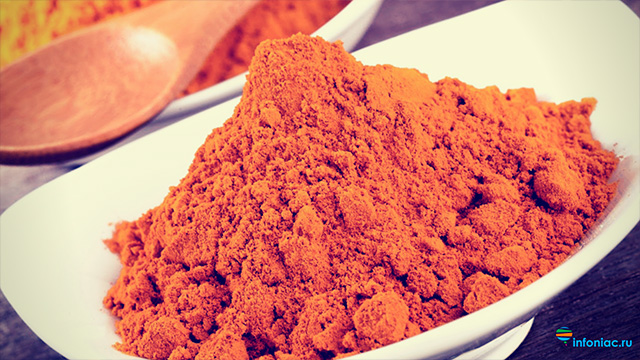
It is impossible to imagine Vedic cuisine without spices, which not only enhance digestive processes, but also have medicinal properties.
Asafoetida helps to get rid of headaches, flatulence and spasms, calms the nervous system and improves the condition of spinal diseases.
Ginger stimulates blood circulation, strengthens the immune system, reduces joint pain, increases appetite, normalizes metabolic processes and thyroid function.
Turmeric relieves fatigue, prevents the formation of cholesterol plaques, reduces pain and swelling, improves the body's protective properties, and helps to remove toxins and toxins.
Chili pepper eliminates diarrhea, lowers bad cholesterol, thereby preventing the development of heart diseases and reducing headaches.
Cardamom relieves inflammation and spasm, strengthens the immune system, dilutes sputum, stimulates appetite, eliminates nausea and vomiting, and normalizes blood pressure.
Sesame restores impaired lipid-fat metabolism, promotes the resorption of fatty plaques, improves blood composition, and strengthens the skeletal system.
Cumin (or cumin) relieves intestinal spasms, removes toxins and toxins, fights anemia, cleanses the respiratory tract from mucus, and calms the nervous system.
Black pepper breaks down fat cells, activates nutrients, fights colds and coughs, improves memory and cognitive abilities.
Six flavors in Ayurveda
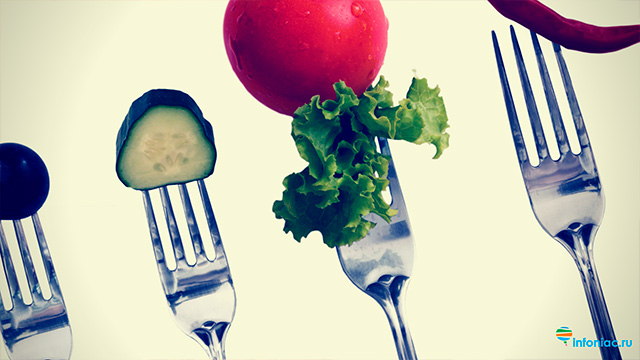
Ayurvedic dietetics identifies 6 flavors that affect both a person's physical and emotional state. At the same time, food that contains all six flavors is considered rational and correct: salty, sour, spicy, sweet, astringent and bitter.
Bitter Taste
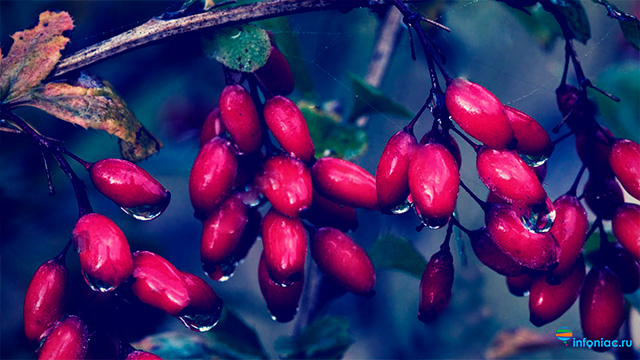
It speeds up metabolic processes, cleanses the blood, removes toxins, clarifies the mind and helps to overcome difficulties.
Bitter Taste Products:
aloe,
wormwood,
yarrow,
barberry,
lettuce,
spinach,
sorrel,
chicory,
dandelion,
eggplants,
olives, Karela
melon,
coffee.
Bitter Spices: cinnamon, cloves, turmeric, bay leaves, fenugreek.
Sweet Taste
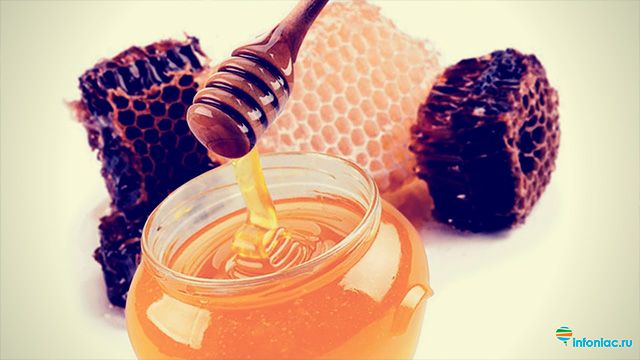
It has a nourishing, moisturizing, toning and rejuvenating effect. It regenerates tissues, helps to remove excess mucus from the body, enhances mental activity and gives optimism. It is the products of this taste that should prevail in the diet.
Sweet Taste Products:
sugar,
honey,
nuts,
maple syrup,
cereals and many legumes,
milk,
butter,
meat,
rice,
sweet vegetables and fruits,
licorice,
marshmallow.
Sweet Flavor Spices: cardamom, anise, fennel and cumin.
Sour Taste
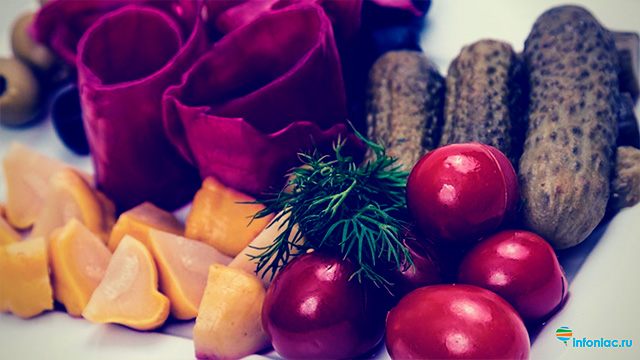
It stimulates digestion, reduces gas production, normalizes acidity, and stimulates appetite.
The insidiousness of this Taste is that when it is abundant, toxins accumulate, lethargy, apathy and dizziness occur, and skin and joint diseases develop.
Read also: Ayurveda Detoxification: Panchakarma at Home!
Sour Taste Products:
dairy products,
pickled products,
sour fruits and berries (citrus fruits, pomegranates, rose hips),
pickles, fermentation
products (sour cream, vinegar, cheeses),
sorrel.
There is no Sour Taste in spices.
Salty Taste
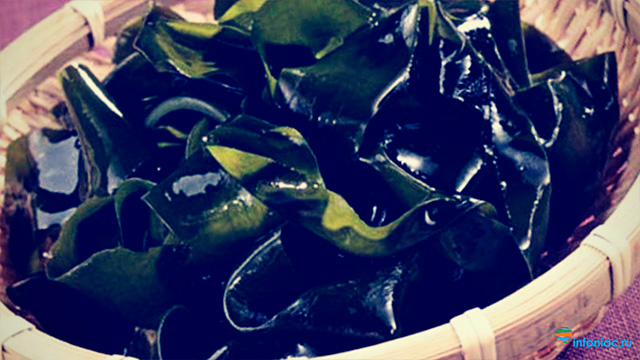
It has a softening, relaxing and sedative effect. But it is only beneficial if it is consumed in small quantities. Then it will stimulate digestion, increase appetite and maintain the water-electrolyte balance.
In large doses, Salty Taste causes vomiting and interrupts all other Tastes, provokes skin rashes, increases acidity, and promotes the development of inflammatory processes.
Salty Flavor Products:
all types of salt,
seaweed,
Irish moss.
Spicy Taste
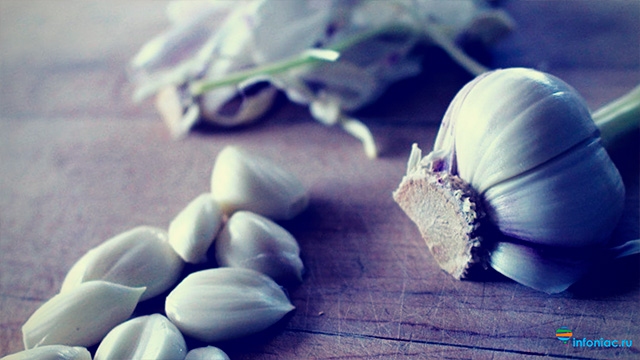
It is necessary in small quantities for:
stimulating digestion,
removing toxins and viscous toxins,
eliminating flatulence,
increasing sweating,
improving metabolism,
losing weight,
reducing edema.
In addition, this Taste activates brain activity.
Excessive consumption of Acute Taste leads to the following manifestations:
nausea,
extreme thirst,
dizziness,
loss of consciousness,
burning sensation in the body,
trembling, digestive
disorders,
insomnia,
muscle spasms.
Spicy Taste Products:
radish,
radish,
hot pepper,
onion,
garlic,
arugula,
wild garlic.
Spicy Flavor Spices: pepper, ginger, cloves, nutmeg, rosemary, cardamom, turmeric, asafoetida, basil, oregano, cumin (cumin), saffron, coriander, cumin, peppermint.
Astringent Taste
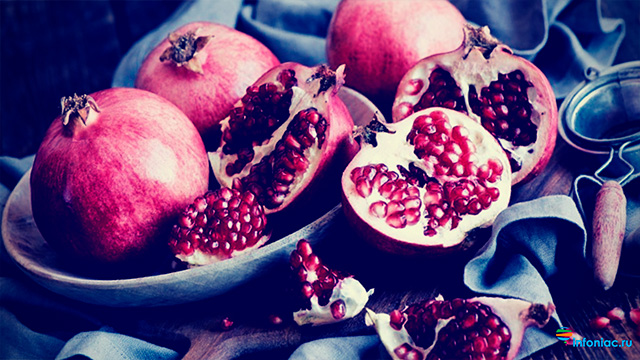
It reduces sweating, eliminates diarrhea, accelerates the healing of the skin and mucous membranes, cleanses the blood, improves skin condition and color.
A large amount of Astringent Taste in the diet can lead to the following consequences:
decreased tongue sensitivity, throat
irritation,
darkening of the skin,
increased gas production,
constipation,
thirst,
anxiety and irritability.
Astringent Flavor Products:
honey,
pomegranate,
persimmon,
currant (especially black),
cabbage,
legumes,
unripe bananas,
chickpeas, raspberry
leaves,
beans,
tea (black and green),
cranberries
, ashberries,
bay leaves.
Advice!
Sweet Taste foods should be eaten for breakfast.
Lunch should include all six Flavors so that the food fully satisfies both body and mind.
Dinner should have a neutral taste, which can be achieved by eating foods that are high in water.
Also read: 5 ways to lose weight with Ayurveda Dosha
nutrition
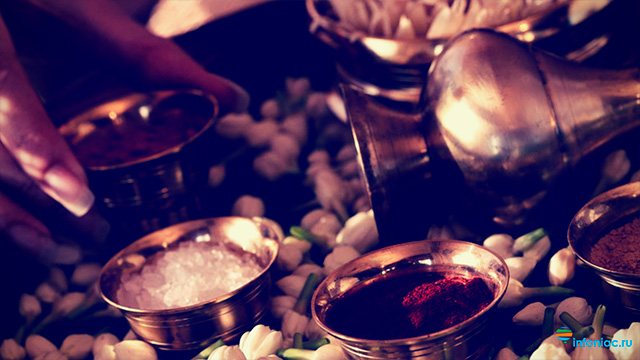
According to Ayurveda, when preparing a diet, it is important to take into account a person's constitution (or dosha). There are three doshas — Pitta, Vata, Kapha.
Pitta dosha food
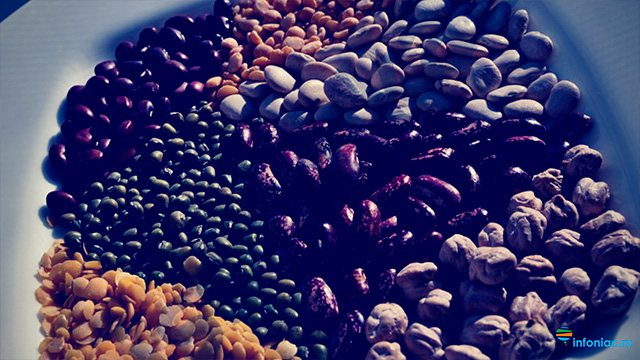
Pitt's dosha type is characterized by an athletic build, blond hair, and pale skin. They are energetic and emotional people with an explosive character.
Under this constitution, muscle mass builds up very quickly.
Pitta love to eat tasty and satisfying food, they endure hunger very hard, so it's quite difficult for them to stick to any diet.
Since their digestive fire is well developed, they are recommended to eat every 3 to 4 hours in small portions.
Healthy foods for Pitta:
legumes,
vegetables,
cauliflower and Brussels sprouts,
celery,
mangoes,
oranges,
asparagus,
plums,
dairy products,
mint,
dill,
coriander,
cinnamon.
Harmful products for Pitt:
nuts,
red meat,
tomatoes,
ginger,
saffron,
bananas,
garlic.
Vata dosha food
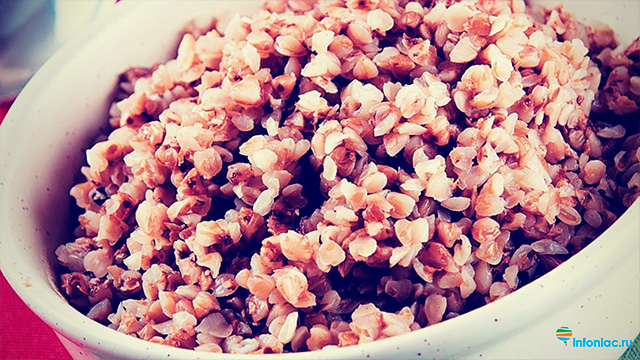
People like Vata have an asthenic, thin physique and thin bone. They don't tend to be overweight. Their hair and skin are dry. They are smart, purposeful, but at the same time fickle people, whose judgments and statements are quite harsh.
Tips for Vata:
Don't skip meals (especially breakfast).
Avoid diets (especially strict ones).
The basis of the diet should be fatty and high-calorie foods consumed in warm form.
As for drinks, sweet tea, warm milk with honey, vegetable and meat broths, and cocoa are preferable.
Eat some raw vegetables and fruits.
Avoid adding black pepper, ginseng, jasmine, basil, nettles to dishes and drinks.
Useful products for Vata:
cereals (especially rice and buckwheat),
butter,
dairy products,
nuts,
sweets,
pickles,
boiled vegetables (zucchini, cauliflower),
fruits (grapes, banana , avocado),
dried fruits (dates, raisins, prunes),
pickled products,
mint,
rose hips,
spices (ginger, cinnamon, cumin, saffron, cloves, cardamom, nutmeg).
Tart, bitter, spicy, sour, cold and dry dishes are harmful to Vata.
Therefore, the consumption of dairy products, soy and rough foods should be minimized.
Kapha dosha food
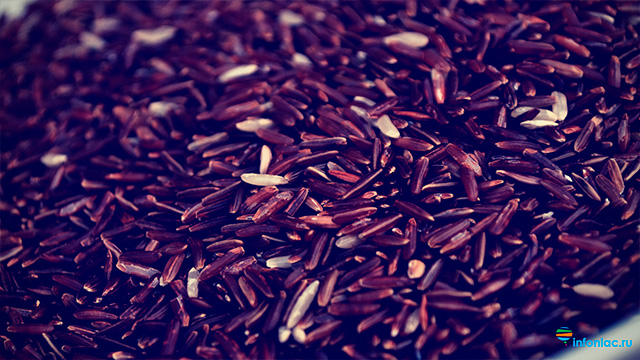
Clean skin, broad bone, harmonious physique and a tendency to be overweight are the hallmarks of the Kapha type. They are good-natured, sensitive and slow people whose lives are quiet and measured.
Since metabolic processes are slowed down in people of this type, they need to approach catering as responsibly as possible.
Healthy products for Kapha:
soy cheese,
legumes,
cereals,
vegetables in any form,
fruits (except banana),
brown rice,
ginger,
pepper (black and chili),
cinnamon,
cumin.
Sugar and sweets with the Kapha dosha type will have to be completely eliminated (you can replace these products with a small amount of honey).
In addition, it is recommended to significantly limit the consumption of flour products and dairy products, chicken, beef, white rice, dates, melons and pineapples.
We hope that these rules, tips and recommendations will help bring external and internal harmony into your life!