
 Health
Watch video, If you are too lazy to read
Watch video, If you are too lazy to read
The exact time of the birth of Ayurveda, the science of life and longevity, is unknown, but this philosophical and medical trend is presumably more than 5,000 years old.
What is this trend that has come from India and is conquering the world by leaps and bounds?
Ayurveda is not only a special medical system officially recognized in India, Sri Lanka and Nepal, but also a whole philosophy with its own principles of nutrition and lifestyle.
Naturalness and simplicity, harmony of soul and body are the basis of this teaching, according to which a person's ailments are closely related to his negative thoughts.
According to Ayurveda, nature has all the resources that can cure the disease or prevent its development. At the same time, only natural ingredients are used in the treatment: metals, plants, stones, minerals.
Ayurveda says that man consists of five primary elements: water, earth, ether, fire and air.
Water controls the fluids in our body.
The earth is responsible for solid components: bones, teeth.
Ether, which is the main element, is responsible for the functioning of internal organs.
Fire ensures the flow of internal processes: digestive, metabolic.
Air is a person's activity and energy, their overall well-being.
If all these elements are balanced, we can say that the body is completely healthy (in Ayurveda this condition is called “prakriti”. Imbalance (“vicriti”) is fraught with the development of various pathologies and serious diseases.
The main task of Ayurveda is to harmonize these principles, thereby preventing the development of a disease.
Ayurveda Doshas
From the five primary elements, basic energies (or “doshas”) are formed, taking into account which the body is harmonized.
What are these doshas?
Pitta: a combination of water and fire.
Vata: a symbiosis of ether and air.
Kapha: land and water.
Most often, a person has all three doshas, but one will always prevail. The peculiarities of a person's constitutional composition and character traits will help determine the dosha.
Pitta dosha
Pitta's external signs

Athletic proportional physique.
Pointed and even nose.
Plump, expressive lips.
Well developed shoulders.
Pale or pink skin with freckles, prone to redness and overheating.
Excessive sweating (especially when the weather is hot).
The predominance of elevated body temperature (36.9 – 37C).
Hands and feet are always hot.
Thin blond or red hair.
Agility, sharpness and speed in movement.
Great coordination.
Those who have a predominant Pitt dosha can easily gain pounds and get rid of them just as quickly.
Pitta's character traits
Activity.
Ambition and ambition, and often the heights are conquered not to satisfy their ego, but to prove their importance to others.
Self-confidence bordering on self-confidence.
Wit, for which many people do not like this type of person, because often one sharp word can hurt more than a knife.
Leadership propensity.
Organization and pedantry: people of this type have their whole lives planned, with almost no room for surprises and surprises.
The ability to express thoughts clearly and correctly, so that they are listened to.
Demanding yourself and others.
Maximalism.
However, it is easy to unbalance such people, they are irritable and aggressive in a fit of anger. They are also often criticized for being straightforward and sarcastic.
Read also: Ayurveda tips for those who don't like to get up in the morning
Pitta's health
The emotional and physical overload that people with Pitt's energy are prone to lead to the development of hypertension, coronary heart disease, and ulcers. In addition, these people are at increased risk of developing rheumatism and skin diseases.
Recommendations for Pitta

Maintain a balance between work and leisure: workaholism has a positive effect on material well-being, but it is harmful to health and prevents you from building a personal life.
Avoid conflicts and learn to control your emotions, as anger and irritability not only upset the balance of primary elements, but also destroy the nervous system.
Don't overheat in the sun.
Take a cold shower or cool bath to balance energy.
Wear pastel clothes made from natural fabrics.
Also read: 5 ways to lose weight with Ayurveda Pitta's daily
routine
Go to bed no later than 10 pm and wake up at 6 am.
Drink a glass of water after waking up, thereby activating the stomach and helping to eliminate toxins.
Do not skip lunch, which is recommended to be organized between 12 pm and 1 pm, and lunch should be the most caloric.
After lunch, a 15-minute walk in the fresh air is desirable.
Dinner should consist of light foods. It is better to eat before 19 hours.
For better digestion, sit quietly for about 10 minutes after dinner.
An evening walk will be a great addition to treatments that harmonize Pitt's dosha.
A warm bath, meditation or a favorite book will help relieve stress before going to bed.
Vata dosha
External signs of Vata

A thin (or asthenic) physique.
High or low stature.
Dark, dry and thin hair (more often hair curls).
Dry skin with small pores, prone to early wrinkles.
Cold hands and feet at any time of the year.
Fast speech, devoid of expressiveness.
An elongated, angular face with a long and thin nose (often a nose with a small hump).
A small mouth with thin lips.
An interesting feature of people with the Vata type is that they do not gain weight, no matter how much high-calorie food they eat. And all due to the accelerated metabolism, in which fats are burned faster than they accumulate.
Vata's character traits
Emotionality and sociability (such people are welcome in any company, as they are interesting interlocutors).
Receptivity and participation: even minor problems are always taken to heart, and they will never refuse to help someone in need.
Disorganization: they do everything at once, but rarely complete their plans.
Activity: they never sit still, they often change their jobs and place of residence, in principle they are not afraid of changes.
Inconsistency: They are people of mood who go from one extreme to the other.
Uncompromising.
No boundaries or rules: they live as they want, not as required by generally accepted standards.
Most often, the Vata type includes artists.
Health Vata
Insomnia, headaches, high blood pressure and neuroses are common problems for people with the Vata dosha type. And this is due to emotional stress and excessive susceptibility.
The problem areas are also joints, spine, and genitourinary system.
Recommendations for Vata
Learn to control your emotions and avoid going to extremes. Remember that everything needs a measure: in feelings, in work, in self-sacrifice.
Find a way out for your energy: exercise, spend more time with loved ones and your favorite hobby.
Cultivate discipline that will not only make your body work like clockwork, but also streamline your thoughts.
Dress warmly.
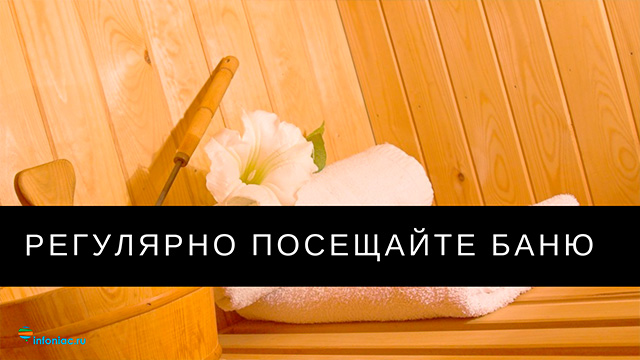
Visit the sauna regularly, as heat has a beneficial effect on people with the Vata type.
Avoid strenuous physical activity: yoga is the best way to keep fit for your type of dosha.
When wearing clothes, prefer soft and silky fabrics in bright colors.
Daily routine for Vata
People of this type need to get a good night's sleep, and at least 8 to 10 hours a day should be allocated for sleep. If you can not sleep so much time at night, it is recommended to lie down for 30-60 minutes during the day.
The most active part of the day for Vata is the time before lunch; it is during this period that the most important things that require maximum energy and concentration should be planned.
Going to bed must be done no later than 22 hours.
Before going to bed, do relaxing procedures: self-massage, meditation, breathing exercises will help you calm down after a hard day's work.
If we talk about the diet, it should include a full breakfast, a nutritious lunch and a hearty dinner, and the last meal should not be later than 6 pm.
By the way, the energy and activity of people like Vata largely depend on the season. Thus, they feel most comfortable in spring, while in summer their energy begins to run out, and by early autumn fatigue accumulates, which leads to frequent illnesses.
Kapha dosha
Read also: 10 alternative medicine methods
External signs of Kapha

Proportional stocky physique.
Broad bone.
Average height.
The face is round in shape.
The skin is light, oily, with large pores.
The hair is either black or light (blond), thick, prone to fat content.
The nose is straight and large.
The lips are full.
People of this type tend to be overweight due to slow metabolism, and it is quite difficult for them to part with extra pounds.
Kapha character traits
Calm and regularity: such people do not tolerate fuss and avoid conflict situations.
Kindness and responsiveness: you can count on them at any time of the day.
Nobility and sincerity: they prefer to sow good and bright things, even if they are not answered handsomely later.
The slowness of these people is often mistaken for laziness and lack of initiative, but this is not the case.
Loyalty.
Balance: they prefer to negotiate in all situations rather than find out who is right and who is wrong.
Stubbornness: If you have decided something for yourself, it is unlikely that they will be able to change their mind.
People with the Kapha type cannot tolerate wet weather: rain and fog make them sad.
Kapha Health
People with this type of dosha suffer from shortness of breath, frequent colds, hypertension, digestive disorders, skin diseases, lymphadenitis, swelling and obesity.
Kapha Recommendations
Be self-critical, learn how to work on your mistakes to improve inner harmony.
Visit a dry sauna that will cleanse the body and brighten the mind, as well as help you lose weight.
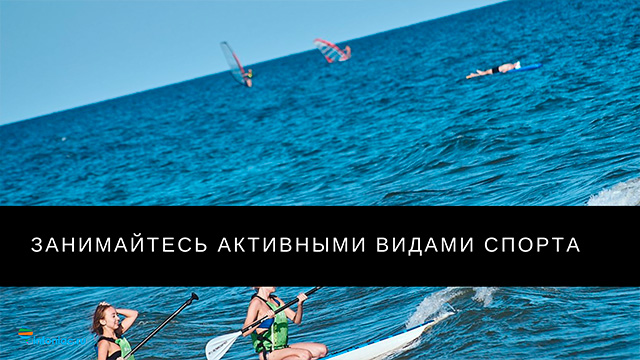
Engage in active sports.
Avoid sedentary work and frequent snacking (especially pastries).
In clothes, give preference to soft natural fabrics in bright colors. But it is better to abandon unnatural fabrics and artificial jewelry so as not to disrupt the connection with the energy of the earth.
Daily routine for Kapha
Wake up at 6 am (ideally at 5.30 am).
Morning exercise and showering are essential treatments for Kapha.
For breakfast, it is recommended to drink only herbal tea.
The main meal is the second breakfast (approximately 12 to 13 pm), after which you need to walk for 15 minutes.
It is advisable to avoid a hearty late dinner so as not to fall under the influence of passive energy.
It is recommended to go to bed at 9 pm.
All of the above recommendations can and should be adjusted taking into account the individual characteristics of each individual who is considered by Ayurveda as a macrocosm, as The universe.