
 Science
One of the many bacteria that live normally on our skin, according to American studies, can play a key role in protecting our body from infections.
Researchers from the laboratories of the National Institute of Allergies and Infectious Diseases, the National Institute for Human Genome Research and the National Cancer Institute are such an extensive a team of specialists, working closely with each other, came to the conclusion that millions of symbiotic microorganisms living on our bodies are of great benefit.
Researchers were prompted to study this issue by the well-known observation that symbiotic organisms are able to benefit each other without any negative consequences for themselves yourself.
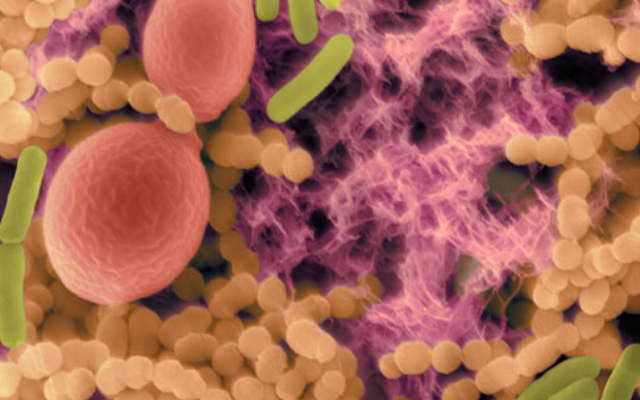
Based on initial studies, the mouse's body, scientists found that rodent symbiotic microorganisms have a certain positive role in strengthening the body's immunity by interactions with cells of the immune system in animal skin.
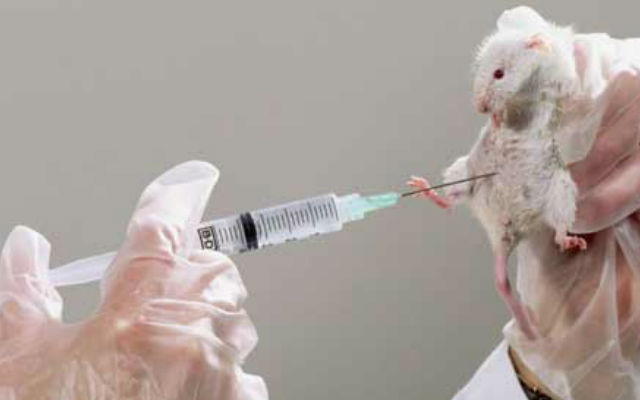
For the next phase of research, scientists selected experimental mice whose bodies initially did not contain any normally present microbes. They weren't on the skin or in the digestive system. The mouse bodies were then, literally, artificially colonized by a symbiotic form of epidermal staphylococcus, which lives normally in our skin. The researchers noted that the appearance of this “good” bacterium in the skin of mice prompted cells of the rodent immune system to produce so-called cell signaling molecules that are necessary to protect against harmful germs.

Scientists came to this conclusion by “colonizing” the bodies of mice with beneficial bacteria and without bacteria with a completely specific parasite. As a result, the immune system of mice with beneficial symbiotic organisms worked well, protecting rodents' bodies from negative external invasion. The immune system of mice, completely free from any bacteria, did not do the job. At this stage, researchers are working on the possibility of practical application of research results.