
 Incredible facts
Space is the last frontier that seems to us to be a dark and strange place. Meanwhile, this mysterious space may show familiar things, from nebulae that look like horses to galaxies that resemble dragons.
See what 25 images that exist on Earth have been found in outer space.
Horsehead Nebula
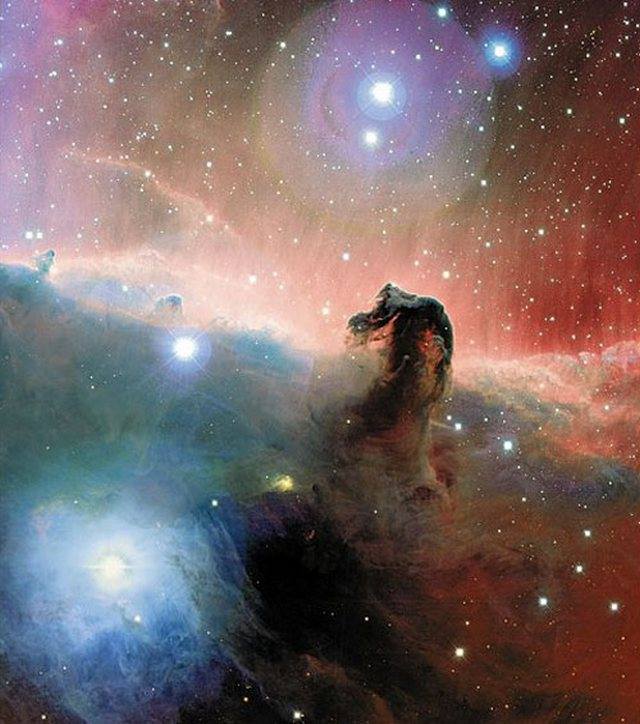
The Horsehead Nebula was first described by Scottish astronomer Williamine Fleming in 1888. It is about 1,500 light years from Earth and appears to look like a horse's head.
Mercury crater
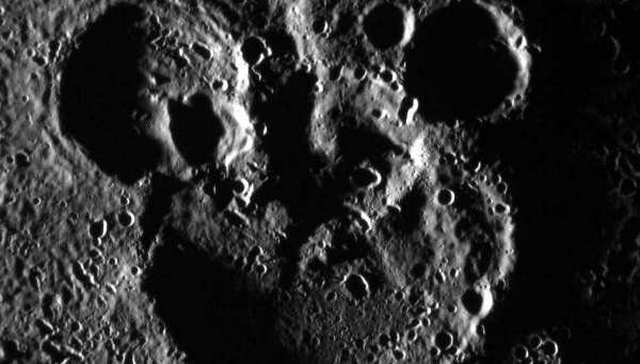
This crater on Mercury is 105 km in diameter and is located in the southern hemisphere of the planet closest to the Sun. The crater is strikingly similar to the cartoon character Mickey Mouse.
The Unicorn Nebula
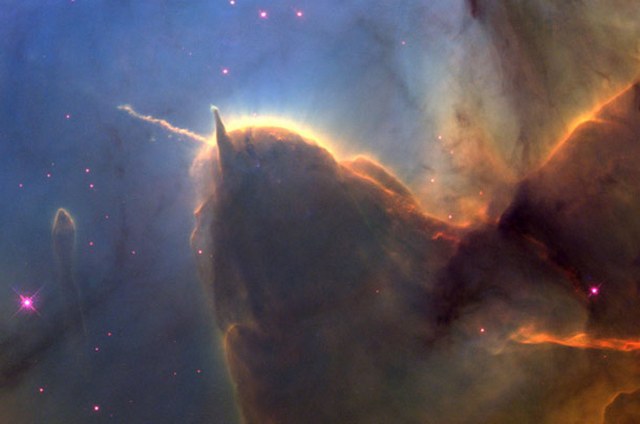
The nebula, in the form of a mystical creature found in a cluster of stars and gases, is called the Unicorn Nebula.
God's Eye
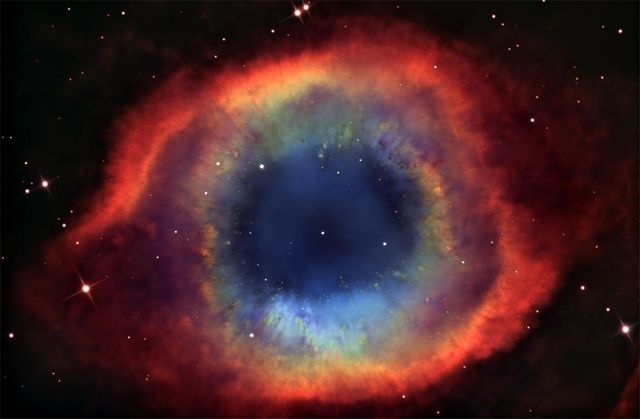
The planetary nebula, called the Eye of God or Helix Nebula, is located 650 light years from Earth. Astronomers also described this phenomenon as “a trillion-kilometer tunnel of glowing gases with a dying star at the center.”
North America Nebula
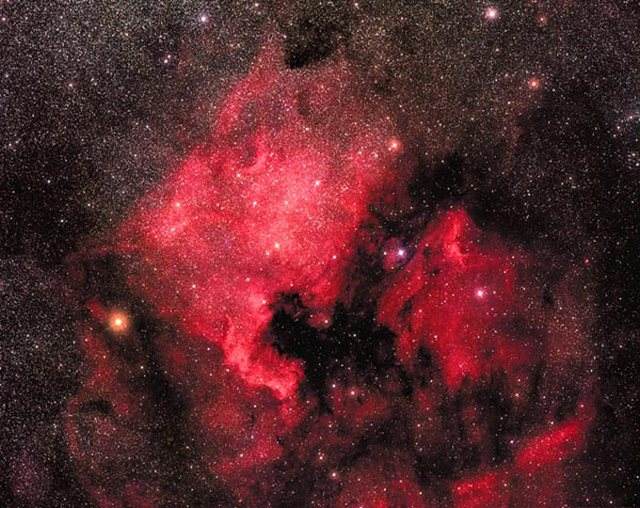
NGC 700 is an emission nebula in the Cygnus constellation that bears a striking resemblance to North America. The nebula even has a very sharp line, similar to the Gulf of Mexico.
The distance from Earth to the North America nebula is not known for certain, but some scientists suggest that this distance is about 1,800 light years away.
Sombrero galaxy
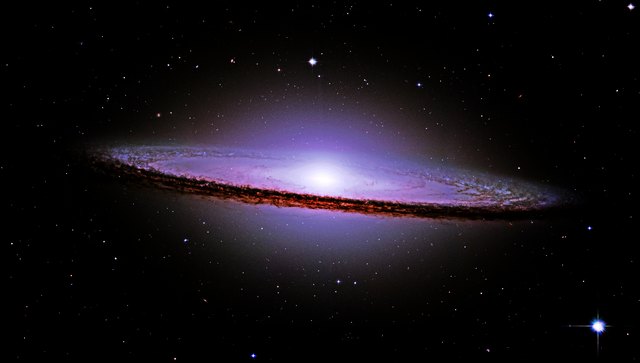
Also known as Messier Object 104, the Sombrero spiral galaxy is located 28 million light years from Earth. Dark dust bands and a large central bulge give this galaxy a sombrero appearance.
Moon Face
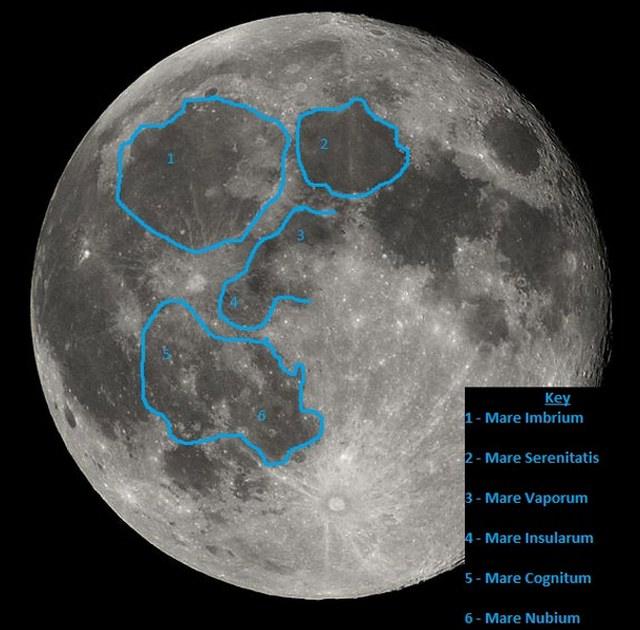
At a distance of 384,400 km from Earth, the Moon is the brightest object in the sky (after the Sun, of course). If you look closely at the nearest side of the moon, you can see a face with eyes, nose, and mouth. Such reliefs are obtained due to basalt lava that has solidified in ancient times.
Read also: The scariest things in space
Face on Mars
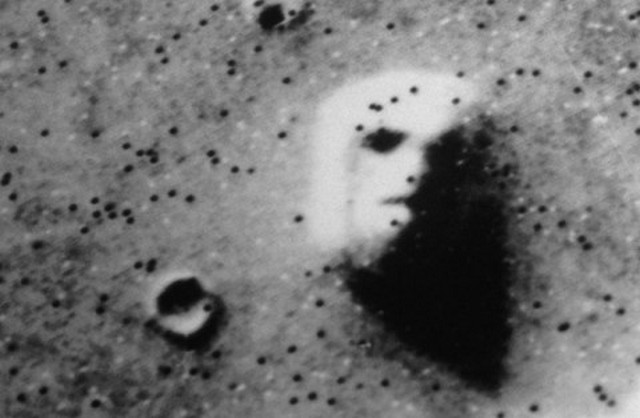
If we talk about faces, on the fourth planet from the Sun (and the second largest planet in the Solar System), you can see Face on Mars. It is believed that this face is only an optical illusion consisting of hills and nothing more.
Peanut asteroid
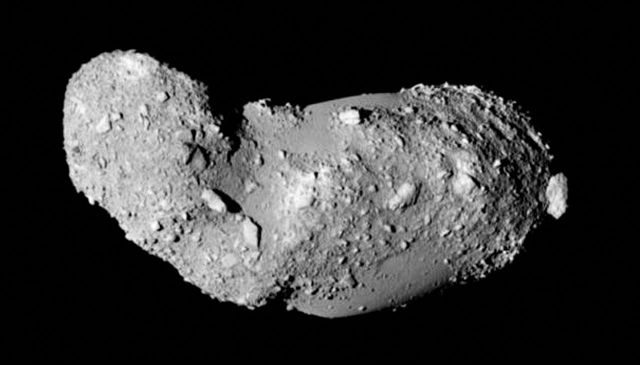
The asteroid was discovered in 1998 as part of the LINEAR project. It received the provisional designation 1998 SF36. However, in August 2003, the peanut-shaped asteroid was officially named after Japanese scientist Hideo Itokawa.
Space Dragon
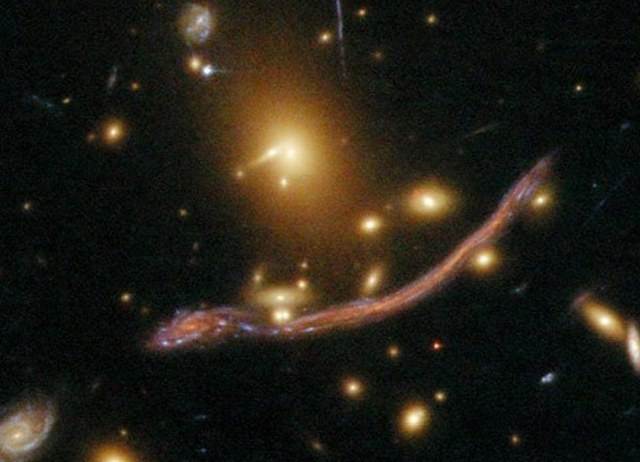
This is an example of the Space Dragon, which consists of several images of spiral galaxies about 10 billion light years from Earth.
Butterfly nebula
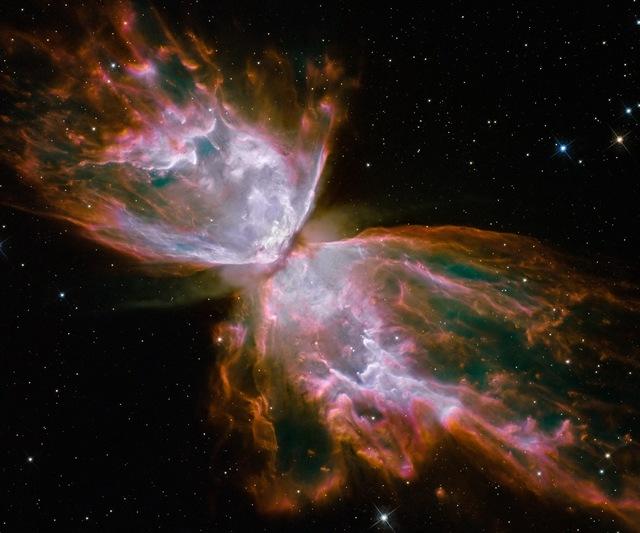
The butterfly nebula is officially named NGC 6302. This amazing galactic butterfly was created using gas and dust ejected by an aging star. The nebula was captured by the Hubble telescope with the new Wide Field Camera 3.
The Cone Nebula
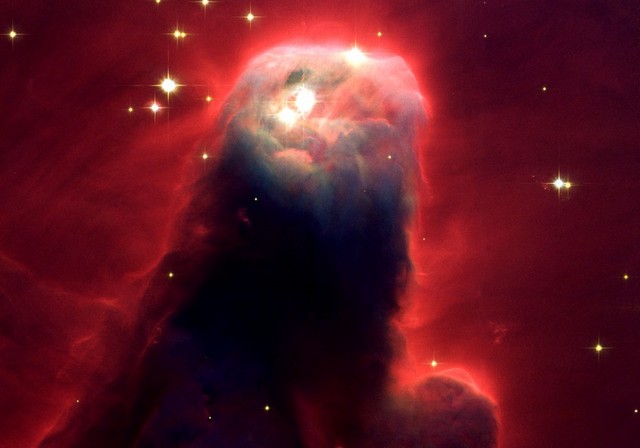
Discovered by the eminent English astronomer William Herschel in 1785, the Cone Nebula is 2,700 light-years from Earth in the southern part of the NGC 2264 star cluster. The name comes from the geometric shape of the cone.
Red Spider Nebula
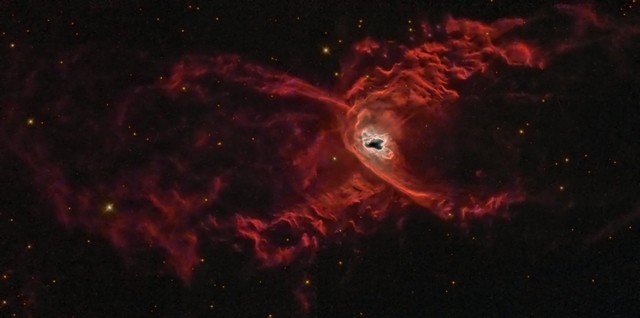
The Red Spider planetary nebula is located in the Sagittarius constellation and is estimated to be between 1,900 and 8,000 light years from Earth. The nebula has an interesting two-blade shape.
Crater mitosis
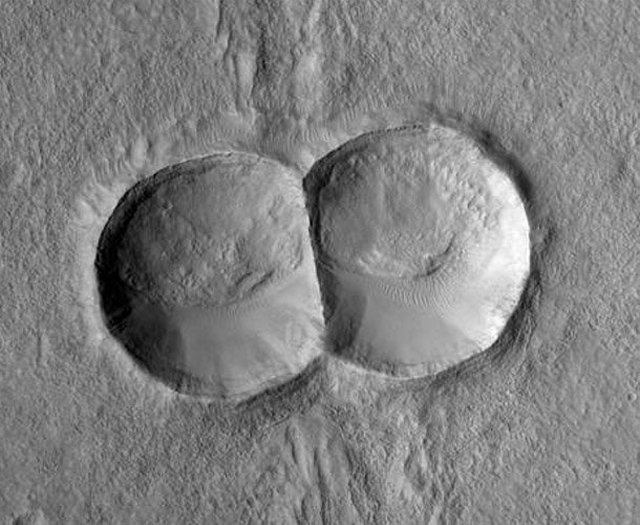
And this is another formation on Mars — crater mitosis. But this time we have twin craters that scientists believe were formed by a single object. The fallen object split into two when it entered the Martian atmosphere.
Not only does this crater look like a cell that divides by mitosis, but if you look inside, you can even see fiber-like shapes in the craters.
Comet is a dog bone
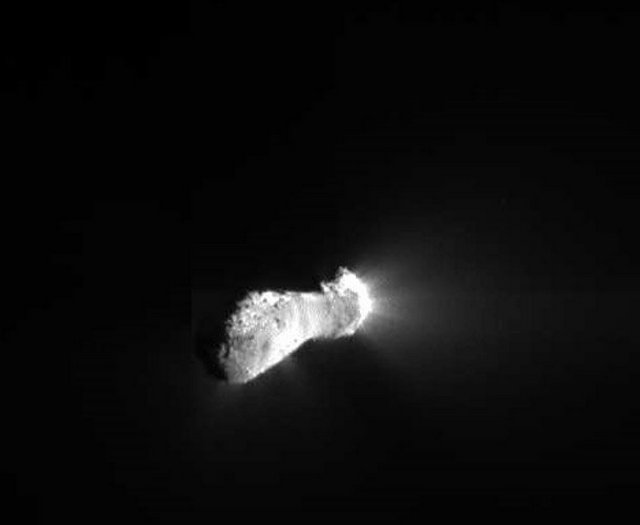
The object called Hartley 2 is also called the “dog bone” comet because it resembles bone in shape. Also called 103P, the comet was discovered by Malcolm Hartley in 1986 and is approximately 1.2 to 1.6 km in diameter.
Witch Head Nebula
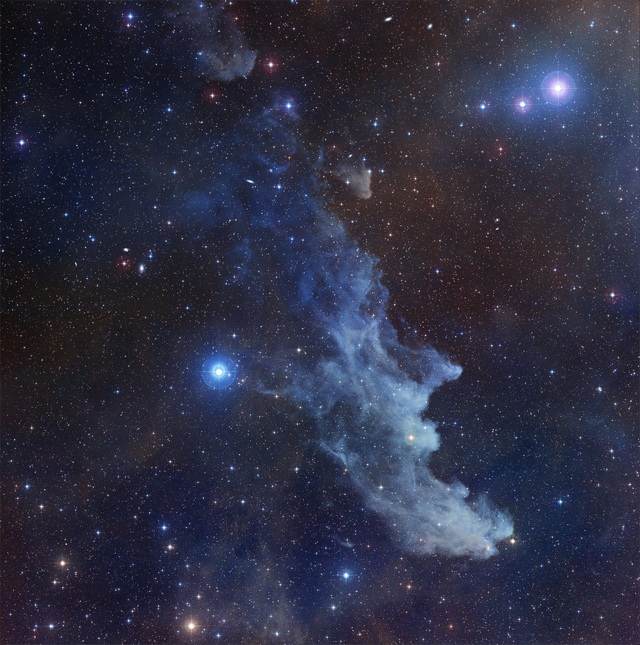
The nebula is officially named IC 2118 or Witch's Head. It is believed to be an ancient supernova remnant, or it may be a gas cloud that is illuminated by the nearby supergiant star Rigel in the Orion constellation. The nebula is about 900 light years from Earth.
Human figure on Mars
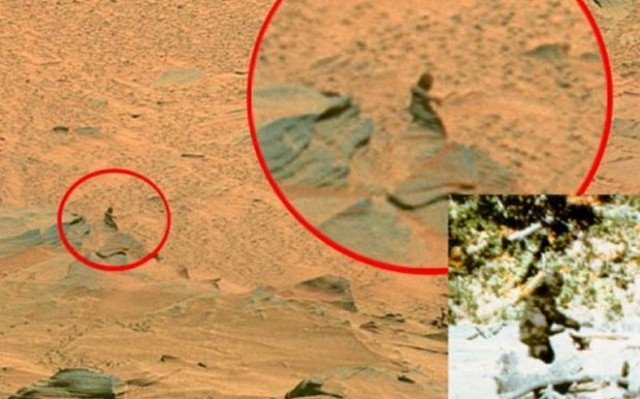
Some people think this is a real person on Mars. In fact, experts believe that this is just an optical illusion created by the rocks of the red planet.
Traffic lights on Mars
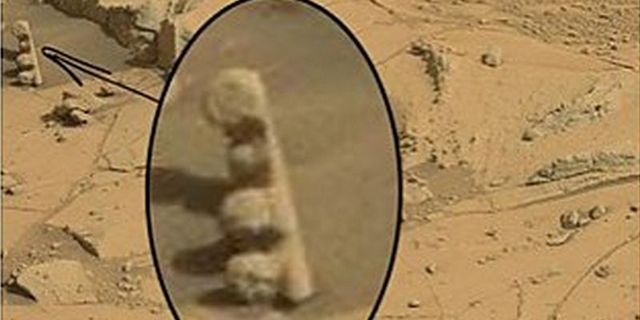
Here's another weird anomaly that's on the red planet. NASA still hasn't commented on this image, but most people think it's a traffic light on Mars.
Humanoid on the Moon
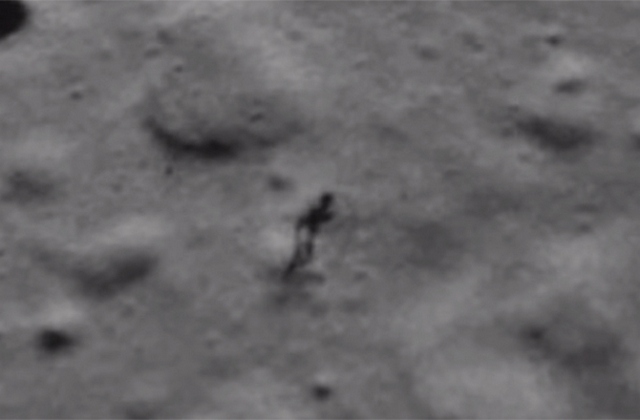
This figure really looks like a humanoid on the moon, which is also still coming. The figure even has its own shadow. They explain this figure by a defect in the camera, but not everyone believes in it.
Star — hourglass
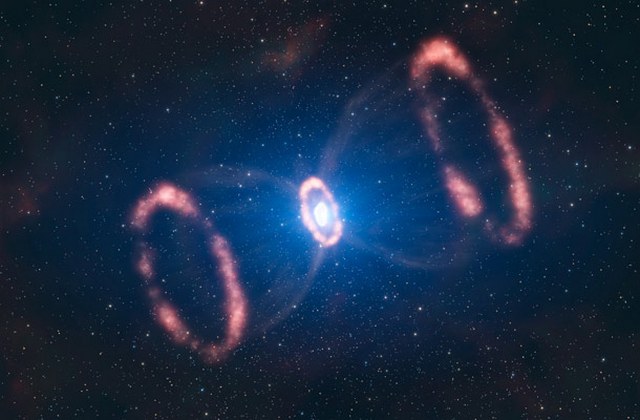
The effects of a recently exploded star known as Supernova 1987A have created this amazing hourglass-like landscape on the edge of the Tarantula Nebula. This happened about 168,000 light years from Earth, which is close enough to be seen by the naked eye.
Read also: Amazing things and places seen from space
God's Cosmic Hand
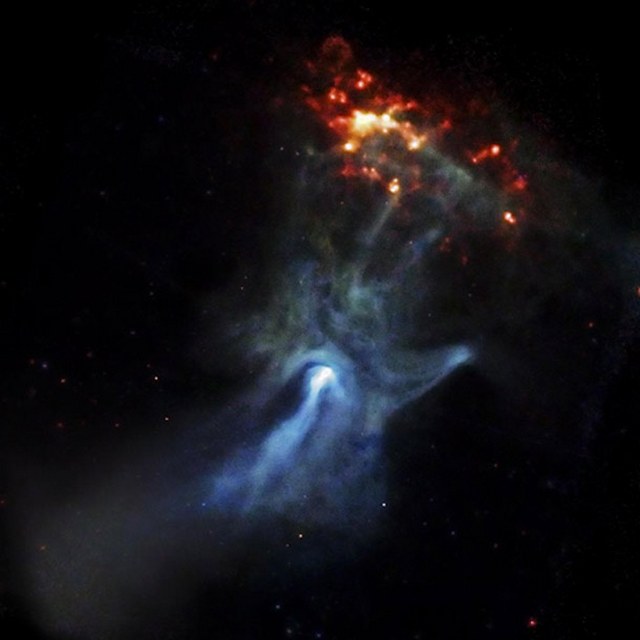
What some call “God's cosmic hand” is actually the remains of a star that exploded about 17,000 light years from Earth. In fact, these are gas and dust particles that create an interesting picture.
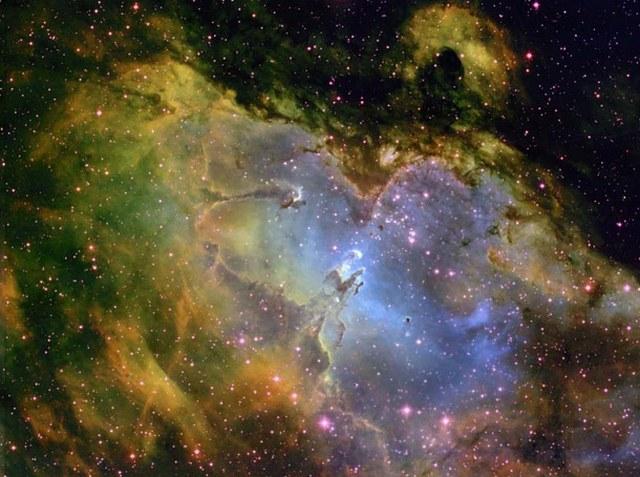
Also known as NGC 6611, the Eagle Nebula is a young cluster of stars that resembles an eagle. It was discovered around 1745-1746 by Swiss astronomer and physicist Jean Philippe de Chesot and contains a large cluster of stars full of gas and dust, including the famous Pillars Nebula creations.”
Mandrill Nebula
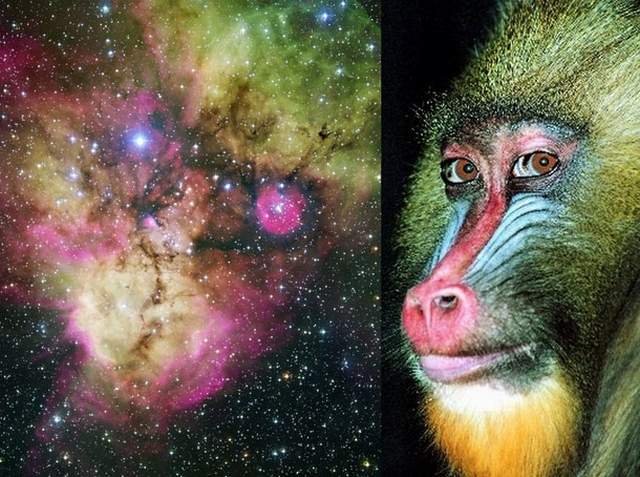
Officially, this place is named NGC 2467, or the Mandrill Nebula, or the Skull and Crossbones Nebula. This is an active star-forming region located in the constellation Korma. The nebula really looks like a mandrill monkey.
Galaxy Face of God
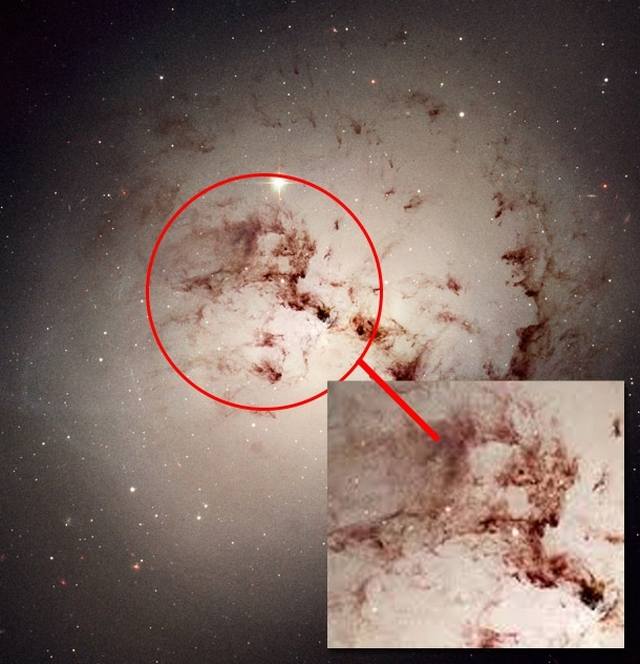
NGC 1316 is a giant elliptical galaxy that was formed billions of years ago when two spiral galaxies merged. A close observation of this galaxy reveals a startling picture: for example, the galaxy appears in the shape of the face of a Christian God.
Firefox Star
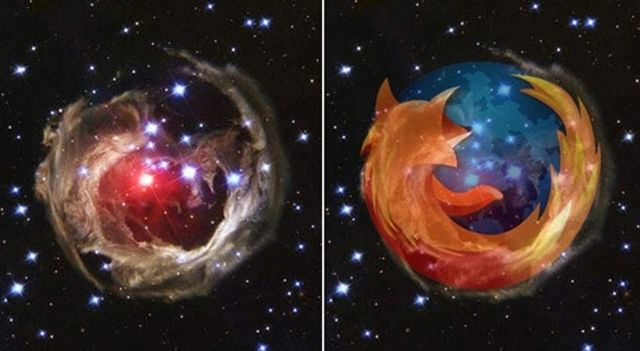
Officially named V838 Unicorn, a red variable star was found in the Unicorn constellation, which is about 20,000 light years away. It was discovered in 2002, after which the star became very popular.
The cause of the explosion of the Firefox star is unknown, but it's not the explosion itself that draws attention, but how the image is strikingly similar to the famous browser. Or maybe heaven wants to tell us something?