
 Travel
Tourism is both a blessing and a terrible curse for every country. It brings money and fame to beautiful and interesting places, but it tirelessly and rapidly destroys them with an abundance of people, garbage and sounds. Before you plan your next trip, make sure it doesn't harm any of the places on our list.
In this article, we will tell you about 15 amazing and beautiful places that have unwittingly become victims of tourism.
Tourism development
Caño Cristales, Colombia
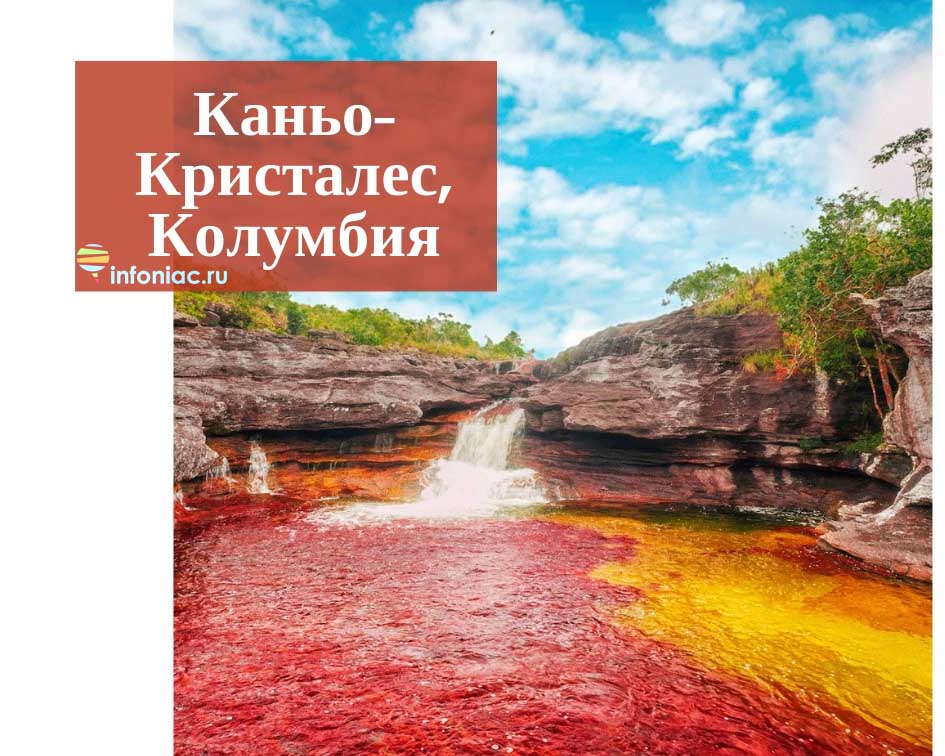
Also known as the “melted rainbow”, this amazing river is incredibly popular these days because of its amazing waterfalls and its vibrant mix of colors — pink, red, blue and green — which appeared as a result of special microorganisms living there. It was increasingly visited after the country signed a peace agreement in 2016.
A sharp increase in the number of tourists walking around the area is jeopardizing the existence of a fragile ecosystem.
In 2017, tourists were denied access to the river to allow it to recover. This was done so that microorganisms and plants could again thrive and reproduce normally.
Maya Bay, Thailand
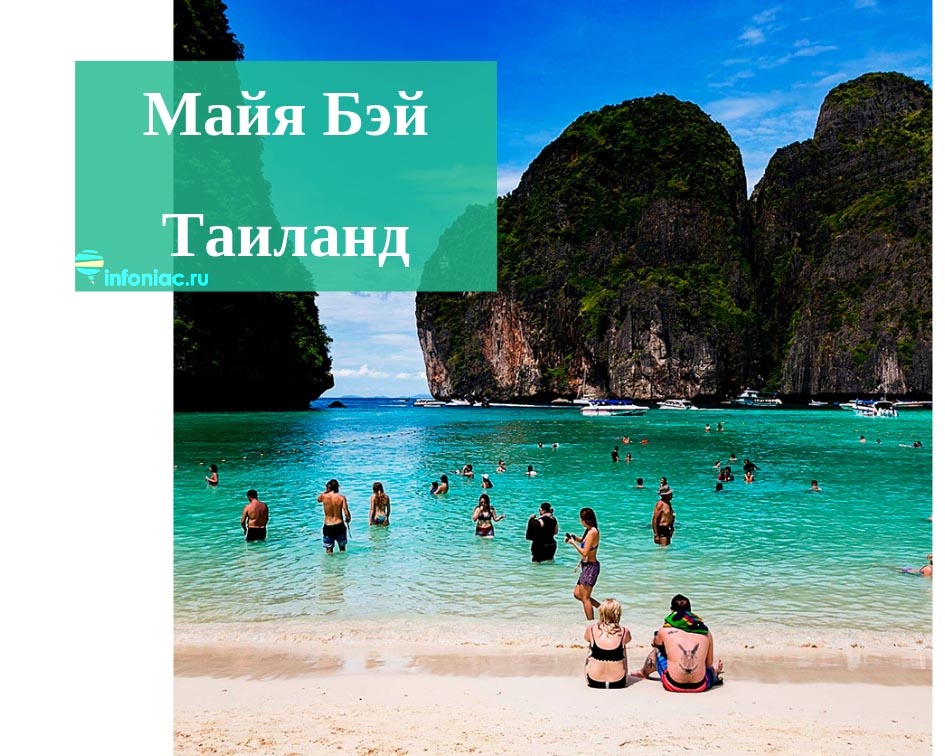
The iconic classic film “The Beach” with Leonardo DiCaprio turned this cozy, remote beach in Thailand into a tourist trap. And it's easy to see why! A secluded sparkling bay, clear, crystal clear waters, white sand and majestic limestone cliffs. Some time later, when more tourists began to flock to the French Riviera.
It became impossible to enjoy Maya Beach — there were so many tourists that it was impossible not only to lie down, but even just walk between them.
Thai authorities were forced to close the beach for several months in 2018. Although it was planned to close the beach for only a few months, it is now closed indefinitely.
Boracay, Philippines
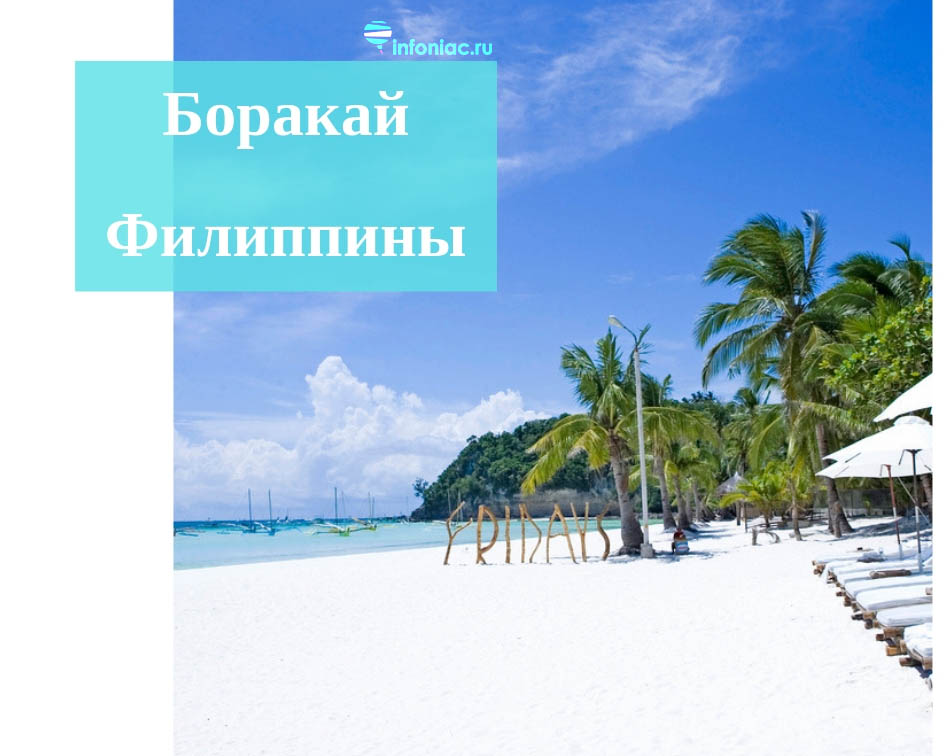
The beautiful island of Boracay used to be revered for its exclusivity and uniqueness, but over the past few years, mass tourism and lack of infrastructure have led this heavenly place to absolute decline. The island had to endure a six-month closure in 2018, designed to allow authorities to put it back in order.
It was reopened to tourists in October, but now the island has new rules: no masseuses, merchants, campfires, water sports and sandcastle builders. In addition, one of the new rules states that no more than 19,200 tourists can stay on the island at a time. Due to non-compliance with standards, many hotels and restaurants on the renovated island were closed, and only about 160 tourism-related businesses were allowed to reopen.
Dangerous tourism
Machu Picchu, Peru
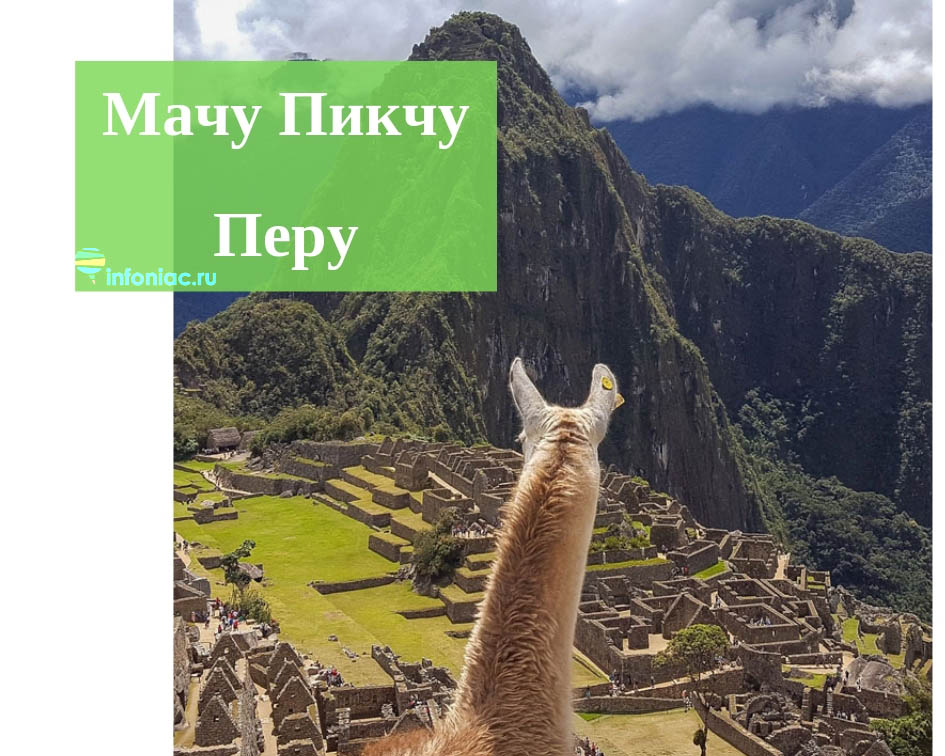
“Machu Picchu is an incredible attraction, but we are concerned about its sustainability,” Sandra Doig, deputy director of the Tourism Promotion Commission in Peru. “This is influenced by too many people being in the citadel at the same time.” One of the new wonders of the world, the fascinating Inca citadel is located high in the Andes, Peru. Even though it's a feat to get there, a record number of tourists still visit Machu Picchu each year.
For example, from January to July 2018 alone, more than 60,000 people came to the city.
To combat the endless masses of tourists who harm the citadel, the authorities have introduced special time frames, a special access regime and a limit on the number of tourists, at the same time located in Machu Picchu.
Venice, Italy
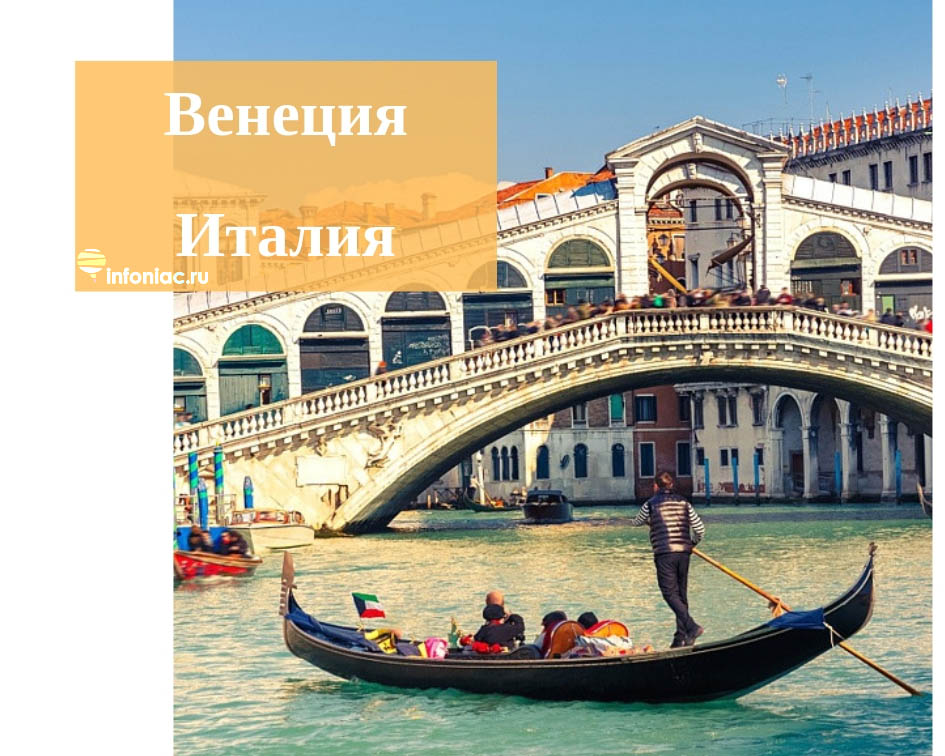
Built on more than 100 small lagoon islands in the Adriatic Sea, Venice has the main feature that gives it its unique charm: hundreds of famous canals. At the same time, delicious food and high-quality wine only embellish this world-famous city. However, mass tourism is increasingly undermining the viability of the city every year.
Due to the many cruise ships and group bus tours, notorious attractions such as St. The stamps are littered with people and the streets are filled with garbage. Crowds of people, rising sea levels — Venice is constantly sinking, and stonework and once-beautiful carvings on buildings are crumbling and collapsing. However, residents of the city finally fought back against the destroyers — in 2019, in order to enter the city even for a short time, you will have to pay an additional €10.
Cozumel, Mexico
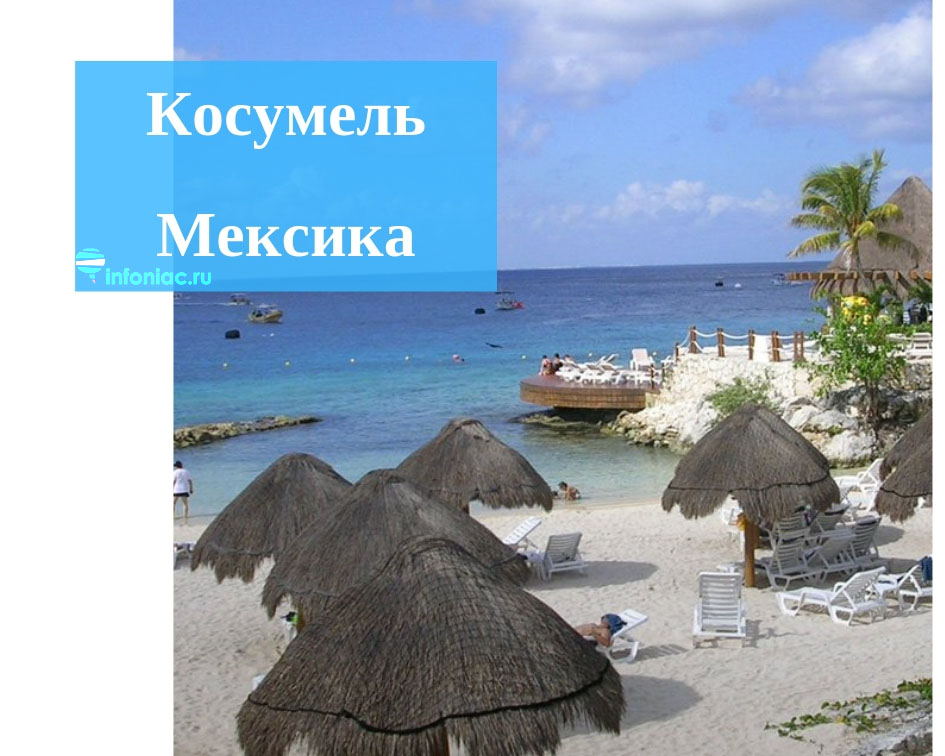
The azure waters of Cozumel, an island off the coast of Mexico's Yucatan Peninsula, have become a popular destination for tourists, especially those coming from Canada and Central America in search of the sun and rest. Many tourists come to the island on cruise ships that have seriously damaged one of the island's main treasures — the amazing coral reef, because it's no secret that corals are very fragile.
Changes in the global climate and the increase in ocean acidity have once again proved this, and now tourist boats, yachts and liners are only exacerbating an already very deplorable situation. To neutralize this situation by all means, marine biologist Herman Mendes founded an organization designed to combat the destruction of the coral reef on Cozumel Island.
Reykjavik, Iceland
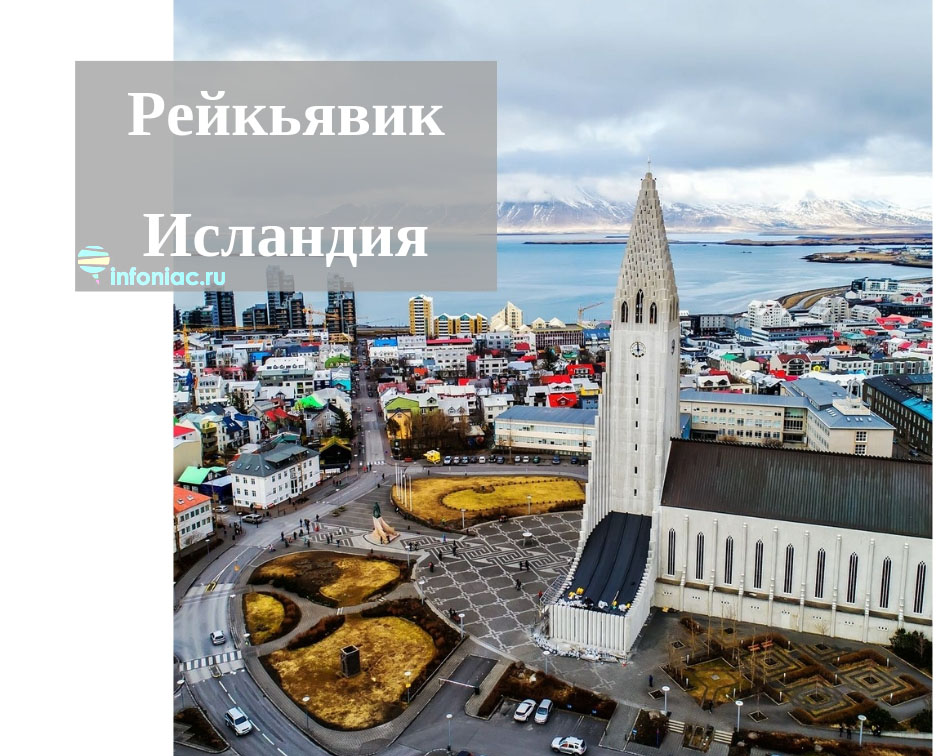
Reykjavik is quite a popular destination for tourists, especially because of the relatively low prices for air tickets from different parts of the world. However, the whole country has been overcrowded with tourists over the past few years — the situation is starting to get out of control. For example, more than 1.3 million people visited Iceland in 2015, compared to about 350,000 people.
And in 2016, there were more American tourists in the country alone than locals. Local politicians even compare the country to Disneyland. Despite the fact that tourism has significantly improved the country's economic condition, it has worsened the infrastructure — something is being built everywhere and has raised prices in local stores.
Read also: 20 of the most unusual vacation spots on Earth
Bad tourism
Raja Ampat Islands, Indonesia
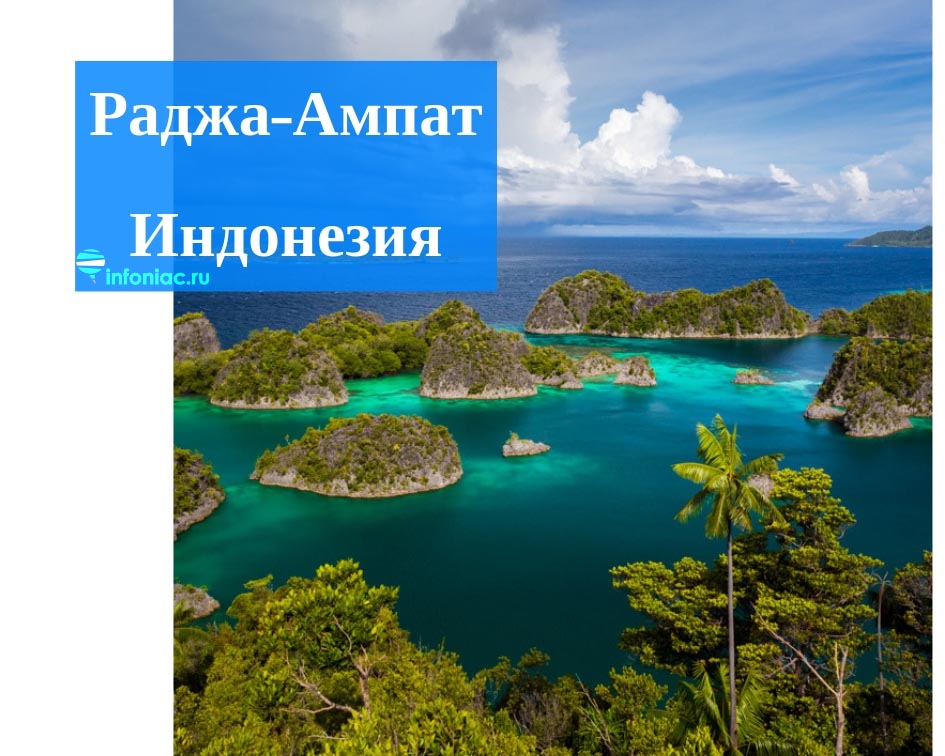
This Indonesian archipelago is located near the island of New Guinea and consists of four large islands, one medium island and thousands of small islands. They are part of the Coral Triangle, where almost the richest marine biodiversity on the entire planet is concentrated. The breathtaking beauty has attracted tourists to this place, who come here mainly by boat.
For example, in March 2017, a huge cruise ship significantly worsened the island's already deplorable situation. It came to Raja Ampat at low tide, running aground and thus damaging the reef.
This has led to losses of more than $18.6 million and to the need to restore the reef for decades to come.
Antarctica
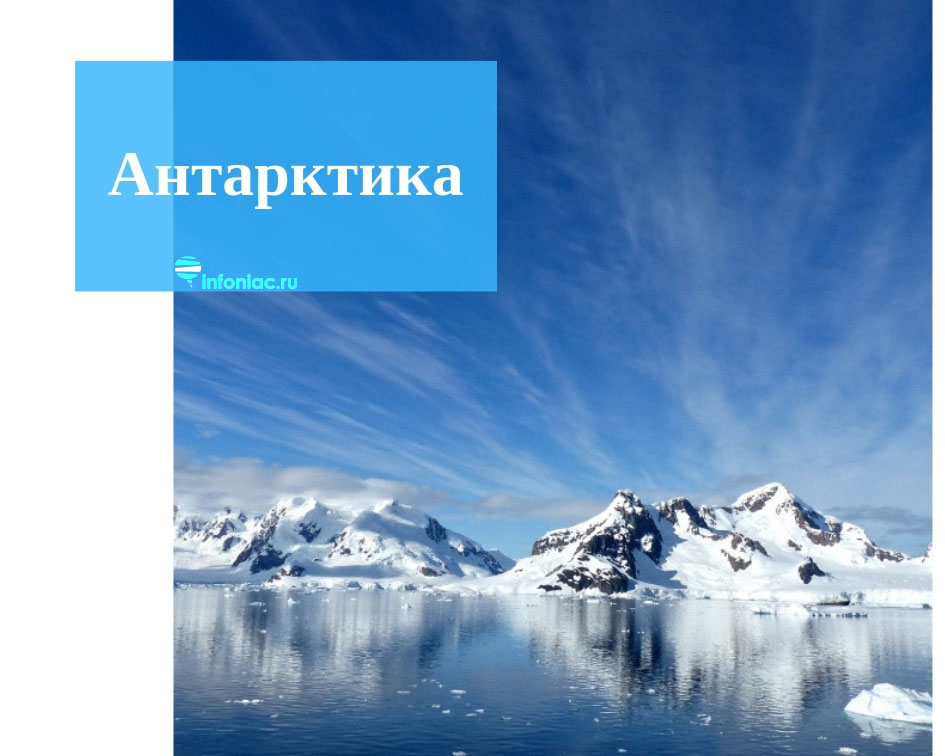
The entire continent is at risk, in particular due to global climate change and the number of cruise ships sailing from Chile and Argentina to the Antarctic Peninsula. Because of this, the level of water pollution is increasing every year, which, in turn, affects the lives of unique animal species.
In order to prevent further destruction of the continent and the extinction of species, it was decided to limit the number of people simultaneously on the coast. Thus, now up to 100 people can stay on the coast at a time, and ships with more than 500 passengers are not allowed to enter the coast.
Bhutan
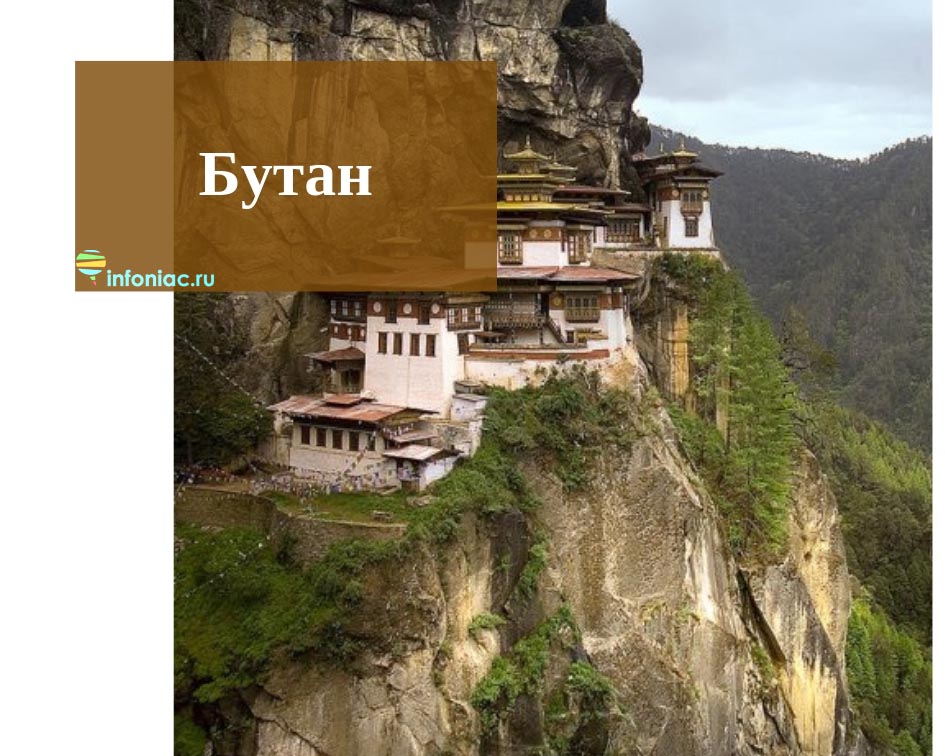
Tourists love Bhutan, a closed country, a Buddhist kingdom in the eastern Himalayas, for its monasteries, fortresses and majestic landscapes. The most interesting thing is that tourists were not allowed to enter Bhutan until the 1970s, which added to its popularity and tourists in the future. Unfortunately, constant pollution has caused significant damage to Bhutan's beauty, so the authorities have had to impose restrictions on tourism.
Every person visiting the country is required to undergo a special tourist briefing and pay a tax of $220 per day. One of Bhutan's cities is currently on the list of the 10 dirtiest cities in the world. And tourism has a direct impact on this.
Pig Beach, Bahamas

The only inhabitants of this amazing island are feral domestic pigs, which, moreover, swim well in the sea, which attracts a huge number of tourists eager to do spectacular photos with unusual residents.
However, in 2017, a terrible thing happened — a wave of pig deaths covered the island. This was caused by several factors that overlapped at the same time, including tourism. Soon, the authorities banned those arriving on the island from feeding the amazing animals.
Read also: The most beautiful places on the planet that are not accessible to tourists
The subtleties of tourism
Cinque Terre, Italy
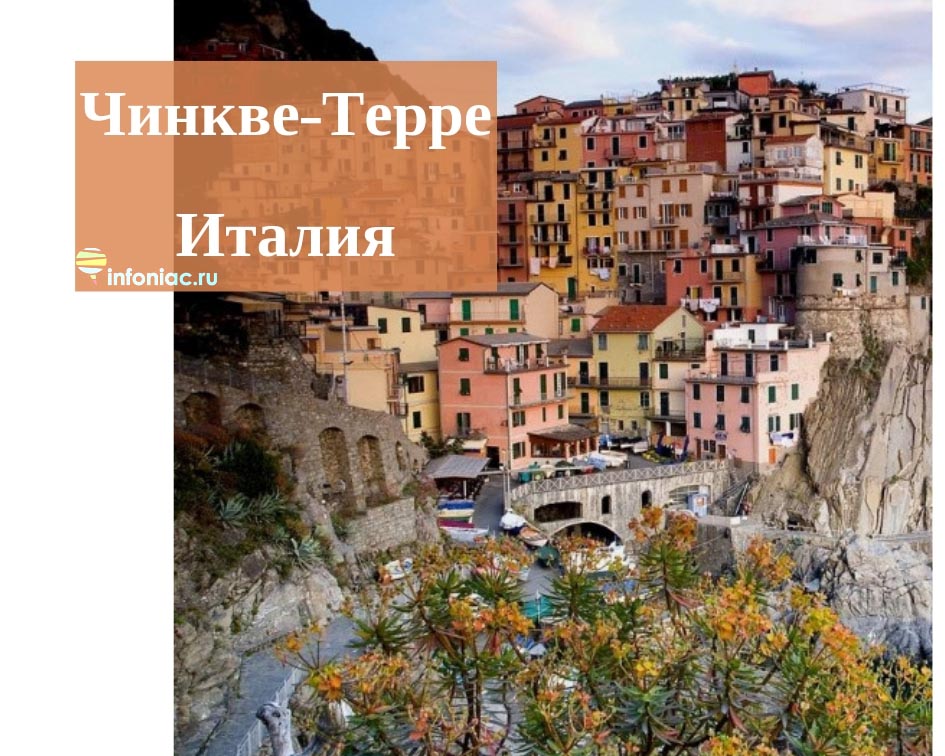
When the bright morning sun illuminates the colorful houses located on the cliff, tourists pull out their cameras to capture the breathtaking beauty of nature and architecture in their lenses. The ideal location and surroundings of the Cinque Terre have led to a significant increase in the number of tourists over the past few years.
The surge in tourism has damaged the city's infrastructure, and its location is now dangerous, with some tourists suffering from landslides.
Despite the fact that there are no strict prohibitions in the city yet, the authorities are still considering the need to set a limit of visits. At the moment, the city has toll trails, and the Cinque Terre itself is visited by more than 2.4 million tourists annually.
Skye, Scotland
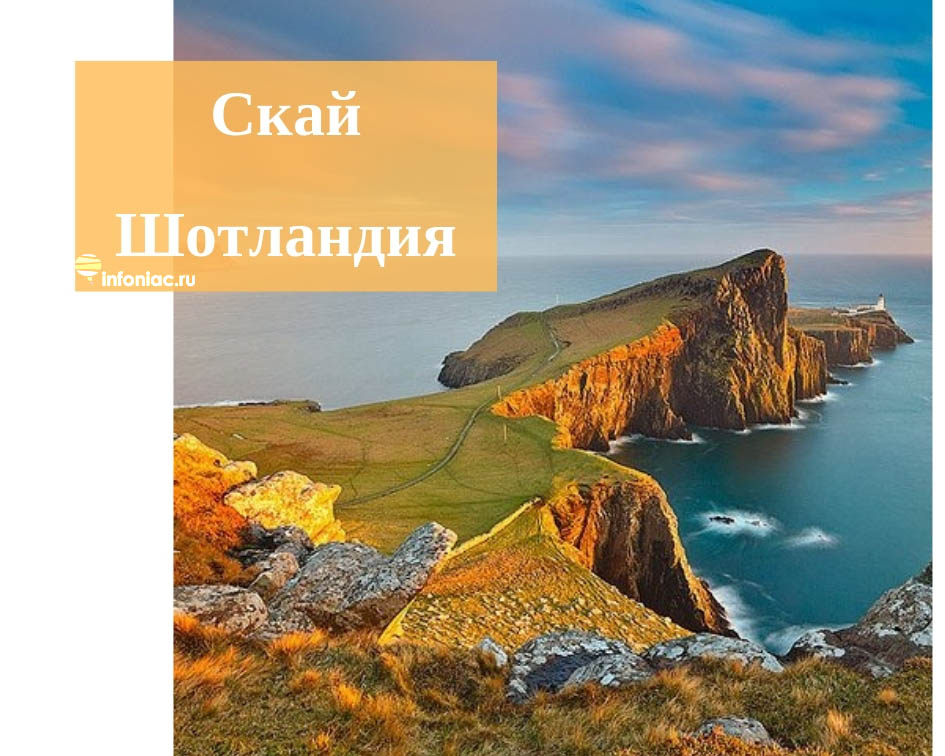
As one of the United Kingdom's most picturesque destinations, Isle of Skye is famous for its massive landscapes, quaint fishing villages and medieval castles. Today, crossing the bridge between Northern Scotland and the island is a kind of test of strength, as you will find crowds of people, motorhomes, and cars stuck in traffic.
Many tourists do not think in advance where they will stay, and this ends up putting them in a very poor state. Many of them come to the local police station for advice because they have already arrived and have no place to stay. Many people spend the night in the car. Due to the chaos on the island, the authorities urge tourists to use common sense and ask everyone who plans to spend the night on Skye to take care of themselves in advance.
Majorca, Spain
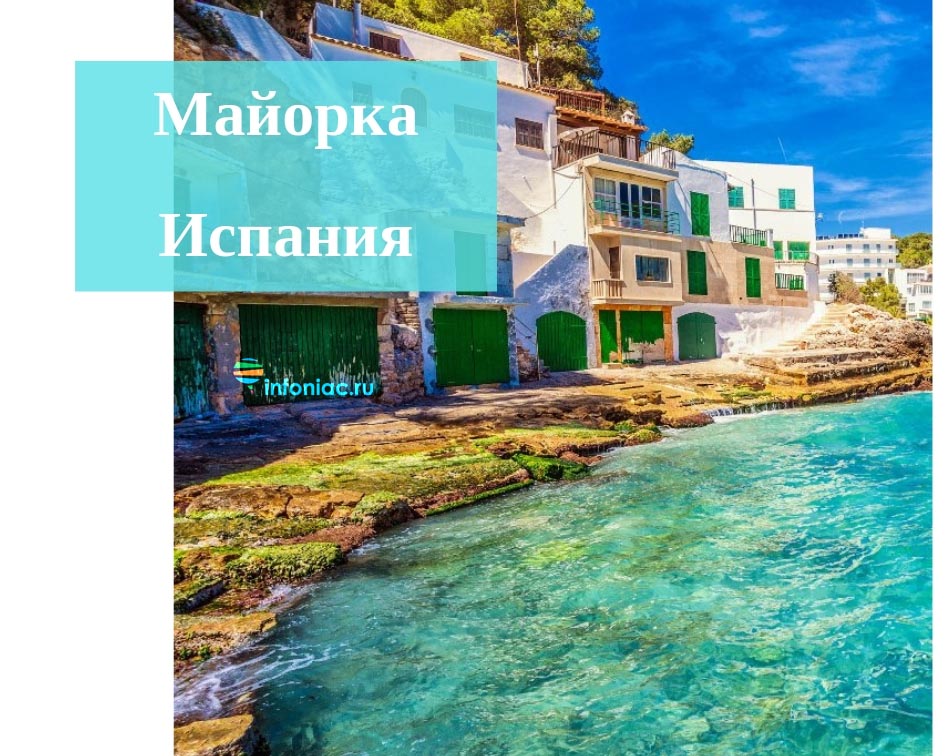
More than 10 million tourists visited Mallorca in 2017, compared to 6 million in 2010. It's no wonder that this Mediterranean paradise with its stunning beach resorts, secluded grottoes, enchanting cliffs, mysterious ruins and unrelenting nightlife is so attractive lovers of bright holidays from all over the world.
However, despite positive reviews, the sharp increase in the number of vacationers has led to what is known as a serious environmental crisis and the commercialization of landscapes, environments and heritage. As a result, the authorities increased the tourist tax, which is now €4
per day per person, which is added to the cost of a hotel room.
Santorini, Greece
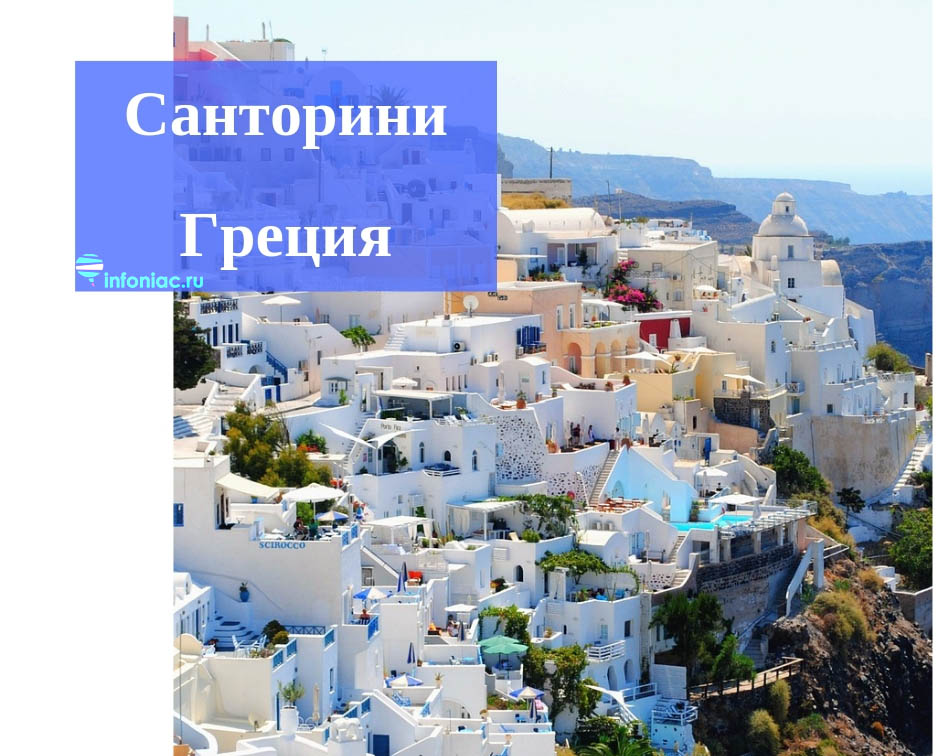
Santorini is an amazing island in the Cyclades archipelago, in the Aegean Sea, which surprises visitors with its snow-white geometric houses on the rocks. One of its main features is that the islands are home to an active volcano, whose crater is located in the middle of the sea — the only volcano of its kind in the world. Despite its small size, Santorini has become one of the most popular resorts in the entire country, mired in high levels of water and energy consumption and consumption.
To resolve this issue, special desalination plants were built on the island, but the number of tourists is increasing so rapidly that this is no longer enough. To resolve the situation, in 2017, the authorities limited the possible number of tourists arriving on the island on cruise ships to 8,000 per day.
Everest
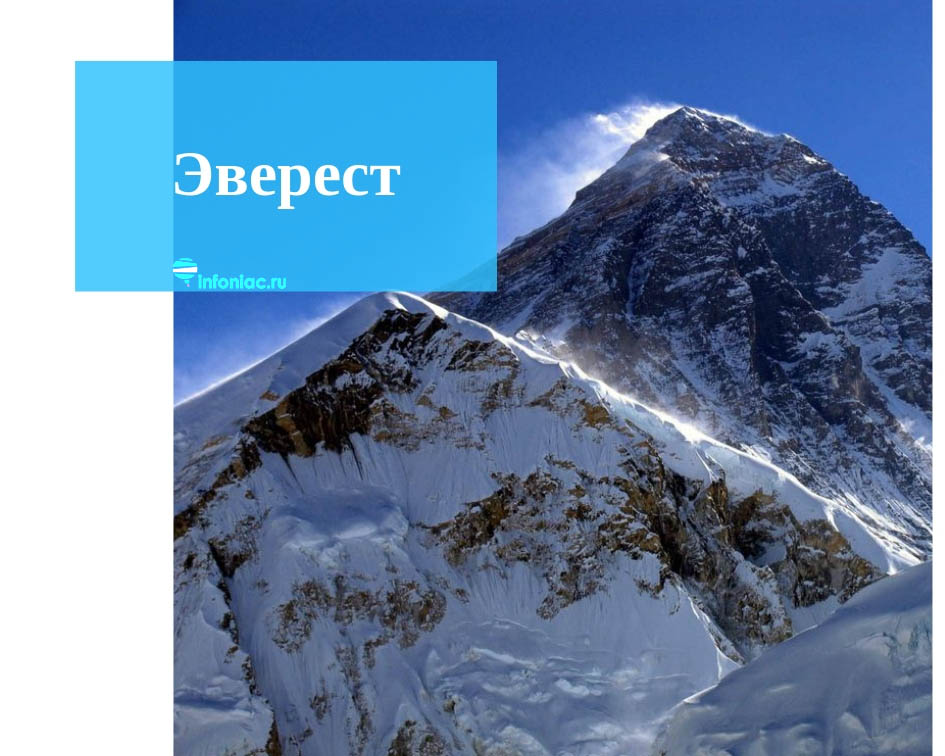
Despite the terrible earthquake in Nepal in 2015, which denied thrill-seekers access to Everest's treacherous slopes, more than 36,000 people visited the mountain in 2016.
Sherpa guides suffer the most, who have to clean up huge piles of garbage left behind by sloppy tourists.
At one point, Sherpa guides even threatened to go on strike to get better wages for their incredibly dangerous and thankless work.
Dubrovnik, Croatia
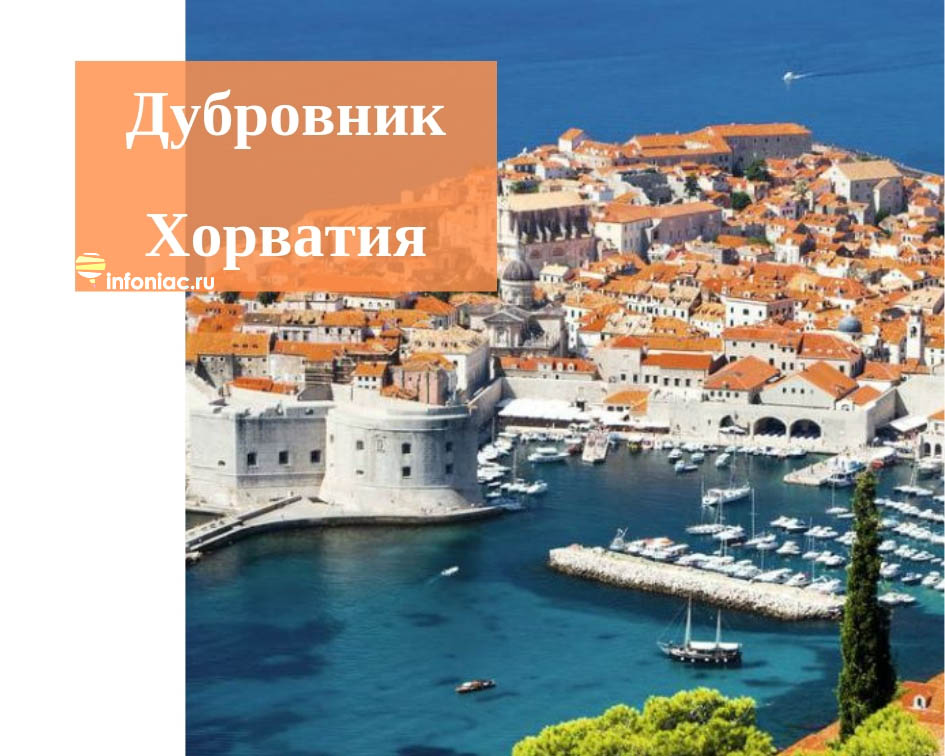
Due to the huge popularity of Game of Thrones, the number of tourists in Dubrovnik has increased dramatically over the past few years. In the coastal city, which is often seen on the show, the number of visitors increased by 10% in 2015 alone.
However, the city was not ready for such drastic changes, and the authorities had to take measures to somehow control the influx of tourists. Thus, in August 2017, the mayor announced plans to reduce the allowable number of tourists from 8,000 to 4 per day in the next few years.