
 Incredible facts
The habit of making your bed in the morning can be bad for your health, scientists warn.
Researchers at Kingston University have found that when you make your bed right after sleeping, dust mites accumulate on it, which can worsen allergy or asthma symptoms.
What does a dust mite look like and why it is dangerous
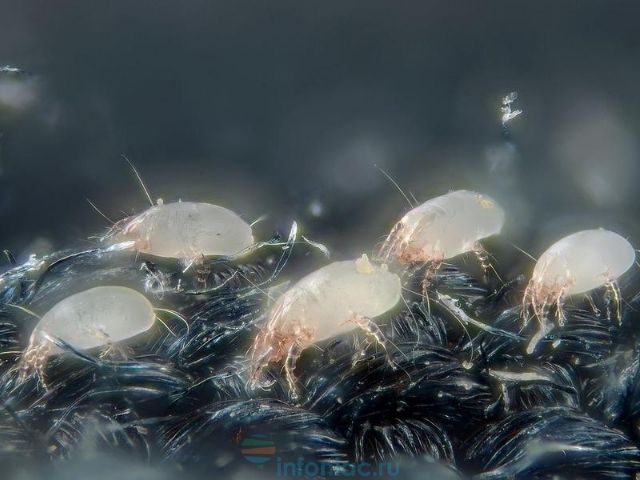
Dust mites are microscopic arthropods about 0.2 -0.3 mm in length. They are too small to be seen with the naked eye and look like tiny white bugs with eight legs under a microscope.
House dust mites do not have the ability to fly or jump. They prefer a warm environment (23 to 27 °C) and a humid environment (70 to 80 percent humidity).
Dust mites feed mainly on skin scales in humans and animals, as well as on mold.
© Wikipedia
When we sleep at night, our bodies warm up and sweat, making us the main target for dust mites.
When you make your bed right away in the morning, it traps moisture, making it a breeding ground for more than 1.5 million dust mites.
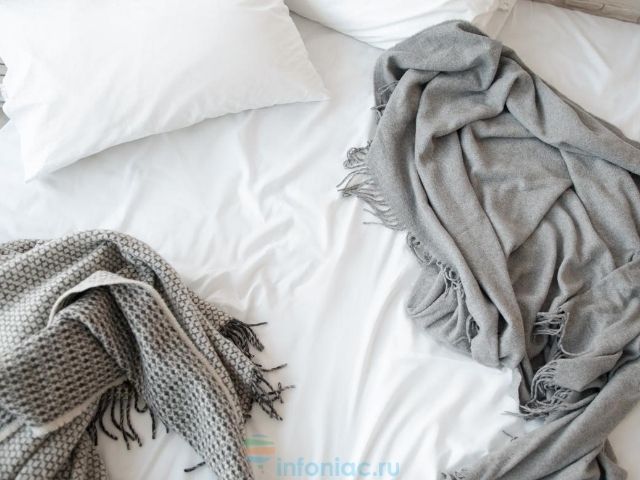
If you leave your bed unmade, mites are exposed to air and sunlight, which deprives them of moisture and they die.
© Getty Images
“We know that dust mites can only survive by absorbing water from the atmosphere using small glands on the outside of their bodies,” explained researcher Steven Pretlow. Leaving your bed unfilled throughout the day helps remove excess moisture from bed linen, pillows and mattresses.”
Because dust mites produce allergens, this can cause problems for people with asthma and allergies. For this reason, it is important to reduce dust mites in the home and especially in bed.
If you find it difficult to come to terms with the idea of an untidy bed, leave it uncleaned for at least a few hours to minimize the risk.
However, not all health professionals agree that our apartment or house retains enough moisture anyway to breed house dust mites.
There are also several effective ways to prevent and combat dust mites in the home.
How to get rid of dust mites at home
© Getty Images Pro
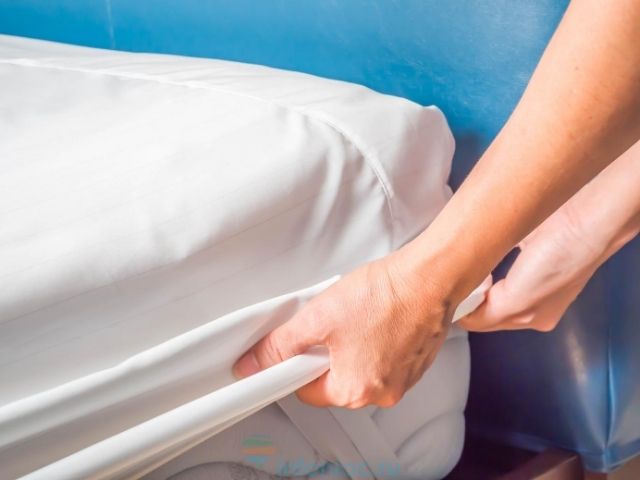
Cover pillows and mattresses with special hypoallergenic, dust-proof zippered covers.
Wash pillowcases, cloth covers, sheets and blankets at least once a week at temperatures above 60°C or according to the manufacturer's label.
Although vacuuming won't kill dust mites, it will remove some of the faecal mite mass that causes allergies.
Pets don't belong in bed, so be careful not to let them into bed.
Avoid carpets on floors and walls, or use small rugs that are easy to wash.
Keep the temperature in the apartment no higher than 20° C – this will be the optimal environment for humans, and unfavorable for domestic dust mites.
Reduce the humidity level in the bedroom to 50% or lower (ideally 35 to 40%). You can determine the humidity level in your home using special monitors. In case of high humidity, ventilate the room more often, and also use fans.