
 Events
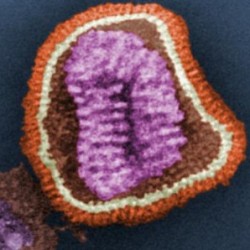
A new type of coronavirus that was recently discovered in humans continues to spread, the World Health Organization has warned. The number of cases around the world is now 49 people, of which 27 have been fatal.
The viral infection begins like a common cold, affecting the respiratory system, and ends with pneumonia and kidney failure.
Health experts don't yet know how the virus spreads, but it's already threatening all of humanity.
Most cases have been reported in the Middle East, but people have also died from the infection outside the Arabian Peninsula.
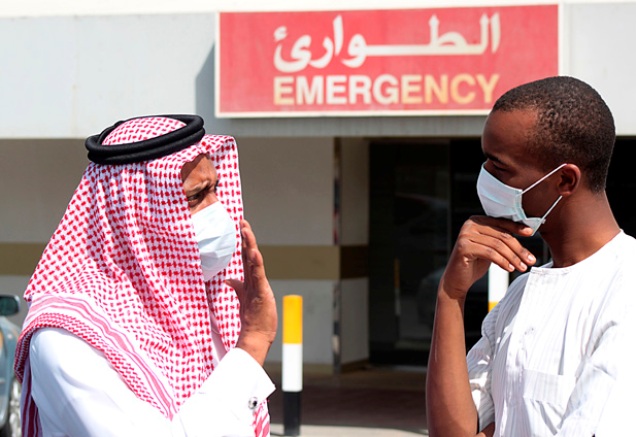
All cases of infection in Europe are directly or indirectly related to the Middle East, WHO reported. A patient who contracted the virus during a trip to the Middle East died in France on Tuesday.
Coronaviruses cause diseases ranging from the common cold to severe acute respiratory syndrome (SARS), as well as various diseases in animals.
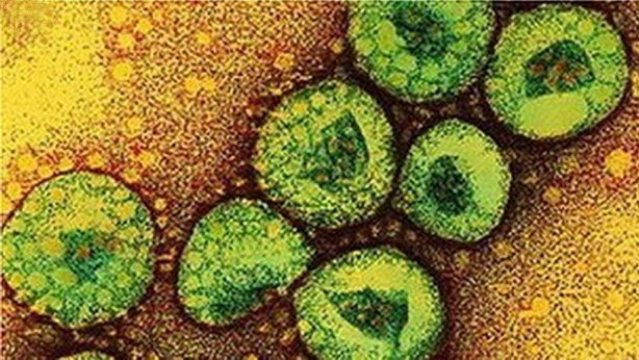
The new virus is called MERS-CoV (Middle East respiratory syndrome coronavirus).
What is the MERS-CoV coronavirus?
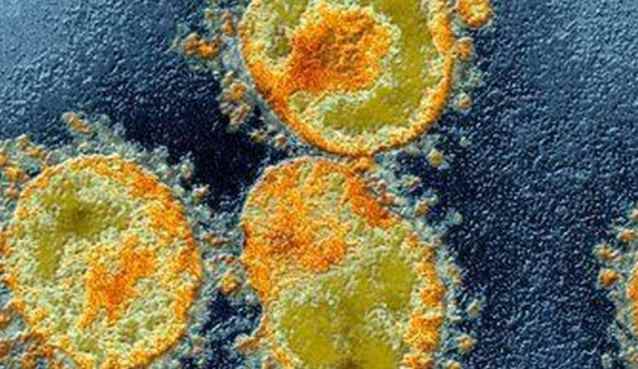
The MERS-CoV coronavirus or Middle East respiratory syndrome coronavirus or camel flu is a viral respiratory infection.
· The first cases of MERS-CoV coronavirus appeared in Saudi Arabia in 2012.
· MERS-CoV belongs to the family of coronaviruses that cause colds.
· All cases involve countries on or adjacent to the Arabian Peninsula.
· MERS-CoV coronavirus cases in other countries are linked to trips to the Middle East.
· Mammals are believed to play a role in the transmission of the virus, namely bats and camels.
In addition to humans, MERS-CoV strains have been found in camels in Qatar, Egypt and Saudi Arabia, and in bats in Saudi Arabia.
· Doctors describe MERS-CoV as a flu-like illness with symptoms of pneumonia.
· MERS-CoV patients usually develop a severe acute respiratory illness. Some people have a mild form, while others have no symptoms.
· There is no specific treatment for patients with MERS-CoV infection.
· Of all confirmed MERS-CoV cases, 36 per cent were fatal.
Symptoms of MERS-CoV coronavirus in humans
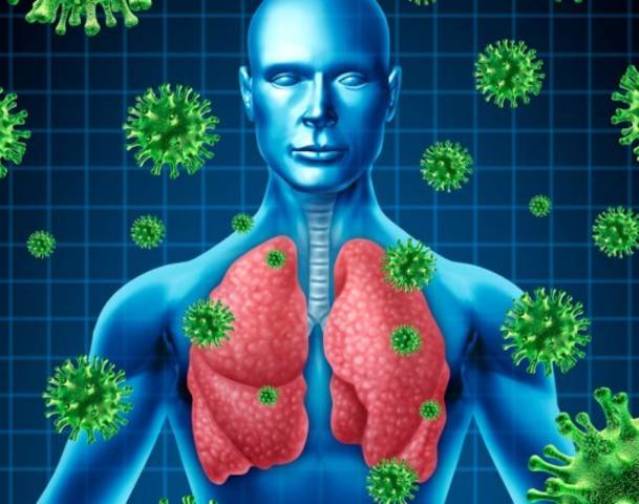
Symptoms include high fever, coughing, and difficulty breathing. So far, there is no cure or vaccine for the infection. Some patients develop pneumonia and kidney failure. There have also been cases of gastrointestinal problems, namely diarrhea.
Here are the most common symptoms of the MERS-CoV coronavirus:
· High fever above 37.7 ºC
· Cough
· Difficulty breathing
· Chills
· Chest pain
· Body aches
· Sore throat
· Feeling of general malaise
· Headache
· Diarrhea
· Nausea, vomiting
· Runny nose
· Kidney failure
· Pneumonia
The following groups of people are more susceptible to MERS-CoV infection and its complications:
· Patients with chronic conditions such as diabetes, chronic lung disease, and heart disease
· Older people
· Organ recipients who receive immunosuppressive drugs
· Other patients whose immune systems are weakened, such as cancer patients undergoing treatment.
Middle East respiratory syndrome coronavirus: prevention

Unlike flu and other colds, MERS-CoV does not appear to spread easily among people in public places. It is spread mainly among those who are in close contact with a patient with this infection.
There is currently no vaccine available to prevent MERS-CoV. It is possible to reduce the risk of illness by following basic hygiene rules:
· Wash your hands with soap and water for at least 20 seconds.
· Cover your nose and mouth with tissues when you cough or sneeze. Throw away used wipes immediately and wash your hands thoroughly afterwards.
· Disinfect surfaces you touch frequently, such as door handles.
· Avoid touching your face, mouth and nose with unwashed hands.
· Do not share utensils and other utensils with sick people.
When traveling abroad, you should avoid close contact with people who have symptoms of the disease. Also, do not eat raw, poorly cooked meat, unwashed fruits and vegetables, and drink drinks with unsterilized water.
The new MERS-CoV coronavirus: what you need to know
– The virus is transmitted from person to person
WHO has not yet determined exactly how the virus spreads, but there have been several cases confirming person-to-person transmission. It may be transmitted through coughing and sneezing or contact with an infected environment. People who are in close contact with an infected person are more at risk, and there have been cases of infection from a patient to medical professionals.
– It is less contagious than SARS
WHO said that SARS, a type of coronavirus recorded in 2003, is remotely related to the new MERS-CoV virus. As one family of viruses, infections cause severe symptoms, but SARS is also characterized by muscle pain and chills. The main difference between the two viruses is that MERS-CoV is not as easily transmitted as the SARS virus.
– Concomitant diseases make you more susceptible
Most cases were reported in people with other diseases, which may play a role in transmission. The infection appears atypically and without respiratory symptoms in people with weakened immune systems.