
 Useful tips
Many people choose to keep their savings at home rather than in a bank deposit or safe deposit box.
As a rule, in such cases, people are looking for the most reliable places to put their money so that it is not easy to find them, and they don't have to worry about their safety.
There are plenty of hiding places in the house where you can hide your money, but there are also places where you shouldn't hide your savings. The main thing is to keep your money in the most inconspicuous things and places.
What do they keep their money in
Many people are trying to come up with extraordinary ways to hide money, such as:
* behind the wallpaper;
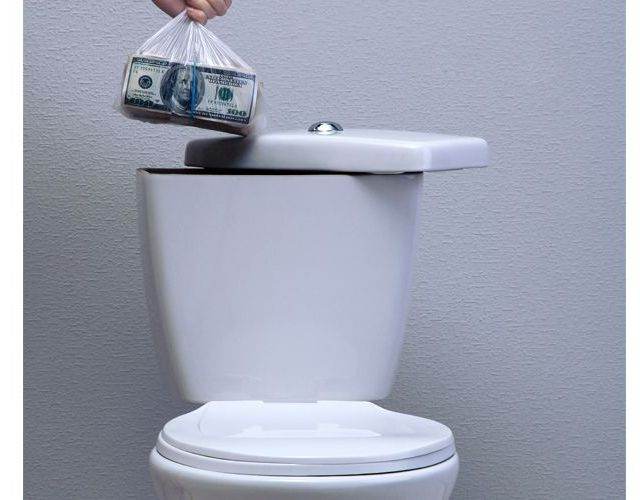
* in a toilet tank (inside a waterproof bag);
* in piano, guitar or other instrument;
* in old shoes;
* in an old tin can buried in the ground (if a person does not live in an apartment, but in a house on the ground).
Read also: How to give money in an original way
Where is the best place to keep your money
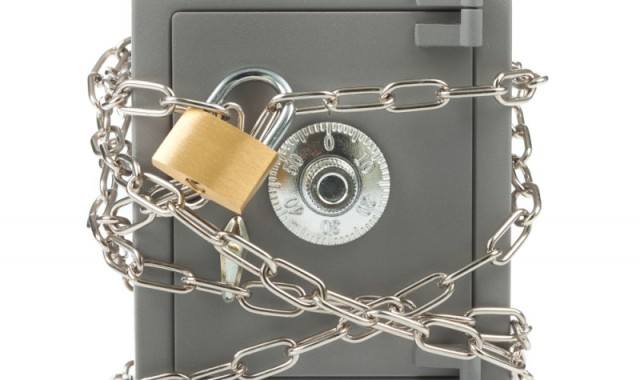
And yet, if you really want serious protection for your funds, it is better to use a safe that is equipped with a high level of protection (physical and intellectual).
Such protection makes the safe strong, and a reliable code is a serious obstacle for intruders.
Of course, it is better that the safe has multi-level protection, which could reduce the chance of opening it to almost zero
Where to hide money
Here are some more interesting and reliable places in the house where you can hide money:
1. In an envelope taped to the bottom of the kitchen cabinet.
2. In foil placed in the freezer among the products.
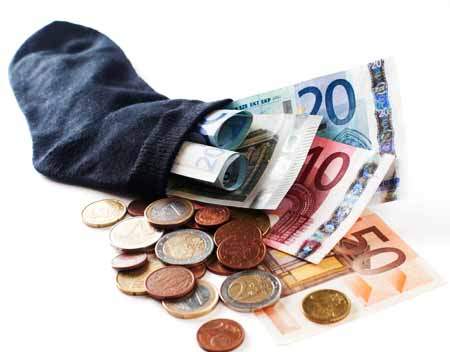
3. In a sock at the bottom of the drawer where socks are stored.
Also read: 10 ways to hide your money and other valuables
4. In an empty package for aspirin or other drugs (with opaque walls) in the bathroom.
5. In the pocket of a specific shirt in the closet.
6. If you have many folders on your desk, you can store them in one of them.
7. In one of the books (or several books) on the shelf. Just choose books that you can easily remember and that are not in sight.

8. Inside a large cup in the back of the kitchen cupboard.
9. Inside an empty soda bottle (with a lid) placed in the far corner of the refrigerator.
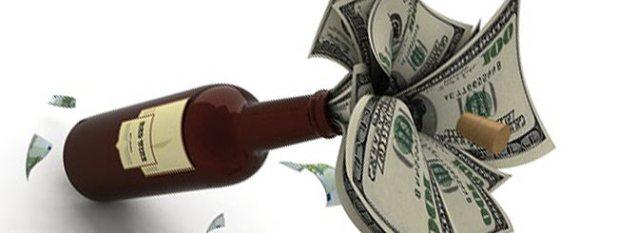
* It is worth noting that refrigerators, coffee makers, microwaves and other kitchen appliances are popular storage places, so thieves will check everything in them, which means you need to be smart.
10. In an envelope placed inside the disc package.
Where else can you hide your money
11. In the curtain rod.
12. In an old toy that kids don't play with and can be placed deep in the toy locker.
13. In a plastic bag inside lettuce or cabbage leaves. It may seem strange, but if someone looks into the refrigerator looking for money, they will definitely not look inside the food.

14. In an additional pipe, which is not part of the bathroom, but at the same time creates the illusion of a single design.
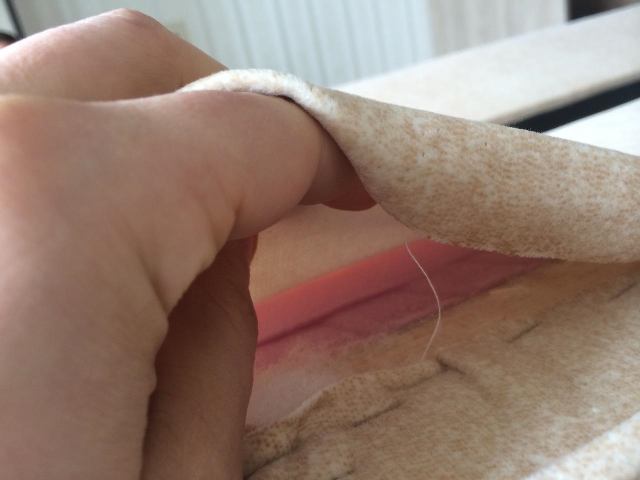
15. In the foam rubber of the sofa. First, you need to remove the cover and remove a small part of the foam, making a hole in the sofa where it will not be visible during a quick examination. The upholstery can be secured with a stapler.
16. Inside the magnetic tape in the refrigerator door. First, bend the rubber base, then carefully make a small cut with a blade and remove a few magnets, instead of which you can insert banknotes.
17. In a cactus. If you have a cactus in your pot at home, you can make a small hole in it. But first you need to soak the soil, after which you should cut the core of the cactus in its lower part.
How to hide money at home, office and hotel
If you ask where it is easier to hide money: in a private home or in a hotel, in an apartment or in an office, most people are likely to answer the first, but this is not the case.
There are plenty of hiding places in the office or hotel where you can hide money. Here are a few of these caches that experts recommend:
* Socket.
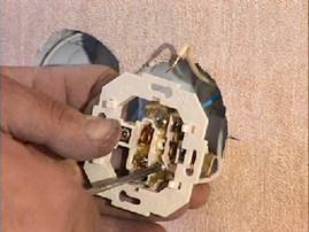
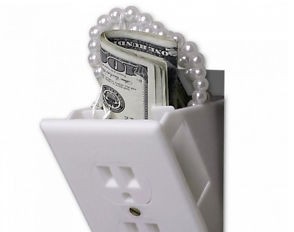
Every sane person will not endanger his life, which means that he does not intend to get into the outlet.
You just need to turn off the power, unscrew the plastic cover from the outlet and find a hole where you can hide jewelry and money. It is desirable to wrap everything with a rubber cloth.
Of course, such a cache should not be used by those who do not understand electrical engineering well.
* Fake socket.
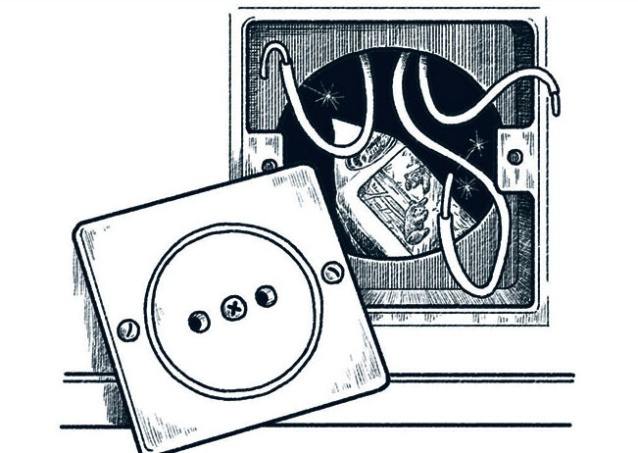
Put the money and/or jewelry in a small box and insert it into the wall or behind a broken outlet.
* Float in the toilet bowl.
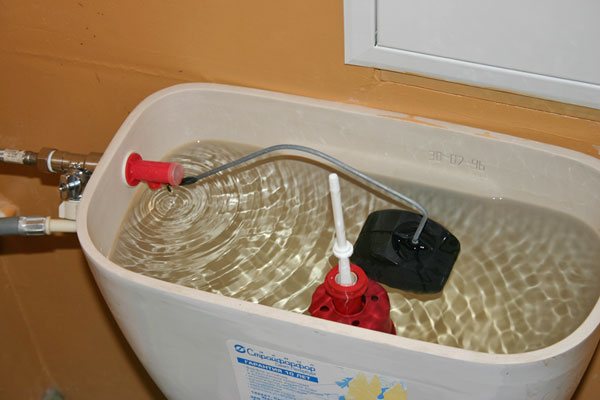
This part of the toilet is in a barrel and is made of plastic, and its size is about the size of a fist. If you carefully twist the banknotes, they can be hidden in the tank. First, turn off the water, then unscrew the toilet part.
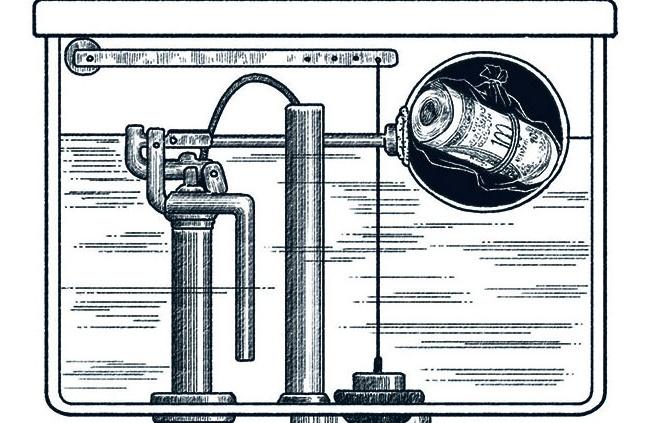
You will have to shove the banknotes one at a time. If you are troublesome to do this, you can cut the float, then put money into it, and use a lighter or superglue to glue the seam.
The downside of this method is that it will not be easy to get savings. In addition, there is a risk that by your actions you may interfere with the normal operation of the toilet.
* Table top.
If you remove the sides of the table top, you can make several holes on the side with a drill. Next, using a file, make a small rectangular hole to store money.
Should I hide my money at home? Pros and cons.
Benefits:
– quick access to money (you can quickly get it, count it, add it and hide it again);
– You can change the storage location at any time.
Disadvantages:
– money depreciates quickly;
– under a certain influence, you can spend your savings without thinking;
– At home, the risk of intruders being invaded is higher than in a bank.
Where you can't hide money
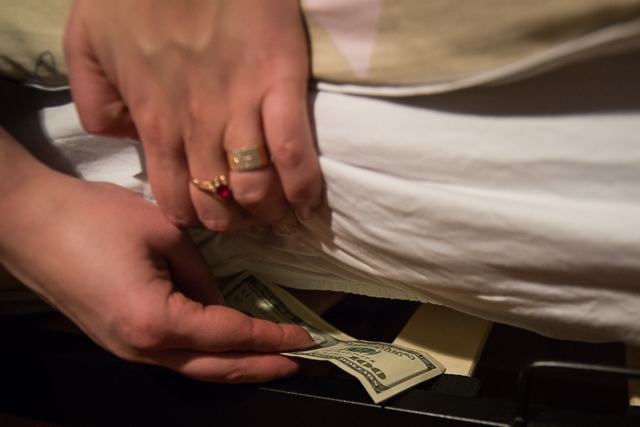
In these places, thieves will search primarily for:
1. Wardrobes, dressers and nightstands.
2. Books, especially ones that are in plain sight.
3. Different containers where cereals are usually stored.
4. Under and inside the mattress.
5. If you decide to hide your money in a refrigerator or microwave oven, then do it more cunningly, not just putting money in a container and in a refrigerator.
6. Vases, boxes and other small items that decorate the interior and have cavities for storing jewelry and money.
7. Paintings and mirrors.