
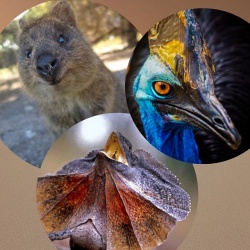
 Unbelievable facts
Millions of animals have died in fires in Australia, and the future of flora and fauna looks even bleaker.
The total area of burnt plantations is more than 10.7 million. Hectares Environmentalists say months of intense and unprecedented fires will almost certainly lead to the extinction of several species, and some of them may never appear again.
Climate scientists have long warned that greenhouse gases will lead to a wave of extinction.
Also read: 20 amazing facts about Australia
Forest fires not only lead to the death of animals, but also create conditions for hunger. Trees and invertebrates that birds feed on are being destroyed. Mammals that actually survive have nowhere to hide, which becomes an arena for wild animals to hunt.
The fires are so widespread that a large number of species, including endangered ones, will be immediately destroyed. Experts estimate that more than a billion animals have already died in Australian fires.
Australian wildlife
What are the unique animals that live in Australia?
Australia is home to the most diverse and unique species of animals, birds, reptiles and plants. The most famous ones include kangaroos, koalas, echidna, dingo, platypus and wallabies.
From cute and fluffy to terrifying, this list of animals might not be complete, but there's certainly a lot you didn't know about these animals.
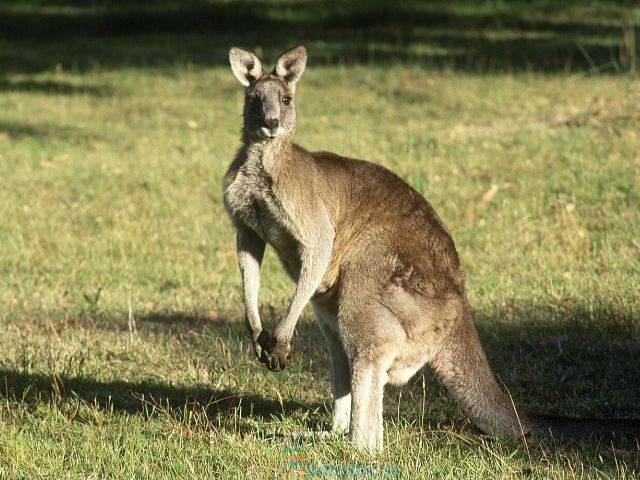
1. Kangaroos
© Tourism Australia
The kangaroo is Australia's unofficial national animal and one of the largest members of the kangaroo family.
The animal is depicted on the country's coat of arms. Kangaroos are endemic to Australia, where there are about 40 million. The big red kangaroo is the largest marsupial in the world, and the gray kangaroo is the most common species.
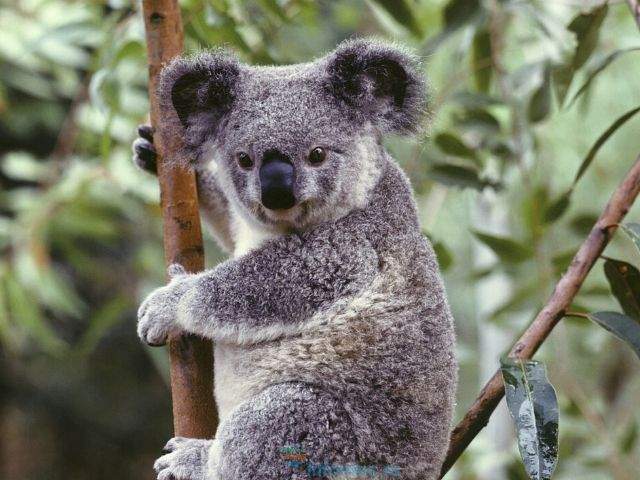
2. Koala
© Tourism Australia
The koala is a herbivore from Australia that lives primarily in coastal areas of Queensland and Victoria.
Koalas are also a symbol of Australia, but due to habitat destruction and hunting, they are considered one of the most vulnerable species. Koalas in the north tend to be smaller than their counterparts in the south, which can be twice as heavy.
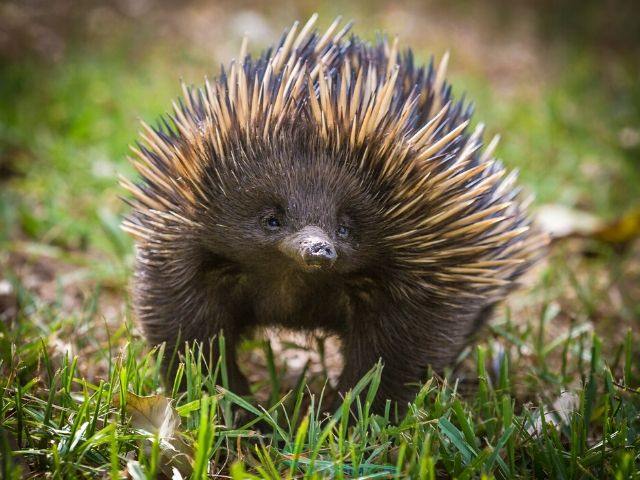
3. Echidna
© Pelooyen/Getty Images Pro
The echidna is one of the rarest animals and one of only two species of mammals in the world that lay eggs.
It looks very much like a porcupine, but is closer to platypuses. After laying a single egg 22 days after mating, the female echidna places the egg in her bag, where it stays for 2 months. And male snakes have a four-headed penis.
4. Platypus
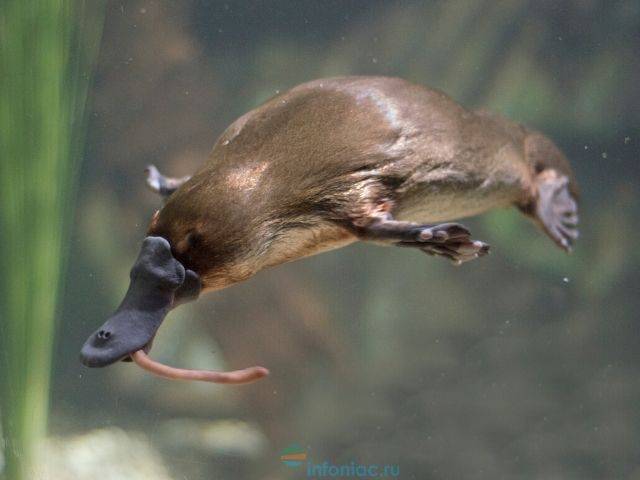
© Johncarnemolla/Getty Images Pro
The platypus is probably one of the most unusual animals in Australia and the world. It is the second egg-laying mammal found in Australia's semi-aquatic zone.
The platypus is a strange mix of duck, beaver and otter and is also one of the world's most venomous mammals.
5. Wombat
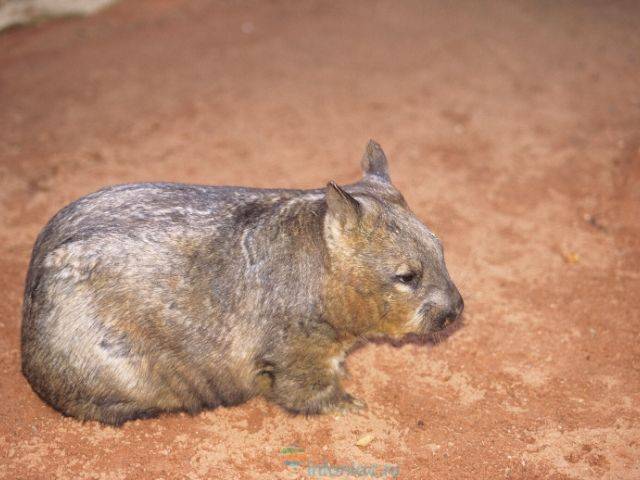
© Tom Brakefield Photo Images
Wombats are native to Australia and live primarily in Tasmania in mountainous areas, forests and grasslands.
Wombats are marsupials, but unlike most marsupials, their sac is turned back. Wombat faeces are square in shape. Wombats have strong claws on short legs and look like a well-fed ground squirrel. Because they are nocturnal, burrowing animals, you're unlikely to see them in the wild, even if they're medium-sized dogs.
Wombat species are protected in Australia, and Epping Forest National Park is the only habitat for northern hairy wombats that are on the verge of extinction. In 2015, their number did not exceed 230 individuals.
6. Rabbit bandicoot
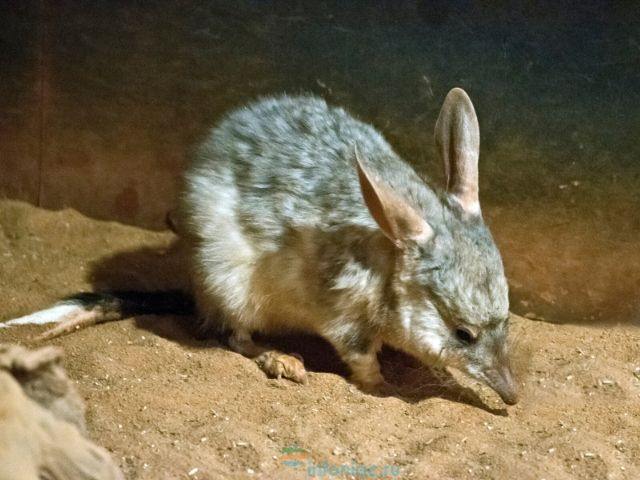
© OzFlash/Getty Images
The rabbit bandicoot is one of Australia's endangered animal species and one of the shortest mammals in the world. Large, hairless ears and long, thin hind legs give the animal a pretty funny look.
The marsupial fur is soft and silky, colored blue-gray with brown spots. The animal's belly is white and its long, hairless snout is pink.
The rabbit bandicoot is a larger member, and the small rabbit bandicoot is an extinct member of this genus.
7. Wallabies
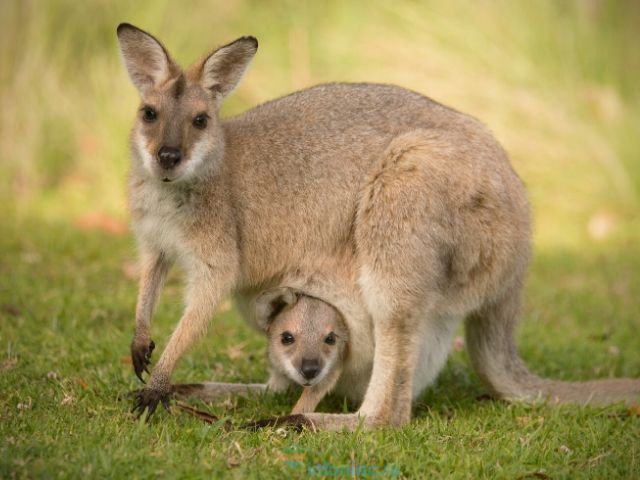
© Shmenny50 Getty Images Pro
Wallabies are actually kangaroos, but smaller kangaroos native to Australia. They reach about 1.8 meters in height and can weigh between 2 and 24 kg. Four species of this family are already extinct, while others are on the verge of extinction due to hunting for their meat and hair.
8. Sugar marsupial flying squirrel

via GIPHY
Sugar marsupials are quite common on Australia's north and east coasts. These small marsupials are arboreal omnivores living in family groups and spend most of their time in trees.
Thanks to the membranes between their legs, flying squirrels can slip through the air up to 45 meters.
In addition, marsupials are among the most commonly sold wildlife.
9. Spotted marten
© craigrjd/Getty Images Pro
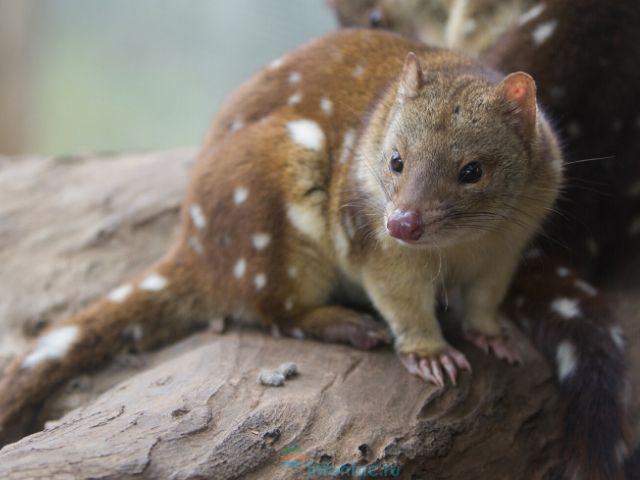
The five-tailed marten, also known as the tiger quall or tiger cat, is the second largest predatory marsupial found in mainland Australia and Tasmania.
The animal has a red-brown coat covered with white spots. They are mainly nocturnal and climb trees a lot.
Animals of Australia: photos and titles
10. Aga toad
© Click48/Getty Images
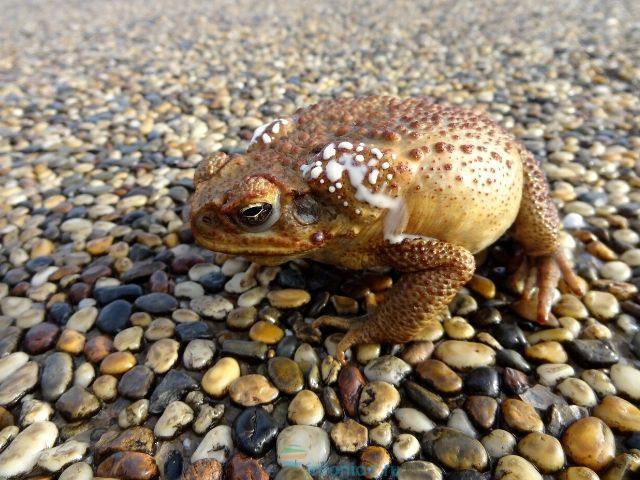
The Aga Toad was brought to Australia to control beetles by pests that destroyed sugar cane crops.
They quickly spread across the continent and also began to spread diseases. These toads are highly poisonous, and their venom can kill many animals, both domestic and wild.
11. Moloch
© Uwe-Bergwitz/Getty Images Pro
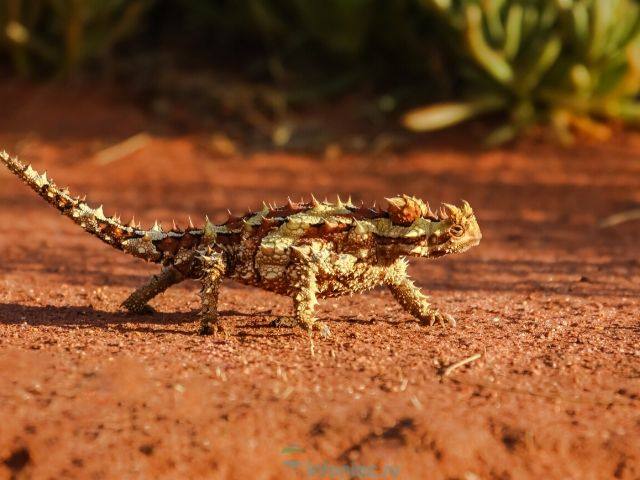
Moloch is the only species of devil's lizard found in Australia. This is a small (up to 20 cm) prickly lizard that lives in the Australian deserts and has excellent camouflage skills and even a false head to divert the attention of a predator.
They can also absorb water through almost any part of their body.
12. Taipan McCoya
© Ken Griffiths/Getty Images Pro
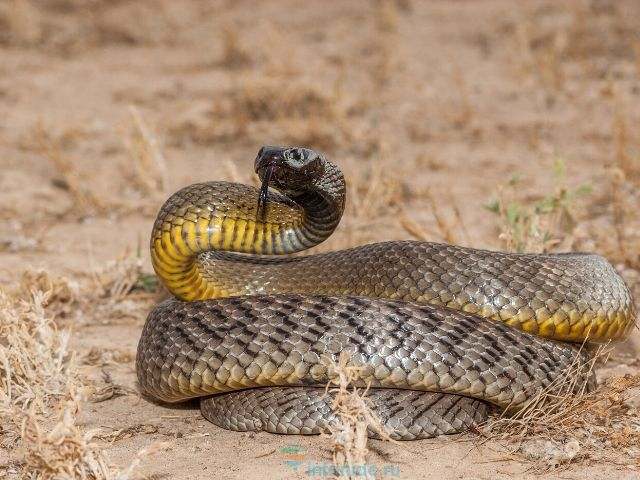
Taipan McCoy is the most venomous land snake in the world, living in areas of central eastern Australia.
Its venom is a compound of different types of venom, including neurotoxins and hemotoxins. One bite is enough to kill 100 people.
13. Tasmanian devil
Currently, the Tasmanian devil is a predatory animal that can only be found in the wild forests of the Australian island of Tasmania.
These animals look pretty cute, but they are known for their ferocious nature when they have to protect their food, when a predator approaches, or when looking for a mate. Tasmanian devils have the strongest bite relative to body weight of all terrestrial predators. Its jaw can open at an angle of 75-80 degrees, allowing it to generate enormous force, and is able to bite through thick metal wire.
This carnivorous marsupial is in danger of extinction and its population continues to decline. Unfortunately, many of them are dying from viral facial cancer.
14. Sand lizard
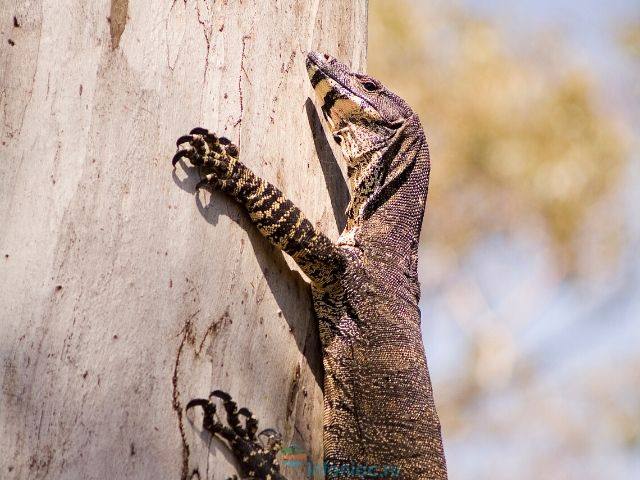
© THPStock
Goanna or sandlizard is one of the lizards and is the fourth largest lizard on Earth. There are about 80 species of sand lizards, 25 of which live in the desert regions of Australia.
Its size can range from 20 cm to 2 meters in length. These animals are a protected species throughout Australia.
15. Dingo
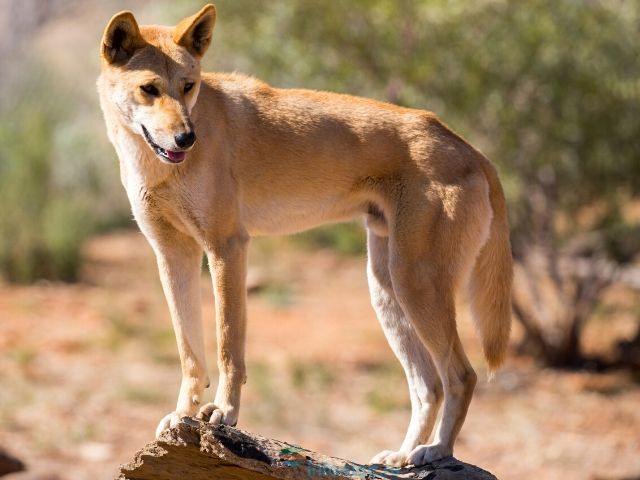
© FiledImage Getty Images Pro
Dingoes are wild dogs, but a species separate from dogs that live in the deserts and humid forests of Australia. Dingoes are the largest terrestrial predators in the country and are considered vulnerable and at risk of becoming extinct.
Dingoes are protected on Fraser Island, where signs with rules of conduct can be found throughout the territory.
16. Bottlenose dolphin
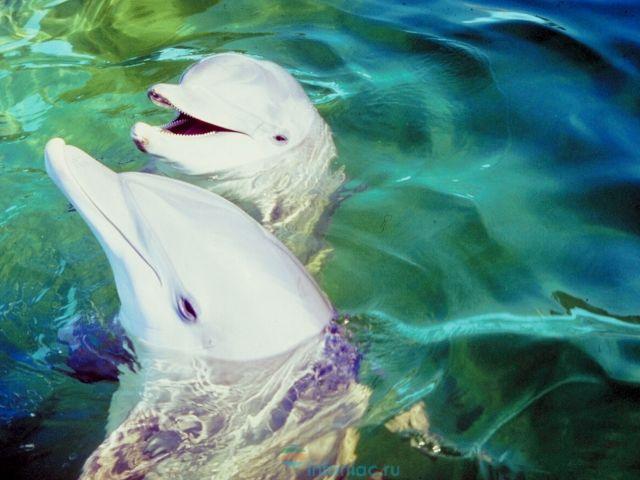
© Jupiterimages/Photo Images
The bottlenose dolphin lives in temperate waters around the world. If you go to the ocean coast, you'll probably spot these dolphins at some point.
17. Australian crane
The Australian crane is Australia's largest flying bird. He is also known for his ritual complex courtship dance, accompanied by throwing branches, bouncing, stretching his neck, bending and shaking his head.
Australian cranes can be found in many parts of tropical Australia, especially Queensland, where they are the official emblem.
18. Camel
You might be surprised because camels are not native Australian animals. They are worth mentioning because there are a lot of wild camels in the country, especially on the Outback territory (and there are more than 1.2 million of them).
They were brought in to help with transportation and construction back in the 19th century, but they are now wild. There are so many camels that they are exported to the Middle East.
19. Cassowaries
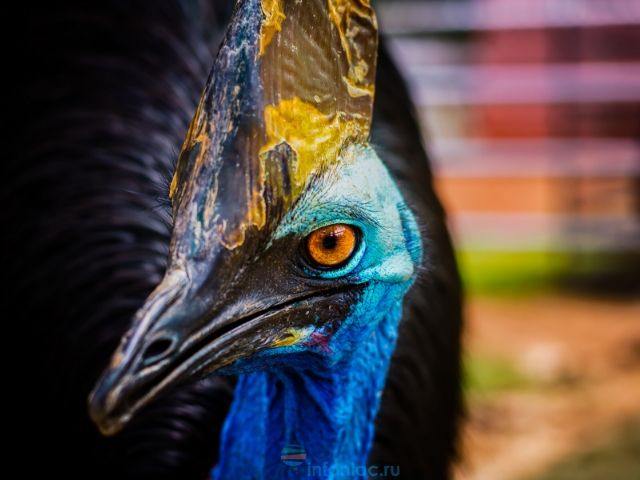
© Picnote Getty Images
These birds are warlike in appearance, but very beautiful due to the color on the head and neck. Cassowaries are predominantly found in northern Queensland, although the birds are quite secretive and you're unlikely to notice them.
However, despite their stealth, if disturbed, they can cause serious injuries, even fatal, to dogs and humans alike. They are often referred to as the most dangerous birds in the world.
Animals native to Australia
20. Dugong
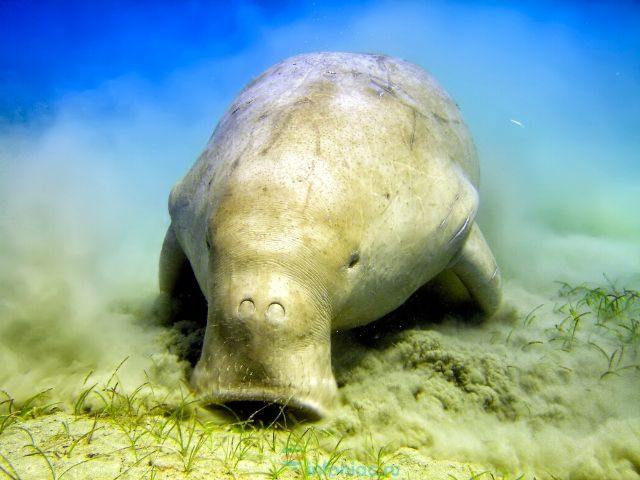
© Andrea Izzotti/Getty Images
The dugong looks like a manatee, being the only herbivorous marine mammal. Dugongs are in danger of extinction, so if you see them, you're very lucky. They can be seen mostly off the coast of Queensland. These animals are also called “sea cows” or “sea ladies” and are believed to have inspired fairy tales about mermaids.
21. Emu
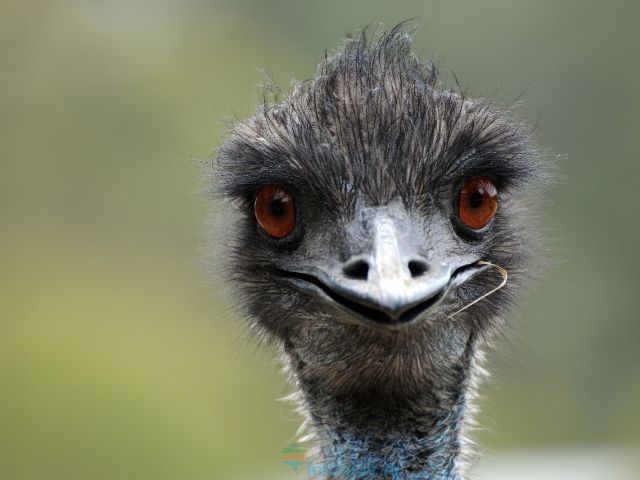
© Dalamaus/Getty Images Pro
The emu is the second largest bird in the world after the ostrich and the largest bird in Australia.
The large, fearsome and flightless emu is not the most common animal in Australia. However, it can be seen on the Australian coat of arms along with the kangaroo. Even more surprising is their presence on the coat of arms after they defeated the Australian army in the “Great War against the Emus” in 1932.
22. Little penguin
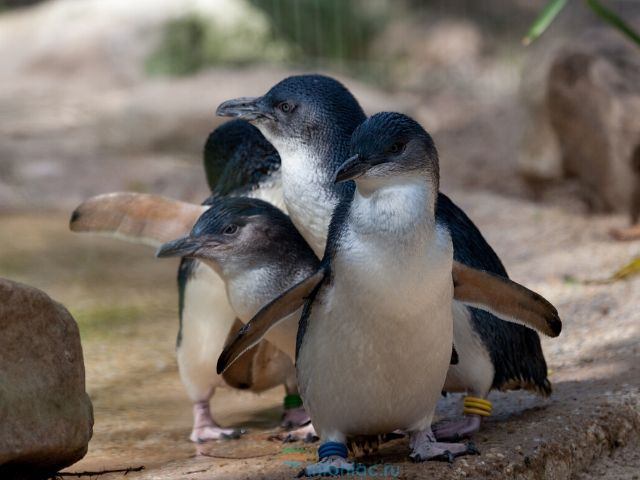
© MKoenen79/Getty Images
Despite the fact that many of us associate Australia with a very hot country, penguins, namely small penguins, live here.
These cute animals can be found on the coast of South Australia, and most often on Phillip Island, where you can watch the so-called penguin parade on the beach.
23. Flying foxes
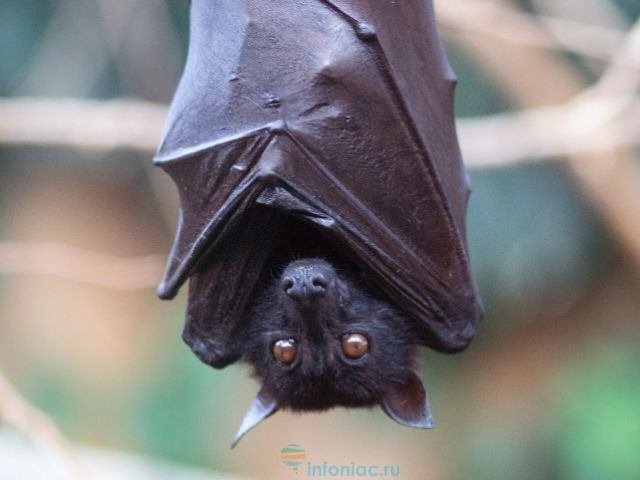
© pabloborcaphoto
Flying foxes are actually bats, not foxes.
The gray-headed flying fox belongs to the winged family, endemic to Australia, living mainly in the southeastern part of the country. Australia is home to seven species of flying foxes. They are classified as vulnerable and endangered. Before the heat and fires, hunting and deforestation were the main threats to them.
24. Frilled lizard
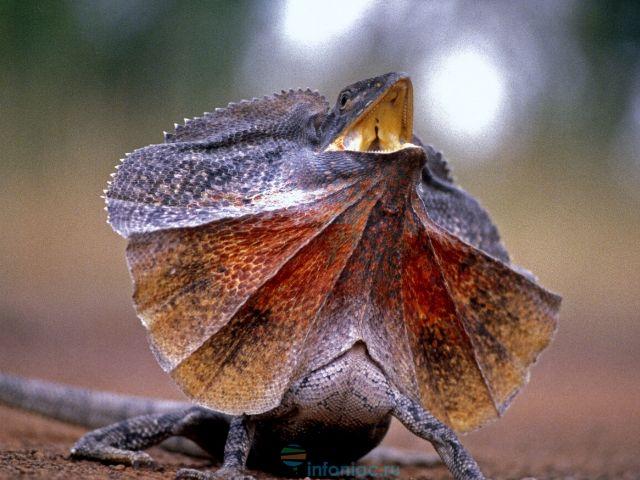
© Tourism Australia
Frilled lizards live in the northern territories of Australia. It is quite difficult to notice them, because due to their color they are easily disguised, except when they show off their colorful collar.
The collar is the most distinctive feature of this animal, which is normally folded and adjacent to the body. These lizards are quite large, reaching about 85 cm in length, but are harmless.
25. Navy SEAL
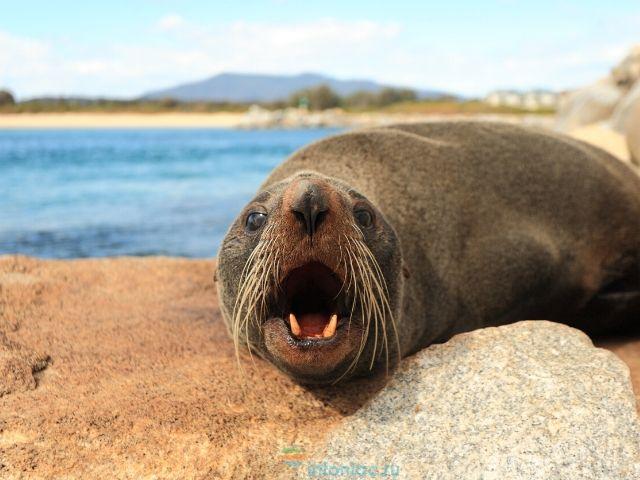
© Lovleah
The New Zealand fur seal is the largest seal species and the fourth rarest seal species in the world. They are found in the south and west of the country, and they are fully protected here.
Navy seals differ from other seals in that they have outer ears and the ability to use all four limbs to move on the ground, as well as a double layer of hair.
26. Pink cockatoo
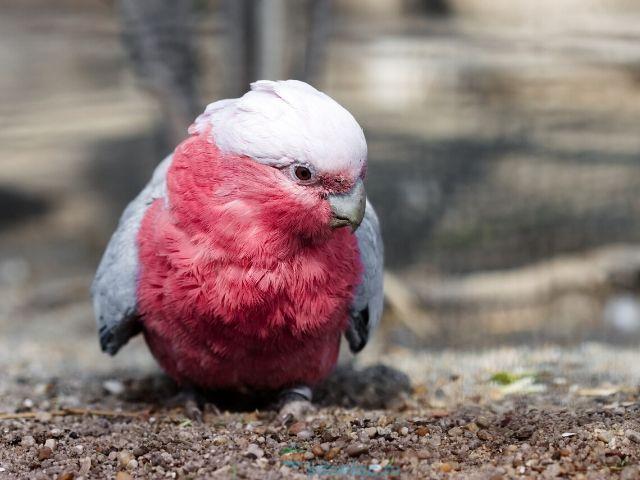
© gimesiattila
The gala, or pink cockatoo, is found in most areas of Australia, including some coastal islands. The pink cockatoo can be easily distinguished from other cockatoos by their characteristic gray and pink plumage.
The word “gala” in Australia has taken on the meaning of “idiot” or “fool”, perhaps due to the bird's playful behavior. They are very sociable birds, and are often found in huge flocks of up to 1000 individuals.
27. Ibis
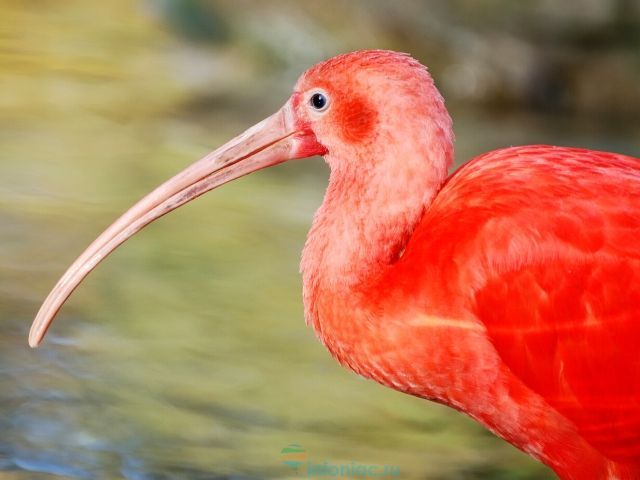
© manfredxy
These rather large and unusual birds can be seen everywhere. Their plumage is mostly white, and their legs and head are black. Due to their constant habit of digging in garbage, they are often called “garbage hens”. This is due to the fact that it is much easier for them to feed on garbage left by humans than in their usual swampy environment.
28. Kookabars
Kookabara belongs to the kingfishers family, being their largest representative. Australian cookabars are best known for making sounds reminiscent of a person laughing.
Their head is also quite large compared to the rest of their body.
List of Australian animals
29. Lyrebird
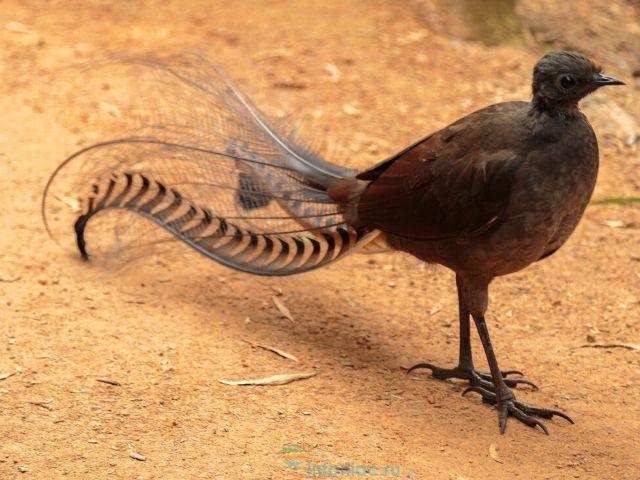
© Kirk Van Slyke/Getty Images
The lyrebird is one of two species of Australian birds in the genus Menura. They are best known for their excellent ability to mimic natural and artificial environmental sounds and for the amazing beauty of the male's huge tail, which he blossoms during the period courtship.
These birds are among the most famous native Australian birds.
30. Whistler crow
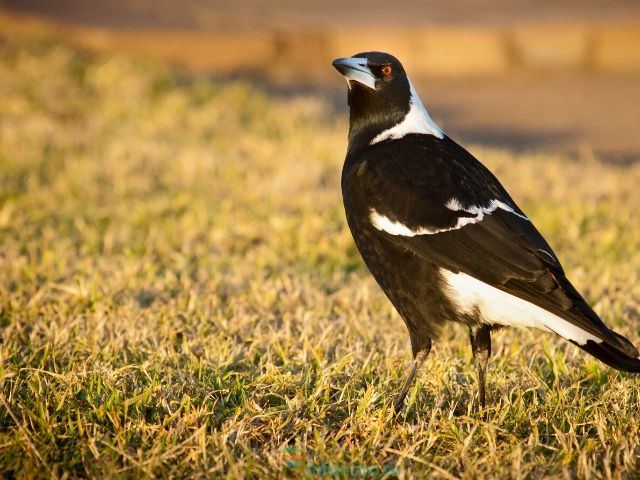
© THPStock
The Australian whistling crow can be recognized not only by its distinctive black and white plumage, like a magpie, but also by its rather harmful nature.
In fact, these birds are very intelligent and can even recognize faces. That's not the best thing about them if they suddenly think they don't like you.
31. Nambat
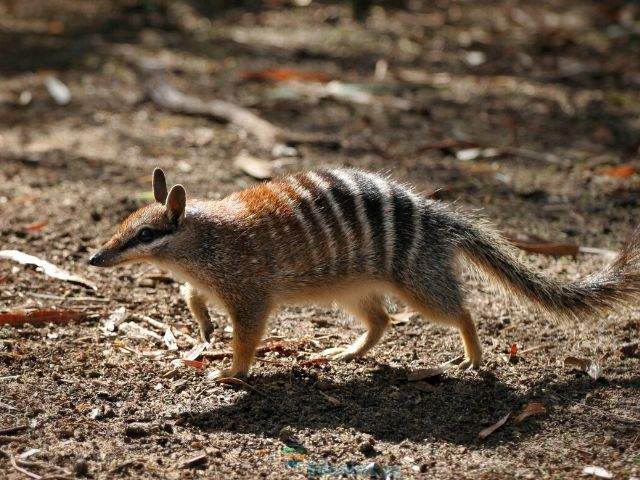
© mPot/Getty Images
The marsupial anteater or nambat is found primarily in Western Australia. They are quite unusual creatures, although they also have a pretty pretty appearance.
Nambat resembles an anteater and is actually known as a striped anteater. They are in danger of extinction due to persecution by predators such as wild cats and foxes, and are included in the International Red Book.
32. Quokka
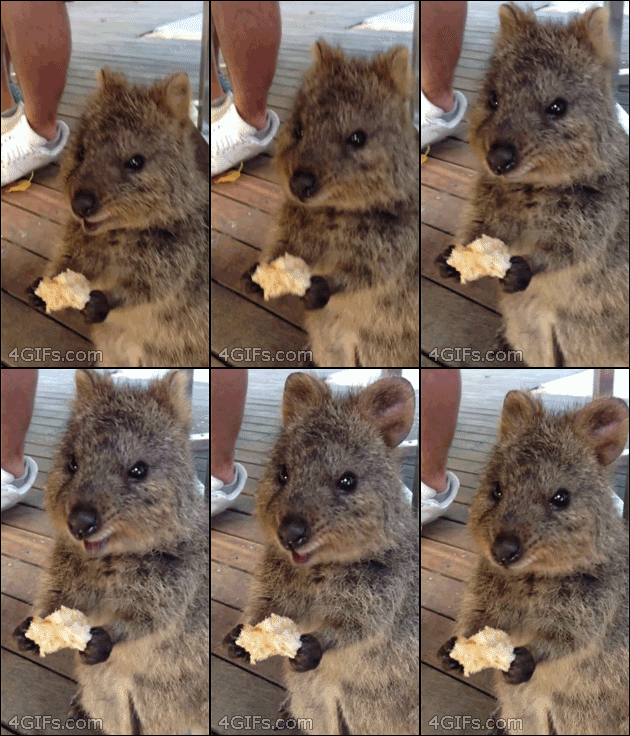
via GIPHY
Quokka is the only member of the genus Setonix, a small kangaroo the size of a domestic cat. Like other marsupials, quokka are herbivorous and mostly nocturnal animals.
This is probably the cutest and friendliest animal not only in Australia but also on the planet. Many of these animals can be found on Rottnest Island near Perth in Western Australia.
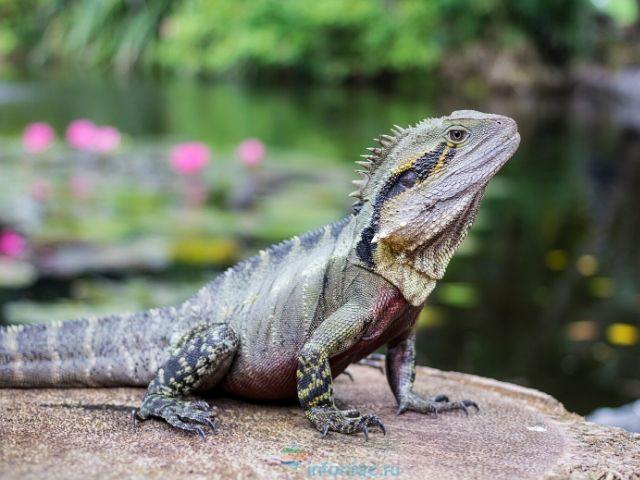
33. Water lizard
© oldbunyip Getty Images Pro
The Australian water lizard is found primarily in eastern Australia. They are semi-aquatic creatures and are often found near bodies of water: streams, rivers and lakes.
They're pretty fast runners and strong climbers. When faced with a potential predator, they seek shelter in dense vegetation or jump from branches into the water. They can be fully submerged and stay on the bottom for up to 90 minutes to avoid detection.
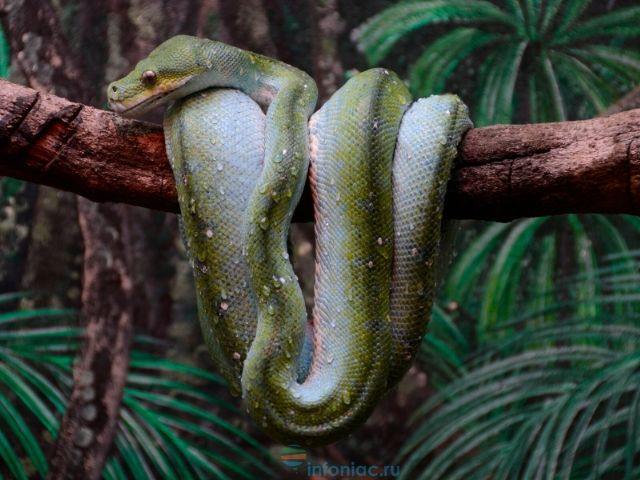
34. Snakes
© Brandon Long/Getty Images Pro
Snakes, including deadly ones, are quite common animals in Australia. In total, Australia has about 140 species of snakes, 32 of which are marine species.
And while about 100 species of Australian snakes are venomous, only 2 species can kill you, although it's unlikely.
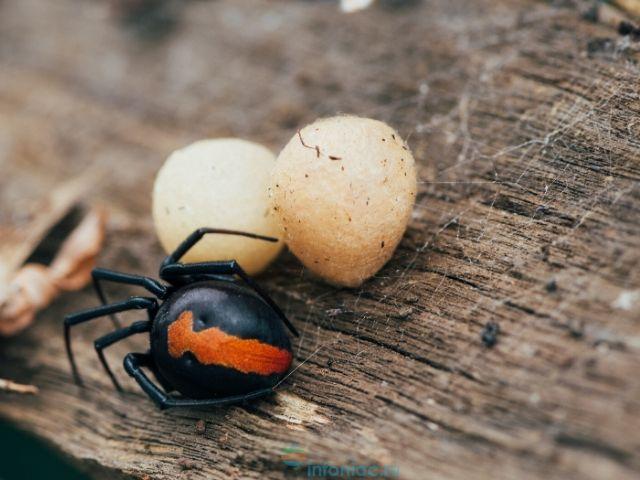
35. spiders
© Alexwang_AU/Getty Images Pro
Australia is home to a number of highly venomous spiders, including funnel water spiders and an Australian widow, whose bites are very painful and can lead to death.
However, most spiders in Australia don't have venom that would be dangerously toxic. Another endemic to Australia is the jumping spider, which has a brightly colored fan and interesting behavior with legs raised to attract females.