
 Useful tips
Vitamin A (retinol)
* Vitamin A
use* Deficiency vitamin
A* Which foods contain vitamin A?
Vitamin C (ascorbic acid)
* Vitamin C benefits
* Vitamin C deficiency
* Daily intake of vitamin C
* What foods contain vitamin C?
Vitamin
D* The benefits of vitamin D
* Daily intake of vitamin
D* In what foods does it contain vitamin D?
Vitamin E (tocopherol)
* Vitamin E benefits
* Vitamin E deficiency
* Vitamin E daily intake
* What foods contain vitamin E?
Vitamin F
* Vitamin F Benefits
* Vitamin F
Deficiency* Daily Vitamin F Intake
* What foods contain vitamin F?
Vitamin K
* Vitamin K
Benefits* Daily Vitamin K
Dose* What foods contain vitamin K?
How to preserve vitamins in foods?
Introduction (or briefly about the benefits of vitamins)
From time immemorial, people have been trying to discover the secret of eternal youth. These attempts continue today, because we all want to live a long time, while remaining beautiful and healthy. Unfortunately, the miraculous elixir that will help us fight old age has not yet been created, so each of us must take care of our health on our own.
And vitamins, which are essential nutrients that are not synthesized by the human body (the exception is nicotinic acid), will help in this difficult task. Therefore, the body must receive vitamins from the outside, namely from food.
At the same time, it is important to understand that vitamins should be ingested in moderate doses, but regularly, since a deficiency of at least one of them can lead to serious disorders in the functioning of systems and organs a person.
Vitamin deficiency leads to the following disorders in the functioning of the body:
increased physical and mental fatigue;
weakness;
irritability; sleep
disorders (this may be insomnia, and drowsiness);
impaired memory and attention;
weakened immunity;
difficulty in forming bones and teeth.
And this is not a complete list of problems that you can face if you do not include enough vitamins in your diet.
What vitamins are necessary for the body to function properly? We answer: A, D, E, C, K, P, H, F, N, B vitamins.
In this article, we'll talk about the benefits of vitamins A, C, D, E, F and K, as well as what their deficiency can lead to. We will find out which foods contain certain substances and in what dosages they should be consumed. After all, it is extremely important not to “overdo it” with the consumption of vitamins, since “a lot” is not always “useful”. Why? To answer this question, it is necessary to say a few words about the classification of vitamins that are fat-soluble and water-soluble.
Fat-soluble vitamins can be accumulated by the body itself, that is, they can be used later as needed. Vitamins A, D, E, K, F are fat-soluble. All other vitamins are water-soluble; they are not stored by the body, but are used immediately and then washed out in the urine.
Thus, there is a risk of poisoning (in other words, overdose) with repeatedly exceeded doses of fat-soluble vitamins. But an excess of water-soluble vitamins does not pose significant harm to the body, unlike their deficiency, because a person needs water-soluble vitamins every day, intake which may be irregular (one of the main reasons for the deficiency of this class of vitamins is restrictive diets in general and mono-diets in particular).
Conclusion! A nutritious and varied diet is the right way to health and longevity. And vitamins in such a diet are far from the last.
Vitamin A (retinol)

© krzysztofdedek/Getty Images
Fat-soluble vitamin A comes in two forms:
ready-made vitamin A (or retinol), ingested with animal food;
provitamin A (or carotene), which is transformed into vitamin A under the action of the carotenase enzyme (provitamin A is a plant form of vitamin A).
Increasing the body's resistance to infections that affect the respiratory system.
Preserving the youth and beauty of the skin.
Promoting the growth, proper formation and strengthening of bones, hair and teeth.
Prevention of the development of “night blindness”: for example, photosensitive substances are present in the retina, which provide visual functions. One of the components of these substances is vitamin A, which is responsible for adapting the eyes to darkness.
Ensuring redox processes.
Slowing down the aging process.
Preventing the development of cardiovascular diseases.
Strengthening the immune system.
Protection against cancer diseases (in particular against breast cancer, as well as endometrial and prostate cancer).
Increased blood levels of so-called “useful” cholesterol.
Preventing the development of atherosclerosis.
Increasing cancer resistance.
Vitamin A benefits
© Aleksandr Kichigin
The main sign of vitamin A deficiency is night blindness. To detect this disorder, it is enough to go from a bright room to a dark room and observe the reaction of the eyes.
So, when adjusting your eyes to the dark for a few seconds, there is no reason to worry about vitamin A deficiency. If the eyes “get used” to the dark for about 7 to 8 seconds, then you should consider including foods rich in carotene and retinol in the diet.
If the eyes do not adapt to the dark for more than 10 to 20 seconds, then the help of a specialist is needed.
But! We should be afraid not only of vitamin A deficiency, but also of an overabundance of it. Thus, more than 100,000 IU of vitamin A per day in adults and 18,500 IU in children can cause a toxic effect.
Vitamin A deficiency

© Stockbyte/Photo Images
Kids:
up to a year — 2000 ME;
1 — 3 years — 3300 ME;
4 — 6 years — 3500 ME;
7 — 10 years — 5000 ME.
Women:
pregnant women — 6000 ME;
lactating women — 8250 IU; the
average overall norm is 5000 IU.
Men — 5,000 ME.
What foods contain vitamin A?
© 13-Smile/Getty Images
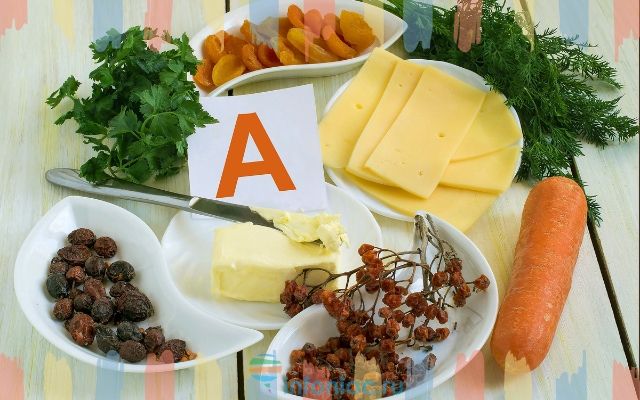
The main sources of carotene (per 100 g):
carrots (“carotel” variety) — 15,000 IU;
parsley — 13,000 IU;
sorrel and mountain ash — 10,000 IU;
fresh green peas — 200 IU;
spinach — 10,000 IU;
peas — 800 IU;
lettuce — 3200 IU;
pumpkin (pumpkin seeds in particular) — 1600 IU;
tomato — 850 IU;
peach — 750 IU;
apricot — 700 IU; white
cabbage — 630 IU; green
beans — 450 IU; blue
plum — 370 IU;
blackberry — 300 IU.
In addition, provitamin A is found in such plant products:
red pepper;
potatoes;
green onions;
rose hips;
sea buckthorn;
prunes;
lentils;
soybeans;
apples;
melons;
nettles;
peppermint.
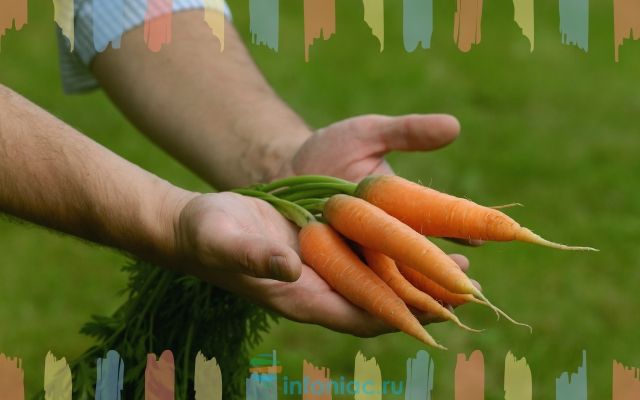
Carrots are the undisputed leader in carotene content. Here are some interesting facts about this tasty and healthy vegetable.
Fact 1. According to studies, people who regularly eat carrots have a 35 to 40 percent reduced risk of developing macular dystrophy.
Fact 2. Eating carrots reduces the risk of developing breast, lung and colon cancer (and all due to special substances — falcarinol and falcarinol, which have an anti-cancer effect).
Fact 3. Not many people know that carrots are a natural antiseptic that can prevent the spread of infections, for which it is enough to attach boiled or raw carrots to cuts or wounds.
Fact 4. The water-soluble fiber contained in carrots helps lower cholesterol, bile, and liver fat, cleansing the intestines and accelerating the process of removing toxins.
Fact 5. The minerals that make up carrots strengthen tooth enamel, protecting it from damage.
Fact 6. Research conducted at Harvard University found that people who consume more than six carrots a week are less likely to have strokes than those who ate only one or two carrots a month.
The main sources of retinol (per 100 g of product):
herring — 110 IU; beef
liver — 15,000 IU; pork
liver — 5000 IU; veal
liver — 4000 IU;
unsalted butter — 2000 IU;
sour cream — 700 IU;
low-fat cottage cheese — 130 IU;
fatty cottage cheese — 800 IU;
milk — 90 IU.
Fish liver oil, egg yolk, caviar, cheese and margarine are also natural sources of retinol.
Finally, here is the golden rule of vitamin A intake: the vitamin activity of carotene is three times less than that of retinol, so the consumption of vegetable products should be three times less exceed the intake of foods made from animal products.
Vitamin C (ascorbic acid)
© Anastasia Collection
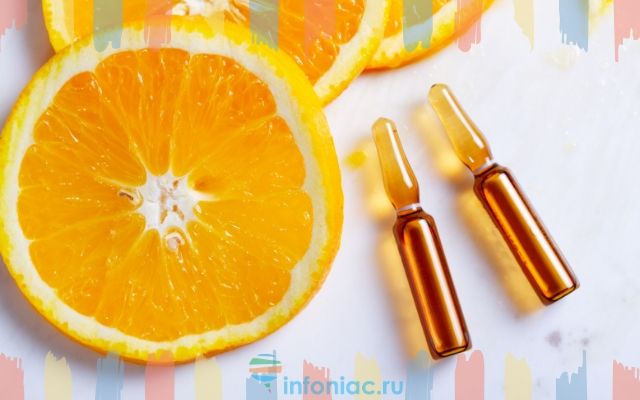
Vitamin C (its second name is ascorbic acid) is considered to be nature's greatest gift. Why? The fact is that the ascorbic acid molecule easily overcomes many obstacles, taking an active part in all the vital processes of the human body.
An interesting fact! Back in 1747, medical student James Lynd, studying at the University of Edinburgh, discovered that citrus fruits help cure scurvy, a painful disease that took a lot of life at that time number of sailors. It was only two centuries later (1932, to be precise) that the mystery of citrus fruits was discovered. It turned out that the substance that cures scurvy is ascorbic acid, 10 mg of which per day is enough to prevent scurvy. This dose of ascorbic acid is found in two small apples, one boiled potato, or 250 g of fresh grapes.
But! Since ascorbic acid is a water-soluble vitamin that is rapidly excreted from the body, doctors say that a daily dose of 10 mg is not enough to ensure normal functioning of the body.
Vitamin C benefits
The main function of vitamin C is to maintain optimal levels of collagen and protein, substances necessary for the full formation of connective tissues not only in the skin, but also in ligaments and bones.

© Merlas/Getty Images Pro
In addition, vitamin C ensures metabolic and redox processes in the body, strengthens blood vessels, accelerates the wound healing process, and protects the body from various infections and blocks toxic substances present in the blood.
Finally, ascorbic acid is a faithful companion to a slim figure, since this substance promotes reactions that convert fats into a digestible form.
Vitamin C deficiency
© antpkr/Getty Images
There are two main signs of a lack of ascorbic acid in the body:
rough red lines appear on the lower part of the tongue; red spots appear
on the skin of the shoulders (sometimes there are groups of small red specks, or scales).
In addition, the following signs indicate vitamin C deficiency:
bleeding gums;
fatigue;
predisposition to colds; sleep
disturbance;
hair loss.
But an overdose of this vitamin (provided it is obtained from plant products) is extremely rare. Thus, side effects such as decreased capillary permeability, visual impairment or adrenal atrophy can develop only with prolonged use of more than 100 mg of ascorbic acid per day.
Daily intake of vitamin C
Kids:
1 — 3 years — 20 — 35 mg;
4 — 6 years — up to 50 mg;
7 — 10 years — 55 — 70 mg.
Women:
pregnant women — 300 — 400 mg;
lactating women — 500 — 600 mg; the
average overall norm is 200 mg.
Men — 200 — 500 mg.
It's important! Patients with bone fractures, as well as those suffering from heart disease, tuberculosis and rheumatism, are recommended to increase the dose to 2000 mg per day.
What foods contain vitamin C?
© DAPA Images
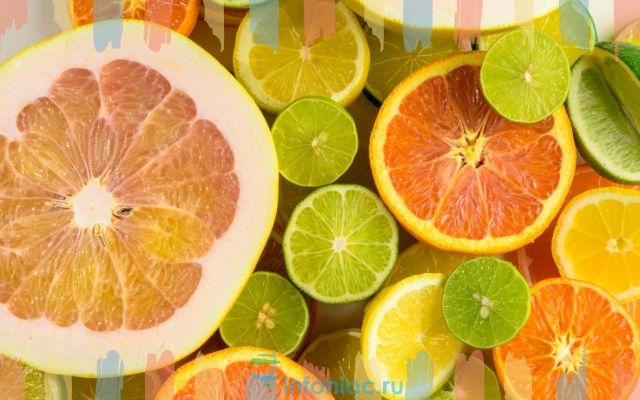
Rosehips are the leader in vitamin C content, which contains 550 mg of ascorbic acid per 100 g of fruit (while in dried rose hips, the amount of this vitamin can reach 1100 mg).
The second place is occupied by parsley, which contains about 130-190 mg of vitamin C.
In addition, ascorbic acid is found in such products:
sea buckthorn berries — 250 — 600 mg;
strawberries — 50 — 230 mg;
black currant — 150 — 260 mg;
citrus fruits — 15 to 50 mg (lemons contain the most vitamin C — about 40 — 70 mg);
horseradish — 100 — 140 mg;
strawberries — 60 mg; fresh
pineapple — 25 mg;
banana — 25 mg;
fresh cherries — up to 8 — 10 mg;
broccoli and Brussels sprouts (pink) — 90 — 120 mg; fresh white
cabbage and pickled — 70 mg (this is the content of vitamin C and in fresh cauliflower);
green onions — 25 mg;
raspberries — 25 mg;
mangoes — 40 mg;
green pepper — 100 mg;
radish — 135 mg; boiled and fresh
spinach — 30 — 60 mg.
The above rates are based on 100 g of product.
This vitamin is also found in animal products, namely chicken, beef, veal liver and kidneys.
It's important! During the heat treatment process, vitamin C is easily destroyed, so it is practically non-existent in cooked foods. The content of ascorbic acid is significantly reduced during long-term storage, salting, pickling and freezing of products. Thus, greens stored in the refrigerator lose up to 10 percent of vitamin C after a day. The only exception to the rule is sauerkraut, which retains the original content of this vitamin.
An interesting fact! The loss of ascorbic acid largely depends on the type of cooking: for example, about 70 percent of vitamin C is destroyed in water, while steam destroys only 8 to 12 percent. In general, it is recommended to store ascorbic acid (namely products containing it) in an acidic environment.
Vitamin D
© CharlieAja/Getty Images
Fat-soluble vitamin D, represented by two forms – D2 and D3, is known to many as an effective remedy for preventing the development of rickets and helping to cure this serious disease, to which children are mainly affected.
A distinctive feature of this vitamin is that it can be ingested not only with food, but also synthesized due to sunlight. The sun is the main source of this vitamin (for this reason, biochemists consider vitamin D to be a hormone).
It's important! When sunbathing regularly, the skin receives a sufficient amount of vitamin D, although certain conditions are necessary for its production, including:
time of day: for example, in the morning (immediately after sunrise), as well as in the evening (during sunset), vitamin D is produced as actively as possible; skin
color: in light the skin produces this vitamin in greater quantities than dark and black people;
age: during aging, the skin synthesizes less and less vitamin D ; air
condition: for example, dust, industrial emissions, gas contamination prevent normal sunlight intake, which leads to an increase in the risk of development in children rickets.
It's important! It should be remembered that “sunbathing” should be taken in moderation, and it is important to saturate the body with certain minerals and vitamins that help neutralize carcinogenic the effect of sunlight.
An interesting fact! In addition to the sun, massage, contrasting water baths, as well as air baths, which provide the so-called “internal massage” of capillaries, which enhances movement, contribute to the formation of this useful vitamin fluids in the body, helps to renew cells and normalize the hormonal function of the endocrine glands.
The benefits of vitamin D
© luchschen/Getty Images The
main purpose of vitamin D is to help the body absorbs calcium, which will ensure the proper formation of bones and teeth. In turn, a decrease in calcium levels directly in the blood can trigger impaired muscle contractions (up to cardiac arrest).
But the benefits of vitamin D do not end there, because it participates in the regulation of cell reproduction, strengthens muscles, normalizes metabolic processes, stimulates the synthesis of a number of hormones, and strengthens the immune system and increases the body's resistance to various skin and cardiovascular diseases.
An interesting fact! In regions where a small amount of vitamin D is present in the diet, diseases such as diabetes mellitus, atherosclerosis and arthritis are much more likely to be diagnosed, while young people are more susceptible to them people.
Read also: Vitamin D saves you from diseases
Daily intake of vitamin D
A person's need for this vitamin depends on age, physical activity, general physiological condition and other factors. Below is the average daily dose of vitamin D for different categories of people.
Kids:
up to a year — 400 — 1400 IU (depending on body weight);
5 — 14 years — 500 IU.
Young people: 14-21 years old — 300-600 IU.
Women: pregnant and lactating women — 700 IU.
Men: 600 IU.
Older people: 400 IU
In general, an adult may well be content with a minimum amount of vitamin D.
It's important! If you are in the sun for at least 15 to 25 minutes a day, the vitamin D intake from food can be reduced to half.
It's important! Vitamin D should be taken very carefully, since both its overdose and deficiency provoke bone softening. Today, hypervitaminosis D is extremely rare, and it is triggered primarily by the use of this vitamin in high dosages for too long.
What foods contain vitamin D?
© morisfoto/Getty Images
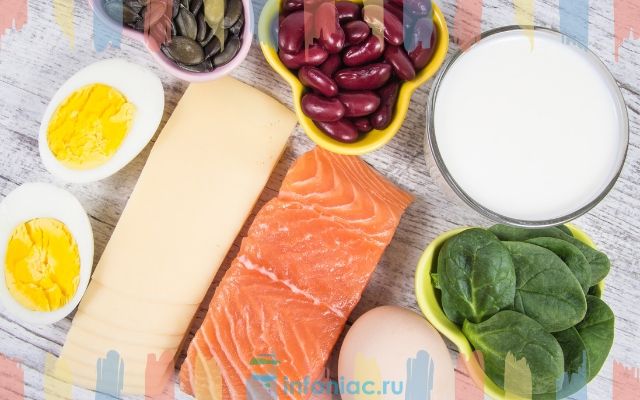
The main food sources of this vitamin are:
egg yolk — 25 IU;
meat — 9 IU;
milk — up to 4 IU;
butter — up to 35 IU.
Vitamin D is found in seafood, cod liver, halibut, herring, mackerel, tuna, sour cream, and animal liver.
Low levels of this vitamin are found in vegetables such as white cabbage and carrots.
Read also: Vitamin D is the main weapon of the immune system
Vitamin E (tocopherol)
© Yuliya Furman
Vitamin E got its second name, tocopherol, from the Greek words “tokos” (or “birth”) and “ferro” (which means “to wear”). Indeed, it has been proven that tocopherols have a beneficial effect on the functioning of the sex glands.
An interesting fact! In the 30s and 40s of the twentieth century, there were many misconceptions about this vitamin. Thus, it was mistakenly believed that tocopherol nullifies the effects of vitamins C and D. But studies have debunked this myth, finding that vitamin E should be taken with caution only by people, suffering from high blood pressure and rheumatic heart disease.
The benefits of vitamin E

© Yuganov Konstantin
Neutralization of free radicals, destroying body cells.
Protecting cell membranes from damage.
Preventing the development of cancer.
Strengthening blood vessels.
Accelerating wound healing.
Protecting the skin from ultraviolet radiation.
Improved oxygen transport to tissues.
Preventing the formation of blood clots in blood vessels.
Improving the composition of hair and nails (vitamin E in its pure form and as an additional ingredient is used in the manufacture of many cosmetics).
Prevention of vascular atherosclerosis, it is important to understand that vitamin E can “slow down” the development of this disease, but not eliminate it.
Ensuring the normal functioning of the muscular system.
It's important! Vitamin E does not act immediately: for example, in case of thrombosis, kidney inflammation, as well as an acute attack of rheumatism and coronary insufficiency, tocopherol begins to act in 5 to 10 days, while an improvement in well-being will be noticeable only after 4 to 6 weeks.
An interesting fact! According to studies, people suffering from heart disease and taking vitamin E for 20 to 30 years had completely cured their hearts by the age of 80. The age group aged 60 to 70 years improved not only heart function, but also overall well-being by 80 percent.
Vitamin E deficiency

© Jelena Danilovic/Getty Images
Vitamin E, which is called the “vitamin of reproduction”, is responsible for the normal activity of the genital area, so when it is deficient, men experience a decrease in sperm production, and in women menstrual disorders and decreased sexual desire.
I would also like to mention vitamin E overdoses, which, although extremely rare, can provoke digestive disorders, weakened immunity and even bleeding.
It's important! Hypervitaminosis E (recall that this vitamin can accumulate in the body) causes nausea, flatulence, diarrhea and increased blood pressure.
Read also: It is dangerous for men to take large doses of vitamin E
Kids:
up to a year — 3 — 4 mg;
1-3 years — 6 mg;
4 — 6 years — 7 mg;
7 — 10 years — 11 mg.
Women:
pregnant women — 15 mg;
lactating women — 19 mg; the
average overall norm is 8 — 10 mg.
Men — 10 to 15 mg.
It's important! An increased need for tocopherol is observed in smokers and people experiencing intense physical activity. In addition, women who are perimenopausal, at risk of miscarriage, and multiple pregnancies should increase their intake of vitamin E.
What foods contain vitamin E?
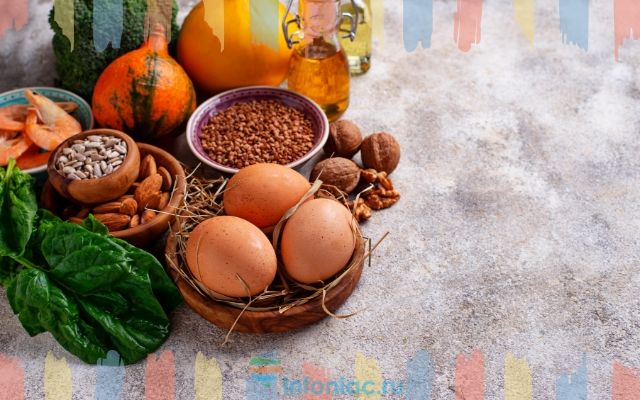
Unlike other vital substances, tocopherol is very common in products.
Vitamin E is mainly found in vegetable products, vegetable oils are especially rich in this vitamin: for example, 100 g of unrefined sunflower oil contains 63 mg tocopherol, that is, when we consume one tablespoon of this product, we can replenish the daily intake of vitamin E.
But the record holder for tocopherol content is wheat germ oil, 100 g of which contains 160 mg of vitamin E.
A lot of vitamin E is present in nuts and seeds: only 2 to 3 nuts contain half of its daily intake, while 100 g of sunflower seeds contain one and a half daily intake of vitamin E (when consuming 100 g of pumpkin seeds, you can make up for one daily intake of tocopherols).
Vitamin E is found in sufficient quantities in the following vegetables and fruits:
cabbage;
tomatoes; celery
root;
pumpkin;
greens;
sweet pepper;
peas;
carrots;
corn;
raspberries;
blueberries;
various dried fruits;
black currant;
rose hips (fresh);
plum;
sesame;
poppy;
barley;
oats;
legumes.
You can also get this vitamin from animal products, including:
black caviar;
eggs;
cheese;
fresh milk (2.5 percent fat content);
butter;
fish (herring, perch, trout, salmon, eel);
shrimp; rabbit and turkey
meat;
beef.
In addition, vitamin E is found in white and rye bread.
It's important! Vitamin E is quite stable, so it does not break down during heating, while retaining all its beneficial properties. However, prolonged frying foods with vitamin E and reheating them significantly reduces the amount of tocopherols.
Vitamin F
© DAPA Images
Fat-soluble vitamin F includes a complex of polyunsaturated fatty acids that enter the body not only with food, but also through the skin, namely when using ointments or cosmetics.
It's important! Vitamin F is destroyed when exposed to heat, light, and oxygen, while its beneficial properties are lost, giving way to toxins and free radicals.
The benefits of vitamin F
Ensuring the absorption of fats.
Normalization of fat metabolism directly in the skin.
Cholesterol removal.
Improving the process of sperm maturation, which has a positive effect on reproductive function.
Strengthening the musculoskeletal system.
Improving the appearance of hair, as well as skin (it's not for nothing that this vitamin is often called a “health vitamin” and is used in the manufacture of cosmetics).
Strengthening the immune system.
Accelerating healing.
Relieving the course of allergies.
Relieving inflammation and swelling.
Elimination of pain syndrome.
Normalization of blood pressure.
It's important! Vitamin F protects cells from damage by harmful substances, thereby preventing their destruction and stopping the transformation into tumor cells.
Vitamin F deficiency

© Green Jo
Vitamin F deficiency leads to premature skin wilting, the development of inflammation, allergies, not to mention metabolic disorders, which negatively affects the functioning of the body as a whole.
The deficiency of this vitamin in children is manifested by stunting and poor weight gain, not to mention frequent infectious diseases.
In adults, prolonged vitamin F deficiency significantly increases the risk of heart attacks and strokes.
If we talk about vitamin F hypervitaminosis, this disorder is extremely rare, moreover, this vitamin is absolutely safe for humans, since it does not have a toxic effect. In some cases, excessive consumption of vitamin F provokes the development of an allergic reaction, heartburn and stomach pain.
Daily intake of vitamin F
The optimal daily dosage for vitamin F intake has not yet been established. With a full and balanced diet, there is no need for additional vitamin F.
It is generally believed that the average daily intake of vitamin F is about 1000 mg, which corresponds to two tablespoons of vegetable oil.
BUT! There is a category of people who are indicated for an increased dose of vitamin F. These are people with high cholesterol and overweight, vascular atherosclerosis and diabetes mellitus, cutaneous and autoimmune diseases. In addition, the daily intake of vitamin F increases during intensive exercise.
What foods contain vitamin F?
© YelenayEmchuk/Getty Images
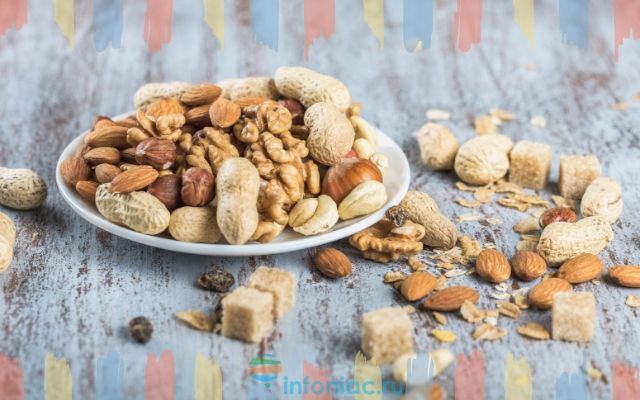
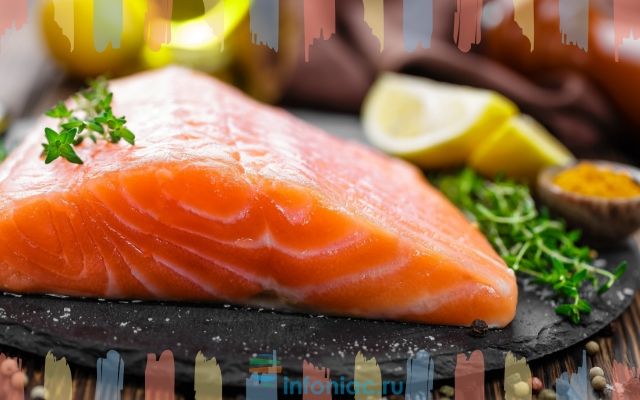
The main source of vitamin F is vegetable oil, which can be linseed, soybean, sunflower, corn, olive, walnut, etc.
Polyunsaturated fatty acids are also found in the following products:
herring;
salmon;
nuts;
mackerel;
fish oil;
seeds;
avocado;
dried fruit;
black currant;
sprouted wheat grains;
oatmeal;
soybeans and legumes cultures.
It's important! Vitamin F is extremely unstable to high temperatures, and therefore is present only in cold-pressed vegetable oil. Moreover, it reduces the concentration of this vitamin in oil and the effects of direct sunlight. For this reason, it is recommended to store the oil in a dark, hermetically sealed container (always in a dark and cool place). Also remember that vitamin F is destroyed during heating, so fried foods cooked in vegetable oil do not contain vitamin F.
Vitamin K
© apugach/Getty Images
This vitamin got its name from the first letter of the name of the American hematologist Quick, who discovered it.
It must be said that the main forms of this vitamin are:
vitamin K1, which is synthesized by plants;
vitamin K2, produced by microorganisms directly in the large intestine (subject to normal functioning) liver and biliary).
It's important! Healthy people do not lack this vitamin, as the body produces it on its own in the required amount.
Vitamin K benefits
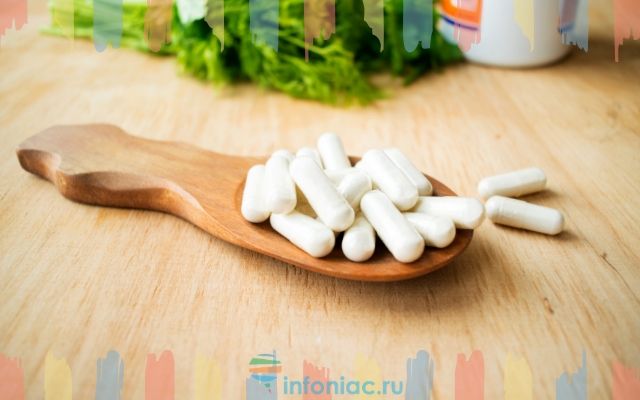
Vitamin K has hardly been studied for quite a long time, as scientists mistakenly believed that this vitamin performs only one function in the body, which is normalization of the blood clotting process.
© Iryna Imago/Getty Images
But today biochemists have identified many other beneficial properties of vitamin K, including:
normalization of metabolism;
improvement of gastrointestinal activity;
reduction of pain;
acceleration of wound healing.
It's important! The main cause of vitamin K deficiency in adults is liver disease, and this vitamin is non-toxic even in large quantities.
It's important! The concentration of vitamin K in the body may decrease under the influence of alcohol and carbonated drinks, as well as when consuming very large doses of tocopherol (or vitamin E).
Daily dose of vitamin K
The daily dose of vitamin K for adults has not yet been precisely established, so we will give approximate values of about 60 — 140 μg.
The amount of vitamin K obtained at the rate of 1 μg of vitamin per 1 kg of body weight is considered to be the daily norm. So, if you weigh 65 kg, a person should consume 65 mcg of vitamin K per day. At the same time, the average person's normal diet includes 300 to 400 mcg of this vitamin per day. For this reason, vitamin K deficiency is extremely rare (except when nutrition is very severely limited or medications used have a negative effect on digestibility vitamin K).
What foods contain vitamin K?
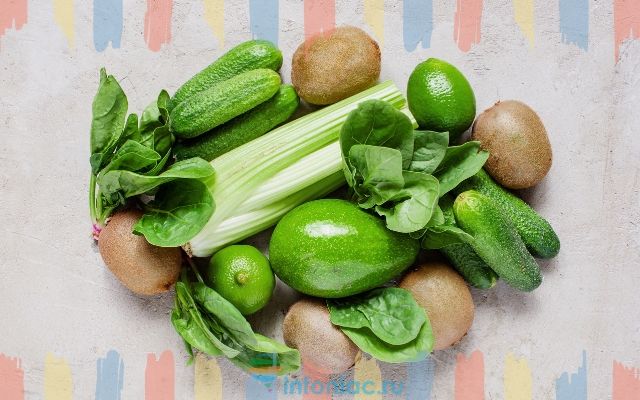
This vitamin is found in all plants, vegetables and fruits that are colored green.
© AlinaKho
These include:
nettle;
linden;
lettuce leaves;
green tomatoes;
cabbage of all kinds;
cucumber ;
avocado;
kiwi;
spinach;
banana.
In addition, large amounts of vitamin K are found in pork liver, eggs, olive oil, milk, soy, walnuts and fish oil.
How to preserve vitamins in foods?

© JackF
We talked about the benefits of vitamins and products that make up for their deficiency. Now let's move on to the issue of preserving the maximum amount of nutrients in products. And to do this, just follow a few simple rules below.
1. Fatty products, as well as vegetable oils, are rapidly oxidized under the influence of light and oxygen, so it is recommended to store them in hermetically sealed containers in cool and dark places.
2. Meat and fish contain a large amount of not only vitamins, but also minerals, in order to preserve which it is necessary to strictly adhere to the established terms of heat treatment. Thus, it takes no more than half an hour to fry meat, 1 to 1.5 hours for stewing, while for baking – 1.5 hours. Fish is fried for no longer than 20 minutes, stewed and baked for half an hour.
3. It is also important to choose the right method of heat treatment, the most gentle of which is considered to be steaming food. This is followed by stewing, then baking and finally roasting.
An interesting fact! The greatest loss of vitamins occurs when boiling meat or fish.
4. The vitamin value of animal products is significantly reduced during the re-freezing process. At the same time, it is important to properly defrost frozen products: for example, defrosting should be done at room temperature or in cold water.
5. To avoid the oxidation of vitamins, metal dishes or enameled containers with cracks and chips should not be used when cooking.
6. Vitamin C, present in vegetables, herbs and fruits, begins to “disintegrate” almost immediately after they are harvested, while the amount of this vitamin decreases significantly during storage and cooking product processing. To maximize the preservation of ascorbic acid, it is recommended to store cut greens in the refrigerator, since vitamin C loses up to 80 percent of its properties at room temperature in two days. Therefore, it is desirable to consume vegetables and fruits immediately, and in fresh form. Food is stored in a dark and cool place.
7. Vegetables should be washed well before cleaning, and in their whole (i.e. uncut) form.
8. It is important to remember that vitamins, like minerals, are most concentrated right under the skin, as well as in the leaves of vegetables, fruits and plants in general. For this reason, it is recommended to clean the products in such a way that the peel layer to be cut is as thin as possible.
9. It is not recommended to soak sliced vegetables in water for a long time. It is better to clean and wash vegetable products before preparing them directly.
The exception is legumes, which must be soaked in cold water for 1 to 2 hours before cooking, which will soften the coarse-fiber fabric of the product, and therefore reduce the cooking process (in as a result, the dish will retain more vitamins).
10. Vegetable salads should be crushed and seasoned right before consumption, which will help preserve both the taste and nutritional qualities of the product. At the same time, it is better to grind lettuce and greens with your hands, rather than cut with a knife, since contact with metal contributes to the loss of vitamins.
It's important! It is better to use a stainless steel knife to clean and cut vegetables and fruits, which will reduce the loss of vitamins.
11. When cooking vegetables, including preparing first courses, it is recommended to dip them in boiling water, which quickly inactivates the enzyme that contributes to the destruction of ascorbic acid.
12. If you need to warm up the dish, it is better to do it in portions, rather than warm, for example, the whole soup or borsch at once, because reheating food significantly reduces its vitamin value.