
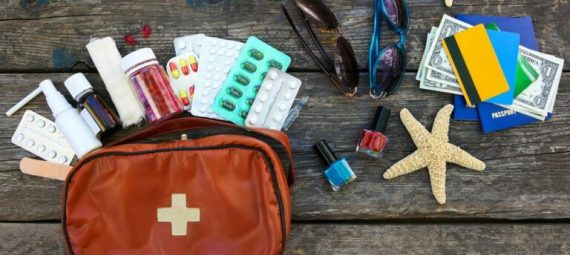
A well-stocked first-aid kit is an essential part of any trip, regardless of destination or duration. While you hope to never need it, being prepared for minor injuries or illnesses can prevent a small problem from becoming a major headache. This guide outlines the essentials for a comprehensive traveler’s first-aid kit. Remember to consult your doctor or pharmacist for personalized advice, especially regarding medications.
Pain Relief & Fever Reduction
- Pain relievers: Paracetamol (acetaminophen) and ibuprofen are versatile options for headaches, muscle aches, and fever. Choose travel-sized packaging.
- Fever reducer: Paracetamol or ibuprofen also effectively reduce fever.
Digestive Issues
- Anti-diarrheal medication: Loperamide is a common and effective anti-diarrheal medication. Consult your doctor before using it if you have underlying health conditions.
- Antacids: For heartburn or indigestion, antacids offer quick relief.
Minor Injuries
- Antiseptic wipes: Essential for cleaning minor cuts and scrapes.
- Band-aids (adhesive bandages): Various sizes to cover wounds effectively.
- Antibiotic ointment: Apply to minor cuts and scrapes to prevent infection.
- Sterile gauze pads: For larger wounds or dressing injuries.
- Medical tape: To secure bandages and dressings.
- Tweezers: For removing splinters or ticks.
- Scissors: Small, sharp scissors for cutting bandages or removing clothing.
Allergies & Itches
- Antihistamine: For allergic reactions, such as skin rashes or insect bites. Choose a non-drowsy formula if you need to remain alert.
- Hydrocortisone cream: For relieving itching from insect bites or rashes.
Other Essentials
- Motion sickness medication: If prone to motion sickness, pack medication accordingly.
- Insect repellent: Protect yourself from mosquito bites and other insect stings, especially in tropical regions.
- Sunscreen: Essential for protecting your skin from sunburn, regardless of the season or location. Choose a high SPF (30 or higher) and broad-spectrum protection.
- Personal medications: Include any prescription medications you regularly take, ensuring you have sufficient supply for the duration of your trip, plus a few extra days. Carry a copy of your prescription.
Optional but Useful Additions
- Oral rehydration salts: For replacing fluids lost due to diarrhea or vomiting.
- Thermometer: To monitor fever.
- Safety pins: Useful for securing bandages or clothing.
- Pain relief patches: A convenient alternative to pills for muscle aches.
Organization & Packaging
- Store your first-aid kit in a waterproof, easily accessible bag or container.
- Use a clearly labeled container for each item.
- Carry a copy of your medical information and emergency contact details.
Important Considerations
- Consult your doctor: Discuss your travel plans and any potential health concerns with your doctor before your trip. They can provide personalized recommendations and advise on necessary vaccinations or medications.
- Research your destination: Learn about common health risks in your destination country and adjust your kit accordingly.
- Check expiration dates: Ensure all medications and supplies are within their expiration dates.
- Local regulations: Check any restrictions on carrying certain medications or medical supplies across international borders.
This list is a guideline; your specific needs will vary depending on your destination, activities, and health conditions. Remember, prevention is key. Pack appropriately and stay informed about health precautions to ensure a safe and enjoyable trip.
Traveler’s First Aid kit: what to take with you for first aid