
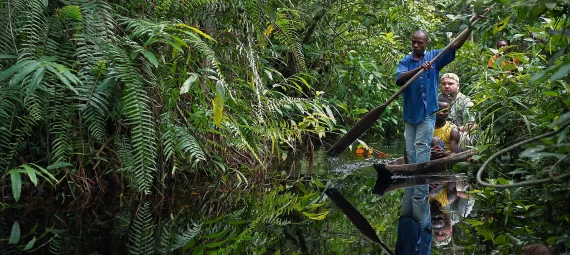
Exploring the jungles of Africa is an exhilarating experience, filled with the thrill of discovering untamed wilderness and incredible wildlife. However, the jungle is also home to various dangers that travelers must be aware of to stay safe. From wildlife to environmental hazards, here are the top dangers to watch out for in the African jungle.
1. Wild Animals
The African jungle is home to a variety of dangerous animals, including predators and venomous creatures. Some of the most hazardous animals include:
- Lions and leopards: As apex predators, they can be highly dangerous if encountered unexpectedly.
- Crocodiles: Found in rivers and lakes, they are known for their aggressive nature and powerful bite.
- Hippos: Despite their large and seemingly slow appearance, hippos are highly territorial and can be extremely aggressive, especially if their territory is invaded.
- Venomous snakes: Species like the black mamba and puff adder pose a significant threat due to their potent venom and quick strikes. When trekking in the jungle, it’s essential to stay alert and avoid getting too close to any wildlife, particularly during dawn or dusk when animals are most active.
2. Mosquitoes and Malaria
Mosquitoes are one of the most dangerous insects in the African jungle, as they are carriers of diseases like malaria and dengue fever. Malaria is particularly prevalent in many African regions, and without proper precautions, it can lead to serious illness. To avoid mosquito bites:
- Wear long-sleeved clothing and pants.
- Use insect repellent.
- Sleep under mosquito nets if camping in the jungle. It’s also wise to take anti-malaria medication if you’re in a malaria-prone area.
3. Tsetse Flies and Sleeping Sickness
Another insect to be wary of in the African jungle is the tsetse fly, which transmits trypanosomiasis, also known as sleeping sickness. This disease can cause severe symptoms, including fever, headaches, and if left untreated, neurological damage. Tsetse flies are attracted to dark, moving objects, so wearing light-colored clothing can help reduce the risk of bites.
4. Unpredictable Weather and Flash Floods
The weather in the African jungle can change rapidly, with sudden tropical storms and heavy rainfall leading to dangerous conditions like flash floods. River crossings can quickly become hazardous due to rising water levels and strong currents. It’s crucial to be aware of the weather forecast before venturing out and avoid areas that are prone to flooding.
5. Toxic Plants
While the African jungle is filled with beautiful flora, some plants can be dangerous to touch or consume. Poisonous plants like the stinging nettle or the sapotaceae family can cause skin irritation, rashes, or severe allergic reactions. Additionally, some plants have toxic berries or leaves that can be harmful if ingested, so it’s important to avoid touching or consuming any unfamiliar plants while exploring the jungle.
6. Infectious Diseases
Aside from malaria and sleeping sickness, the African jungle is home to other diseases that travelers need to be aware of:
- Ebola: Though rare, outbreaks have occurred in certain regions, and it is a highly contagious and often fatal disease.
- Cholera: Contaminated water sources can carry cholera bacteria, leading to severe gastrointestinal illness. To avoid illness, always drink bottled or purified water and avoid swimming in stagnant water sources that may harbor parasites.
7. Dehydration and Heat Exhaustion
The tropical climate of the African jungle can lead to extreme heat and humidity, increasing the risk of dehydration and heat exhaustion. Prolonged exposure to high temperatures can result in symptoms like dizziness, fatigue, and even heat stroke. To prevent this:
- Carry plenty of water and stay hydrated throughout the day.
- Take breaks in the shade to cool down.
- Wear a wide-brimmed hat and lightweight, breathable clothing to protect yourself from the sun.
8. Treacherous Terrain
The jungle is filled with uneven, slippery, and often muddy terrain, which can make hiking treacherous. Riverbanks, steep inclines, and dense vegetation can all pose challenges to even the most experienced trekkers. Slips, falls, and injuries are common, so it’s important to wear sturdy footwear and watch your step, especially after heavy rainfall.
9. Parasites
The African jungle is also home to various parasites that can infect travelers through contaminated food, water, or direct contact with animals. Schistosomiasis, for example, is a parasitic infection caused by flatworms that live in freshwater sources. Leeches are also common in jungle streams, and while they don’t transmit diseases, they can be unsettling and may cause minor bleeding. To avoid parasite infections, always boil or purify water and avoid swimming in potentially contaminated bodies of water.
10. Human Conflict and Poaching Areas
In some areas of Africa, particularly near protected wildlife reserves, poaching and illegal activities can occur, posing a risk to visitors. Additionally, some remote regions may have conflicts or be unsafe due to local unrest. It’s important to research the safety of your destination beforehand and avoid areas with known conflicts.
Conclusion
The African jungle is an awe-inspiring place to explore, but it’s important to be prepared and aware of the potential dangers that exist. By taking the necessary precautions and respecting the environment, you can safely experience the beauty and adventure of one of the world’s most exciting wildernesses.