 Culture
On February 10, 2013, the Chinese celebrated their New Year — the Lunar New Year, a magnificent and very beautiful holiday. However, the celebrations are not over yet: on February 24, the Lantern Festival will be the end of the celebrations.
Since 1911, Chinese New Year has been called the Spring Festival, so as not to be confused with the generally accepted New Year on January 1. In the old days, Chinese people celebrated New Year for more than a month, because agricultural work has not yet begun at this time. However, today the rhythm of life is somewhat different, so official holidays have been reduced to a week.
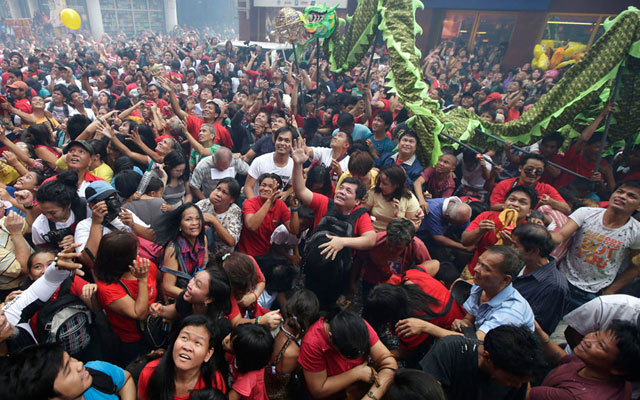
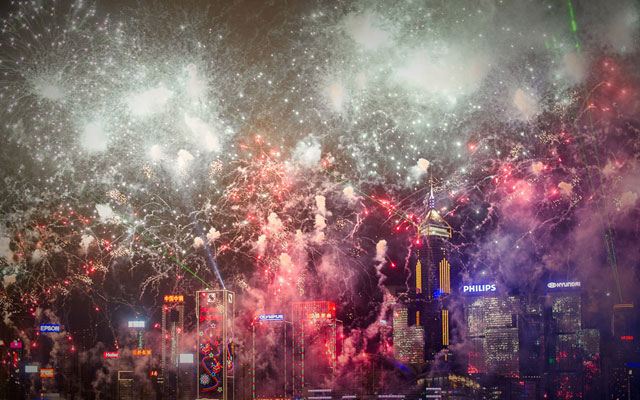
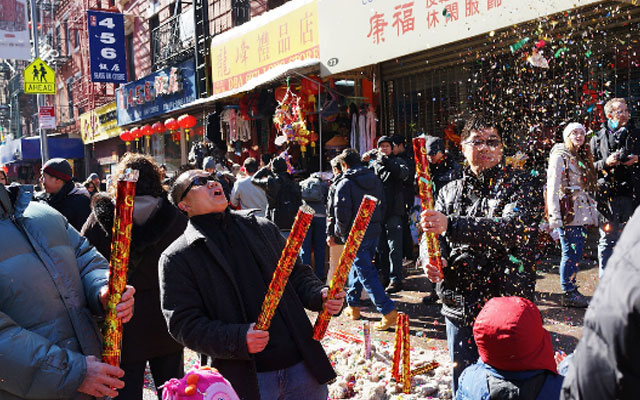
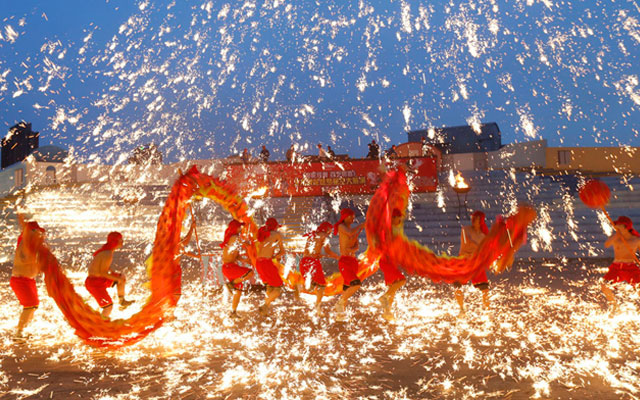
The holiday is more than 2,000 years old, and it is still celebrated on a huge scale and taking into account ancient traditions. For example, tradition requires that the party be noisy. Fireworks are mainly used for noise.
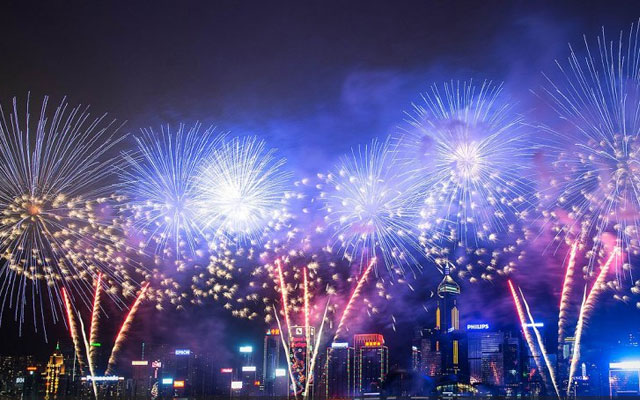
Fireworks shows are raging across the country. Hong Kong, February 11, 2013
But in ancient times, when there were no fireworks and firecrackers, people rattled with everything they could get their hands on. It is also customary to burn bamboo sticks in ovens, which, when burned, make a kind of crackle that scares off evil spirits. Today, sticks are replacing firecrackers and sparklers.
Chinese New Year Date 2013
The celebration of the Chinese New Year is associated with the lunar calendar, and the tradition of celebrating this holiday dates back to the distant past. The start of the new year may fall between January 21 and February 21. This year, the New Year will be celebrated on the night of February 9-10.
Lunar New Year 2013
The New Year begins on the second New Moon after the winter solstice. On a holiday, you will never see the Moon in the sky, even in the most cloudless sky, and on the Lantern Festival, the moon's disk in the sky will be full.
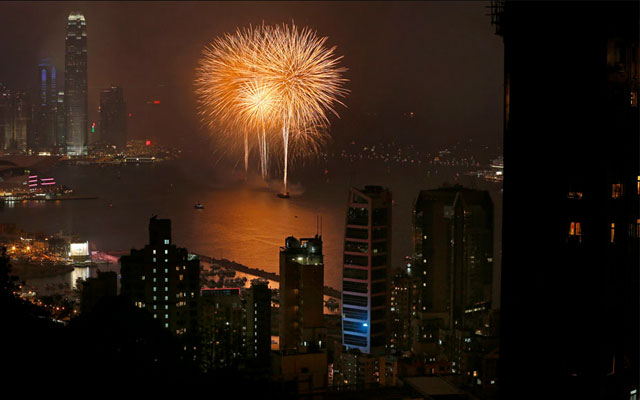
New Year's fireworks on a dark moonless night look even more grandiose
Chinese New Year 2013
Chinese people have been vacationing on New Year's Eve for quite a long time: in 2013, they are non-working days from February 9 to February 15 in honor of the holiday. Businessmen who do business with Chinese companies should keep this in mind.
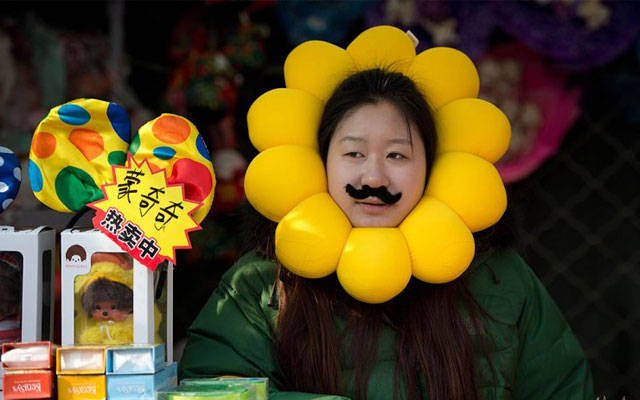
Merchants, restaurant workers and artists have no time to relax on New Year's holidays: this is the most profitable time of the year
The holiday is associated with an interesting myth about a mysterious beast, nicknamed Nyan. On the first day of the new year, the monster was especially hungry, so it was not averse to eating cattle, villagers and their children. To satisfy the beast's hunger, villagers left food on the doorstep of houses and temples to make the monster kinder.
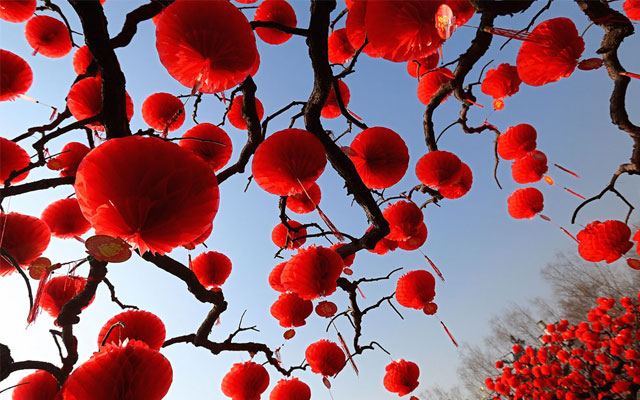
Nian, as it turned out, was afraid of the color red, so on New Year's Eve, people began to wear red clothes and hang red lanterns on the streets to scare him away. New Year's fireworks are also nothing but a way to ward off the monster.
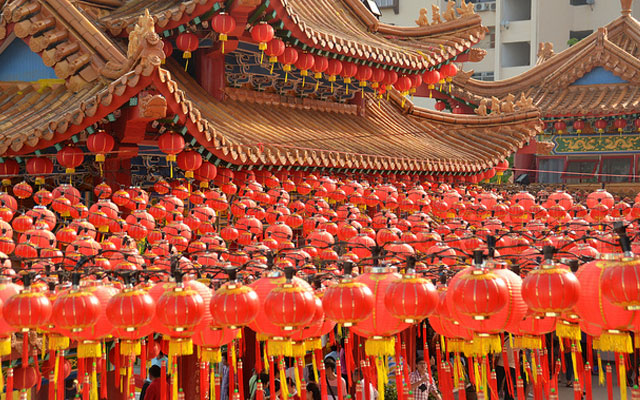
Red is considered a lucky color; at one time in China, it was customary for brides to wear red dresses on their wedding day.
Chinese New Year traditions
There are superstitions related to cleaning the house before the New Year. It is customary to clean a few days before the holiday, and on the eve of the New Year, it is customary to hide all brooms, rags and brushes so that they do not catch the eye.
This tradition is linked to the legend that on New Year's Eve, the gods bring happiness and good luck to families for the rest of the coming year. This luck settles in the house in the form of dust, so in order not to brush off luck, it is impossible to clean immediately after the New Year.
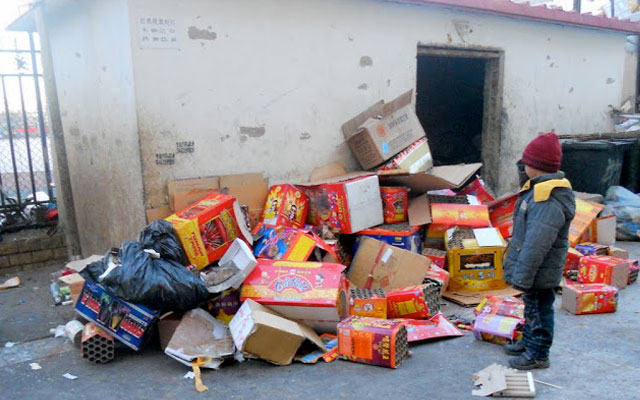
The streets of the city after the holiday are full of garbage, which, of course, is cleaned
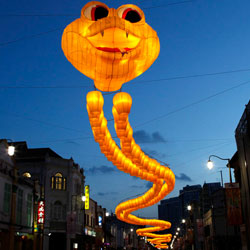
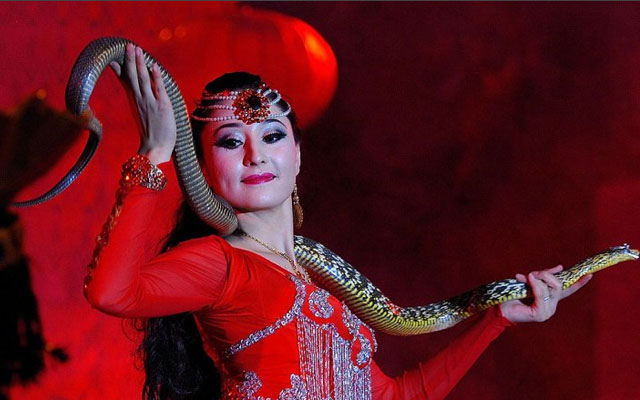
Years in the Chinese calendar are associated with 12 animals that follow each other in a strict sequence. Moreover, each animal is also associated with 5 elements: 2013 is the year of the Black Water Snake. Moreover, this year is the 4711th year of the black snake.
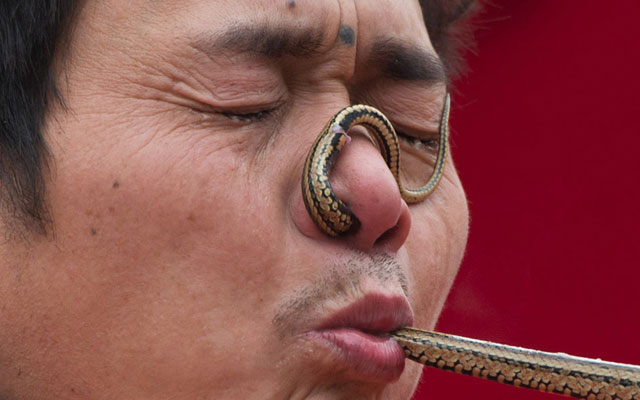
Snake symbols are everywhere this year: snakes are even used in performances
According to legend, Buddha once asked all animals to gather on New Year's Day. Only 12 animals came, after which they were named for 12 years in a row, and people born in the year of a particular animal acquired the character traits of these creatures. The full cycle of the Chinese calendar is 60 years (12×5).
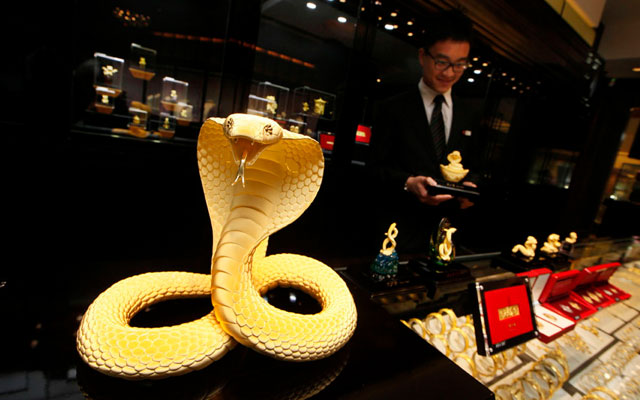
Chinese New Year is celebrated not only by the Chinese themselves, but by other national minorities in the country, as well as by residents of other Asian countries, such as the Mongols. Since there are so many Chinese immigrants around the world, they brought their holiday to these countries far from China.
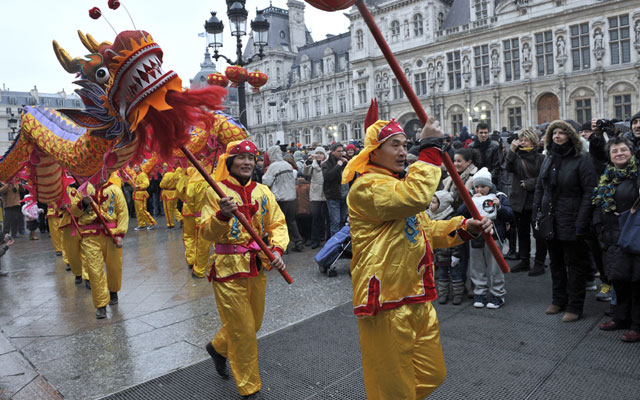
Chinese New Year celebrations in Paris near the Hôtel de Ville Town Hall
Like our New Year, it is customary to exchange gifts and sweets on Chinese New Year's Eve. It is customary to celebrate the holiday with the family, so trips begin before the New Year: people are in a hurry to reunite with family members to celebrate the holiday together.
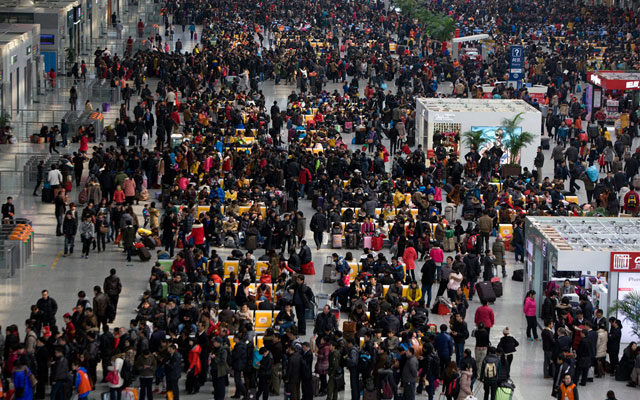
Chinese train stations and airports are packed with passengers before the holiday
There is also a tradition to come to visit the hosts with 2 mandarins, and when leaving, receiving 2 other mandarins from the hosts. It turns out that in Chinese, the phrase “tangerine pair” sounds the same as the word “gold”. This tradition is about 3,000 years old.
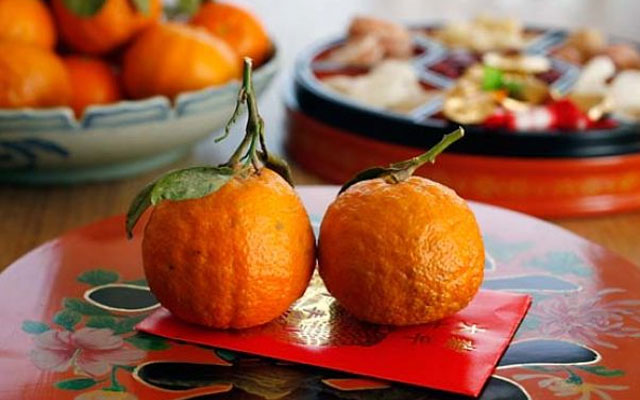
In general, the Chinese prefer to give each other some paired items that symbolize family harmony and unity.
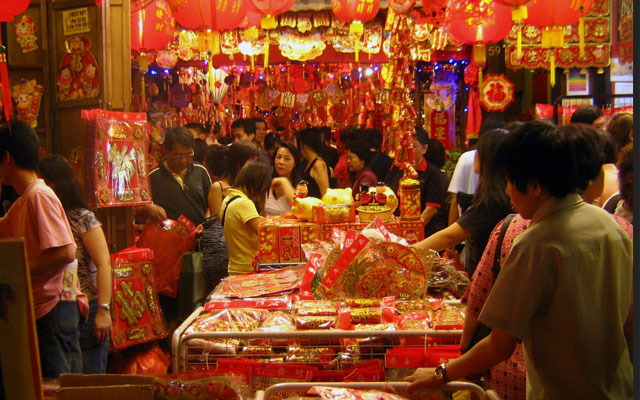
Chinese market before the holiday
Chinese New Year
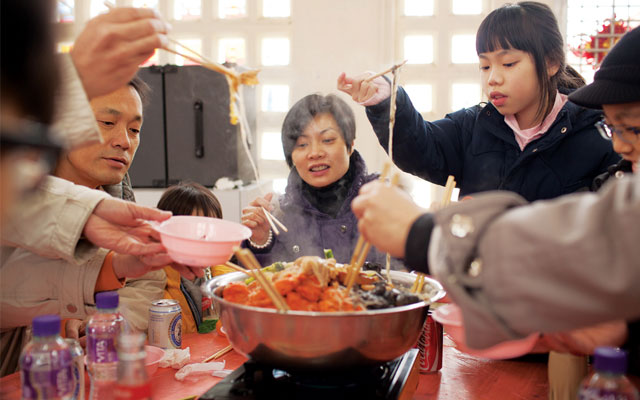
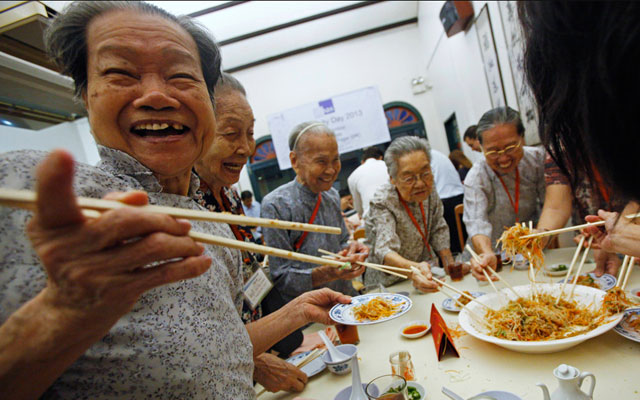
The festive table, like ours, is an indispensable part of the celebrations. New Year's Eve dinner even has its own names, such as “chusi” or “nanyefan”. There are other names that translate as “a ceremonial table for waking on New Year's Eve” or “a festive table separating 2 years”.
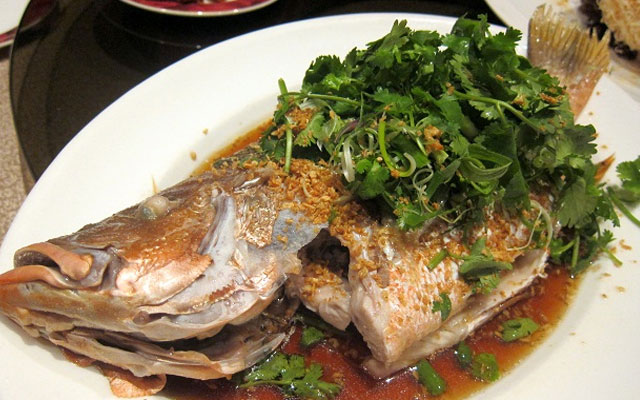
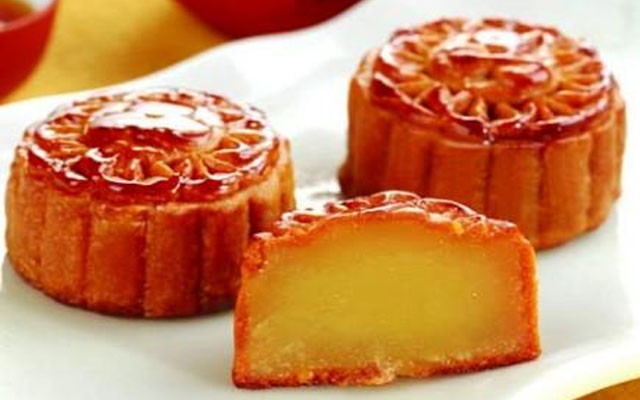
Traditionally, fish are prepared for the festive table, which symbolizes abundance, as well as Nin-gao fruit cakes made from rice flour, which symbolize the sweetness of life.
In northern China, it is customary to cook Chinese dumplings – “jiaozi” on New Year's Eve, as this word is in tune with the phrase “seeing off the old and meeting the new”.
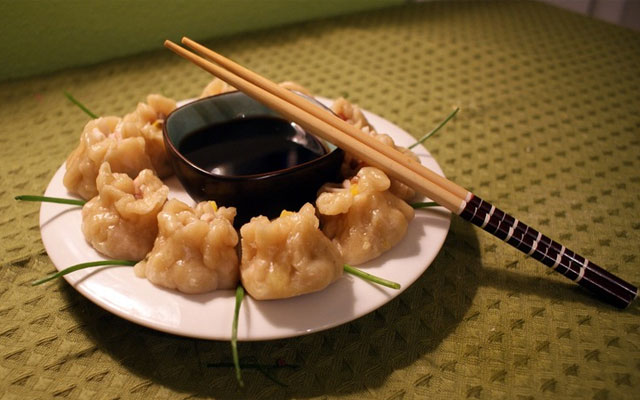
Since many Chinese spend New Year's Eve in the city, they go to restaurants, cafes and eateries to satisfy their hunger.
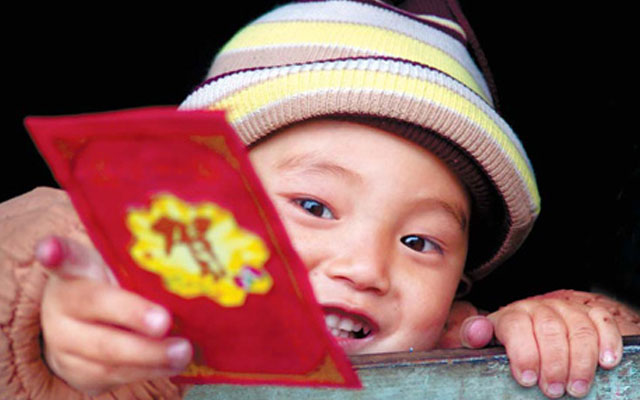
The gala dinner ends with the distribution of gifts and “holiday money”. It is customary to give children red envelopes with money, which, according to legend, will bring good luck all year round. Previously, a cash gift looked like 100 copper coins tied together, symbolizing life up to 100 years.
During the holiday, it is customary to greet each other with “favorable wishes”, including wishes for good luck and prosperity in the new year. Moreover, wishes are not just spoken, but shouted out loudly.
Celebrating the New Year in your bedroom is a very bad omen that can lead to failure within 7 years. Therefore, all Chinese people, even old and sick people, dress up for the holiday and celebrate the New Year in the living room at the festive table or take part in festive street festivities.
Christmas trees are not decorated in China, but they have their own Christmas tree — the Tree of Light, on which they hang garlands, red lanterns and flowers.
Chinese dragon dance
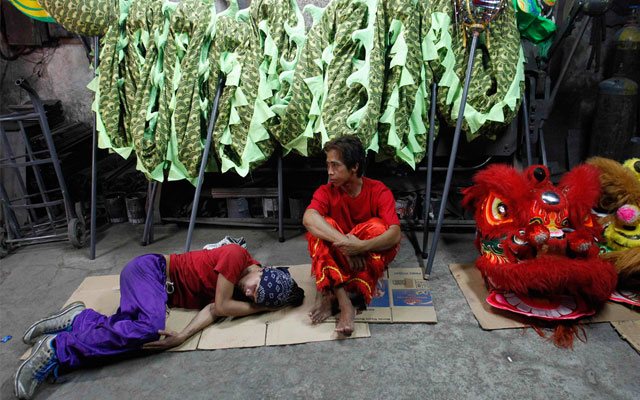
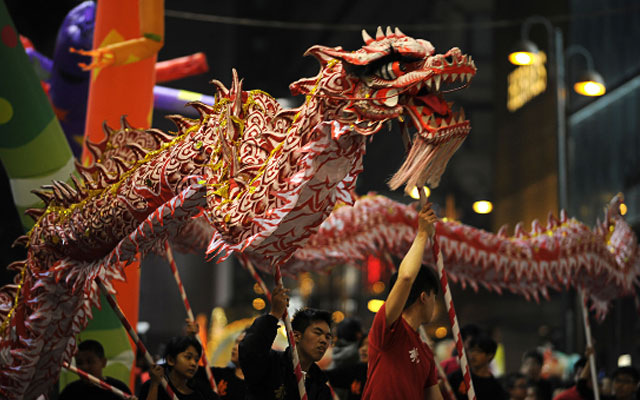
Holiday performances take place everywhere, artists dance lions and dragons. The Chinese believe that dancing has a magical meaning: lion dancing protects against grief and misfortune in the new year. This dance began to be performed from the 14th and 16th centuries. Dragon dance is even more ancient: it appeared around the 12th century. The Chinese respect and admire dragons.
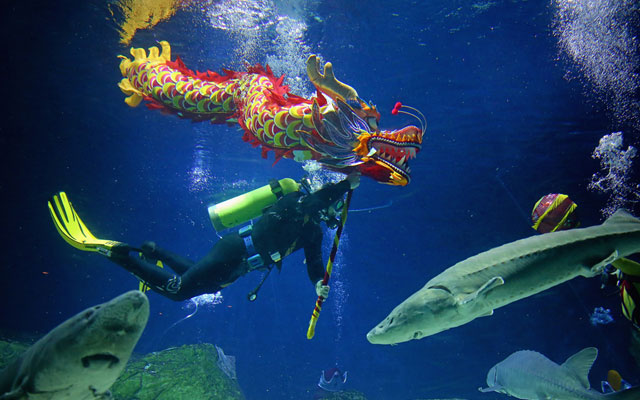
Dragon dance under water at the Beijing Aquarium, February 10, 2013
Dragons are made of paper and wire: a long body can be up to 10 meters long. The segments of the dragon's body are made separately, each with a pole attached to it, which is controlled by artists.
Fireworks will rattle all over the country all week after the New Year, and people in fancy dress will appear on the streets.
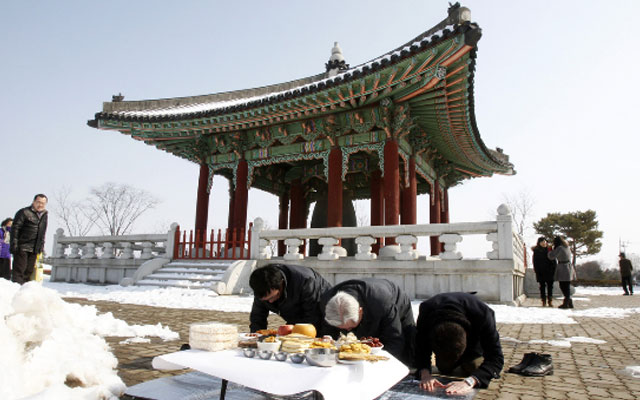
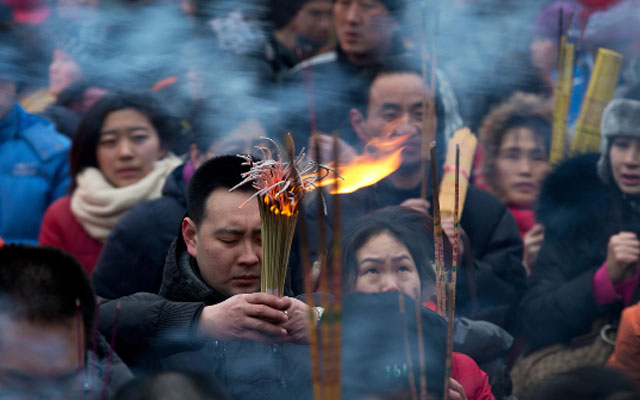
Before the New Year, Chinese people pray, and it is customary to burn incense on the holiday. In their prayers, the Chinese, of course, ask for good luck in the new year.
Some customs are no longer observed in the city, but they can still be found in the village. For example, one of them is to cover windows and doors with paper, which supposedly helps to protect against evil spirits. Some Chinese people hang red strips of paper on the door. There should be five of them in terms of the number of elements of happiness: luck, wealth, joy, longevity, and respect.
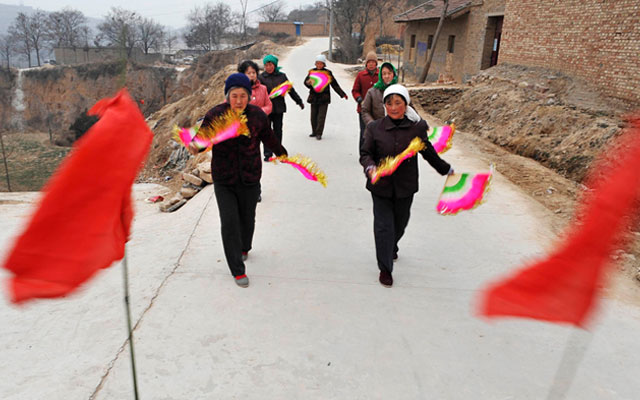
For lack of artists, villagers often dance on their own
New Year's superstitions and signs in China
There are many other superstitions and traditions in China that are associated with the New Year, although modern Chinese, especially those living in the city, do not particularly believe in superstitions. For example, you can't use scissors or a knife on the first day of the new year, as you can cut off your luck.
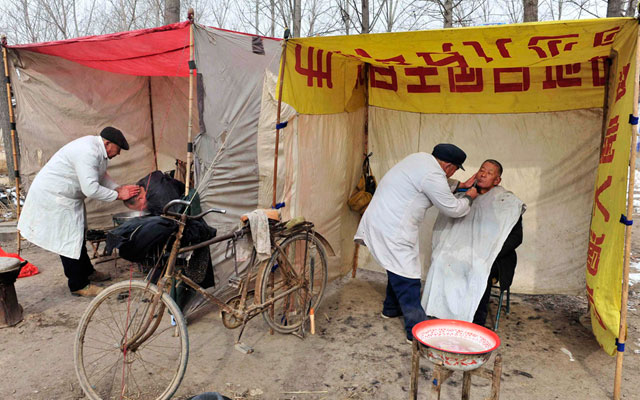
Before the New Year, you need to bring beauty, otherwise you will not be able to cut your hair and shave later
If you see a songbird or a swallow on the first day of the new year, this predicts prosperity throughout the year. The first word you hear in the new year predicts the events of the whole year. The way you celebrate the New Year is how you will spend it!