
North America is home to a rich tapestry of Indigenous cultures, many of which are facing significant challenges in maintaining their unique identities and traditions. Here are some of the most numerically small Indigenous peoples in North America:
1. The Ainu
While primarily associated with Japan, the Ainu have historical roots in the northern regions of North America. The Ainu culture is distinct, characterized by its own language, traditional clothing, and spiritual beliefs. Today, they face pressures from modernization, leading to a decline in their population and cultural practices.
2. The Haida
The Haida Nation is located in the Pacific Northwest, primarily on Haida Gwaii, an archipelago off the coast of British Columbia. Once numbering in the thousands, the Haida population has dwindled due to colonization and disease. Despite this, they are actively working to revitalize their language and cultural practices.
3. The Onondaga
As one of the Six Nations of the Haudenosaunee (Iroquois Confederacy), the Onondaga people have faced numerous challenges over the centuries. With a population of just a few thousand, they are committed to preserving their traditions and language while advocating for their rights and land.
4. The Yuchi
The Yuchi people, originally from the southeastern United States, have a small population concentrated mainly in Oklahoma today. Their traditional practices and language are endangered, but efforts are being made to revitalize their cultural heritage.
5. The Nez Perce
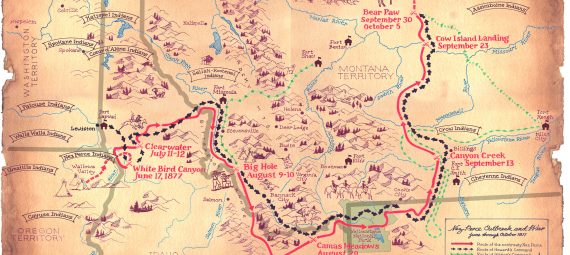
Once a powerful tribe in the Pacific Northwest, the Nez Perce have seen their population significantly decline over the years due to conflicts and forced relocations. Today, they are working to preserve their language and cultural identity, but their numbers remain relatively small.
Conclusion
These Indigenous peoples represent just a fraction of the diverse cultures that once thrived across North America. The challenges they face are often tied to historical injustices, and many are actively engaged in efforts to revitalize their languages and traditions. Supporting their initiatives is crucial for the preservation of their unique cultural identities.