
 Unbelievable facts
Everything that we would never eat on our own initiative undergoes special cleaning and turns into food.
Below are some of the most disgusting of these ingredients.
This does not mean that eating them is unsafe. It's just that the usual idea that something seems wrong is often not even taken into account.
1. Food grade gelatin
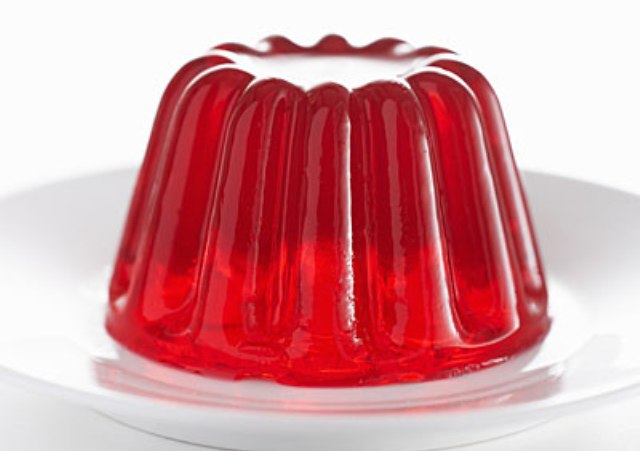
What it is: vegetarians will be surprised right now, but the substance that makes jelly and other foods based on this ingredient wiggle is made from collagen, which is a protein derived from the skin animals.
“The source of collagen production varies depending on the food,” says animal science professor Andrew L. Milkowski (Andrew L. Milkowsi). “For example, when preparing desserts and sweets, pigskin gelatin is usually used.”
Where it can be found: thickening agent — gelatin can be found in yoghurts, frozen cereals, confectionery products, and often in sour cream.
The degree of disgust: high for vegetarians, low for others.
Disgusting food
2. Mechanically deboned meat
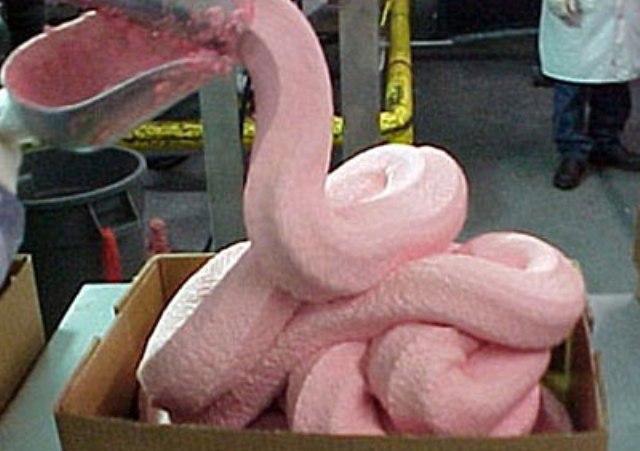
What it is: this is what remains after the meat adjacent to the bones is passed through a special high-pressure sieve. “It looks like dough,” explains food safety lawyer Sarah A. Klein (Sarah A. Klein).
“Animal bones, cartilage, and other body parts eventually become paste.”
But today mechanically deboned beef is officially prohibited from being added to food due to the risk of mad cow disease (bovine spongiform encephalopathy).
The degree of disgust: high.
3. Carbon monoxide
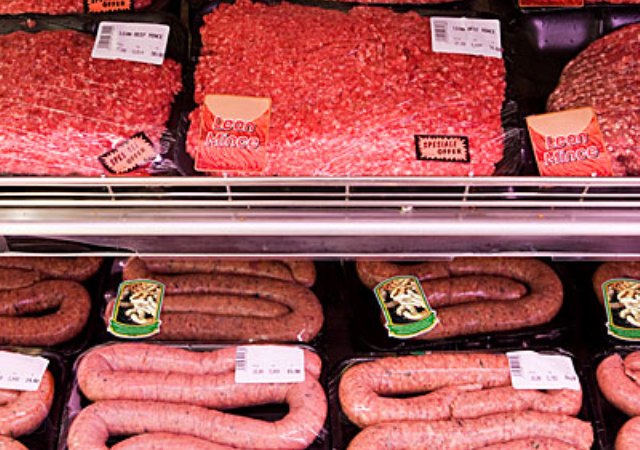
What it is: Today, carbon monoxide detectors are often installed in homes, because this odourless substance is deadly.
The same gas that comes out of your car's exhaust pipe is often used when packing beef and certain types of fish, such as tuna.
Food producers say that this gas helps maintain the fresh look and color of food.
Where you can find it: Carbon monoxide enters the plastic package after all the air has been pumped out. This step is done so that the meat does not turn from pink to brown, that is, to prevent the oxidation process.
This process is completely safe for humans, however, it has not been used so widely lately, because consumers have begun to massively protest against the treatment of meat with gas in order to masking spoilage.
The degree of disgust: medium.
4. shellac
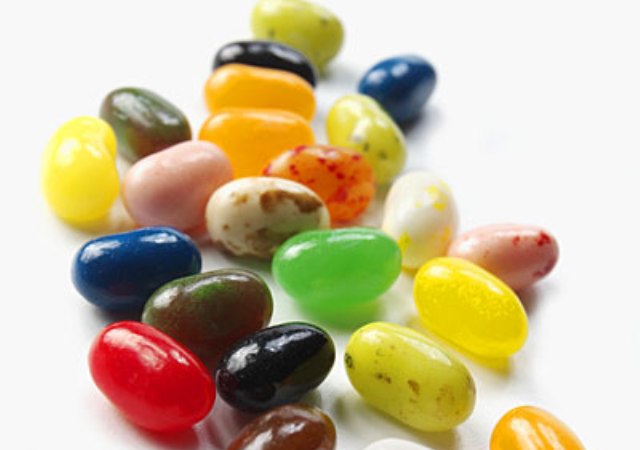
What it is: sweet lovers will have a hard time right now, because everyone's favorite treat, like jelly beans, is quite expensive. Often glossy candies are covered with shellac.
Shellac is a sticky substance extracted from the secretion of an insect living in Thailand. We are talking about female lacquer bugs.
The most popular edible insects
Where you can find it: this substance covers toffee, jelly beans, as well as other sweets with a glossy appearance. Moreover, it is often called “confectionery glaze” on the packaging. Sweet but disgusting.
The degree of disgust: low.
5. Salt water pumping
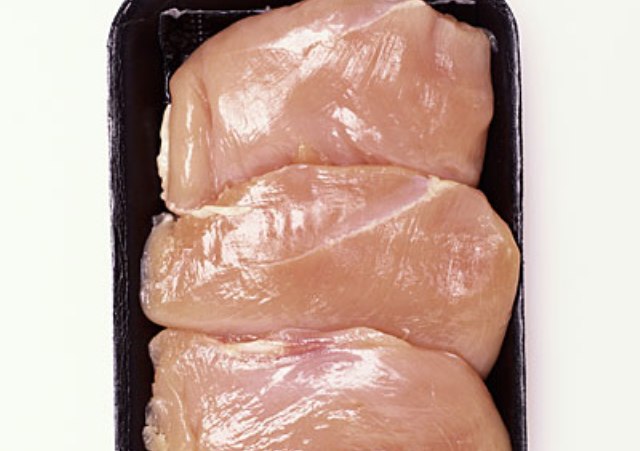
What is it: salt water in the ocean is the best thing, but what about that pumped into food? It's no secret that a large amount of salt consumed leads to increased blood pressure and the development of numerous health problems.
Therefore, the less salt, the better. However, this method is actively used in practice. For example, producers often pump chicken meat with salt water to increase the weight of the pre-sale product and improve its taste.
Where you can find it: first of all, it's packaged meat. Be sure to pay attention to the composition on the package. Meat with the addition of salted water contains 10-15 percent of the “solution” or “chicken broth”.
An ordinary chicken contains 40-70 mg of salt, while pumped with salted water can contain five times more, which is 300 mg or more.
Degree of disgust: high due to health hazards.
6. Viruses
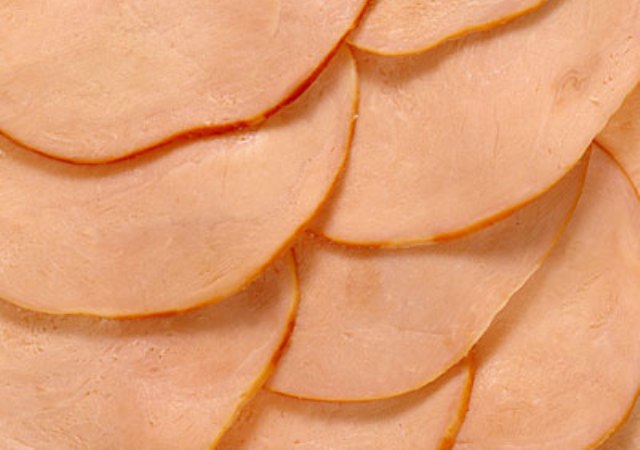
What it is: it is known that viruses are the main cause of our diseases. Of course, bacteriophages, small bacteria that kill viruses, help us get rid of bacteria.
They were first allowed to be used in food products in 2006. They get into food, they infect it, but they infect germs, not humans.
Where you can find them: Producing companies apply them to ready-to-eat meats and deli meats sold in plastic packages.
There are two types of food-borne bacteriophages: the former fight against E. coli, the latter attack bacteria of the genus Listeria. However, the first type is sprayed on cattle, while the second is applied to the products themselves.
It is worth checking on the label for the presence of such a component: “treated with bacteriophages”.
The degree of disgust: low.
Nasty food
7. Ammonia
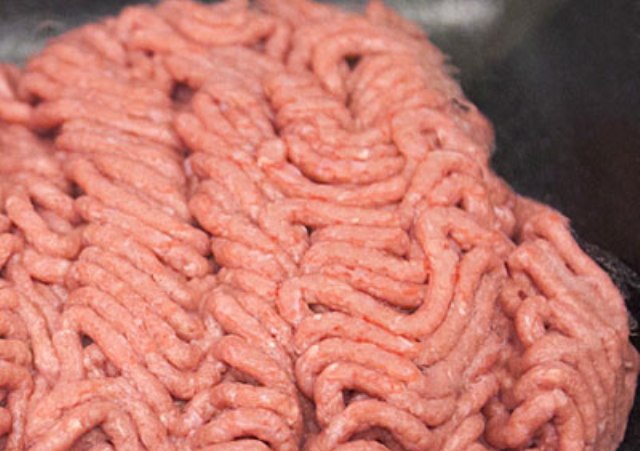
What it is: It is a chemical that has a strong odor and is found in household chemicals. But it is also used in the processing of low-grade beef tenderloin to kill germs.
Since animal tenderloin is highly susceptible to the formation and activity of bacteria in it, ammonia is one of the steps to kill bacteria.
10 weird dishes from around the world
Where to find it: The practice of using it began around 2001, and since then various food producers have been adding it to ground beef.
The degree of disgust: high.
8. Pink slime

What it is: This product is obtained from small pieces of meat that are adjacent to fat. They are separated by melting the fat and pressing the resulting mass in a centrifuge.
The result is a pink blend called lean textured beef. It is treated with ammonia to kill microbes, and then added to ground beef.
This practice is used by producers everywhere.
Disgusting rate: high.
9. Bisphenol A
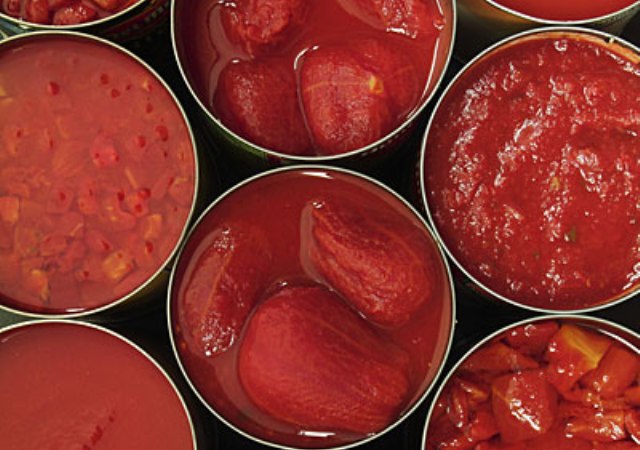
Where you can find it: Although this chemical element was removed from most hard plastic products after a worldwide scandal several years ago, it still exists can be found in the insulating layer of some food containers.
The situation is especially acute with canned vegetables, because this harmful component can penetrate into products.
The most extreme food in the world
Bisphenol A has been linked to the development of brain diseases and prostate problems, especially in young children and embryos.
The degree of disgust: high.
10. Beaver stream

What it is: This is a standard food flavor that is extracted from the odorous beaver gland located near the anus. This substance is expensive and can be found more often in perfumes than in food.
Where you can find it: Despite the disgusting origin of this ingredient, experts say that it is completely safe. However, you won't find it on the product label because it's called a natural flavor, and that's what the label will say about it.
The degree of disgust: medium.
11. Sodium benzoate: application
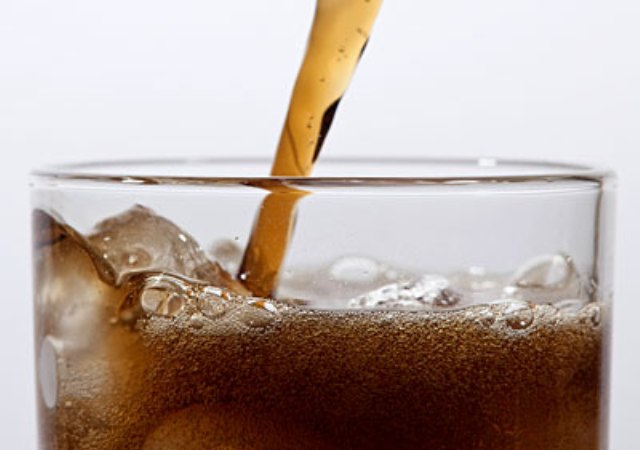
What is it: Have you ever felt a slight tingling sensation in your throat after drinking soda or juice? It's most likely sodium benzoate. This preservative is very common and is considered safe.
However, this does not mean that it should not be avoided. A 2007 study found that sodium benzoate, when combined with food colors, causes hyperactivity in children.
Where you can find it: carbonated drinks, salads, condiments, juices, jams, pickles.
The degree of disgust: medium.
12. Antibiotics
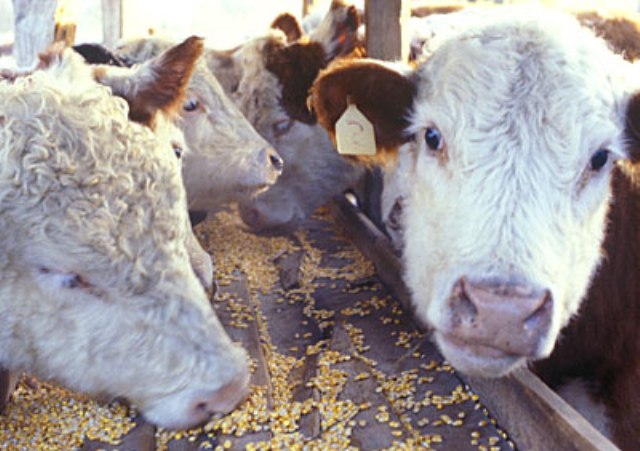
What it is: a person uses antibiotics to kill germs. Antibiotics are administered to livestock in order to grow faster and, accordingly, bring more profit.
Antibiotics cause drug resistance: new research
Where to find them: The main problem is the over-use of antibiotics in livestock farming. Moreover, recently, there has been a development of resistance of animal bacteria to antibiotics.
However, foodborne diseases can occur precisely as a result of the resistance of bacteria such as Salmonella to the action of an antibiotic.
The degree of disgust: high.
13. Silicon dioxide

What it is: This is exactly what ends up in your hair and swimsuit when you're at the beach. People call it sand, however, few people know that sand is often found in food products.
It is used very actively, because this substance, firstly, has the property of fluidity, and secondly, it absorbs some moisture, which may cause lumps in certain products.
Each of us swallowed a small amount of sand on the beach and didn't feel very uncomfortable, so a little sand at the dinner table probably wouldn't hurt either.
Where you can find it: salt, coffee, soups, cream.
The degree of disgust: low.
14. Carmine color
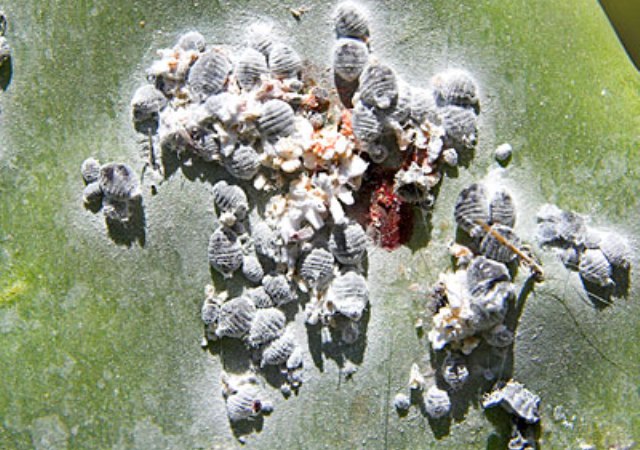
What it is: There are insects in our food again. When it comes to food, insects are suitable not only for making food shiny and marketable. They are also very suitable for coloring, especially in red.
Carmine is a scarlet food coloring obtained after the digestion of cochineal insects, which are miniature beetles.
It is known that insect-based dyes can cause allergic reactions in humans, including life-threatening anaphylactic reactions.
Unusual animals that are eaten
Therefore, relevant services should carefully check the label for all ingredients that make up food products, as well as in cosmetic products.
Where you can find it: it is found in various types of ice cream, grapefruit juice, lemonade, Skittles dragees.
The degree of disgust: high for vegetarians, average for others.
15. Propylene glycol: harm
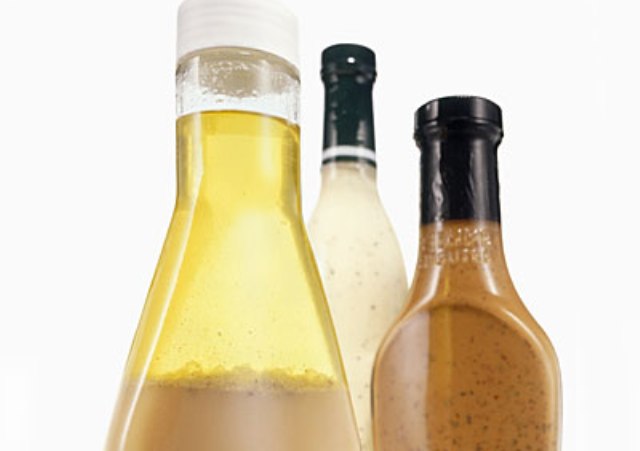
What it is: This chemical is part of a non-freezing liquid. But according to experts, this is a very safe ingredient. Moreover, it is much safer than its closest relative, ethylene glycol, which is especially toxic to dogs.
The main property of propylene glycol is its lubricating ability, which is very useful in the production of condiments, as well as when creating condoms.
Moreover, if you need to mix ingredients that are difficult to mix together, the first assistant in this matter is propylene glycol. Also, components that are poorly soluble in water will mix well in propylene glycol.
Where you can find it: beer, soft drinks, some salads.
16. Food cellulose
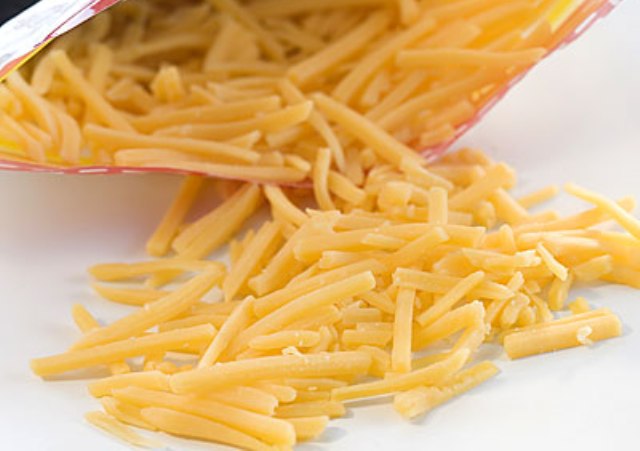
What it is: This substance is extracted mainly from cotton and wood, and is used both in the production of paper and in food products.
Where you can find it: It's most commonly used in grated cheese to protect it from sticking together. It can also be found in ice cream and corn. Experts emphasize that cellulose is absolutely harmless to humans. We can't digest it.
The degree of disgust: low.
17. Carrageenan
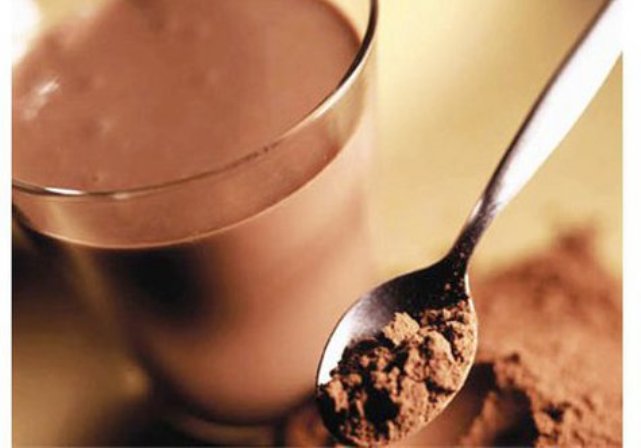
What is it: do you eat seaweed? If not, you'll be surprised to learn that it actually is, because this ingredient is found almost everywhere. Carrageenan is a gel that works as an emulsifier and thickening agent.
Where you can find it: It's often introduced into meat to retain moisture, and it's found in dairy products like ice cream and cottage cheese. It can be found in chocolate milk because carrageenan helps prevent cocoa from separating from milk.
The degree of disgust: low.
18. Liquid smoke
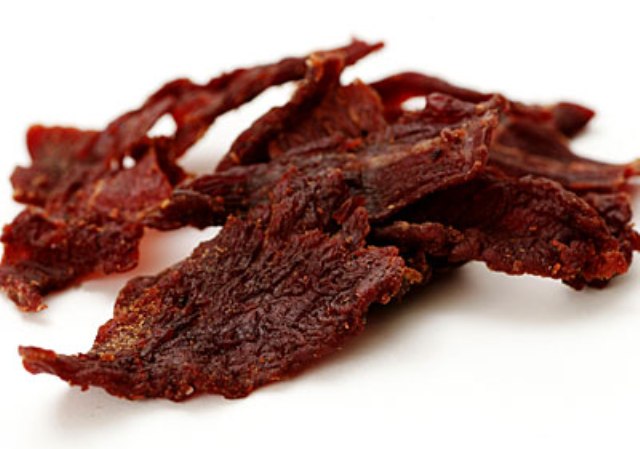
What it is: we are constantly worried that our barbecue is too smoky, and this is very unhealthy. And what is liquid smoke?
Liquid smoke is created during the combustion of sawdust, the residual components of which are then fixed in water or vegetable oil.
10 dishes with live animals
Where you can find it: You can buy this product at the store and use it when cooking to give it a smoky aroma. If you are a fan of cooking on an open fire, then this product is created just for you.
Moreover, it is added to sausages, beef jerky, bacon, etc.
The degree of disgust: low.