
 Science
Before the end of the world hype subsided on December 21, 2012, the Internet rustled again with rumors that potentially dangerous asteroids were approaching Earth.
For example, they began to say that asteroid 2011 AG5 will be dangerously close to our planet in 2040, so it threatens to collide.
The 140-meter asteroid appeared in the press immediately after discovery, as it was classified as potentially dangerous. However, according to some estimates, it turned out that the probability of its collision with Earth in 2040 is only 0.2 percent.
Astronomers at the University of Hawaii at Manoa have calculated that the asteroid will fly over our planet at a distance of 890,000 kilometers, that is, twice as far as the Moon is located. By cosmic standards, this is quite close, but not particularly dangerous for Earthlings.
Objects that are closest to Earth increase the risk of collision, which is why they are called potentially dangerous objects. The US space agency NASA confidently claims that it already has more than 4,700 potentially dangerous asteroids in its databases.
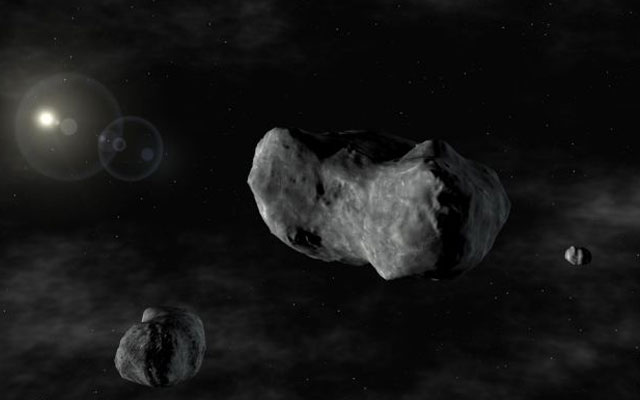
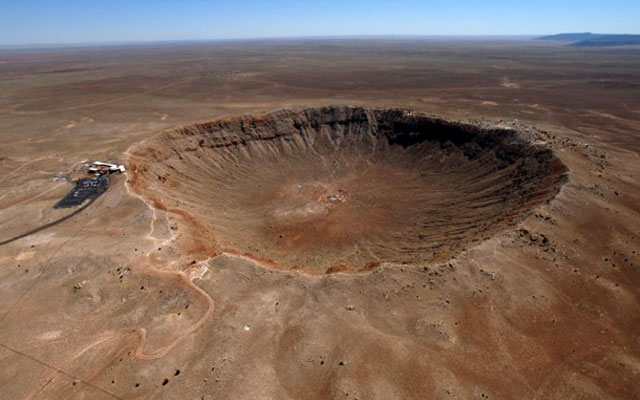
Asteroids that approach Earth typically travel at 5 to 30 kilometers per second. At this speed, even the smallest object can be a threat. For example, the Arizona crater with a diameter of 1,200 meters was formed by an asteroid that once fell, which was only 50 meters in diameter.
The most dangerous asteroids
Apophis
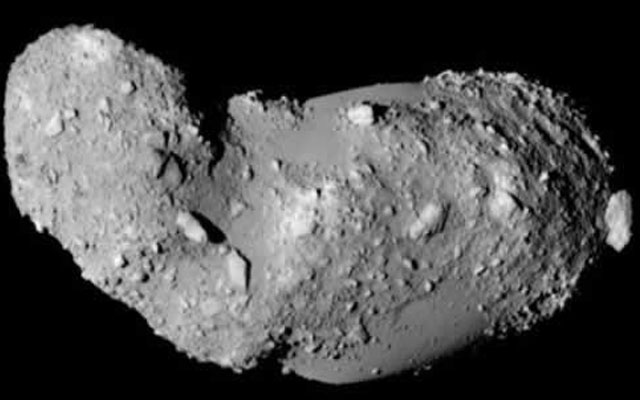
The asteroid 99942 Apophis was discovered in 2004 by astronomers at the Arizona Observatory and was named after the ancient Egyptian god Apopes, who had a very negative reputation. The name was not chosen by chance, as astronomers immediately identified it as a group of dangerous objects after discovery.
When can we expect the apocalypse?
According to forecasts, in 2029, the asteroid Apophis should pass at a close distance from Earth – 37,500 kilometers. Initially, the researchers estimated that the probability of Apophis colliding with Earth would be much higher, but later it turned out that the risks were minimal.
Asteroid Apophis (video)
Apophis briefly entered the Guinness Book of Records as the most dangerous asteroid ever seen, and on the Turin scale, the risk of collision was 4 points (immediately after discovery). Today, an asteroid is not considered particularly dangerous.
2007 TU24
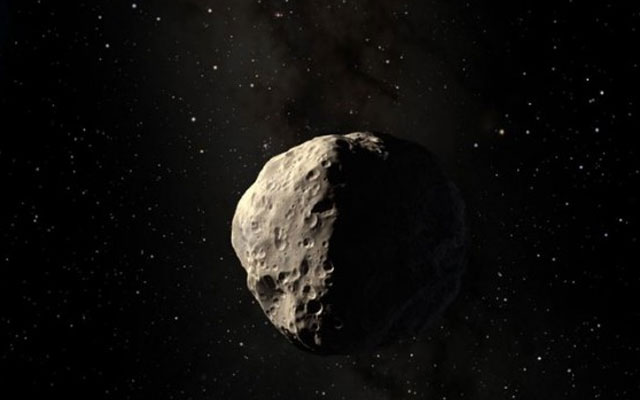
This asteroid was discovered in October 2007. This 250 meter-wide object came close to Earth in January 2008. Despite the relatively close distance from the surface of our planet — only 550 thousand kilometers, 2007 TU24 did not pose any threat to earthlings. The next time this massive facility will fly this close to us is in 2027.
2012 DA14
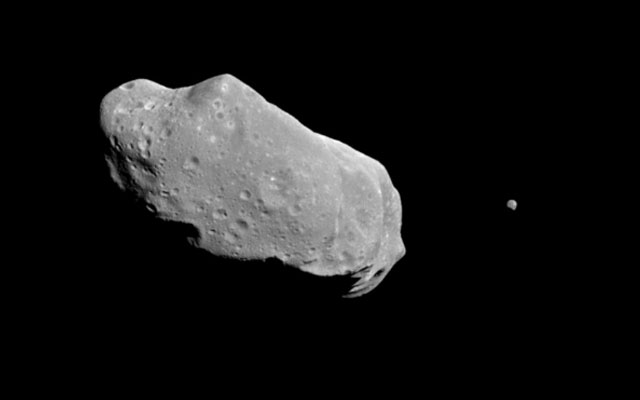
This asteroid was discovered by astronomers only recently. With a diameter of about 44 meters, it has a fairly heavy weight of 120,000 tons. According to researchers, on the night of February 15-16, 2013, this object will approach the Earth at a distance of 22.5 thousand kilometers.
Scientists say that with good weather conditions and excellent vision, this asteroid can be observed even with the naked eye!
(153814) 2001 WN5
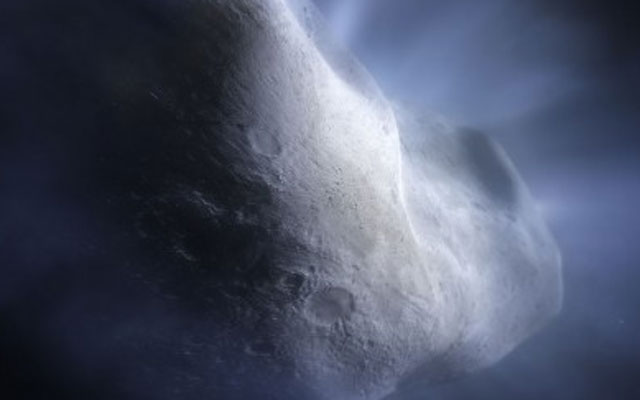
This asteroid from the Apollo group was discovered on November 20, 2001 and later fell into the category of potentially dangerous objects. On June 26, 2028, the asteroid will approach our planet at its minimum the distance is 250 thousand kilometers. On this day, the asteroid can be observed using small binoculars.
It is still difficult to determine the exact size of this asteroid, but its width is estimated to be 700-1500 meters.
2012 XE54
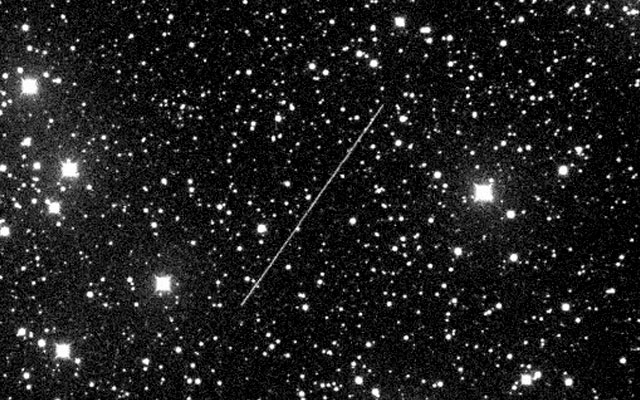
This near-Earth asteroid was discovered on December 9, 2012 at a distance of 230,000 kilometers from Earth. Astronomers have estimated that the object measures about 36 meters in width. This is enough to cause serious damage to our planet in the event of a collision.
An object of similar size destroyed 2,000 square kilometers of forest when it fell near the Siberian Tunguska River in 1908.
Original ways to use dangerous asteroids
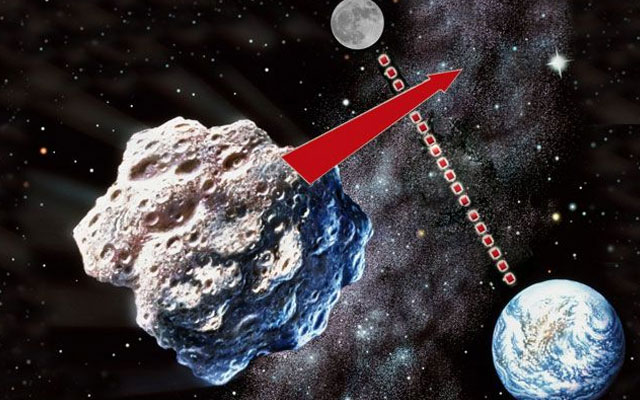
NASA scientists plan to “catch” a 500-ton asteroid, change its trajectory and direct it towards the space station. This incredible plan was proposed to NASA when considering space exploration opportunities in the next few years.
If this plan is approved, people will be able to try moving a space object for the first time in history.
A specially designed capsule will be directed towards the asteroid in order to catch it when it flies somewhere between the Earth and the Moon's orbit. When the capsule approaches the asteroid, it will release a special bag that will catch a stone object like a net.
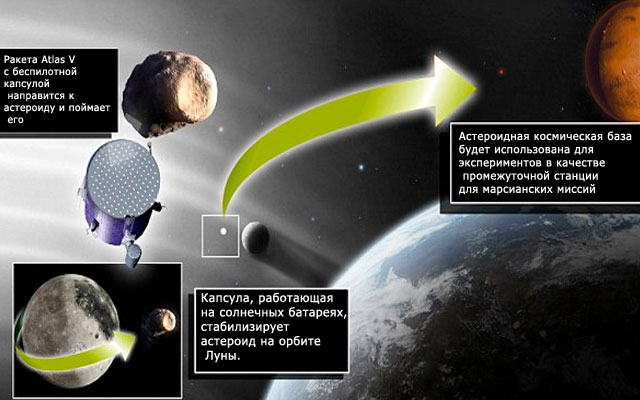
With the help of a powerful rocket-powered engine, it is planned to stop the asteroid and move it to a neutral point where it will not be affected by gravity.
The main goal for scientists in the search for asteroids is to use its natural resources. Researchers have had their eye on these objects for a long time, but were especially interested in them after it was proved that asteroids are good sources of extraterrestrial minerals, including especially valuable and rare on Earth.
Some asteroids have been found to be rich in iron, which can be used to build new space stations. Others have plenty of water that can be split into hydrogen and oxygen to produce fuel.
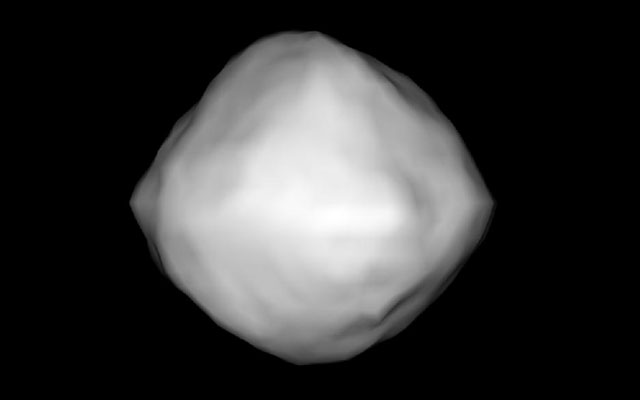
Researchers plan to start extracting minerals from asteroids in the next 10 years. In 2016, it is planned to send a spacecraft to study the asteroid 1999 RQ36, take samples from it and deliver them to Earth.
How to prevent an asteroid collision: interesting ways to fight
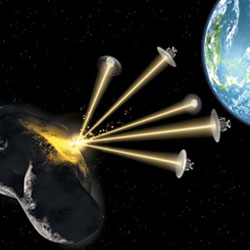
1) Use of nuclear weapons. The first thing that can come to mind is that the nuclear bomb is the most powerful weapon of our time. The idea is not to blow up an asteroid by sending a bomb package to an approaching object. The goal is to force it to change its direction.
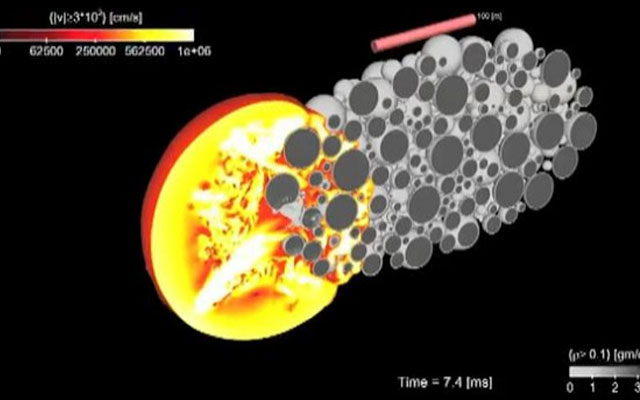
In other words, it is necessary to give the unpredictable block of space a safe direction for the Earth. When a nuclear bomb explodes, the effect will be achieved not at the expense of the most powerful force, but due to the strongest radiation. Such energy can help evaporate part of the asteroid's surface.
NASA plans to implement these plans if necessary by sending drones loaded with explosives to the asteroid.
2) The “billiard balls” method. Some scientists believe that nuclear strategies will not do anything good and that it is possible to move the asteroid in much less dangerous ways. An alternative would be a “kinetic interceptor” that could move the asteroid off its course by hitting it slightly.
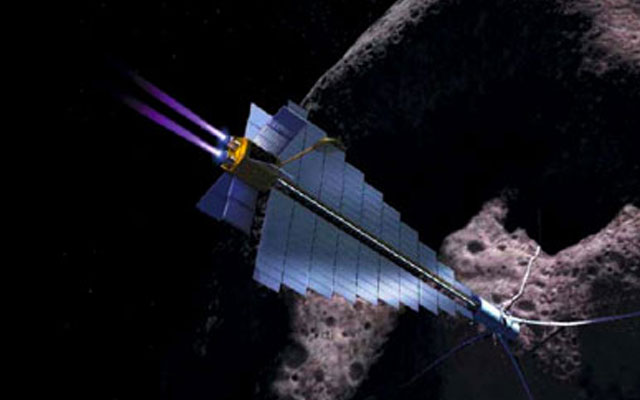
The idea is to move the asteroid without damaging it. According to some estimates, a collision at just 1.6 kilometers per hour would be enough to take the asteroid 2373500 kilometers if hit 20 years before the expected collision.
3) Repainting. This idea might sound ridiculous: why repaint a particularly dangerous object when it's about to fall to Earth? However, this has its own logic.
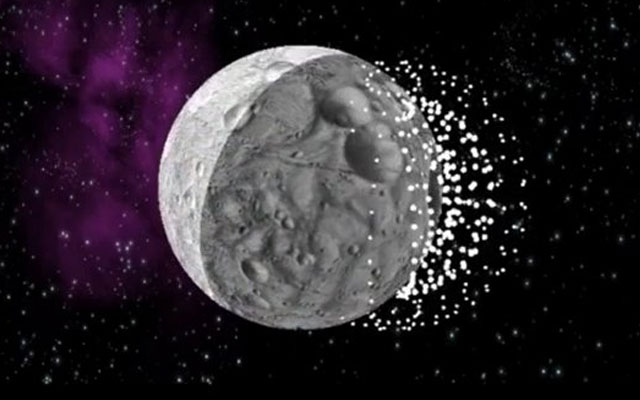
As you know, dark color absorbs solar heat when light, on the contrary, reflects. Scientists believe that if an asteroid has a bright reflective surface, solar radiation, reflecting off it, will gradually push it off its original route.
4) Solar sail. Some strategies for moving an asteroid involve using the powerful energy of the solar wind. For example, you can send an electric solar sail to an asteroid and attach it to it, a special device that will use the energy of the solar wind and, like in the ocean, drive it away from Earth.
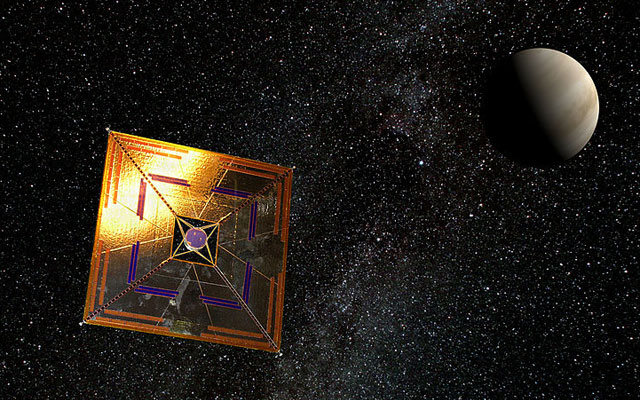
Astrophysicists also plan to create a sail that could be controlled remotely from Earth. However, many researchers doubt that anything can be attached to the asteroid: these pieces of rock, traveling through outer space, constantly rotate and tumble.
5) Carbon networks. Scientists at the NASA space agency have suggested that the particularly dangerous asteroid Apophis can be trapped from a huge carbon filament grid that would weigh 250 kilograms on Earth.
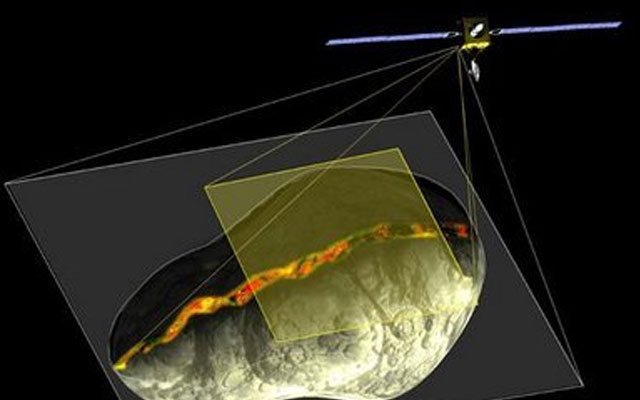
The idea is that the grid will act as a solar sail, increasing the amount of solar radiation that will be absorbed and reflected by the asteroid.
6) Mirrors. Mirrors act as helpers against vampires and gorgons, but can they help fight asteroids?
Strategically placed mirrors can concentrate sunlight and heat on the asteroid's surface, causing its materials to evaporate. This will change the asteroid's path in outer space.
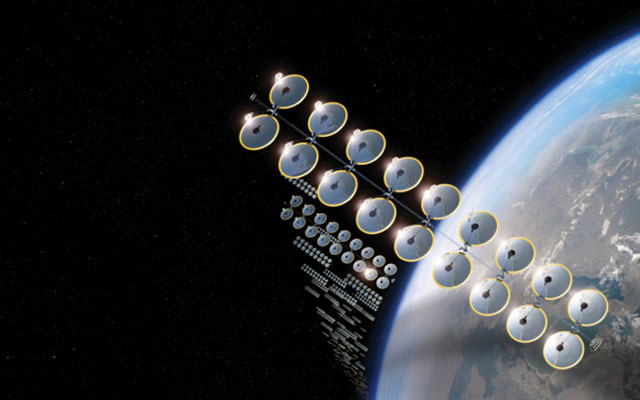
Initially, it was proposed to install one huge mirror in space for this purpose, but later scientists thought that a mirror system of many mirrors working in unison would be much more effective.
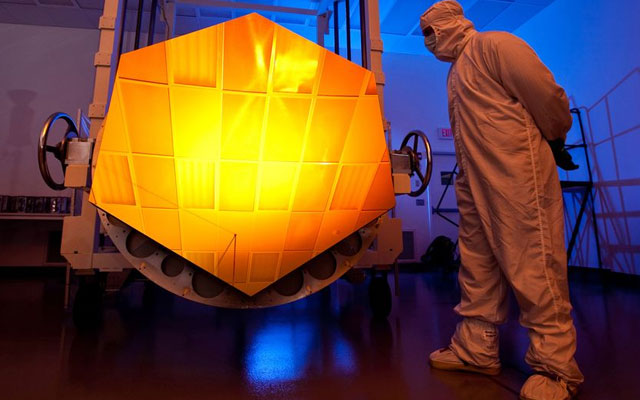
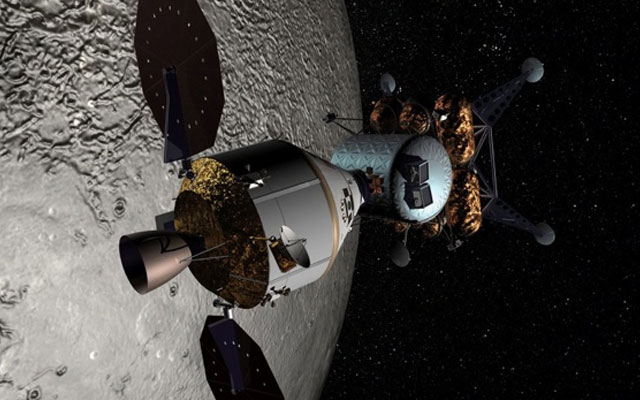
7) Rocket. Some scientists believe that it is possible to land a spacecraft on the surface of an asteroid that can ward off the threat from our planet.
8) Gravity tractor. Every object in the universe has gravitational attraction, including man-made asteroids and spaceships. Gravity may be one of the weakest forces in the universe, but it can always be used when an object has at least some mass. It makes sense to use the properties of gravity against asteroids.
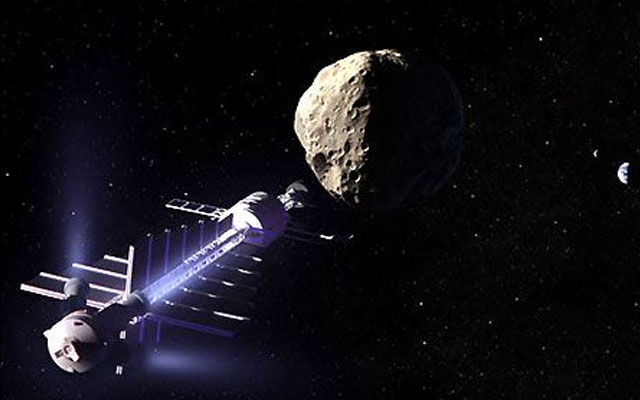
In theory, all you need to do is move the heavy robot to the asteroid and use gravitational attraction to remove the space object from the road.
Not all researchers see this idea as a good opportunity. To prevent a spacecraft from colliding with an asteroid, a very powerful engine may be needed. It is difficult to imagine the cost of such devices; compared to other methods, it is simply astronomical.
9) Robotic diggers. Launching a series of “voracious” robots to an asteroid may seem crazy or the plot of a science fiction movie. However, NASA does have this idea: the mission to change the trajectory of the asteroid is called Modular Asteroid Deflection Mission Ejector Node, abbreviated as MADMEN. “Madman”).
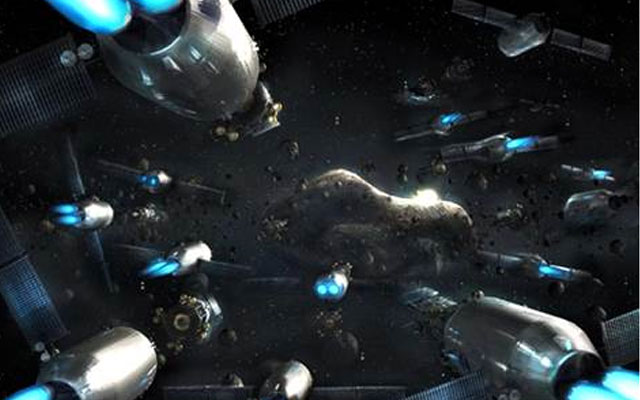
The idea is to send nuclear-powered robots to an asteroid that is dangerous for the Earth, which would land at the site and use electromagnets to divide the asteroid into fragments.
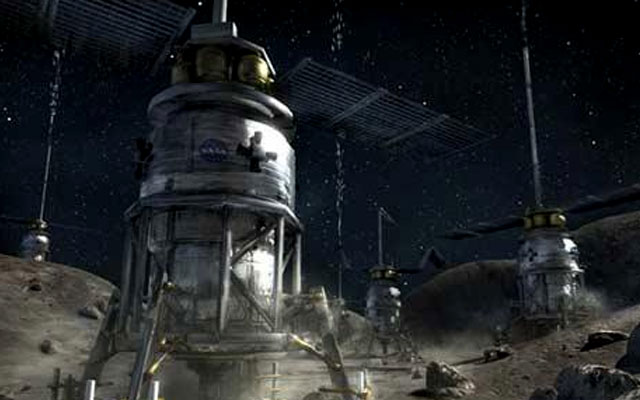
Ideally, these robots would be able to do the same job as rockets, but without the need to use chemical fuel. In order to implement this plan, it is necessary to conduct serious research.