
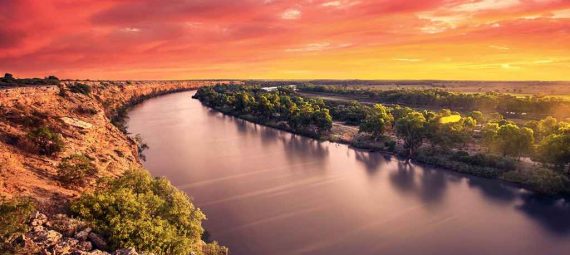
Australia is known for its unique landscapes, diverse ecosystems, and vibrant wildlife, but its rivers are equally remarkable. The continent is home to some of the largest rivers, each with its significance in terms of culture, ecology, and geography. Here’s a look at the largest rivers in Australia:
1. Murray River
The Murray River is the longest river in Australia, stretching approximately 2,508 kilometers (about 1,558 miles). Originating in the Snowy Mountains of New South Wales, it flows through several states, including Victoria and South Australia, before emptying into the Southern Ocean. The river is vital for irrigation and agriculture, supporting numerous farming communities along its banks. Additionally, the Murray River is a popular destination for recreational activities such as boating, fishing, and houseboating.
2. Darling River
Flowing approximately 1,472 kilometers (about 915 miles), the Darling River is a major tributary of the Murray River. It traverses New South Wales and is known for its rich Aboriginal cultural history. The river supports a diverse range of ecosystems, including wetlands and floodplains, providing habitat for various wildlife species. The Darling River is also integral to agriculture, particularly cotton and other crops in the region.
3. Lachlan River
The Lachlan River is an important waterway in New South Wales, extending around 1,440 kilometers (about 894 miles). It plays a crucial role in irrigation, supporting farming communities in its basin. The river is characterized by its winding course and seasonal flooding, which enriches the surrounding agricultural land. The Lachlan River is also noted for its natural beauty and offers opportunities for recreational activities like fishing and camping.
4. Cooper Creek
Cooper Creek stretches approximately 1,300 kilometers (about 807 miles) across Queensland and South Australia. Renowned for its fluctuating flow, the creek is an ephemeral waterway, meaning it often experiences periods of drought and flooding. The surrounding areas are rich in wildlife, making it a significant ecological zone. Cooper Creek also holds cultural importance for Aboriginal communities, who have lived along its banks for thousands of years.
5. Gascoyne River
The Gascoyne River, located in Western Australia, is around 900 kilometers (about 559 miles) long. Its flow can be unpredictable, varying from a dry bed during the dry season to a raging torrent during the wet season. The river is an essential water source for agriculture in the region and supports various ecosystems, particularly in its floodplains and wetlands.
6. Fitzroy River
The Fitzroy River is a vital river in Queensland, approximately 756 kilometers (about 469 miles) long. It flows through a diverse range of landscapes, from rugged gorges to fertile floodplains. The river plays a crucial role in supporting local agriculture and is known for its rich biodiversity, including a variety of fish and bird species.
Conclusion
Australia’s rivers are not just geographical landmarks; they are lifelines for the communities and ecosystems they support. Each river has its unique characteristics and cultural significance, reflecting the diverse nature of the Australian landscape. Whether you’re seeking adventure, relaxation, or a deeper understanding of the environment, exploring these rivers offers a glimpse into the natural beauty and rich heritage of Australia.