
The Arctic and sub-Arctic regions, characterized by their harsh and unforgiving environments, are home to a remarkable array of specially adapted animals. These creatures have evolved unique physical traits and behaviors to thrive in the icy landscapes and challenging conditions. Their presence paints a vivid picture of the intricate balance of nature in one of Earth’s most remarkable ecosystems.
Special Adaptations for Survival
The animals of the North have developed fascinating adaptations to endure the frigid temperatures, long winters, and scarce food supplies. These adaptations often revolve around insulation, camouflage, and energy conservation:
- Insulation: Thick fur and blubber are common features among Arctic animals. These layers provide excellent insulation, helping them to retain body heat and withstand the extreme cold.
- Camouflage: Animals like the Arctic fox and snowy owl possess white fur, a perfect camouflage against the snowy backdrop, allowing them to effectively stalk prey and avoid predators.
- Metabolic Adaptations: Some animals, like hibernating species, have developed metabolic adaptations to survive periods of food scarcity, slowing their metabolism to conserve energy.
Iconic Species and Their Habitats
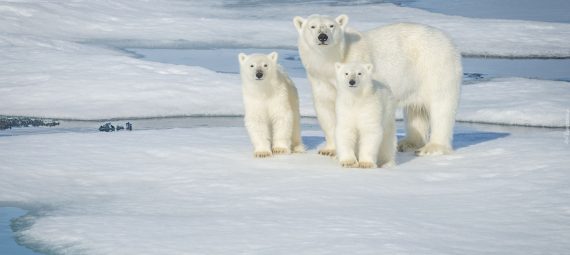
- Polar Bears: The undisputed kings of the Arctic, polar bears are master hunters, utilizing their exceptional senses and powerful physiques to capture seals in their icy dens. Their white fur provides perfect camouflage in their icy habitat, and their thick blubber provides insulation against the cold. Their habitat is primarily sea ice and coastal areas of the Arctic Ocean, where they hunt and den.
- Arctic Foxes: These adaptable foxes display a remarkable ability to change their coat color with the seasons, transitioning from white in winter to brown or gray in summer. Their camouflage helps them hunt across diverse habitats, including tundra, mountains, and coastal areas.
- Snowy Owls: These majestic birds of prey are renowned for their white plumage, blending seamlessly with snowy landscapes. Their powerful talons and sharp beaks are vital for hunting small mammals, like lemmings and voles. They inhabit tundra and snowy areas across the Arctic and sub-Arctic.
- Musk Oxen: These iconic mammals possess thick, shaggy coats that provide excellent protection against harsh weather. Their powerful horns and communal defense strategy make them formidable against predators like wolves. They are well-adapted to the tundra environments of Arctic regions.
- Caribou: Known for their incredible migrations, caribou traverse vast distances in search of food and suitable breeding grounds. Their sturdy hooves and thick coats are vital for navigating the icy terrain and tolerating extreme weather. Their habitats span tundra and forests of the Arctic and sub-Arctic regions.
- Walruses: These large marine mammals have thick, protective skin and tusks used for digging and fighting. Their primary habitat is coastal areas and sea ice, where they feed on shellfish and other marine organisms.
- Seals: Numerous seal species inhabit the icy waters of the Arctic. Their blubber and waterproof fur provide insulation and buoyancy, allowing them to thrive in the harsh environment. They are essential prey for polar bears and other predators.
Threats to Arctic Wildlife
Climate change poses a serious threat to Arctic wildlife. Melting sea ice disrupts the habitats of species like polar bears and seals, impacting their hunting patterns and survival. Pollution and human activity also contribute to the degradation of the Arctic’s fragile ecosystems. Protecting these animals and their environments is essential for maintaining the ecological balance of the region.
Importance of Conservation
Protecting the animals of the North is vital not only for their survival but also for maintaining the health of the entire ecosystem. Research, conservation efforts, and sustainable tourism practices play a crucial role in safeguarding these remarkable creatures and their habitats for future generations. Understanding their adaptations and vulnerabilities helps us appreciate the delicate balance of nature in this unique environment.