
 Health
Baby skin is the baby's largest organ. After the birth of the baby, it still continues to form, performing a number of important functions – maintaining health
and protecting against irritants, toxins and infections. The skin regulates the child's body temperature and it is through the skin that the first acquaintance with the outside world begins.
Every mother knows that baby skin requires daily and gentle care. When choosing baby cosmetics, you need to carefully study the composition.
In this article, we'll figure out what ingredients children's cosmetics should not contain.
The composition of baby cosmetics
1. Parabens (Parabene)
Parabens (methyl-, butyl-, propyl-, benzyl-, ethyl paraben- and E-216). They all belong to the paraben class. These are chemicals that increase the shelf life of the product by killing bacteria, including useful ones. Parabens are widely used by cosmetics manufacturers due to their low cost. These substances are similar to female sex hormones (estrogens), accumulate in the body over time, adversely affect hormones and disrupt the endocrine system. If you find these ingredients in the product, place it back on the shelf.
2. Phthalates (Phthalate)
The next dangerous group of chemicals is phthalates. These substances are used in products to give a soft, uniform texture and form a lush foam. They provoke disorders in the endocrine system, causing problems with reproduction, including complete infertility, and can also affect the nervous system, liver, and kidneys. Phthalates are easily absorbed through the skin and spread throughout the body, turning into monoethyl phosphates. In addition to cosmetics, phthalates are found everywhere, in children's toys of questionable quality, in all kinds of packages, carpets and wall coverings, hoses, pipes, etc.
3. Formaldehyde
It is often referred to as formalin. Formaldehyde is used as a preservative. It is associated with the development of reproductive system problems, asthma, and damage to the digestive system. To prevent this, avoid products containing formaldehyde, quaternium-15, hydantoin DMDM, imidazolidinylurea, diazolidinylurea, polyoxymethylene urea, sodium hydroxymethylglycinate, 2- bromo-2-nitropropane-1,3-diol (brompol) and glyoxal.
Read also: The most dangerous food for children
4. 1,4-Dioxane
1,4-Dioxane is a component that is part of a number of shampoos, detergents and cosmetics. Prolonged contact can irritate the skin, mucous membranes of the eyes and nasopharynx, and can also provoke the development of cancer. To avoid this, do not use products that contain sodium laureth sulfate, PEG compounds, and chemicals listed as xinol, ceterate, and oleum.
5. Vitamin A and oxybenzone
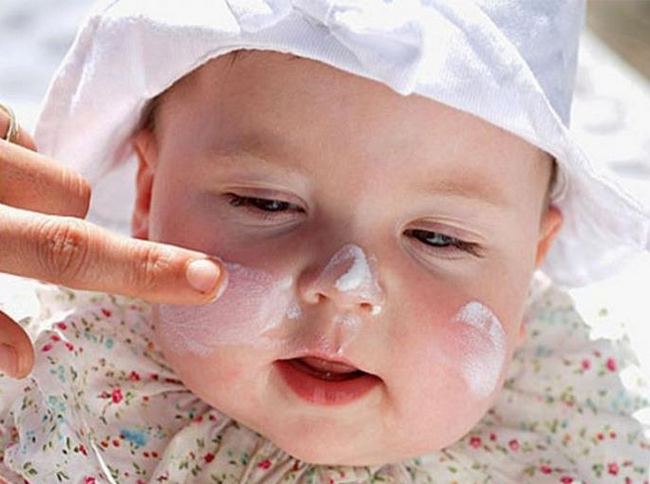
Some sunscreen ingredients do more harm than good. Actually, vitamin A is safe. Problems arise if it is part of a sunscreen. Retinyl palmitate or vitamin A during the sunny season can contribute to skin damage. Methylisothiazolinone is a powerful allergen that scientists associate with painful skin rashes.
What else should I look for when choosing a sunscreen for a child? It should contain zinc oxide and titanium dioxide (zinc oxide and titanium dioxid) – they protect against ultraviolet rays A and B. And in no case is a cream with oxybenzone (benzophenone) recommended for children. More than 20 studies prove that oxybenzone is a hormone destroyer.
Mineral oil damage
6. Mineral oils
Under the beautiful name, mineral oils can hide technical oils, paraffin, ceresin, and other harmful substances obtained by refining petroleum products. Mineral oil forms a water-repellent film. Due to lack of oxygen, skin cells stop functioning normally, the skin dries and flakes. Under the film, a greenhouse effect is created, the sebaceous and sweat glands become clogged, as a result of which thermoregulation is impaired and leads to irritation and inflammation. Therefore, children often experience sweating and allergic reactions. It was also found that mineral oil contains carcinogens that contribute to the growth of cancer tumors.
Vaseline on the label is marked as Petrjlatum. It is also a refined product consisting of a mixture of mineral oil and paraffin. The effect on the skin is the same as that of mineral oil.
7. Dyes, flavorings
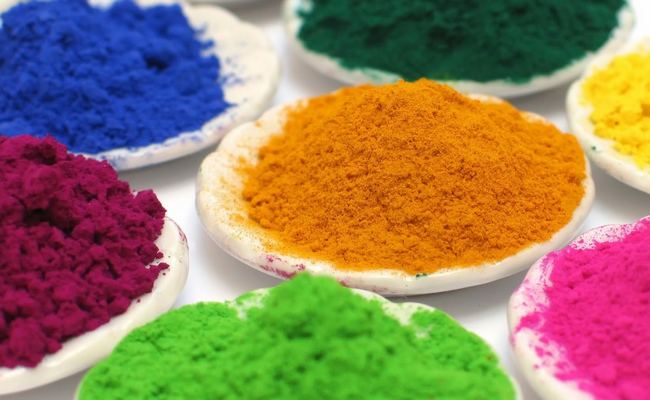
It is desirable that there are no dyes and fragrances in children's cosmetics. Dyes are referred to as CI and flavors as Parfume and Fragrance. These ingredients are used to give the product the right color and aroma. All of this is a potential irritant. Children's skin develops redness, increased dryness and irritation. Synthetic flavors can cause an allergic reaction, provoke coughing, suffocation, mucosal edema, etc.
There are hypoallergenic fragrances. They are allergen-free or minimized. Such fragrances are the most optimal for use in children's cosmetics.
Read also: What gifts to give to a newborn?
The structure of baby skin is the same as that of adults, although children's protective function does not work as effectively because the skin is 5 times thinner and does not have sufficient protection against harmful substances, that can enter the body. That is why it is very important to always pay attention to the composition of baby cosmetics.