
 Health
Watch videos, If you're too lazy to read
Watch videos, If you're too lazy to read
Rotavirus, intestinal flu, and “dirty hands disease” are all names for an infectious disease that kills more than 500,000 children around the world every year. At the same time, children aged one to five years are most susceptible to this infection, since their bodies do not have antibodies to rotavirus.
Therefore, it is extremely important to recognize the infection in time and take measures that will help not only alleviate the child's condition, but also prevent the development of serious complications that can lead to fatal.
Symptoms of rotavirus infection
From the moment the virus enters the child's body until the first symptoms of the disease appear, it usually takes 12 hours or a day (less often the incubation period can last about 3-5 days).
I would like to note right away that the severity of symptoms in rotavirus infection largely depends on the child's age and immunity.
The younger the baby, the more pronounced the intoxication process and intestinal signs of the disease will be.
In infants, rotavirus infection can occur without severe symptoms of intoxication, while the child refuses to eat, rapidly loses weight, is lethargic and drowsy, and tormented intestinal colic.
Let's consider the main symptoms of intestinal rotavirus infection.
Temperature in case of rotavirus infection
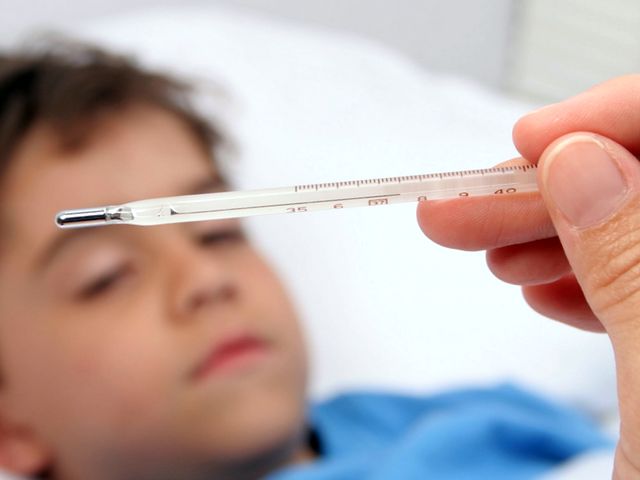
An increase in body temperature to 39-40°C is one of the leading symptoms of rotavirus.
With this infection, high fever can last for 5 to 6 days; it is not possible to “knock it down” with antipyretic agents.
Read also: Symptoms of intestinal infection in a child. Emergency measures
Nausea and vomiting in case of rotavirus infection
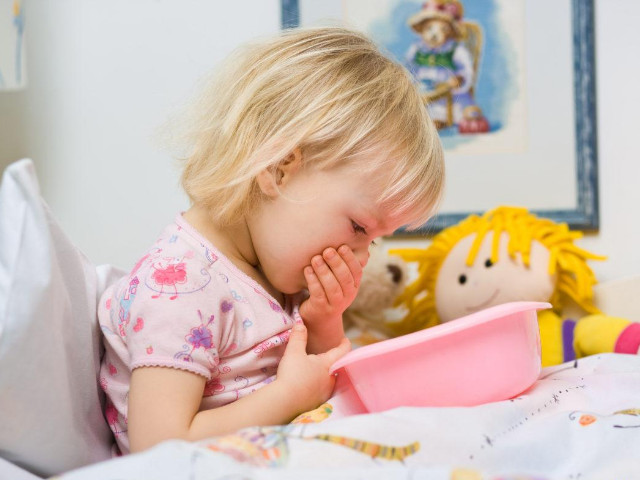
Nausea and vomiting are often the first signs of rotavirus in children.
Vomiting may be a single time, but more often a child vomits 2 to 10 times a day, and it does not matter at all whether his stomach is empty or full.
A baby can vomit even after taking several sips of liquid, and the amount of vomit often exceeds the amount of water or food that the child ate.
With proper and timely treatment, vomiting disappears within a day, while in severe cases it can exhaust the child for three days or more.
Diarrhea (diarrhea) in case of rotavirus infection
Rotavirus in children rarely occurs without diarrhea.
Diarrhea begins suddenly, while the child can walk “big” 5 to 10 (or even 15) times a day.
The bowel movements of rotavirus infection are abundant, frothy and have an unpleasant sour odor.
In the first few days, the feces are watery and green in color. Children's stool then turns gray-yellow and clay-like.
It's important! In case of rotavirus infection, there is no mucus in the stool, and the child does not suffer from a false urge to defecate.
Read also: Top 10 microbes on your smartphone
Flatulence in case of rotavirus infection

Diarrhea in a child with rotavirus is most often accompanied by flatulence, namely:
bloating: the baby's abdomen becomes hard and increases in size;
rumbling in the abdomen;
a feeling of fullness: the child may complain that “the tummy it's going to burst now.”
Rotavirus pain
Against the background of flatulence, the child develops cramping abdominal pain that disappears after the gases have escaped.
Mostly the pain is localized in the periumbilical region.
In addition to abdominal pain, the child may be concerned about headaches and joint pains that are the result of intoxication.
Dehydration in case of rotavirus infection

Dehydration (or dehydration) is a terrible sign that requires immediate hospitalization of the child!
The following manifestations indicate the development of dehydration in a child:
constant insatiable thirst;
western eyes; weaning
of the large fontanel;
dry skin, lips, eye sclera;
pale skin (with severe dehydration, the skin becomes earthy gray); a
decrease in the amount of urine released (on average, a child should release urine every 3 hours);
hoarseness;
complete refusal to drink.
In addition, do not hesitate to call an ambulance if the child has:
fever exceeding 39° C;
convulsions;
frequent diarrhea (more than 5 to 7 times);
indomitable vomiting;
blood in the excrement;
delusions and hallucinations.
Treatment of rotavirus infection in children

There is currently no drug that would cure rotavirus infection. Symptomatic therapy aimed at combating dehydration, fever and pain will help alleviate the child's condition.
Rotavirus passes on its own after 4 to 7 days after the onset of the first symptoms of the disease.
It's important! There is an opinion that a strong immune system is developed to rotavirus infection. But this is not the case. After an infection, re-infection is rare, but still possible, but the disease will be mild!
Combating dehydration
Vomiting, diarrhea, fever and excessive sweating, characteristic of rotavirus infection, quickly dehydrate the child's body.
To replenish the liquid, it is necessary to give the child warm mineral water, tea, lemon water, and a weak decoction of dried fruits.
Offer your baby a teaspoon of water. If this amount of water has been absorbed and does not cause vomiting, you can give a dessert spoonful of water after 10 minutes. As a result, the child should drink about 50 ml of liquid every 10 to 20 minutes at a time.
Adult children can drink 100 to 200 ml of liquid if it is well absorbed.
In a short time, special rehydration solutions, which can be purchased at any pharmacy, will help to fill the lack of salt and fluid in the body.
Read also: 10 insidious “inhabitants” of drinking water
Decrease in temperature during rotavirus
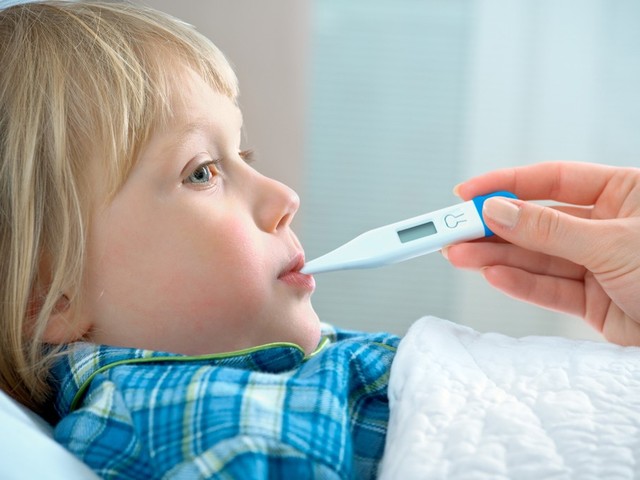
At a body temperature above 38° C, a child (especially under 6 years of age) should be given an antipyretic agent to avoid the development of seizures.
It's important! It is strictly forbidden to “bring down” the temperature in children with aspirin in infectious diseases, since this drug can provoke vomiting, poor health and cause breathing problems.
Rotavirus detoxification
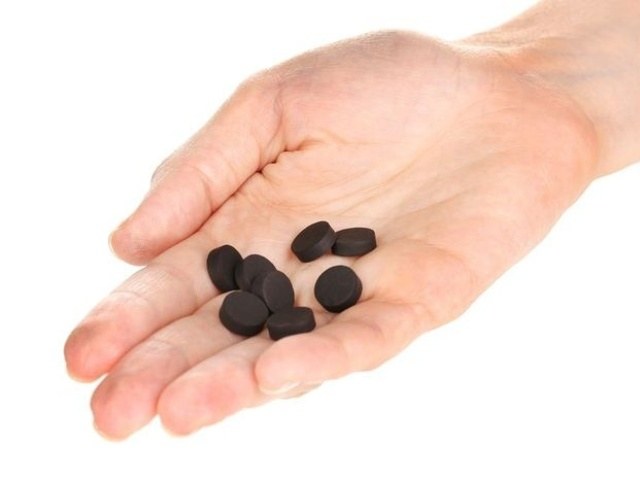
Rotavirus enterosorbents contribute to the adsorption and removal of toxic substances from the blood, so they are an integral part of treatment.
Probiotics and enzymes for rotavirus
Rotavirus infection provokes a deficiency of digestive enzymes, which enzymes help to replenish.
BUT! In the acute phase of the disease, enzyme preparations can only exacerbate the child's condition, since they contain proteases that promote the introduction of the virus into the intestinal mucosa.
Therefore, drugs for normalizing digestion, including probiotics, lacto- and bifidobacteria, are recommended to be included in therapy no earlier than on the third day of the disease.
Painkillers for rotavirus
Antispasmodics designed to relieve gastrointestinal pain will help relieve acute abdominal pain with rotavirus in a child.
BUT! It is better to refrain from taking this group of drugs until the child is examined by a doctor, since the localization and intensity of the pain syndrome are important signs that help to make a correct diagnosis.
Antiviral therapy for rotavirus
The use of antiviral drugs for rotavirus infection is controversial, since their effectiveness against rotavirus has not been proven.
Therefore, the decision on whether to load an already weakened body with medicines is decided by the doctor together with the parents of the sick child.
Antibiotics for rotavirus
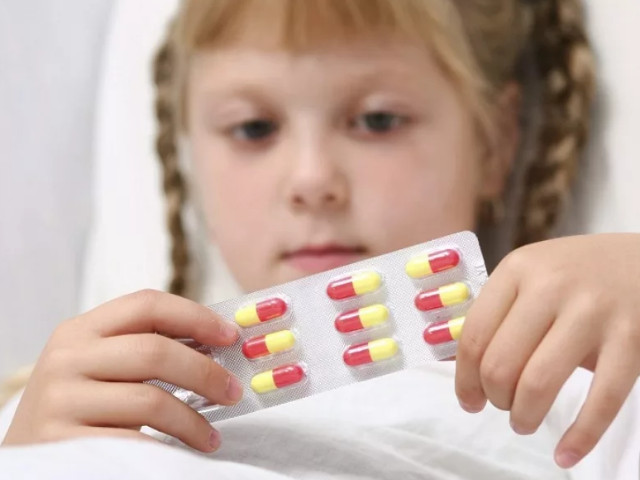
Antibacterial drugs for rotavirus infection, firstly, are not effective; secondly, they provoke the development of dysbiosis and worsen digestive processes that are already impaired.
Antidiarrheal and antiemetic drugs for rotavirus

In case of rotavirus infection, viral particles are excreted with feces and vomit. Therefore, self-administration of antidiarrheal and antiemetic drugs will prolong the disease and exacerbate the child's condition.
Remember that vomiting and diarrhea are the body's defense mechanisms.
Rotavirus diet
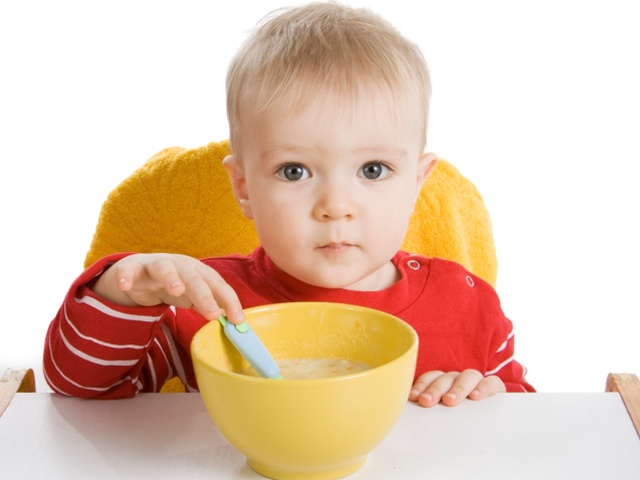
On the first day of rotavirus infection, it is not recommended to give a child food, only water.
From the second day of illness, meals should be fractional, in small portions and include the following products:
slimy porridges on water,
liquid vegetable purees,
ground soups,
white croutons,
bananas,
baked apples.
Dairy and meat products, fried, fatty, sour, salty and spicy foods, carbohydrates (juices, pastries, sweets and legumes) are excluded from the child's diet for the next 10 days.
Rotavirus breastfeeding is not stopped because breast milk contains antibodies and immunoglobulins that fight rotavirus and facilitate its course.
Bottle-fed babies are switched to lactose-free mixtures.
And remember that cleanliness is the key to health. Therefore, teach your child from early childhood to wash hands after going to the street and toilet, not to drink tap water and not to eat unwashed vegetables and fruits, which will significantly reduce the risk of contracting rotavirus infection!