
 Events
What interesting things are happening in September with visible planets?
This is what today's article is about.
Mars and Saturn have been visible since the end of August and can be seen until the end of September.
Look for golden Saturn and red and rosy Mars, very close to each other in the southwestern sky, just west of the bright star Antares.
Both planets will gradually approach Antares over the course of a month, and this is despite the fact that Mars will move across the dome of the night sky at a much faster pace.
Mars will pass as close as possible to the north side of Antares on September 27.
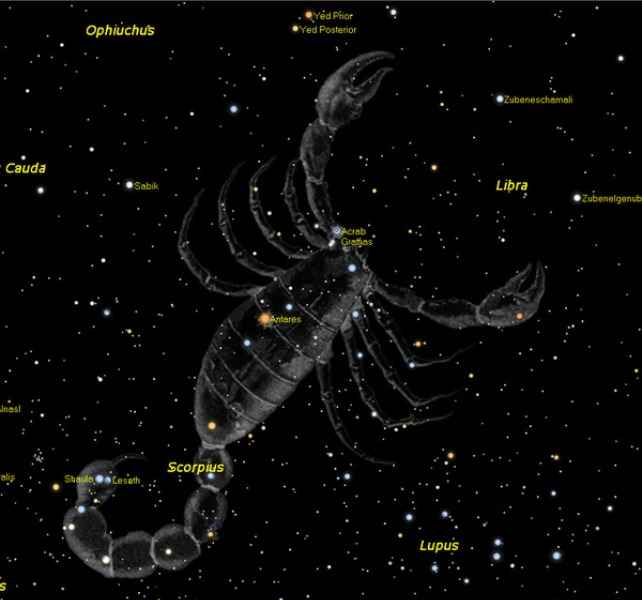
The star Antares in the Scorpio constellation
Meanwhile, slow Saturn won't meet the brightest star in the constellation Scorpio until December 2015. In September, when it gets dark, be sure to go and watch Saturn and Mars, especially at the beginning of the month, and on the 27th, 28th and 29th. Moreover, on these numbers they will be as close as possible to the Moon.
Visible planets in September 2014
Saturn can be seen from northern latitudes in September every day for several hours after sunset. This month, the ringed planet is in the southwest. It shines right in front of the Libra constellation.
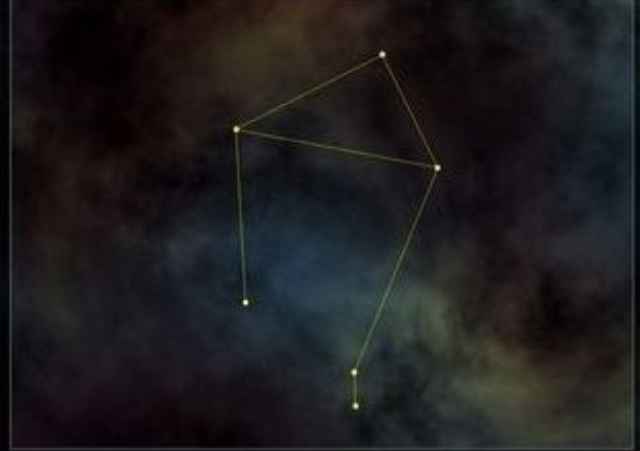
Libra constellation
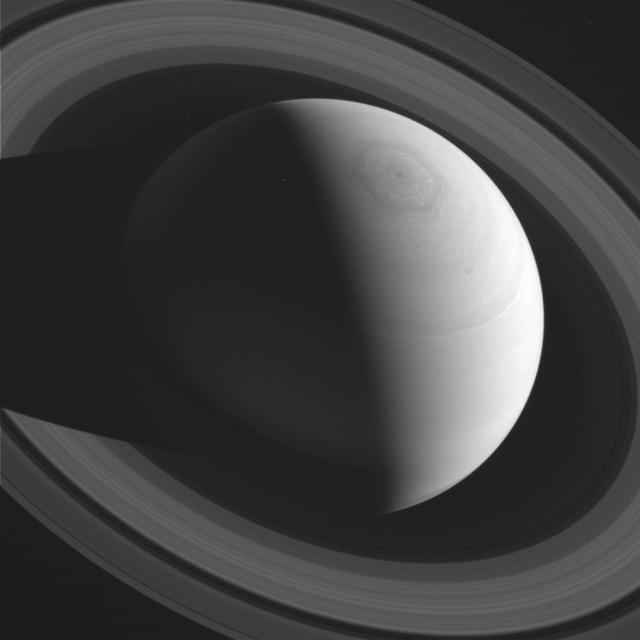
Saturn in February 2014 (photo by Cassini spacecraft)
It's worth noting that Mars is also visible every day in September for several hours after dawn. Despite the fact that the Red Planet is getting dimmer every September, moving in its large and slow orbit, it nevertheless remains quite bright during September The year 2014.
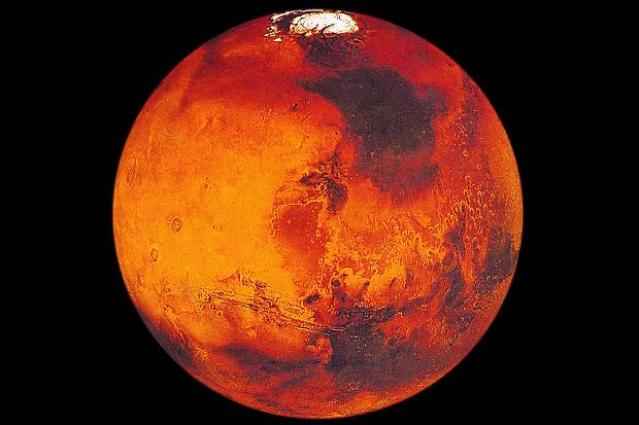
Mars
This rosy planet still outshines the bright star of the Scorpio constellation until September 27. At temperate northern latitudes, Mars will be most visible throughout September three hours after sunset.
Mars and Saturn were as close to each other as possible at the end of August 2014, but they will remain relatively close in early September.
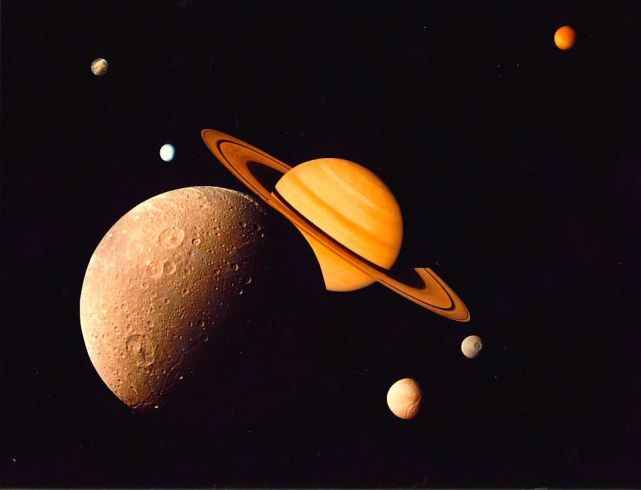
Mars and Saturn
You won't be able to see Saturn's incredibly beautiful rings with binoculars, but a small telescope will do you a good job. In September, Saturn's rings will be tilted 22 degrees from the edge, making its north side visible.
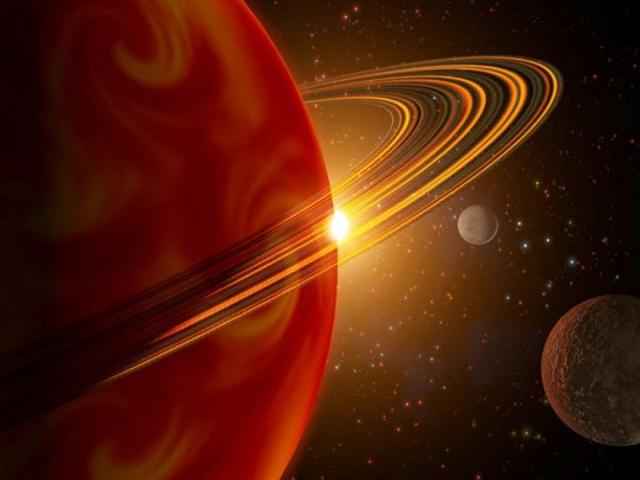
Saturn's rings
In a few years, in October 2017, the rings will “open” for viewing as wide as possible (27 degrees). The visibility of Saturn's beautiful rings is cyclical. By 2025, the rings will begin to turn south towards us, and in May 2032, you will be able to see the maximum possible when they tilt 27 degrees.
In mid-northern latitudes, Saturn will be visible after sunset for three hours in early September, and for two hours by the end of the month.
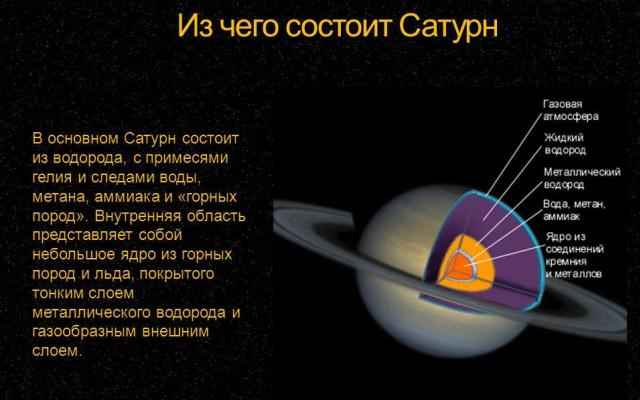
The structure of Saturn
Mercury, the innermost planet, appeared in the evening sky on August 8, and will remain there until mid-October 2014. However, this planet does not go too high from the bright sunset, so it will be almost invisible in the northern middle latitudes.
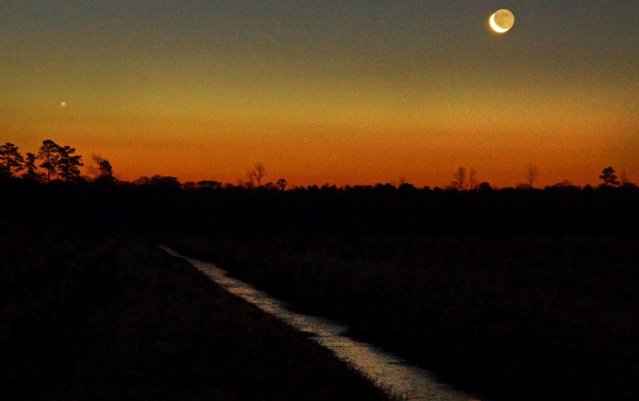
The Moon and Mercury
On the other hand, residents of the Southern Hemisphere will be able to observe a subtle image of Mercury throughout September. The planet will stay in the night sky for as long as possible on September 21.
Read also: Mysteries of the planet: a strange glow over the Pacific Ocean
Venus and Jupiter, the planets ranked 1st and 2nd respectively, were as close to each other as possible in the August morning sky. Since then, Venus has begun to go beyond the rising Sun, while Jupiter has begun to rise above sunrise.
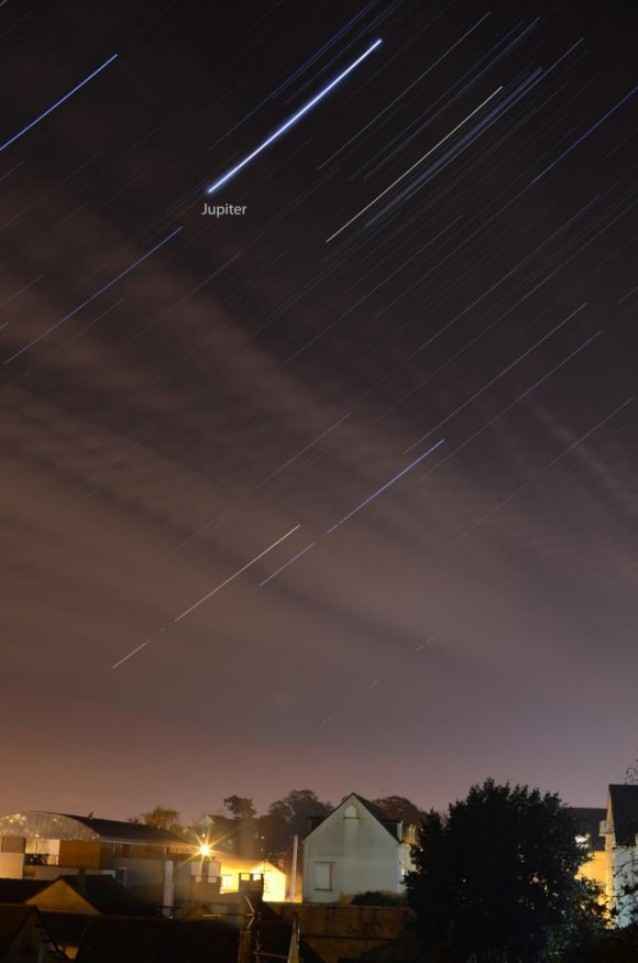
These are called star tracks. The brightest object in the photo is Jupiter. Photo taken in Normandy, France
At the beginning of September, Jupiter rises 2.5 hours before the Sun, and Venus about 1 hour earlier. By the end of the month, Jupiter will rise 4.5 hours before the Sun, while Venus will be visible half an hour before sunrise.
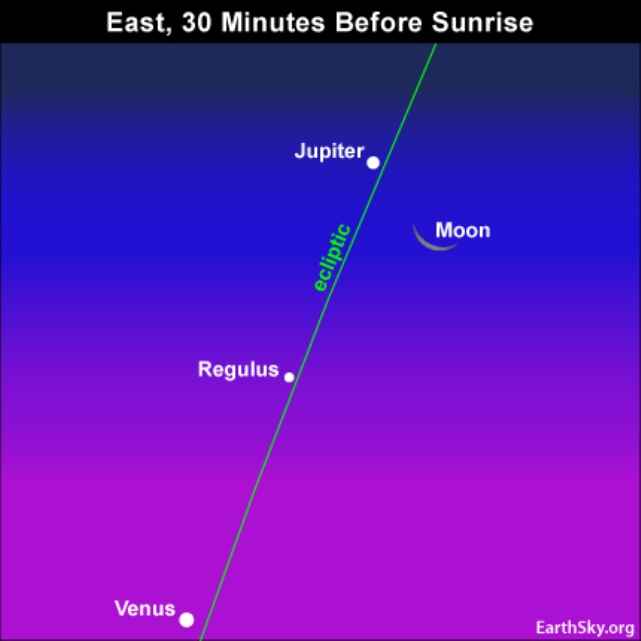
Half an hour before dawn (September 20, 2014)
Venus will be fully visible in the evening sky in October 2014. The new moon will “connect” to Jupiter on September 19 and 20.
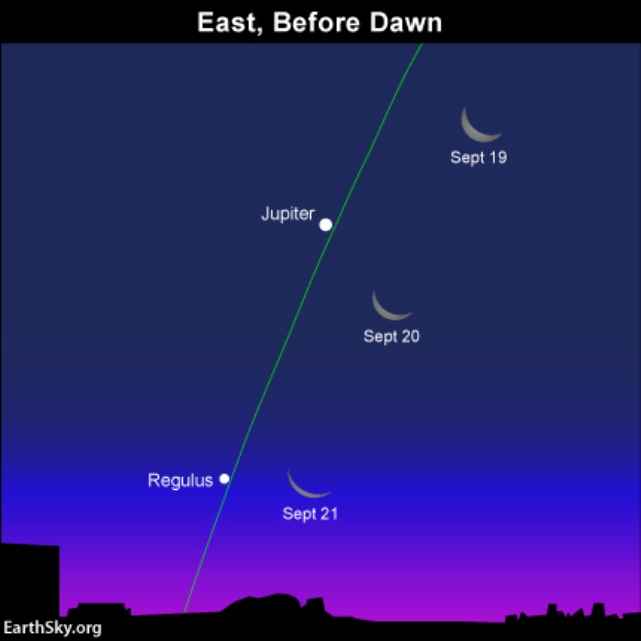
Before sunset (September 21, 2014)
In fact, Jupiter now dominates the morning sky, rising before dawn throughout September.
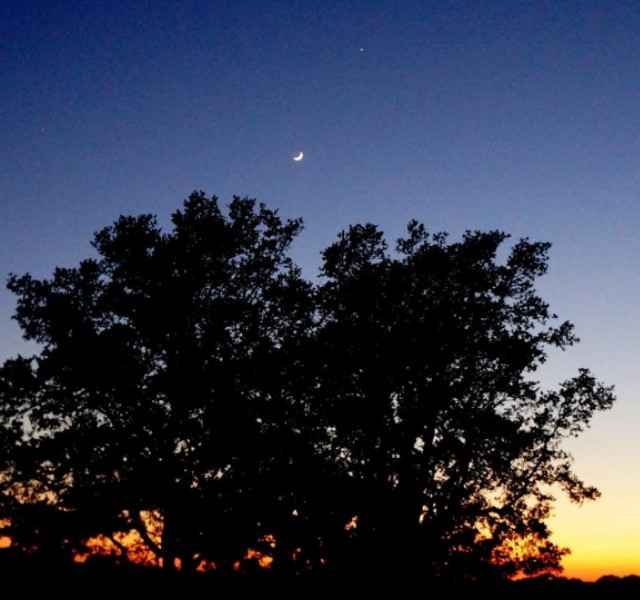
Jupiter and the Moon
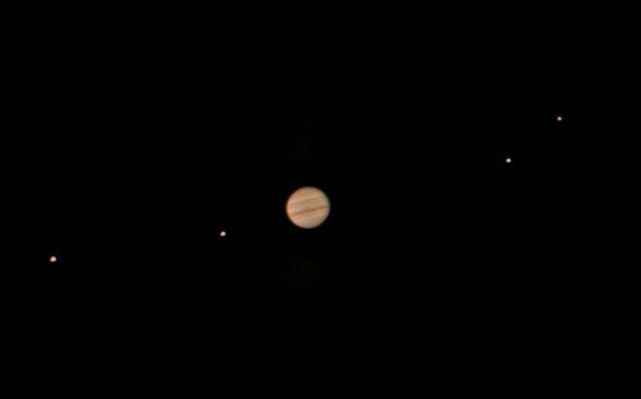
Jupiter and its 4 moons
You can't do without a telescope to see the phases of Venus. Whenever you see Venus in the morning sky, it's always moving away from Earth, and its phases are constantly growing (that is, it's getting bigger).
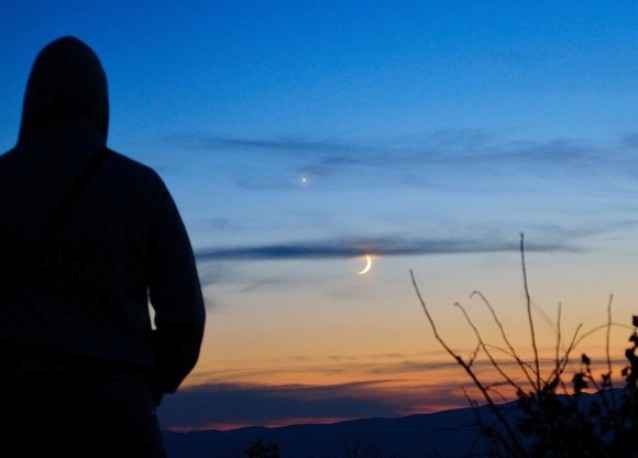
Venus and the Moon
The phases of Venus will be very difficult to distinguish even with a small telescope, because the planet becomes almost complete for observation.
We'll see almost 97 percent of the Venus disk this month, and we'll stop seeing when it's 99 percent complete.
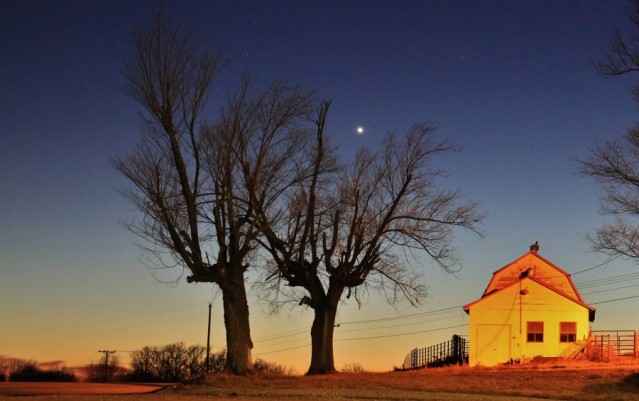
Venus
It should be added that the light of Venus is most bright for the inhabitants of the Earth at a time when its disk is covered by a quarter of sunlight. This is due to the fact that during such periods, Venus's disk is always larger in the sky compared to when it is fully visible.
Venus's light illuminated our sky as much as possible on February 15 this year, when its disk was “illuminated” by the Sun by 26 percent.
Read also: The scariest things in space
However, Venus is always a bright planet. It will remain the brightest object in the morning sky until it “goes” after sunrise in late September and early October 2014.
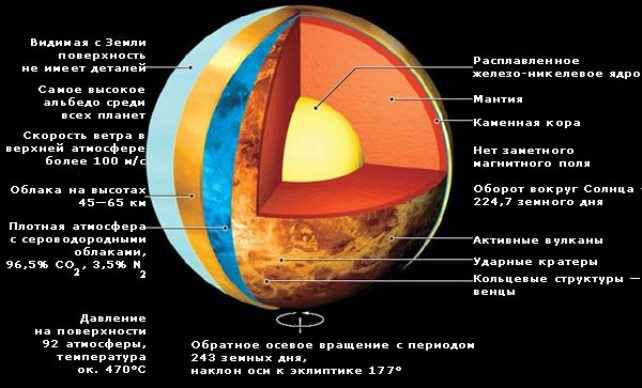
Venus
Planets visible to the naked eye
What do we mean by “visible planet”? This refers to any planet in the Solar System that can be seen without the help of optics and that our ancestors have been following since time immemorial.
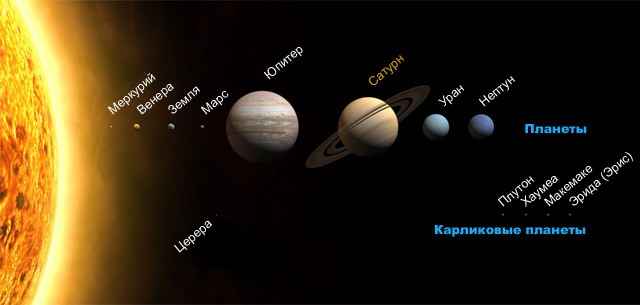
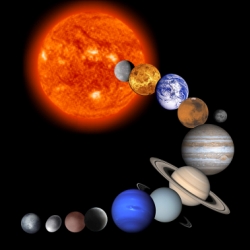
Externally, there are five visible planets from the Sun: Mercury, Venus, Mars, Jupiter, and Saturn. These planets can be seen in Earth's sky because their disks reflect sunlight, and these relatively close objects tend to emit more consistent light than distant, twinkling ones stars.
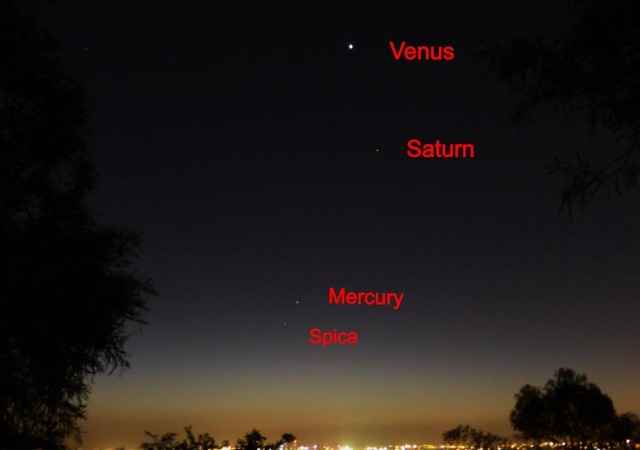
Australian sky September 26, 2013
They are usually very bright! If you try to understand them and learn to recognize them, you will discover a world of amazing beauty that you can constantly see.
Let's sum up: the evening planets Mars and Saturn, in September, come out first at nightfall. In southern latitudes, it will also be possible to see Mercury near the horizon at dusk and at night. The morning planets in September are Jupiter and Venus.