 Unbelievable facts
A new study has found that people feel different emotions in certain parts of the body.
A team of scientists from Aalto University in Finland conducted an experiment on 701 participants who were shown emotional videos, photos of different facial expressions, stories and films that evoke certain emotions.
They were then asked to use computer-generated human silhouettes to indicate exactly where in the body they felt a particular stimulus, adding cold or hot colors.
“We often think that emotions are things that only happen in the mind, but there is plenty of evidence that this happens in our bodies,” explained study author Lauri Nummenmaa.
Pictures of human emotions
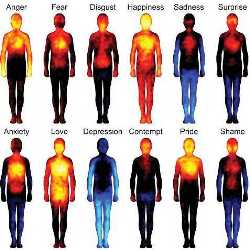
The researchers combined participants' responses to create universal heatmaps of a wide range of emotions.
Most of the main emotions were caused by activity in the upper chest, which may be due to changes in breathing and heart rate.
Feelings in the upper limbs are inextricably linked to emotions of intimacy, such as anger and love, and less activity or heaviness in the limbs are associated with emotions of sadness and anxiety.
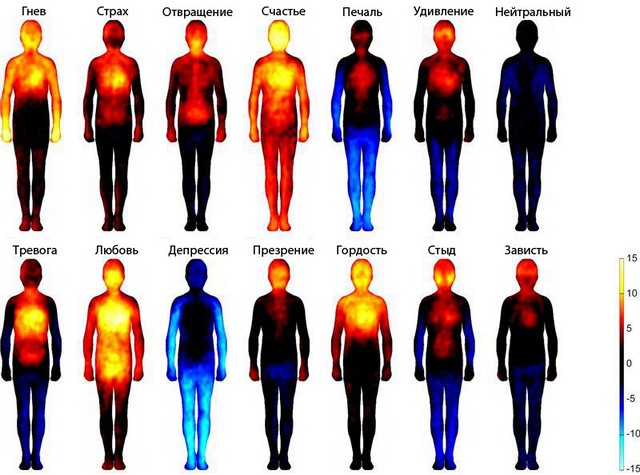
Heat maps of human emotions. Warm colors show areas where people felt excited during an emotion, while cool colors show inactive areas.
Read also: The most interesting scientific facts about our emotions
Changes in the face are associated with many emotions, and sensations in the throat and abdomen appeared only when people felt disgusted.
Compared to other emotions, happiness caused sensations throughout the body.
Human emotions
People react in certain ways to situations, events, past experiences and inner feelings.
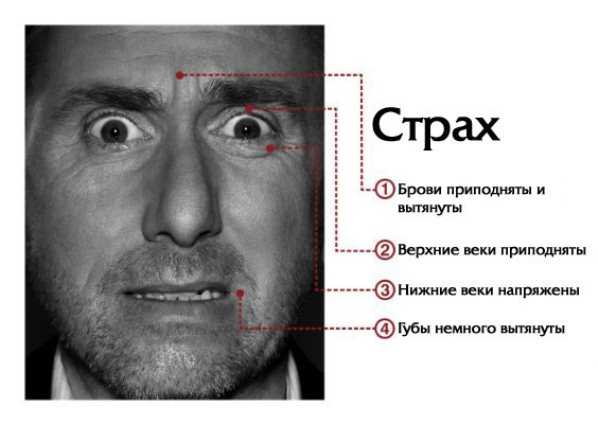
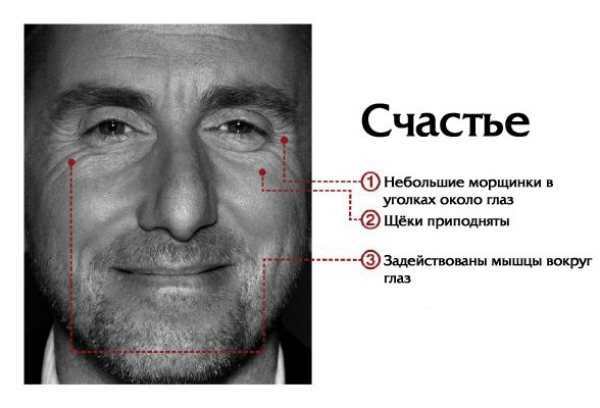
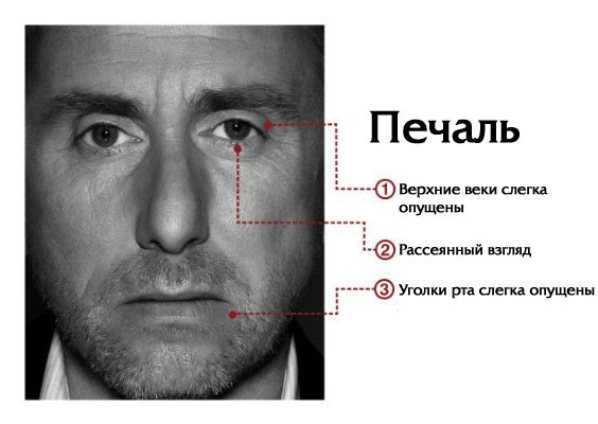
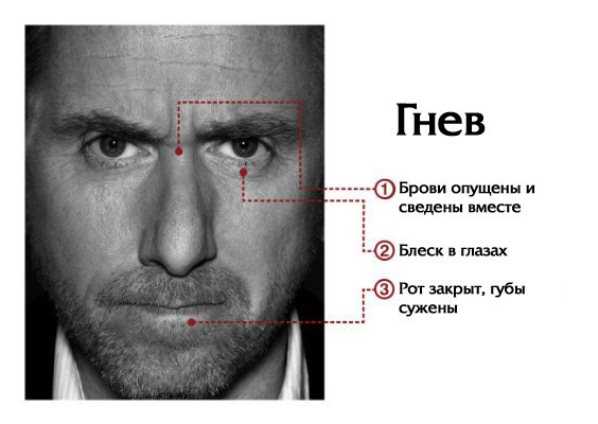
In 1972, anthropologist Paul Ekman identified six main emotions that a person feels.
These emotions are universal and correspond to a specific facial expression. These emotions can be learned all over the world, regardless of age, religion, gender, or language you speak. They will include:
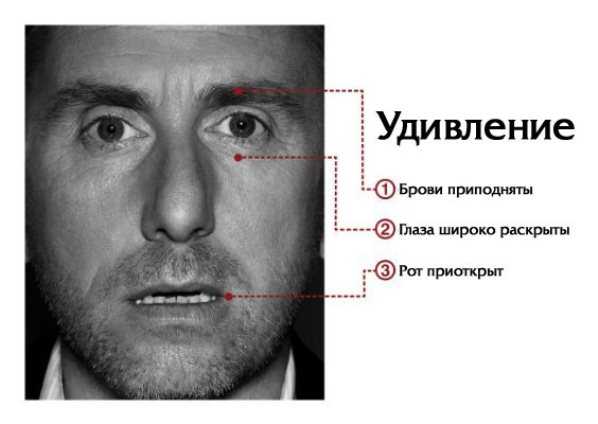
· Surprise
· Fear
· Happiness
· Sadness
· Anger
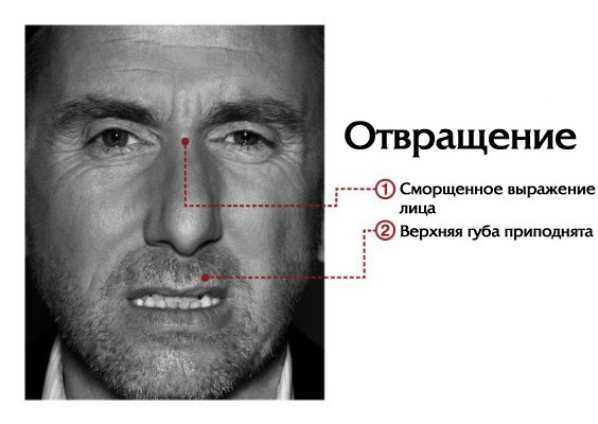
· Disgust