
 Events
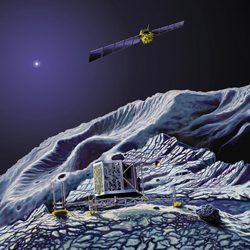
On November 12, 2014, a truly historic event happened: for the first time, an unmanned spacecraft (Rosetta) managed to orbit a comet, and then successfully release it to the surface of this comet (67P or Churyumova-Gerasimenko) probe (Filey).
Just as Gagarin went into space and Armstrong set foot on the surface of the Moon, the Philae probe made a big leap in human space exploration.
The main steps taken by this great mission are described below.
Rosetta vibration testing
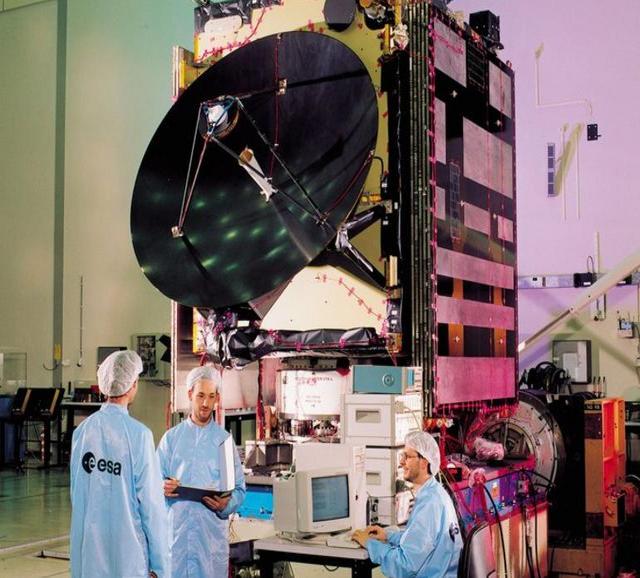
As a result, the space flight took more than 10 years. Preparations for the flight started in 2002. The photo shows several months of vibration testing, preparing Rosetta for launch.
Initially, the plans were for an eight-year flight to comet 46P/Wirtanen. But the launch was postponed, and it was decided to send the mission to the 67P/Churyumov-Gerasimenko target.
Rosetta Sun Wings
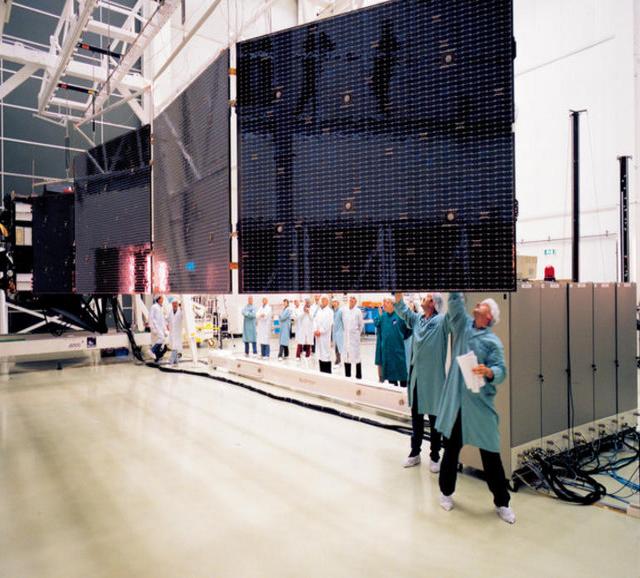
It is not easy to drift through outer space, because the distance is colossal. This device is also assisted by solar panels. This photo of Rosetta's collapsible solar wings, taken in June 2002, actually shows how big this device is.
Pre-launch of the lander
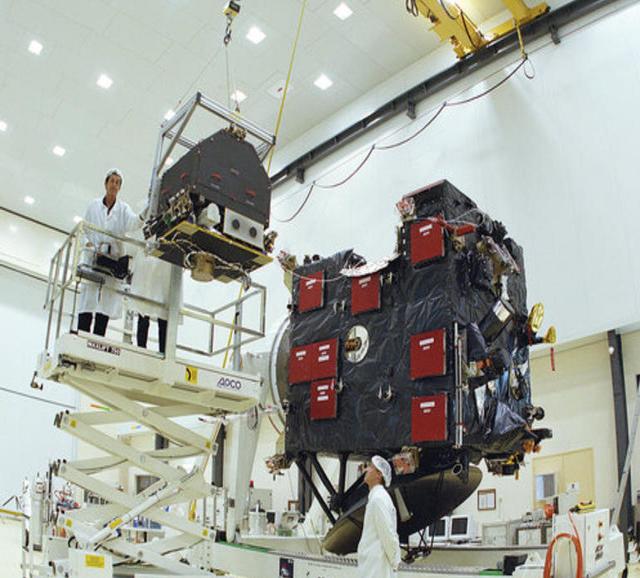
Another 2002 photo shows the size of Philae's lander. The smaller module is suspended from the ceiling. Rosetta is on the right.
Flight direction
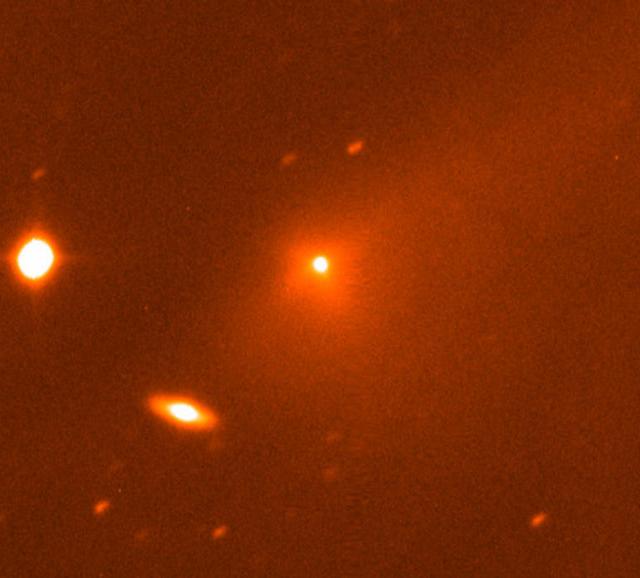
This image from the European Southern Observatory, taken in January 2004, shows comet 67P from Earth.
Read also: A space probe landed on a comet
Of course, thanks to Rosetta, we already have a much better idea of what a comet actually looks like.
Let's take off!
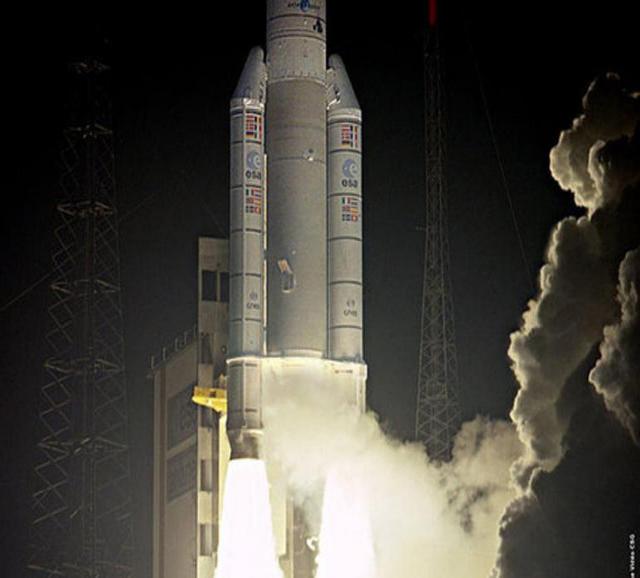
After a 13-month delay, Rosetta finally launched in March 2004 from the Kourou Cosmodrome in French Guiana. At the time of its launch, Facebook launched just a month ago, the free video site YouTube did not yet exist, and the iPhone smartphone will go on sale in three years.
Mars below
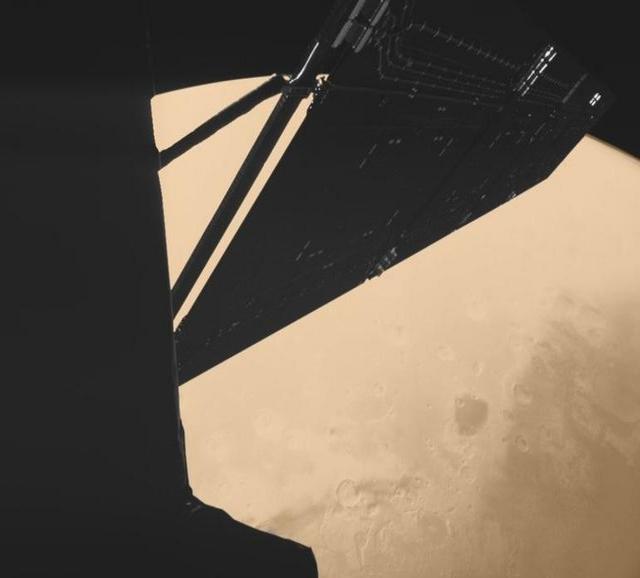
The photo was taken by Philae's lander attached to Rosetta. The spacecraft flew near Mars.
An encounter with an asteroid
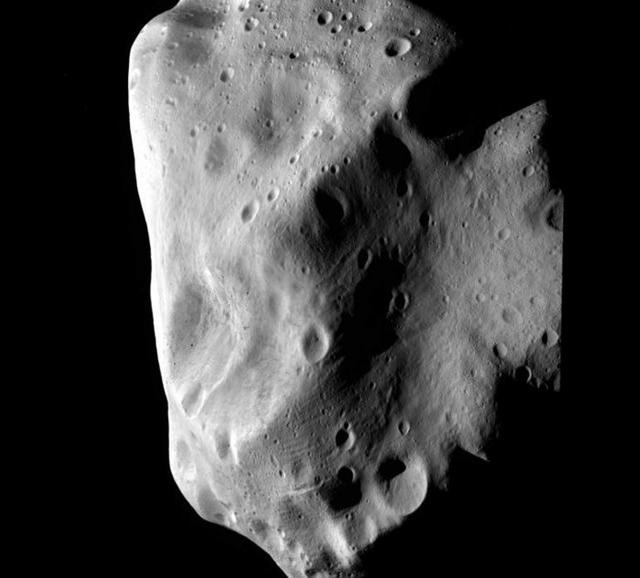
On his way to his destination, Rosetta recorded local attractions. This is a close-up view of an asteroid called Lutetia that was photographed by a spacecraft in 2011.
It's time to rejoice
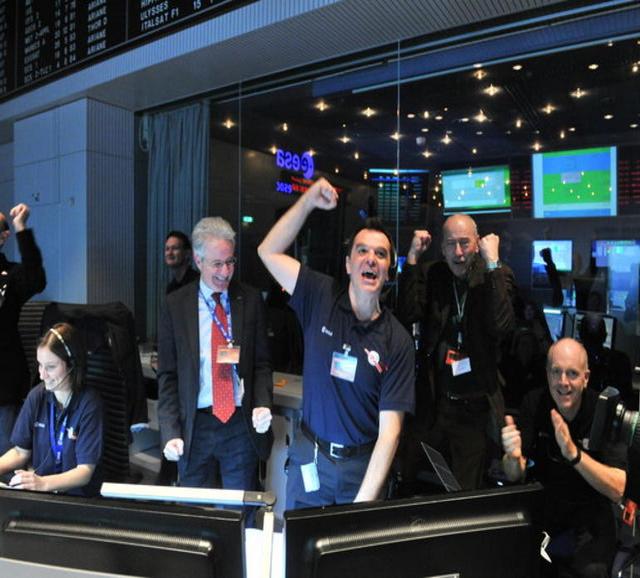
Rosetta “hibernated” at the end of his deep space journey to save energy. It was on standby for 6 months in 2011 and fully in 2012 and 2013. Finally, on January 20, 2014, mission leaders rejoiced when they received the first signal from a spacecraft half a billion kilometers from Earth.
First sight
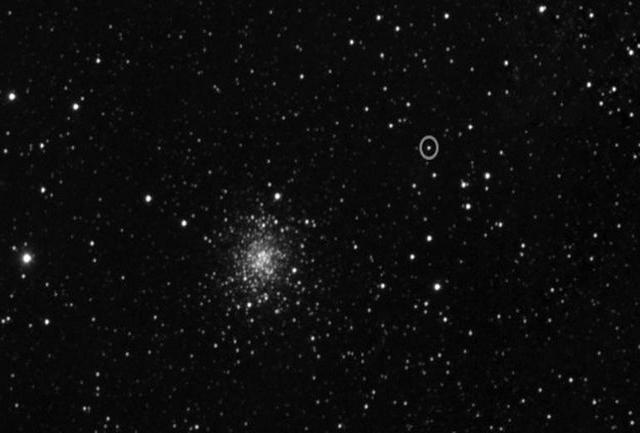
Rosetta's equipment made its first target at the right comet after waking up in March this year. Comet 67P can be seen from a distance and is circled in the photo.
Almost there
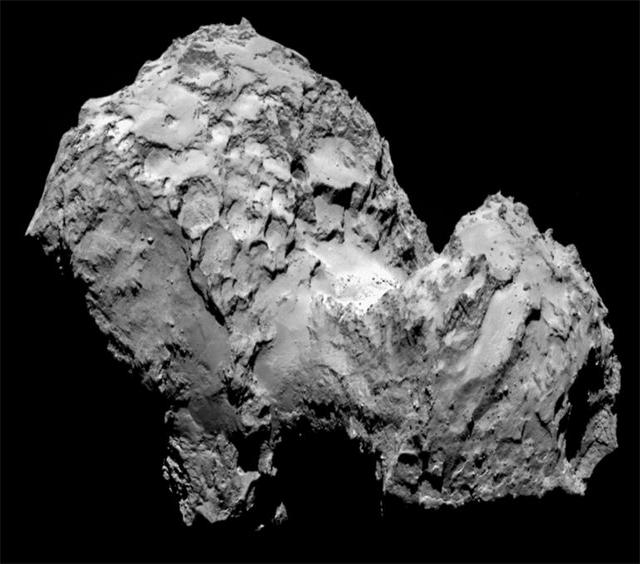
When Rosetta finally arrived at his destination in August, he began exploring the area for the optimal landing of the Philae probe. As it turns out, the comet has an irregular shape.
Comet 67P compared to Paris
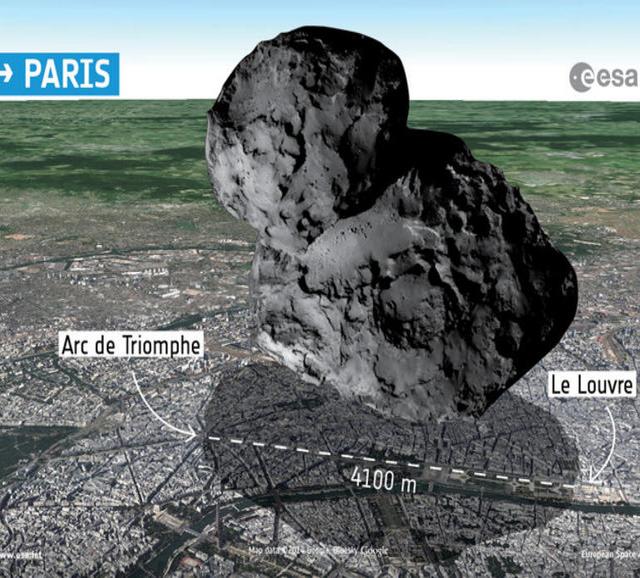
This drawing shows the scale of comet 67P/Churyumov-Gerasimenko compared to the city of Paris.
Choosing an orbit for Rosetta
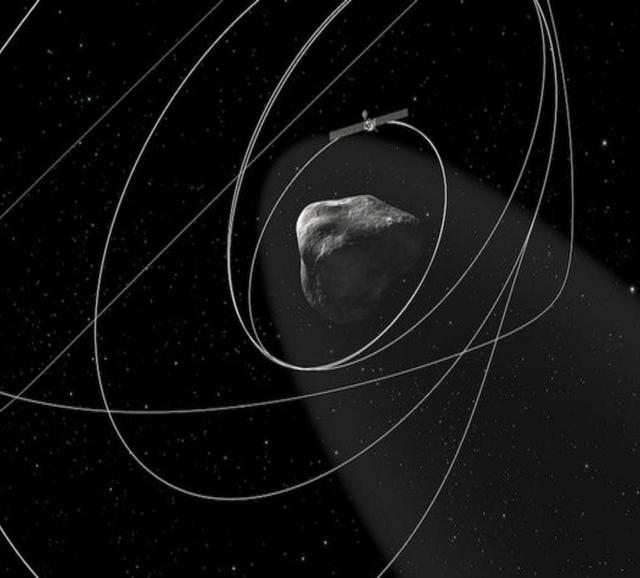
Over the past few months, Rosetta has been constantly circling and photographing the comet, and choosing the optimal orbit.
Read also: Which comets came close to Earth
Pick-up location chosen
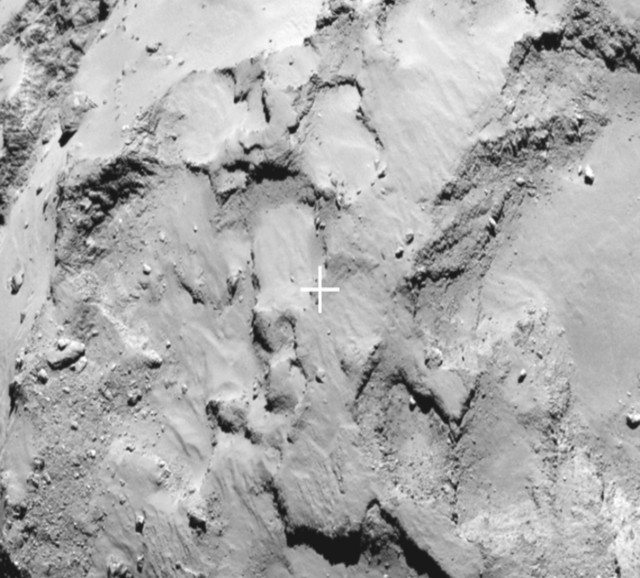
After considering several candidate sites, this plateau was chosen as Philae's landing site.
Philae's new home
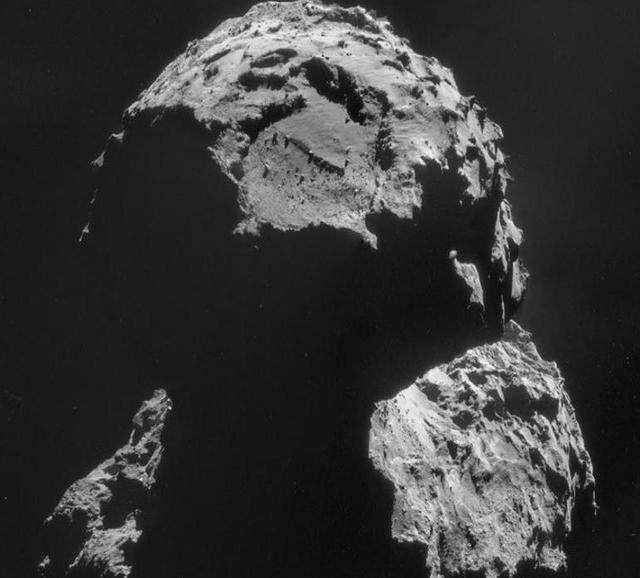
The recently photographed Agilkia landing site in all its glory. If all goes according to plan, humanity will learn a lot of new things thanks to this probe.
We will be closely following reports from deep space.