
 Ecology
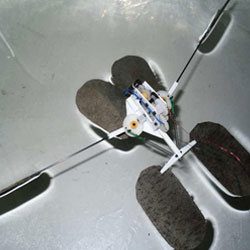
Researchers at Heroit Watt University in Scotland are developing underwater microrobots that can go to the seabed to save coral reefs. So-called “coralboats” will be programmed to “repair” corals damaged by fishing nets or storms, allowing them to recover faster.
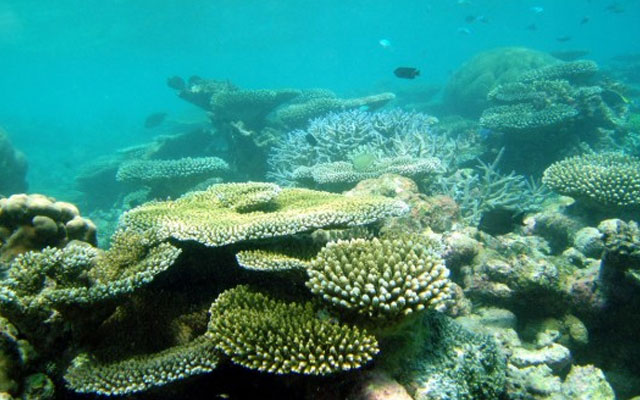
The deep-water areas west of Scotland are characterized by the growth of large coral formations similar to those found in tropical waters. Scottish reefs are home to thousands of other living creatures, including smaller and larger fish. However, Scottish corals are seriously endangered by fishing. The nets damage large areas of coral reefs. Fortunately, this species can survive and recover, but it takes many years and even centuries.
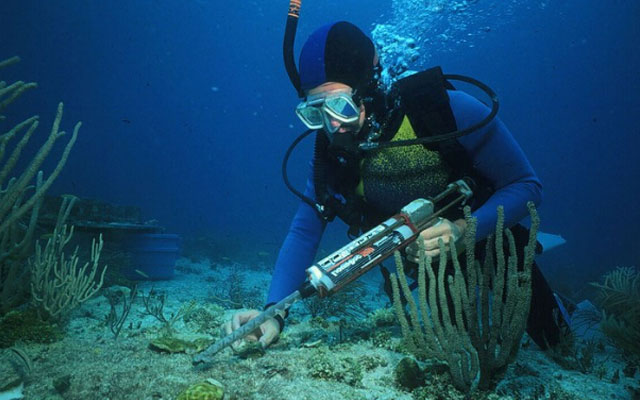
Scuba divers used to dive deep and explore areas of damaged coral reefs; they glued broken parts, so corals were easier to recover. However, this work takes a long time, and scuba divers can't stay under water for long. Robots, in turn, do not depend on air supplies, and they can also go much deeper than humans, where corals can also grow.
The robots will be programmed to complete simple tasks, they will pick up the broken parts of the reef and stick them on. They will be computer-controlled from shore and programmed to recognize coral fragments, distinguishing them from rocks, sponges or other marine life.
To work more efficiently, smaller robots will work in groups: each robot will be programmed to do the simplest job, but overall, the group will perform more complex tasks. This will not only allow you to do the job faster, but it will also eliminate the need to create more cumbersome and complex robots for this job, which will save energy and development time.
A group of robots can be sent to areas where a severe storm has just passed, or where a fishing trawl has just passed. Robots will be able to quickly repair broken coral fragments by gluing them in place, so coral reefs will be able to recover quickly within days or weeks.