
 Science
Your nose isn't the only part of your body that can recognize different smells. Such sensors are located in our heart, lungs and even blood, scientists say.
Researchers from the Technical University of Munich and the German Research Center for Food Chemistry conducted a number of experiments and came to the conclusion that cells of various organs also have the ability smell.
When chemical compounds from food and other substances enter the nose, they bind to olfactory receptors to tell our brains about the smell.
Previously, it was believed that such receptors were found only on the mucous tissues of the nose, but the study showed that other organs also have them.
When scientists placed blood cells in a container with an aromatic chemical compound, the cells moved to the source of the smell.
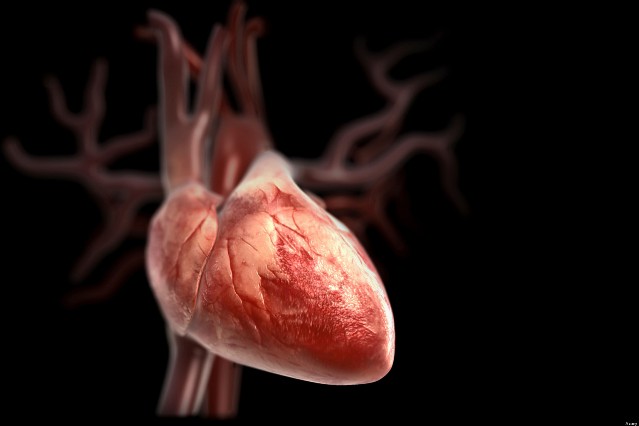
It is known that sperm cells also contain odor receptors, which help them find an egg. Now we have found out that such receptors are found in the heart, lungs and blood.
Sense of smell
Here are some interesting facts you might not have known about human smells and smells.

– The taste we smell comes from the smell. Without it, we can't tell the difference between apple and potato or red wine from coffee.
– A man's attractiveness for a woman depends more on how much she likes his smell than on other physical characteristics.
– Smells change and influence our mood and behavior.
– We don't smell when we sleep. We don't wake up to the smell of coffee, but rather wake up and smell it.
– The olfactory cells are renewed every 28 days, that is, every month we have a kind of new nose.
– Almost all smells give some kind of sensation, such as the cooling sensation of menthol.
– Of all senses, the sense of smell is related to emotions
– Smoking impairs the sense of smell, and some drugs, such as amphetamines, increase it.
– Everyone can improve their sense of smell with a little practice and attention.