 Ecology
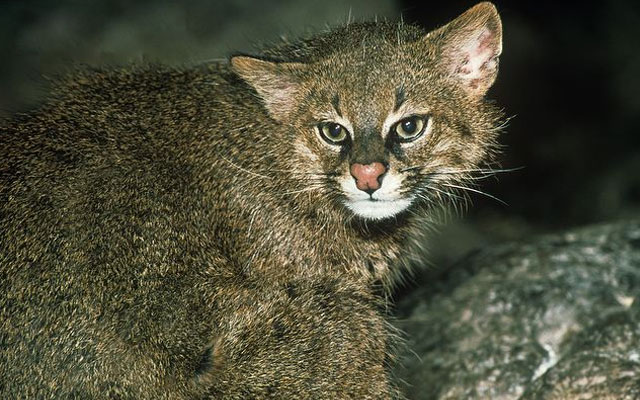
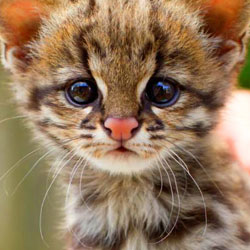
Not so long ago, a small spotted cat was discovered in Brazil. This cat looks exactly identical to the oncilli that live in South America, but it turns out that the discovered mammal belongs to a completely different species.
Scientists compared the genes of wild cats living in northeastern Brazil with their closest populations in the south. It turned out that these creatures do not exchange genes.
Read also: 10 amazing felines
This discovery confirms the fact that we still know far too little about our planet's wildlife.
The animals that surprised scientists are no larger than an ordinary domestic cat. Their population did not mix with populations of southern oncilli for about a thousand years, that is, during this period there was no exchange of genes between them. It turns out that northern and southern oncilli are actually 2 different species.
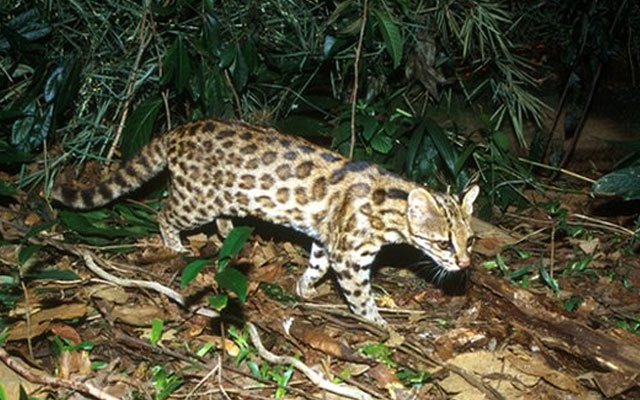
Scientists do not know everything about cats, for example, they do not know exactly the full geographical distribution of some species, their diet, and so on. Moreover, it turns out that some known species are divided into separate ones, as in this case.
Read also: 5 amazing anatomical features of cats
The new species was named Leopardus guttulus, and the animal populations in the northeast were named Leopardus tigrina.
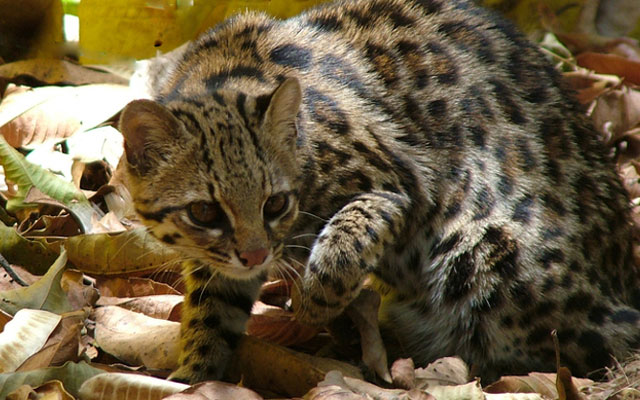
New research has also revealed complex relationships between oncilli and two other species of neotropical cats. The northeastern species interbred with another species, the Pampas cat, which is why it became genetically different from southern oncilli, despite the fact that they look the same.
Scientists suggest that two different types of oncilli may have different habitats: northeastern cats mainly live in the savanna, in arid areas covered with bushes and forests, and southern cats cats live in the wetter and thicker forests of the Atlantic coast.
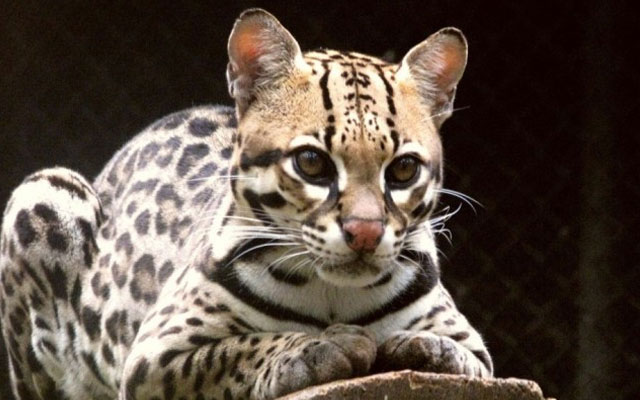
Oncilla is a rare cat
– Oncilla (lat. Leopardus tigrina) is a small spotted cat, a relative of the ocelot, living in the mountainous areas and rainforests of Central and South America.
– These cats are active at night and at dusk.
– Oncilli can be about 60 centimeters long with a thin tail and weigh between 1.5 and 3 kilograms. These are the smallest members of the cat family that live in the wild in South America.
– Their fur is dense and soft and can vary in color from light to dark brown. There are dark spots all over the back and sides. This color helps these cats blend in with the environment in the forest.
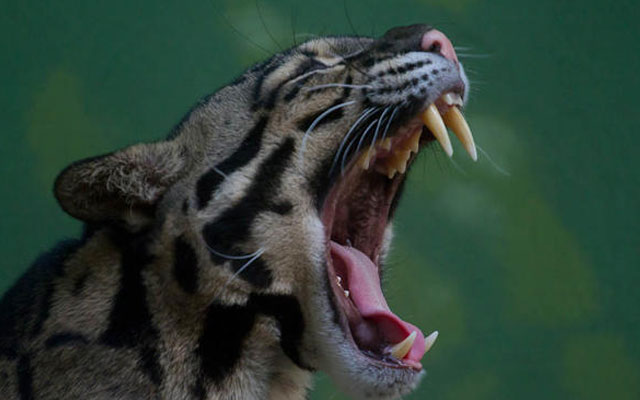
– Like domestic cats, oncilli feed on birds and small mammals.
– They mostly live and hunt on the ground, but they are good at climbing trees.
– The International Union for Conservation of Nature has listed oncillus in the Red Book as a vulnerable species. The main threat is poaching and deforestation. They are mercilessly slaughtered for their beautiful fur, which is highly valued by fashion lovers.
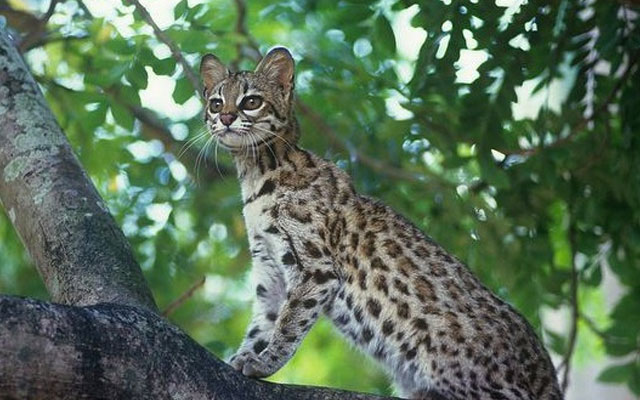
The most unusual and rare feline animals
The cat family has a huge number of different species, some of which you probably haven't even heard of. Nine species of the family live in Russia, including lynx, forest cat, reed cat house, manul, Far Eastern forest cat, caracal, Ussuri (Amur) tiger, snow leopard and cheetah.
Some species are so rare that they are seriously endangered. Here are some of them:
Cat family (photo)
Kalimantan cat (lat. Catopuma badia) lives on the island of Borneo (Malay Archipelago, Southeast Asia). For the first time, these cats were photographed in the wild only in 2002.
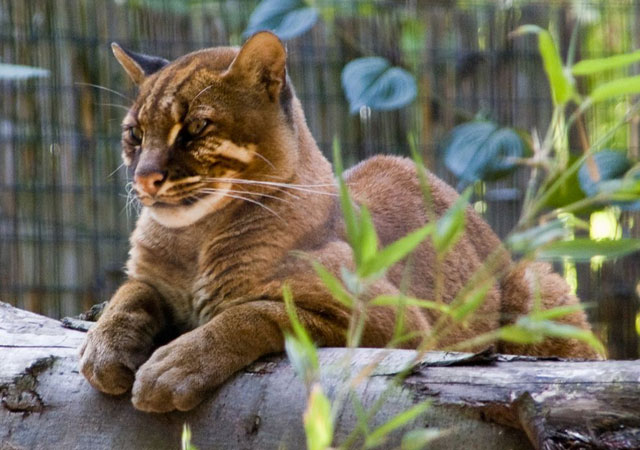
Fishing cat (lat. Prionailurus viverrinus) is another Southeast Asian who, as the name suggests, can fish. This fairly large cat reaches a maximum weight of about 15 kilograms.
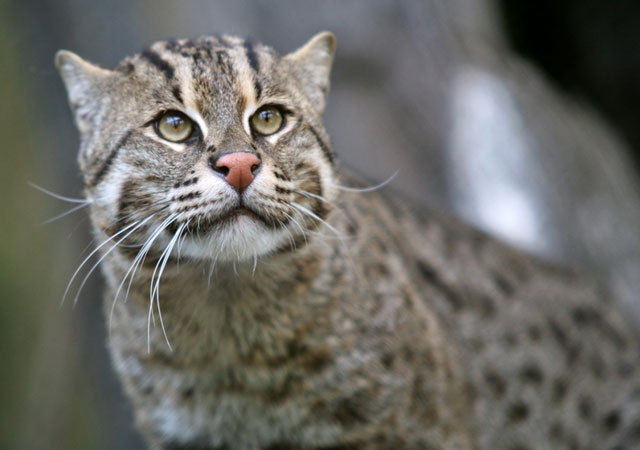
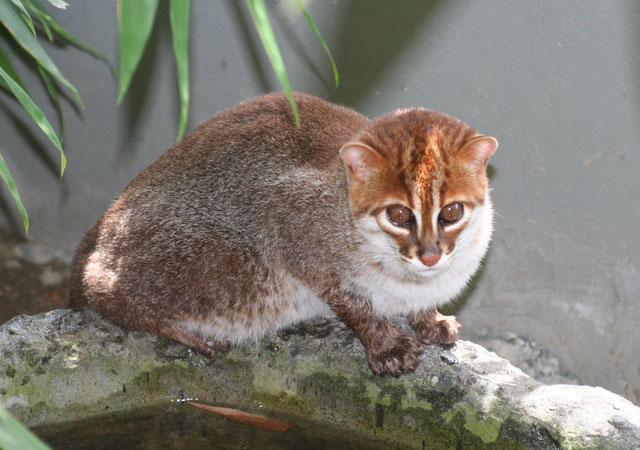
Sumatran cat (lat. Prionailurus planiceps) is an endangered cat from Thailand. He prefers aquatic animals, fish, frogs.
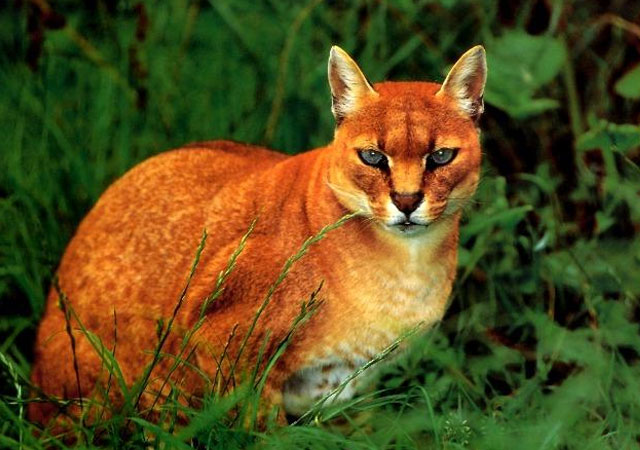
Golden cat (lat. Profelis aurata). This cat is native to the tropics of Africa. It got its name due to its golden and reddish color. These cats prey on small mammals and can even eat a small monkey.
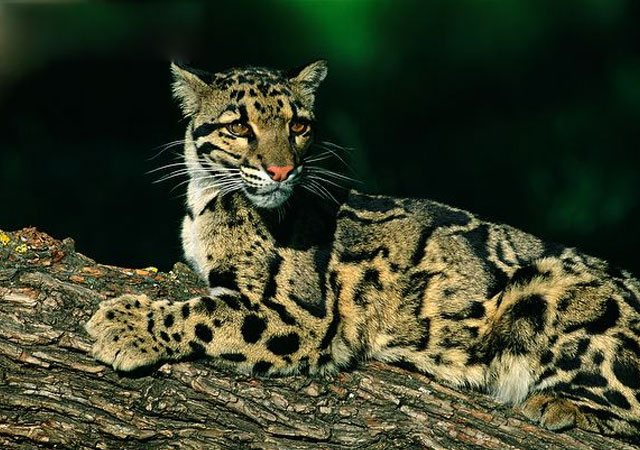
Kalimantan smoky leopard (lat. Neofelis diardi) is a big cat from Borneo that weighs about 25 kilograms. He leads a solitary lifestyle and, like most cats, prefers the night time.
Velvet cat (lat. Felis margarita). This species lives in deserts – in the Sahara, the Arabian Peninsula and Central Asia. These areas tend to be very hot and dry, so they prefer to be active only at night. During the day, they flee from the heat in shelters underground. They eat various small animals and even poisonous snakes.
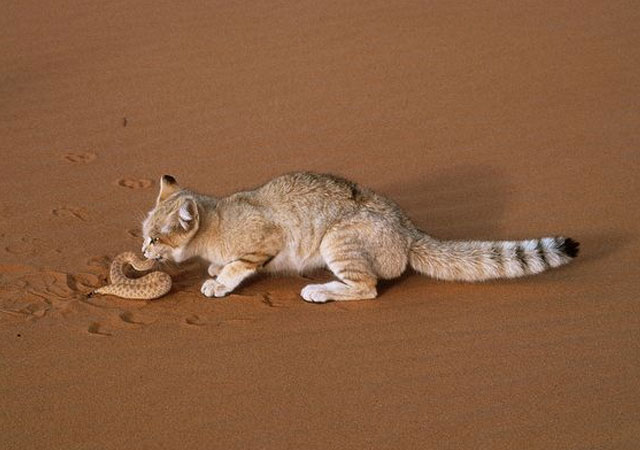
Andean cat (lat. Leopardus jacobitus) is native to South America. It has been studied very little by scientists due to the fact that it lives in very remote mountain areas.
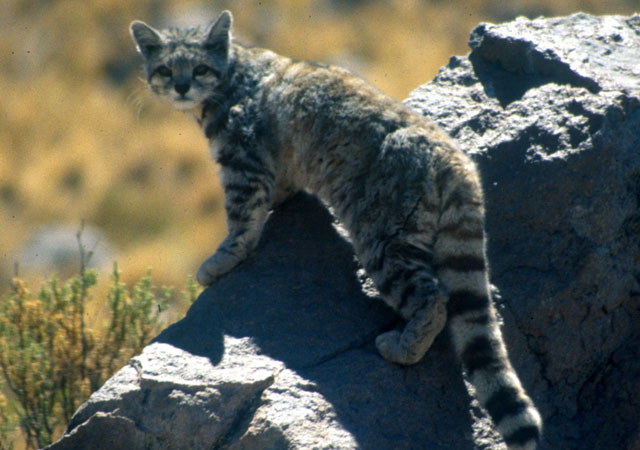
Marble cat (lat. Pardofelis marmorata) also lives in the tropical forests of Southeast Asia. These cats prefer to live in trees, so they don't compete with those who are used to living on land.
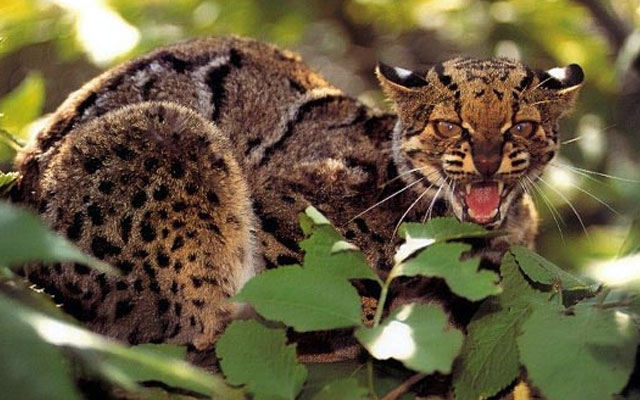
Chilean cat (lat. Leopardus guigna) is found in the tropical forests of South America in the highlands at an altitude of 1900 to 2500 meters above sea level.
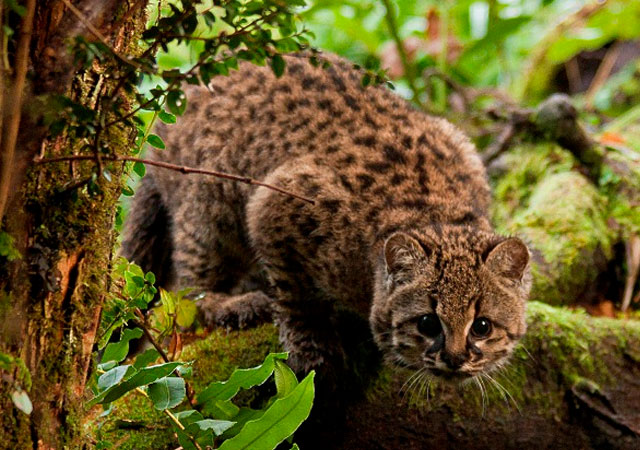
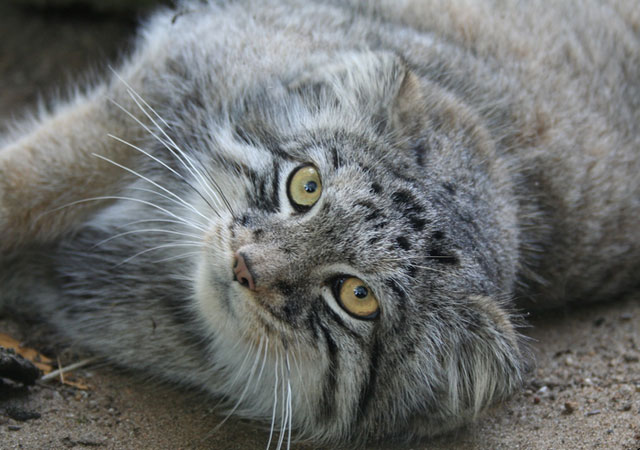
Manul (lat. Felis manul) is a cat native to Central and Central Asia. In Russia, these animals can be found in Chita Oblast, Buryatia, and Altai. He leads a sedentary lifestyle. The diet mainly includes rodents.
Pampas cat (lat. Leopardus colocolo) prefers the grassy plains of South America.