
 Unbelievable facts
You may have never thought about how your tongue is located in your mouth before you read this sentence.
However, studies show that the location of the tongue in the mouth has a significant effect on the shape of the face.
Just as bad posture ruins your appearance and affects your health, the wrong position of the tongue pulls your facial bones down.
If you care about your face's attractiveness, you should consider how you position your language.
Did you know that the position of your tongue affects your nose, eyes, head, neck, and shoulders? About 50% of people have an incorrect language position, and an increasing number of dentists and orthodontists are beginning to point out this problem.
Let's see what negative consequences the wrong language layout can have, and how to position it correctly.
The correct position of the tongue in the mouth at rest
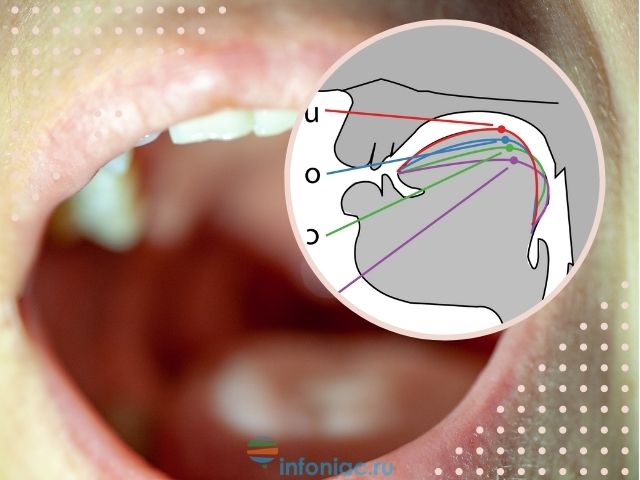
Observe how your tongue is located in your mouth. If it lies on the lower jaw, resting on the lower row of teeth, then your tongue is in the wrong position.
The correct physiological position for the tongue is one where the tongue is adjacent to the upper palate, approximately 1.2 cm behind the front teeth. At rest, the tongue should touch the sky; it should not lie below.
At the same time, the entire tongue (including the base) should be pressed against the sky, not just the tip, the lips are closed, and the teeth are a short distance from each other. You should not put pressure on your lower or upper front teeth. Even the slightest pressure can cause them to shift over time. It is important to keep the entire tongue pressed against the sky – over time, this can prevent crowding and open the sinuses.
Signs of an incorrect position of the tongue in the mouth
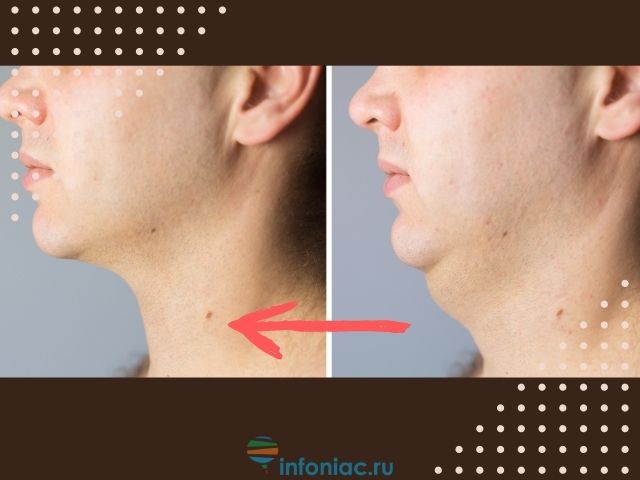
The tongue is a very powerful muscle that affects many parts of our body. Here are a few signs that you may have an incorrect language position.
Incorrect swallowing — when swallowing, the tongue should move up and back like a wave, propelling food to the back of the throat rather than back and forth (this is called tongue pressure). A protruding tongue has a negative effect on the shape of the teeth and jaw.
Snoring and sleep apnea — the palate is related to the sinuses. Due to the incorrect position of the tongue, the sinuses may narrow, creating difficulty breathing.
Open bite when the front teeth do not close properly at rest. This is caused by constant pressure from the tongue on the back of the front teeth.
Malocclusion
Teeth crowding
The gap between the teeth
Teeth gnashing
Chin pushed back
Long, flat face shape
Head tilt forward — when the head is pushed forward and the chin is raised, often resulting in neck pain.
Neck and shoulder tension and pain
Headaches
The benefits of the correct position of the tongue in the mouth

What are the benefits of correctly positioning the language? First, the absence of all unpleasant symptoms associated with the wrong position of the tongue.
There are plenty of reasons why so many of us don't speak our language correctly. This may be nasal congestion or inflammation that causes you to breathe through your mouth and it remains open all the time.
More attractive face
The correct position of the tongue makes the face more attractive. When the tongue rests against the upper palate, it lifts the cheekbones and makes the jaw line more defined because the muscles in the mouth are where they should be.
Teeth straightening
The wrong position of the tongue can interfere with growing teeth, adversely affecting their growth and blocking the space in which they grow. People who hold their tongue properly are less likely to have crowding and curvature of their teeth.
Feeling better
The correct position of the tongue improves nasal breathing, which in turn increases oxygen levels, improves memory and sleep.
In addition, it promotes a healthy bite, relieves jaw discomfort, and reduces neck pain or headaches.
Breathing improves
An incorrect position of the tongue can lead to a narrowing of the palate over time. Research shows that simply widening the palate can have a positive effect on the upper respiratory tract, especially in children and young adults.
Exercise to correct the position of the tongue
If you want to improve the position of the tongue, it's enough to do simple exercises that you can do at home.
During the day, try to pay more attention to how your tongue is positioned and work out the correct language position.
Here's a simple exercise for learning proper language posture:
Press the tip of your tongue against the hard upper palate behind your upper front teeth.
With a suction motion, press the entire surface of the tongue against the sky.
Squeeze your lips and spread your teeth slightly.
Hold this position, trying to breathe normally (if possible).
Repeat this exercise several times throughout the day and you'll have a better understanding of your tongue's position.
We hardly notice a part of the body until it is pointed out to us. Hopefully, after reading this article, you'll pay attention to your language and appreciate the positive effects of proper language positioning.