
 Unbelievable facts
Our brain is busy every second solving pressing problems related to everyday routine concerns. That is why we rarely pay special attention to our dreams, which, moreover, are quickly forgotten.
And even more so, we are trying to quickly get nightmares and other unpleasant dreams out of our heads. However, some dreams are not so easy to forget — they can be repeated, especially if we have been busy solving a difficult issue for a long time.
The nature of dreams has not yet been fully revealed, but thanks to dreams, we sometimes manage to slightly reveal the mystery of the human brain. One of these mysteries is dreams that inspired people to brilliant ideas and inventions.
We bring to your attention ten of the most famous ideas and inventions, which were largely facilitated by dreams. They have become so familiar to us that it's hard to believe what their creators came up with in their dreams.
Great discoveries made in dreams
Automatic sewing machine

Elias Howe (an American engineer and mechanic who lived in the 19th century) came up with the idea to create the first automatic sewing machine in his dream. In reality, he tried to come up with a sewing machine that would use the so-called closed lockstitch.
These attempts did not lead him to success for a long time. Howe was literally absorbed in solving this problem, thinking about it day and night. The next night, he went to bed overloaded with his thoughts and had a nightmare.
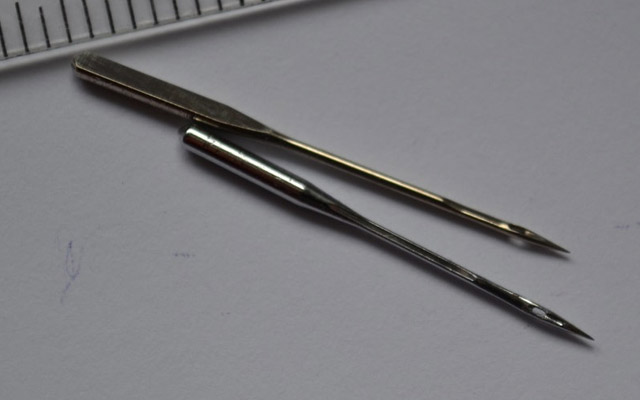
In this dream, Elias was attacked by men with sharp peaks in their hands. When the peaks flew into it, he noticed that their sharp ends were equipped with specific holes that were shaped like an eye.
Howe woke up to the realization of his mistake. The fact is that he tried to place a similar hole in the middle of the automatic needle. However, the inventor took into account his dream and changed the design decision by placing a hole at the sharp end of the needle.

On September 10, 1846, Elias Howe received a patent for the invention of a lockstitch sewing machine. At that time, two years had passed since the memorable dream. Howe's invention made it possible to carry out sewing work of much better quality, and at a lower cost.
This for the first time spurred the in-line garment industry, which made it possible for ordinary working people to buy new clothes instead of wearing second-hand items. In fact, this was the first step towards the emergence of department stores that really changed our lives.
Benzene ring as a component of gasoline
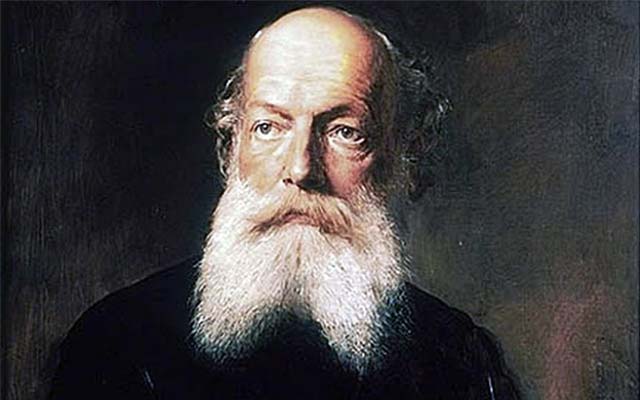
Friedrich August Kekulé, a German chemist, is famous for discovering the so-called benzene ring. This is a chemical structure that is part of many important compounds for the petrochemical industry, including gasoline.
The discovery was preceded by Friedrich's work on a chemistry textbook. However, the work did not go well — the scientist was in a kind of frustration. And that's when he had a dream in which he saw a chain of atoms moving like a snake.

At some point, one of the atoms “grabbed” the tail of this “snake”, turning the entire structure into a ring. When Kekule woke up, he immediately put on paper his theory of the benzene ring, later proposing structural benzene.
Benzene, as an organic compound whose structure is based on a benzene ring, was first used as an industrial solvent and degreasing agent, followed by use as one of the detonation inhibitors for fuel.
Before the 1920s, gasoline was very often ignited prematurely. The addition of benzene to fuel has made driving safer, which has significantly contributed to the spread of cars
around the world.

It is now impossible to imagine the development of agriculture and many other industries without automotive infrastructure. Moreover, entire cities are unfolding around it. Some of them don't even have walkways, which by default means only vehicles to get from A to B.
Benzene is still one of the components of gasoline, although, thanks to numerous initiatives by Environmental Protection Agencies in various countries, its concentration in fuel has been limited ( benzene is known to cause leukemia).
Stories of inventions and discoveries seen in dreams
Periodic table of chemical elements

Probably every student knows the story of this discovery. However, it is so important for all mankind that it is impossible not to mention it again. The periodic table was compiled by Russian chemist Dmitry Mendeleev, and the scientist saw the idea in his dream.
He has long been working on the classification of chemical elements known at that time, trying to structure them. Mendeleev spent several days without sleep, but felt that work had stalled.
As a result, Dmitry Ivanovich gave up and finally allowed himself to sleep. And as soon as he dozed off, the answer suddenly became obvious to the brilliant scientist. Subsequently, Mendeleev himself wrote that he saw his table in a dream. He claimed that all the elements in it were put into place as they should be.
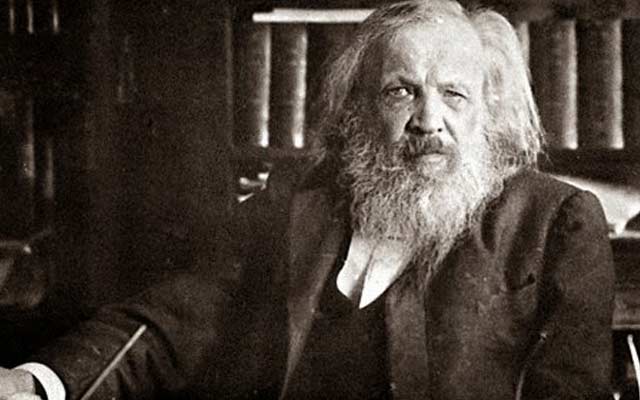
The scientist immediately woke up and sketched out on paper the entire structure he had seen in his dream. Mendeleev claimed that he later made only one correction to this version of the table. This amazing discovery made in a dream has been included in many psychology textbooks. They still refer to it now.
The importance of the Periodic Table of Chemical Elements itself cannot be overestimated. It was designed in such a way that it allowed scientists, when discovering new elements in the future, to compare the characteristics of substances, easily classifying them.
Jack Kerouac's The Dream Book
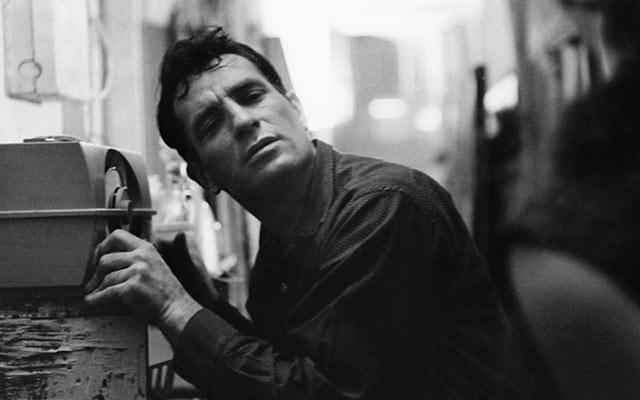
American writer Jack Kerouac has had a significant impact on the cultural consciousness of many of his contemporaries with his work, becoming a cult figure for them, thanks to his works the middle of the last century.
He has about 20 works that include not only prose but also poetry. Some still consider Kerouac to be an idol for generations; others deny his writing talent altogether, considering him a worthless writer.
However, few people are willing to deny Jack Kerouac's significance to literature as a whole (whether it's a positive or negative contribution). Kerouac wrote one of his novels, which he called The Book of Dreams, based entirely on his dreams.
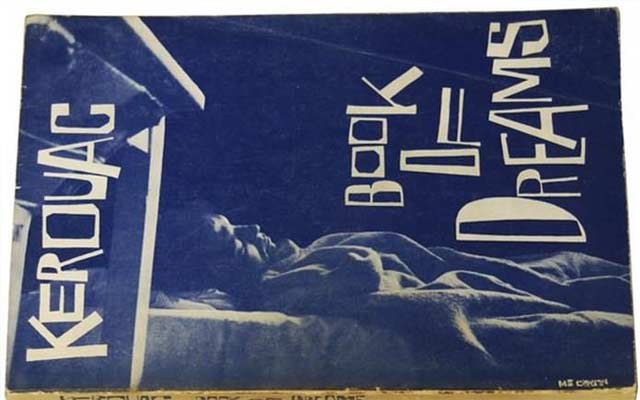
Falling half asleep, the writer began to write down his thoughts and illusions, sometimes hardly realizing what he was doing. Kerouac began writing a kind of nighttime dream magazine, where he added nocturnal images from 1952 to 1960.
He used the characters that appeared to him in his dreams for many of his other short stories, including the novels most famous to Soviet readers: “On the Road” and “The Tramps of Drachma”. The author's experimental work The Book of Dreams, written entirely from dreams, has become a cult for generations of Americans (and not only them).
The interpretation of Sigmund Freud's dreams
Sigmund Freud's psychoanalysis
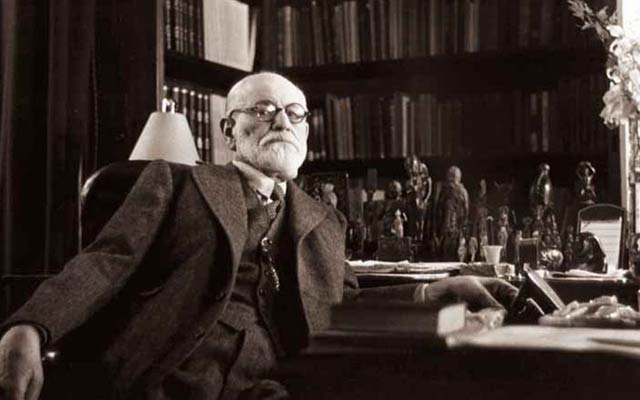
Sigmund Freud, an Austrian psychologist, founded a whole system of psychoanalysis based on his own dreams and ideas. He has found that he can access his deepest, often subconscious thoughts, paying attention to dreams and images that come to mind when relaxed.
He just lay down and relaxed, allowing any thoughts or mental images to enter his mind. Then Freud carefully wrote everything down in order to later reveal his true motives and aspirations in life.
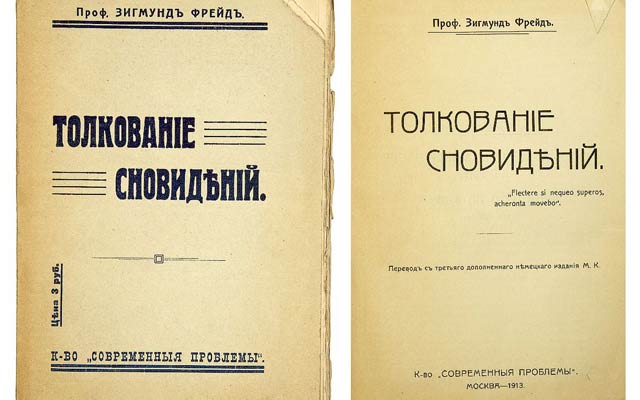
The first edition of his significant monographic work, entitled The Interpretation of Dreams, was published by him in 1900. This work, which initially did not attract widespread attention from readers, later brought him international recognition and fame.
See also: Scientists have learned to reproduce human dreams (video)
Freud even argued that studying one's own dreams can make a person a psychoanalyst. In fact, this was the first time in science that a scientific approach was applied to the very concept of dreams.
Lorenzo oil
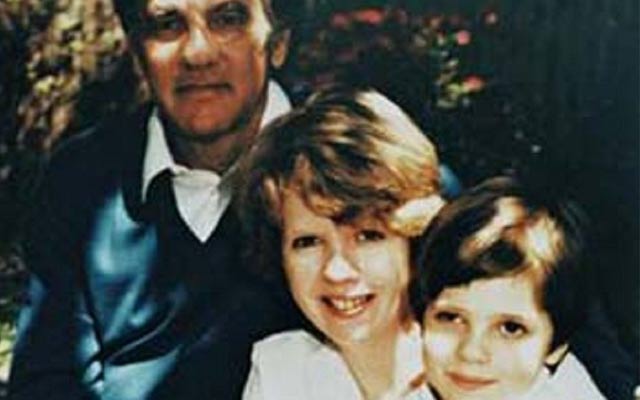
When a six-year-old Italian man named Lorenzo Odon was diagnosed with adrenoleukodystrophy in 1984, doctors told his grieving parents that their son was unlikely to survive. until my decade.
This extremely rare and very serious hereditary disease is caused by a genetic mutation that occurs as a result of impaired metabolism of fatty acids in the blood, leading to accumulation of these fatty acids.
As a result, this disease leads to the destruction of nerve fibers, which is reflected in cognitive decline, blindness, deafness, loss of speech and, ultimately, complete paralysis of the patient. Adrenoleukodystrophy is an incurable disease.
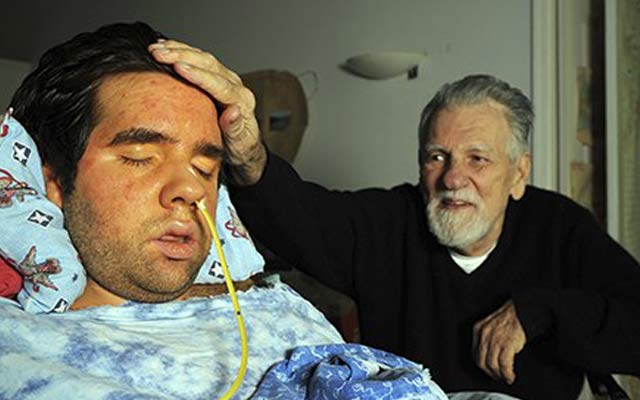
However, Lorenzo's parents refused to humbly accept the doctors' impotence and began to study mountains of medical literature in search of a solution. However, from the outside it seemed like they were knocking on a blank wall…
One evening, Augusto Odone, Lorenzo's father, tried to understand the so-called good and bad fats, as well as how exactly some enzymes affect the chain of “bad” fats and others enzymes — on a chain of “good” ones.
At the same time, he used two chains made of ordinary stationery clips. Augusto did not understand why when some people increase their level, the level of others decreases. As a result, the man fell into a restless sleep.

He dreamed of his son, Lorenzo, pulling both chains at the same time. And then the boy's father suddenly realized that both types of fats are controlled by the same enzyme. In a dream, Augusto had an insight that allowed him to develop a treatment method for which he used extracts from olive and rapeseed oil.
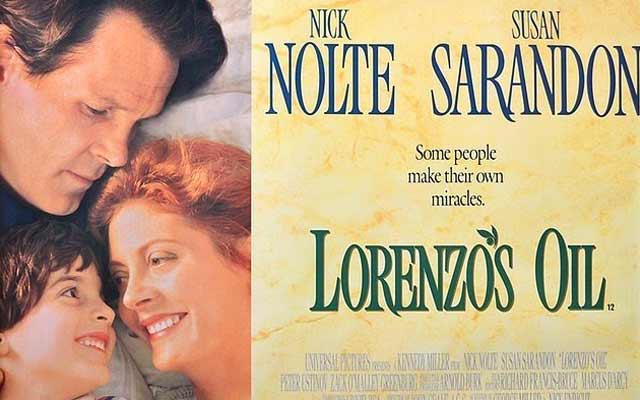
This exciting moment, like the whole story from beginning to end, is clearly shown in the American film drama Lorenzo's Oil, based on real events. There is also in the film how Odone Sr. experimentally fed Aunt Lorenzo a salad seasoned with newly invented oil.
Ultimately, the treatment developed by Augusto and his wife was found to be effective in preventing the development of adrenoleukodystrophy in children who had not yet developed symptoms of it diseases.
The use of Lorenzo oil to treat children who have already developed symptoms of this disease has yielded conflicting results. Many of these children did pass away. However, his effectiveness for Lorenzo exceeded all expectations: he passed away at the age of 30, which is unheard of for adrenoleukodystrophy.
James Cameron's movie ideas he dreamed about
“Avatar” Movie

James Francis Cameron, the world's most famous film director, screenwriter and producer, whose filmographic list consists of a huge number of incredibly popular films, such as told the press about where he came up with the idea for Avatar.
According to Cameron, during his physics studies at the University of California, USA (which, by the way, he never graduated), he had recurring dreams.

These dreams allegedly included a bright glowing forest, like the forests on the planet Pandora, which viewers enjoyed seeing in Avatar. However, Cameron also said that his other films contain some of the images and ideas that came to him in his dreams.
For example, the idea for a fantastic cyborg from the movie “Terminator” came to the author in his nightmares, where he was chased by death itself. And even some scenes from his 1997 disaster film Titanic also came to Cameron in his dreams.
Billy Joel's song “River of Dreams”
“In the middle of the night, I walk in my sleep, from mountains of faith to a river that is so deep.” This is how the first verse of the famous hit “River of Dreams” from the album of the same name by American songwriter Billy Joel is translated. The album was released back in 1993, on August 10.
The author himself admits that the motive and lyrics of this song came to him in a dream. Billy woke up but couldn't get the catchy melody out of his head. He did not oppose what was happening, taking it as a sign from the universe.

As a result, Billy Joel's new album was a great success. However, his “River of Dreams”, like the video for this song, was a real hit. It is noteworthy that after such success, Billy announced his intention to stop composing popular music. This is what he did by devoting himself to classics.
As for the hit “River of Dreams”, Joel said in 2010 on the American show The Howard Stern Show: “I thought: what the hell! Let me try to cope with this gospel song. Anyway, I took a shower trying to “wash it off”, but I started singing it in the shower as well. And that's when I knew I had to do it.” And he did it by creating a mega-popular hit.
Insulin for the treatment of diabetes
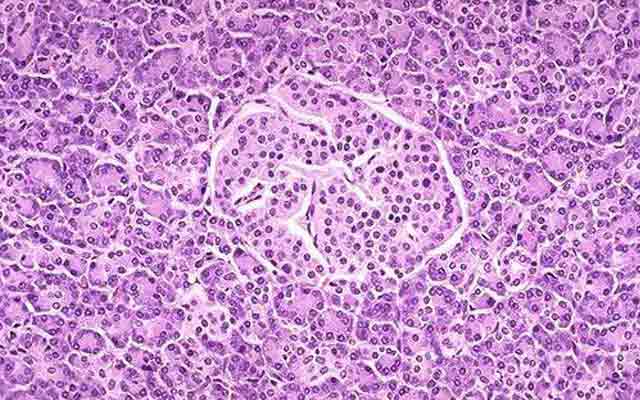
In 1869, German medical student Paul Langerhans discovered clusters of endocrine cells specific to a specific area of the pancreas. Their functions remained a mystery at that time.
Paul was able to discover that these so-called beta cells are able to produce the hormone insulin. The clusters of these cells were later named the islets of Langerhans, after the gifted student.
By 1989, it was known that if a dog had its pancreas removed, it would develop diabetes. If you prevent gastric juice from entering the intestines, the animal will have digestive problems, but there will be no diabetes.
Read also: Dreams and dreams improve memory
This led scientists to two conclusions. The first is that pancreas is involved in the digestive process. The second is that cells that are part of the pancreas are somehow able to prevent the development of diabetes.
In 1920, Canadian surgeon and physiologist Frederick Grant Bunting suggested that pancreatic juice alone could damage Langerhans cells. And if the secretion of this juice is stopped, the cells can be preserved and isolated to be used to treat diabetes.
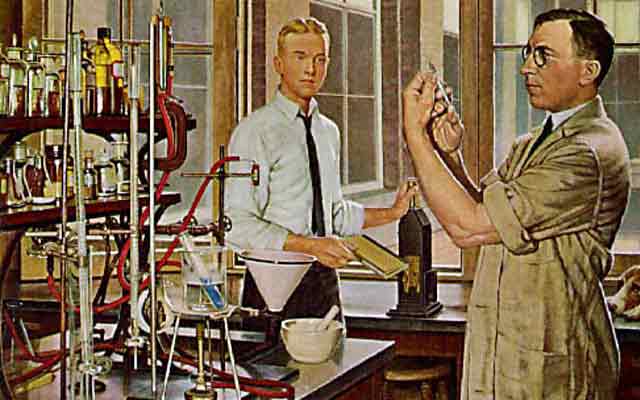
This idea came to him in a dream. He woke up at 2 a.m. on October 31, 1920 and wrote down a few words on paper that would form the basis for a future prescription for diabetes.
When Langerhans cells were successfully isolated, Frederick Bunting injected them into a dog with diabetes. This led to the disappearance of the symptoms of the disease. He offered his name to this drug — isletin. However, his colleagues later agreed on another name — insulin.
“The Rite of Spring” is a ballet by Igor Stravinsky that led to riots
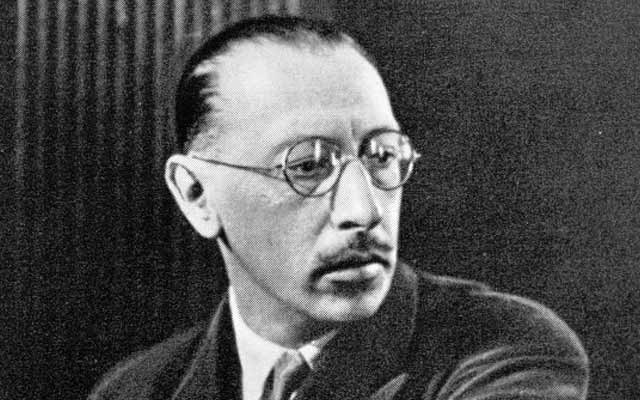
Russian composer Igor Fyodorovich Stravinsky presented his ballet The Rite of Spring to the public on May 29, 1913, in Paris. The response to this work was, to put it mildly, mixed.
The audience did not appreciate the author's original approach, which was based on sharp and spontaneous choreography, inharmonious music, uneven tact, and seemingly chaotic notes. This is how Igor Stravinsky saw an ancient ritual in which a girl dances among gray-haired elders in an attempt to awaken spring.
According to the author, who was taken as the basis for the ballet, the girl dances her strange dance to exhaustion, and then dies. In fact, she was sacrificed as part of a sacred ancient rite to celebrate Holy Spring and to protect her tribe from the gods.

The sedate audience reacted to the premiere with indignation: people booed dancers and musicians, shouted insults; then a fight broke out between the audience themselves. In the end, the police arrested 40 people.
Despite the chaos in the hall at the beginning of the performance, the majority of the audience watched the ballet to the end. The author then received a standing ovation, drowned out by shouts of “bravo”. Today, the ballet Sacred Spring, whose idea, according to Stravinsky, came to him in a dream, is considered one of the greatest ballet of the last century.