
 Incredible facts
This amazing photo project provides a glimpse into the wild and abandoned exclusion zone surrounding the Fukushima nuclear power plant.
Here, tons of contaminated soil lie untouched, and the forest has swallowed up hundreds of abandoned cars and houses.
Now, the 20-kilometer exclusion zone around the nuclear power plant resembles post-apocalyptic scenes after it was abandoned due to an accident in 2011.
People left the area after warnings about dangerous levels of radiation, leaving cars, schools and libraries that were swallowed up by the wilderness.
The consequences of the Fukushima nuclear accident
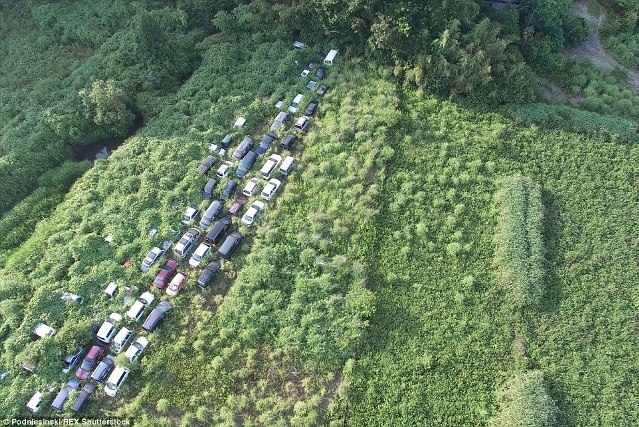
Dozens of cars are abandoned and covered in overgrown bushes where the road near the nuclear power plant used to be.
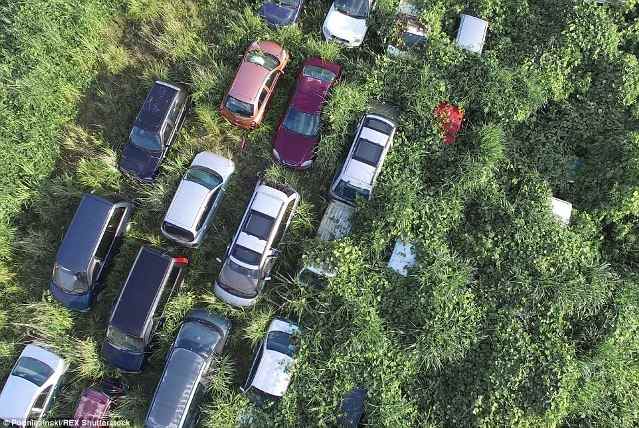
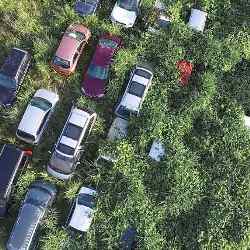
Most of the cars are almost completely covered by forest, which went wild after the Fukushima accident.
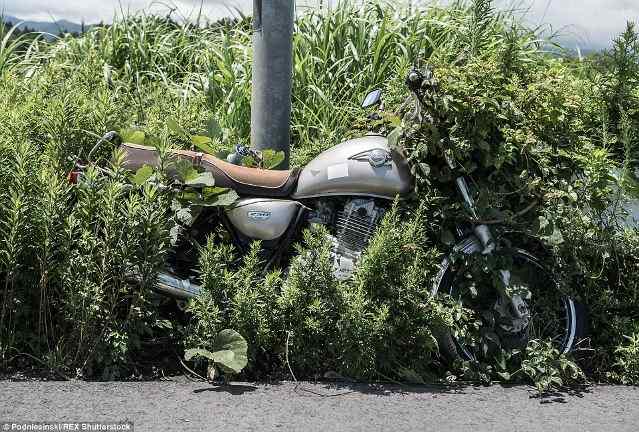
The motorcycle is chained to a pole where it was left during the hours when the tsunami broke out in the area, which caused the reactor to melt.
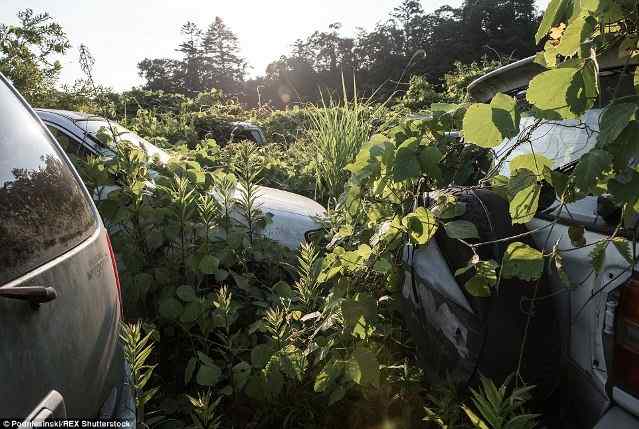
After 4 years without care, the bushes gradually absorbed the cars left in the area.
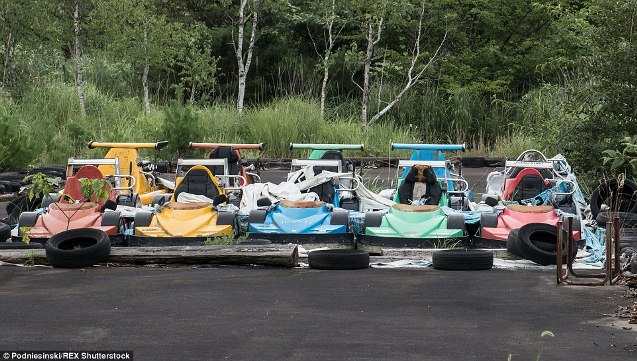
The maps are lined up and ready for racing at an amusement park located within the exclusion zone.
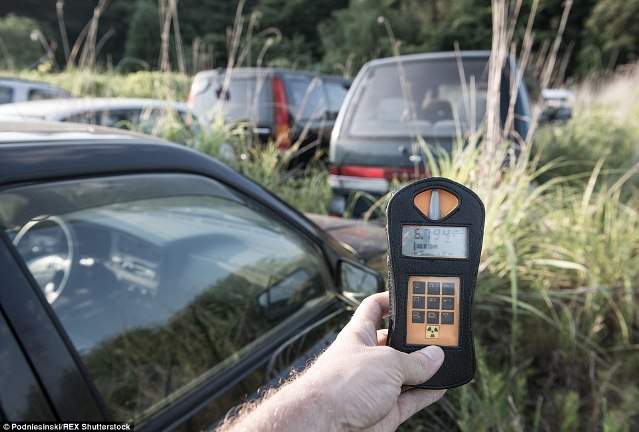
Photographer Arkandiusz Podniesinski shows a radiation level of 6.7 μSv/h inside a hazardous fallout zone.
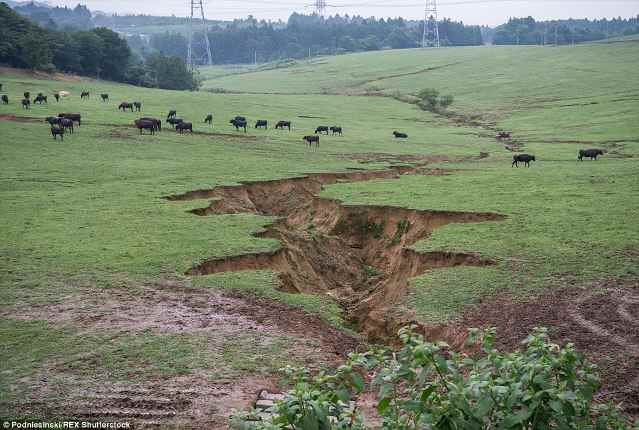
The photo shows cracks in the ground caused by the earthquake that led to the tsunami that triggered the accident. The livestock is owned by owner Masami Yoshizawa, who returned to the farm after the accident.
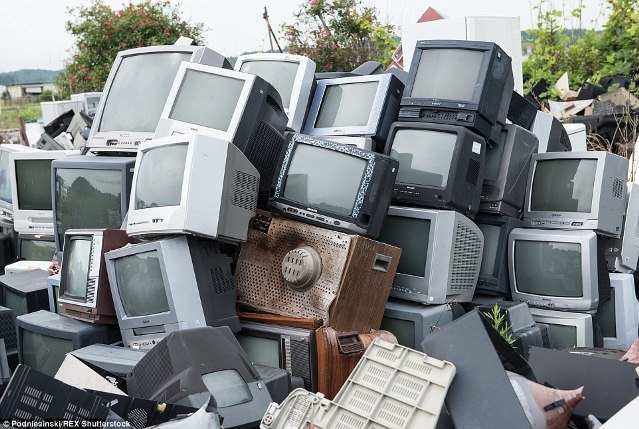
Piles of contaminated TVs lie in a heap among overgrown forests and abandoned buildings near Fukushima.
Fukushima nuclear accident
Four years after the nuclear accident, which led to 160,000 people being evacuated from their homes, 120,000 have never been able to return, and some areas are considered too dangerous to return.
Photographer Arkandiusz Podnesinski from Poland visited Fukushima last month to see the consequences of the accident firsthand.
“My goal is to present the actual state of the exclusion zone. Futaba, Nami and Tamioka are ghost towns whose emptiness is frightening and shows a tragedy that has affected hundreds of thousands of people,” he said.
2011 Japan Earthquake
As a result of the tsunami accident that followed the March 11, 2011 earthquake, three Fukushima reactors were disabled. In the following days, power units melted down.
Residents and employees were evacuated, and everything remained where it was. Supermarkets still have groceries, school boards still have lesson plans, and cars are still on lanes.
Read also: 20 amazing facts about earthquakes
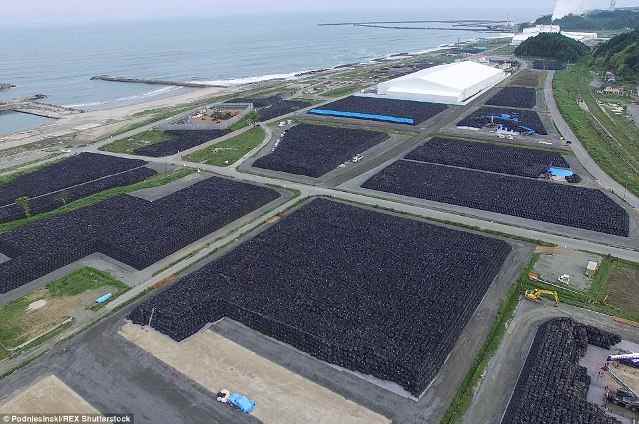
An aerial photo taken by a drone shows huge landfills containing tens of thousands of bags of contaminated soil.
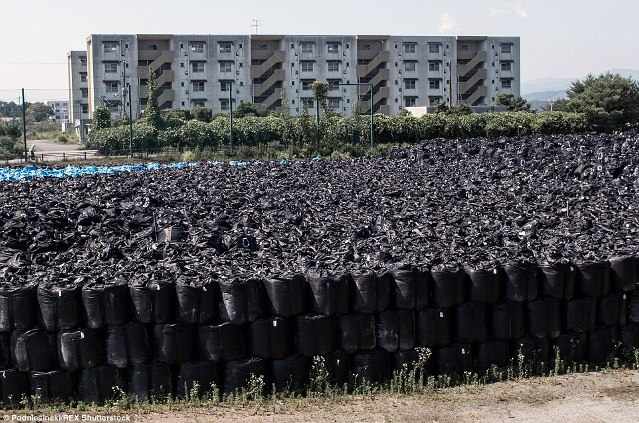
To save space, radioactive bags of earth were stacked on top of each other.
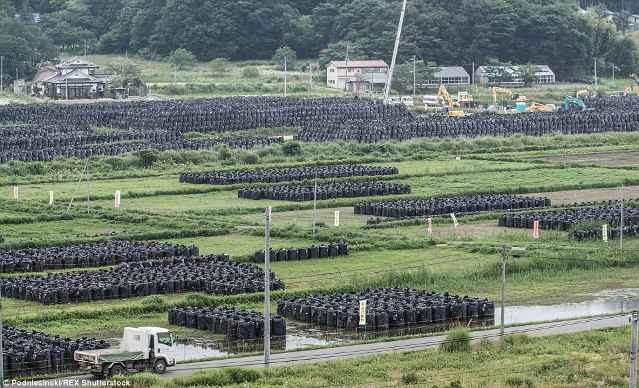
Landowners who lived in the exclusion zone were informed that all contaminated bags of land would be destroyed.
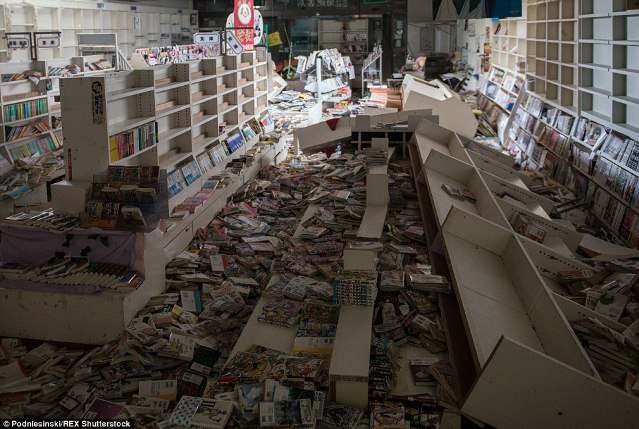
After 4 years, the bookstore was left untouched in a mess.
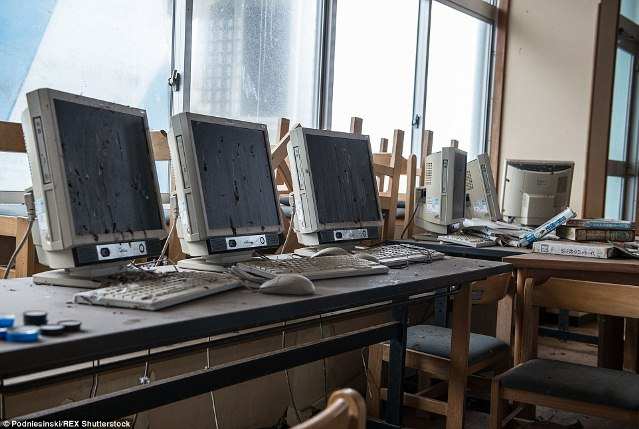
Computer monitors, covered in dirt and litter, stand untouched inside a classroom in a village near Fukushima.
Today, about 20,000 workers are cleaning cities and villages, every street and every home, to allow residents to return home.
Many cities in the exclusion zone are closed to visitors. Since many places are radioactive, special clothing and equipment must be worn.
Fukushima photos
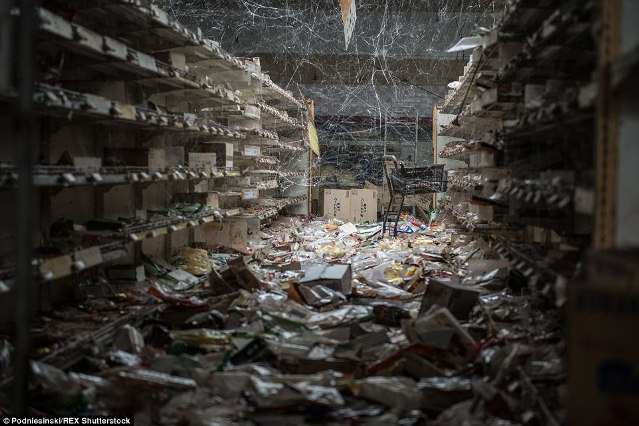
Webs hang between supermarket shelves, where groceries are scattered all over the floor.
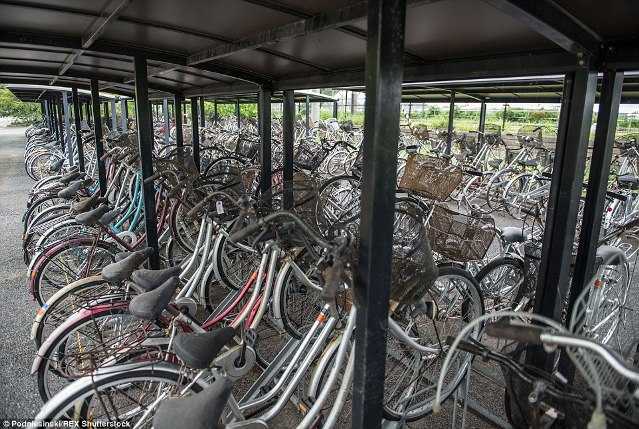
Dozens of abandoned bicycles are tied to crossbars.
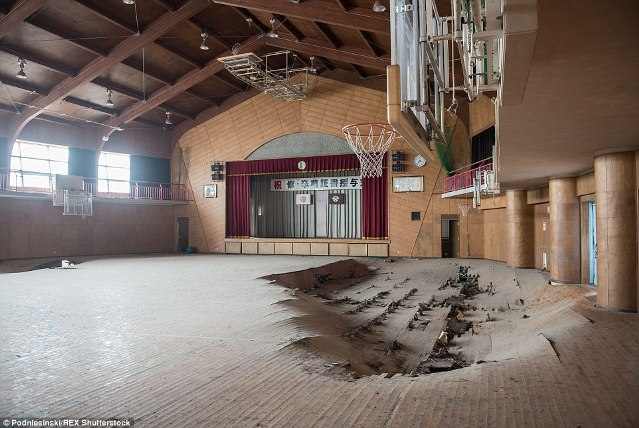
The gymnasium school that was damaged by the earthquake.
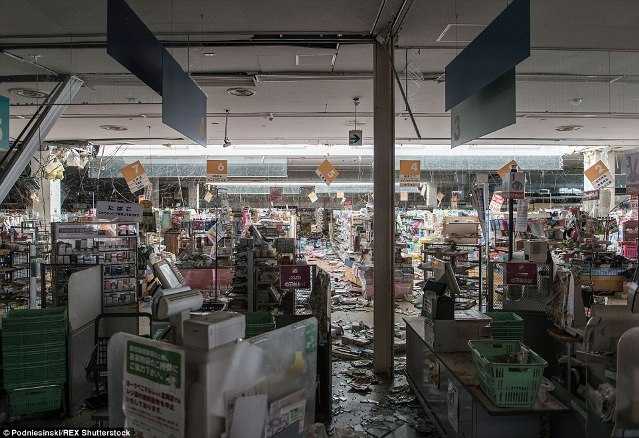
The supermarket's cash desks and groceries are scattered across the floor of a store near the Fukushima nuclear power plant.
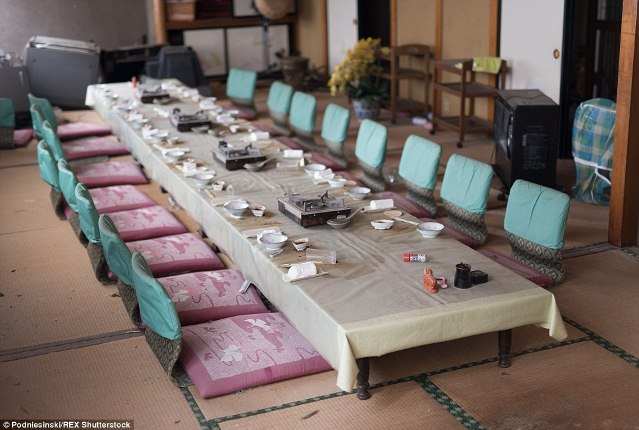
Dining tables and seats with bowls and portable cooking stoves lie untouched.
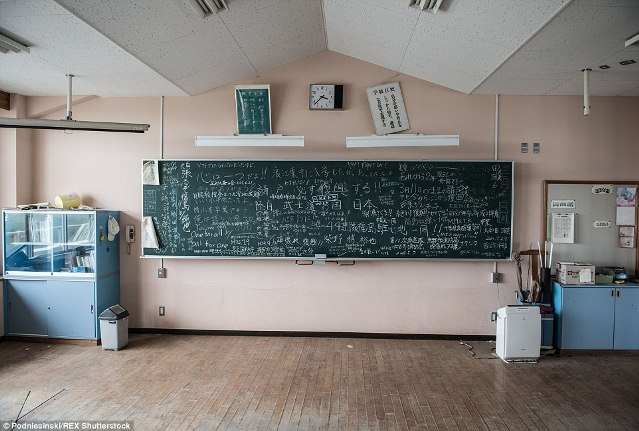
There are notes on the blackboard of what the children were learning at the time of the earthquake.
Despite access to many areas on Fukushima, the Polish photographer was never able to visit the most polluted and dangerous orange and red zones.
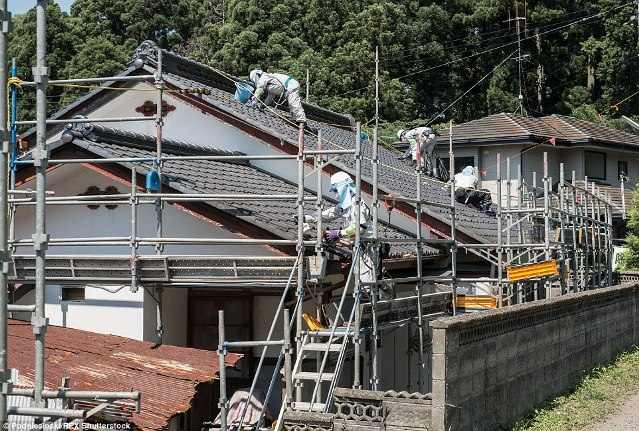
Workers wearing protective clothing are cleaning the house in the hope that this will help residents return home.
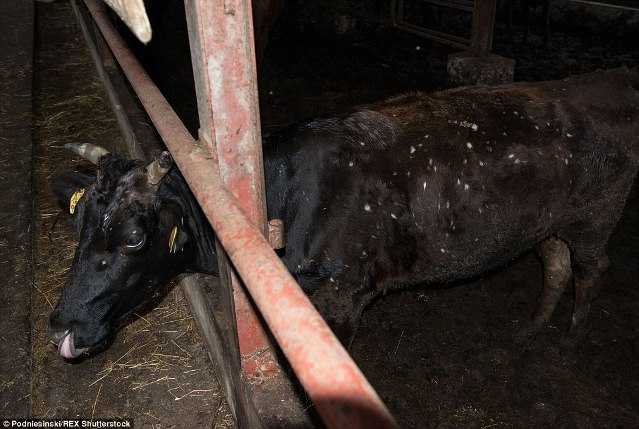
Shortly after the accident, mysterious white spots began to appear on the cows. This may be because they are eating contaminated grass.
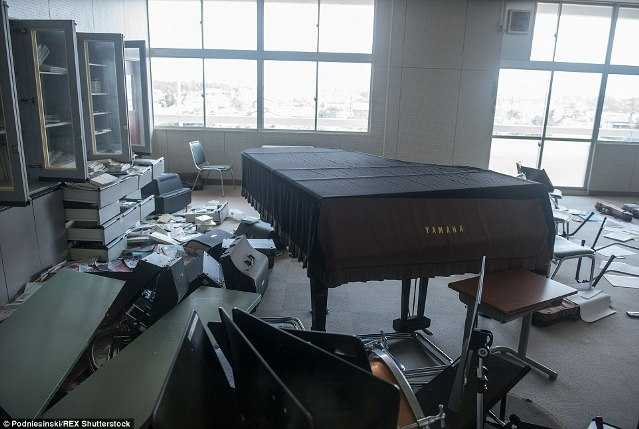
Fragments of pianos and musical instruments lie on the floor after residents have been evacuated.
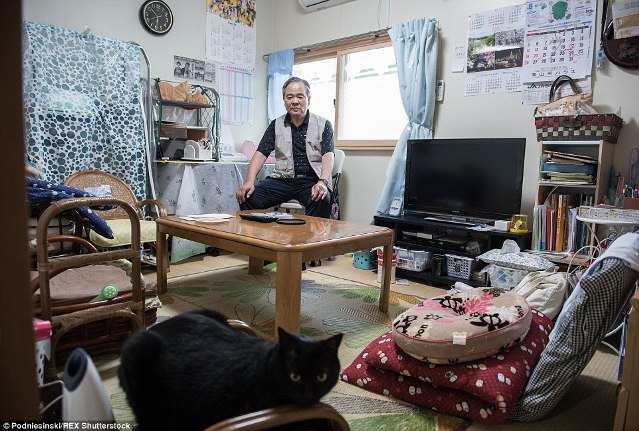
Japanese Kouichi Nozawa lives with his wife Youko in a makeshift home near Fukushima after being evacuated from the exclusion zone.
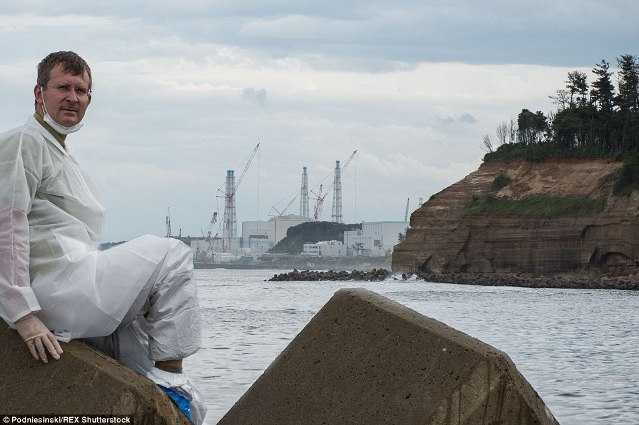
Photographer Arkandiusz Poddessinski, wearing protective clothing, said how he felt when time stopped in this place.