
 Science
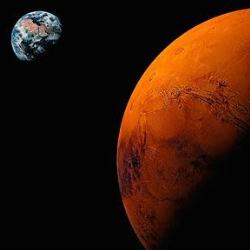
The Curiosity rover, which has been on Mars since August 2012, may have brought dozens of species of bacteria from Earth to the Red Planet.
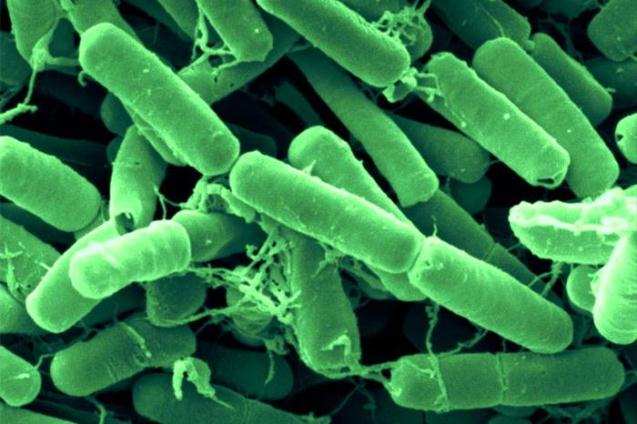
A study by the American Society for Microbiology found that 377 bacterial strains survived despite the sterilization process that was carried out before the launch of the rover in an attempt to prevent pollution of the planet.
These microbes have withstood extreme conditions, including freezing temperatures and severe UV damage.
Is there life on Mars?
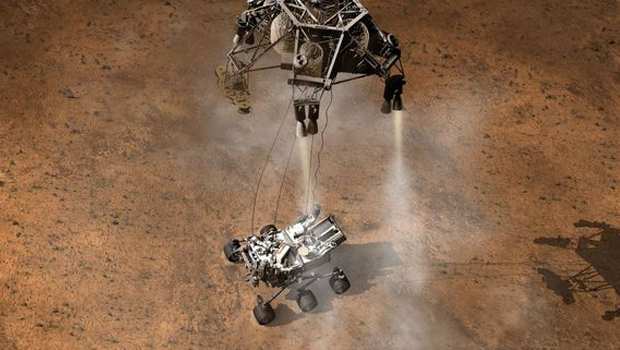
“Although research is expanding our knowledge about life in extreme environments, it is still unclear whether organisms from Earth can survive and grow in Martian conditions with high levels of radiation and oxidation, extreme dehydration and lack of nutrients, “said microbiologist Stephanie Smith from the University of Idaho in the United States.
It is not known whether bacteria have spread to the surface of Mars, although this very possibility worries scientists who do not want to transfer life from Earth to Mars in an unnatural way.
There is the Outer Space Treaty, which regulates how space programs should explore the unknown. Under the treaty, States parties must avoid polluting space and space bodies.
The limit depends on where the spacecraft lands. For example, Mars, Jupiter's moon Europe, and other places where life can potentially develop, have a strict standard of 300 bacterial spores per square meter.
Is life possible on Mars?
Another team of scientists published a study finding that methanogens, the oldest organisms on Earth, could be ideal candidates for life on Mars.
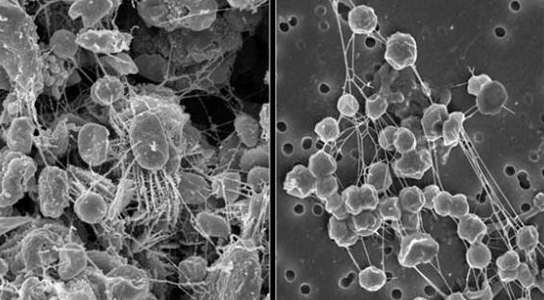
Researchers at the University of Arkansas have found that since methanogens are not photosynthetic and can live without oxygen, they can live in the underground region of Mars.
Read also: The most resilient creature that can survive in outer space
Surface temperatures on Mars range from -90 to 27 degrees Celsius during a Martian day.
“If life existed on Mars, it would at least need to withstand this temperature range,” the scientists explained. They found that two types of methanogens survived long cycles of freezing and thawing, and could possibly populate Mars in the future.