
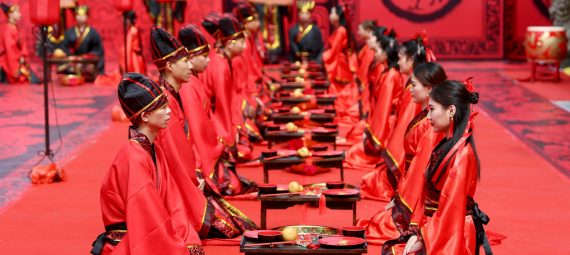
China, a land of ancient history and vibrant culture, boasts a rich tapestry of traditions and customs that continue to shape daily life. Understanding these cultural nuances is essential for any visitor seeking to navigate the country with respect and appreciation. This article offers a glimpse into some key aspects of Chinese culture, providing etiquette lessons and insights into fascinating customs.
The Importance of Face (Mianzi): Maintaining Harmony
The concept of “mianzi,” or face, is central to Chinese culture. Maintaining harmony and avoiding situations that could cause someone to “lose face” is crucial in social interactions. Public displays of anger or disagreement should be avoided, and respectful communication is paramount. Giving compliments appropriately and showing deference to elders are essential aspects of maintaining positive social harmony.
Gift-Giving Etiquette: Showing Respect and Appreciation
Gift-giving is a significant aspect of Chinese culture, often used to express respect, appreciation, and strengthen relationships. However, there are specific etiquette rules to follow. Gifts should be presented with both hands, and unwrapping a gift in front of the giver is considered impolite. Avoid giving gifts in sets of four, as this number is associated with death. Giving gifts in pairs is generally preferred. Thoughtful and carefully selected gifts demonstrate respect and consideration.
Dining Customs: A Communal Affair
Dining in China is a communal affair, often involving a shared table and a variety of dishes. The use of chopsticks is standard, and it’s considered impolite to stick chopsticks upright in a bowl of rice, as this resembles incense burning at funerals. Sharing dishes is customary, and it’s polite to offer food to others. Leaving some food on your plate signifies that you’ve been adequately served, while finishing everything might suggest that you weren’t given enough. Conversation is an integral part of the meal, fostering camaraderie and strengthening relationships.
Greetings and Introductions: Showing Respect
Greetings in China often involve a slight bow, especially when meeting someone older or of higher social standing. Handshakes are becoming more common, particularly in urban areas, but a gentle bow is still a respectful gesture. When introducing people, it’s customary to mention the person’s title or profession, reflecting the importance of social hierarchy.
Superstitions and Beliefs: Understanding Cultural Nuances
Chinese culture is rich with superstitions and beliefs that influence various aspects of daily life. Numbers, colors, and even animals hold symbolic meaning. Understanding these nuances can help avoid unintentional offense. For instance, the number eight is considered lucky, while four is associated with death. Red is a color of celebration and good fortune, while white is often associated with mourning. Being mindful of these cultural beliefs demonstrates respect and cultural sensitivity.
Beyond the Basics
This is just a glimpse into the rich tapestry of Chinese culture and traditions. Engaging with local people, observing daily life, and showing a genuine interest in learning more are essential aspects of experiencing and appreciating the unique customs and etiquette of China. Respectful engagement and a willingness to learn demonstrate appreciation for the cultural depth and richness of this fascinating country.