
 Science
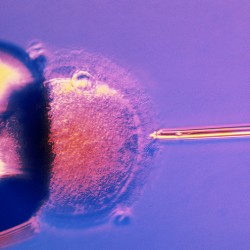
Scientists from Newcastle University propose to use genetic technologies to clone and breed animals that are in danger of extinction.
The cost of the program offered by the university is $40 million. According to scientists, it will be possible to save rare species of frogs, birds, freshwater fish, marsupials and other vertebrates.
They will know by December 25 this year whether the government will fund their 8-year program.
According to Professor John Rodger, the funding will allow the establishment of the Wildlife Biodiversity Cooperative Research Center.
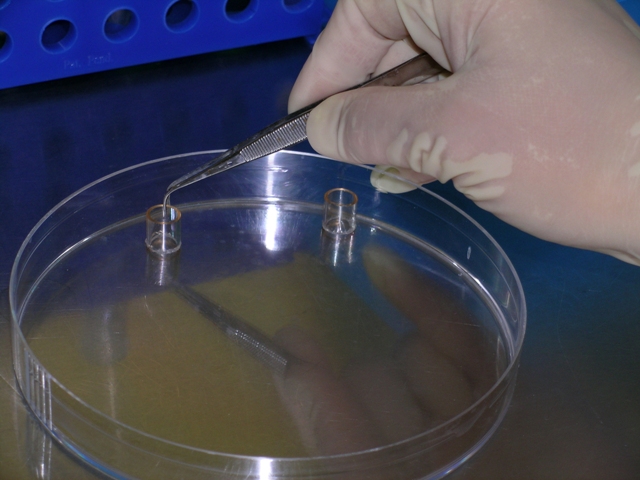
This will be a consortium of 40 institutions, including universities, zoos and government organizations. All institutions will be managed by Newcastle University.
Professor Roger said that the goal of the project is to develop advanced technologies that can generate offspring from collected genomes for reintroduction – the formation of a new stable population with by relocating and resettling animals and plants of specific species to places where they were previously found, but for some reason disappeared.
Cloning program
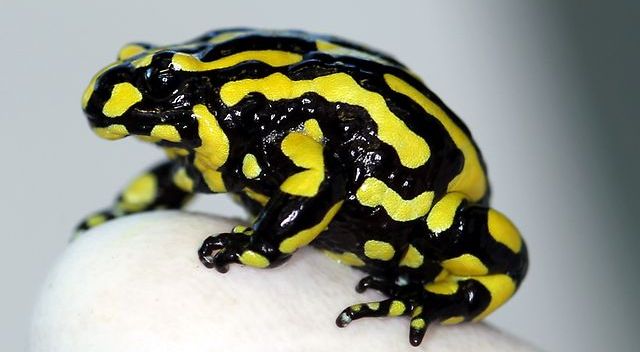
To begin with, scientists plan to recreate the population of the southern corrobori frog, an endangered Australian frog. There are only 100 copies left in the world.
The list of other frogs that are about to be cloned includes the dull lithoria (Litoria booroolongensis) and the golden lithoria (Litoria aurea).
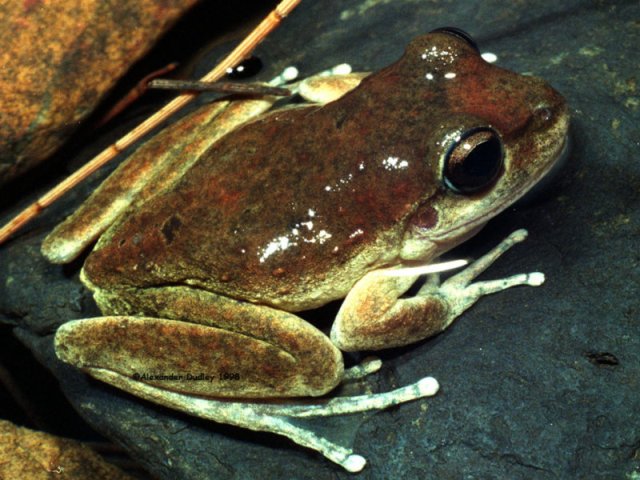
Dr. John Clulow, a lecturer at the School of Environment and Natural Sciences at the same university, said that the university has already developed the necessary procedures for preserving frogs that are in danger of extinction.
Cloning technique
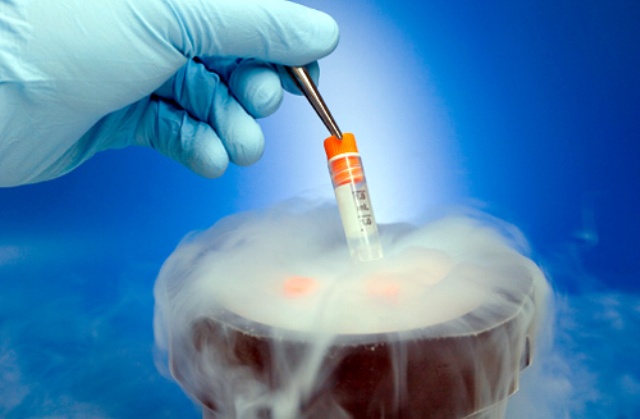
Scientists will use in vitro fertilization and sperm cryopreservation techniques. These technologies can be used together with cloning to create animals.
“We have already developed freezing technology for storing embryonic cells, and this is a step forward. Now we need a way to turn these cells back into a frog, and cloning is that way,” says Dr. Clulow.
Next, scientists plan to recreate the Tasmanian devil, a mourning cockatoo in eastern Australia, and several species of kangaroos.
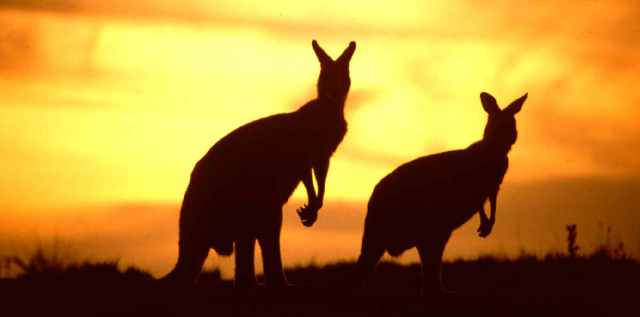
To restore ecosystems, scientists also plan to reintroduce several animal species from zones with normal populations to “deserted” zones.
According to Dr. Clulow, this will be like storing seeds from various plants in case they disappear.
Animal cloning
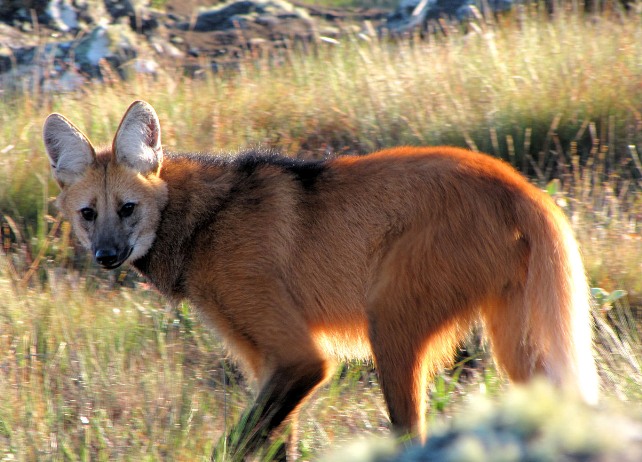
Experts from the Brazilian agricultural research agency, together with the Brazilian Zoological Garden, have collected about 420 tissue samples with which they are collected clone animals.
The first on the cloning list are the maned wolf and jaguar, which live in a tropical shroud in Brazil. Learn more by reading the article Brazil plans to start cloning rare animals
Read also: Russian and Japanese scientists are ready to clone a mammoth Human
cloning
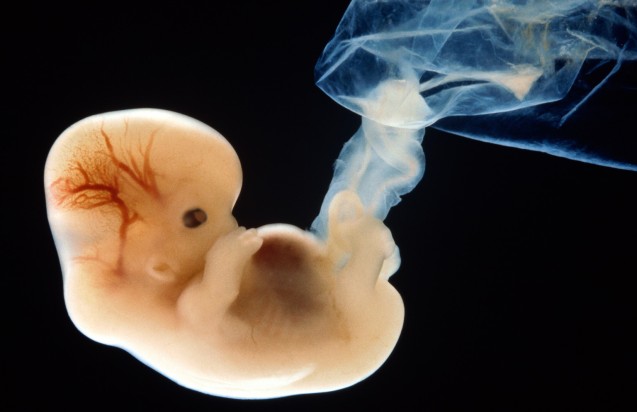
It should be noted that human cloning is considered unethical at this stage. All ethical issues related to the correctness or incorrectness of this process are often related to people's subjective opinions, as well as their emotions.
For some members of the Earth's flora and fauna, such as armadillos, poplars and aphids, cloning is something natural. Despite this, cloning can also be carried out in humans. Learn about the main arguments about human cloning in the article Human cloning: pros and cons.