
 Ecology
As temperatures rise around the world, human aggression increases, which can lead to wide-ranging consequences around the world.
A new study has shown that climate changes that are taking place at the moment could increase the spread of conflicts by 50 per cent by 2050.
These conclusions were made by scientists from the University of California at Berkeley, USA, based on a comparative analysis of 60 studies.
We can only hope that future generations will find a way to adapt to a warming climate in order to avoid an increase in violence in the world.
Scientists have identified a link between fever and hostile behavior, including domestic violence, assault and rape. Heavy heavy rains have also been linked to increased levels of conflict.
The causes of conflicts
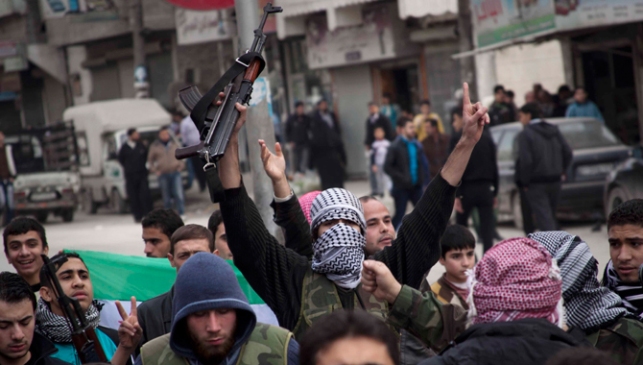
Study author Solomon Hsiang and colleagues found that the number of intra-group conflicts increases by 14 percent, and interpersonal violence by 4 percent each standard deviation of climatic indicators.
There are several explanations for why violence is increasing along with global warming.
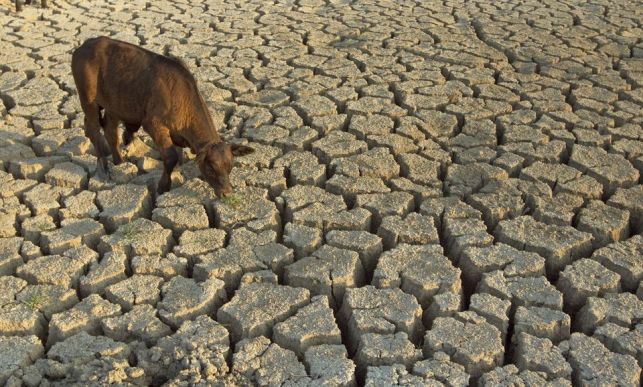
Changes in temperature and rain affect economic productivity and food prices, which can lead to discontent and, as a result, unrest. Climate change is also forcing people to move to cities, which can lead to clashes over resources.
In addition, an increase in temperature affects people's physical and psychological well-being, but this needs to be further investigated.
Climate change and conflicts around the world

– The Mayan civilization declined during a period of prolonged drought. After the Pacific Ocean changed the distribution of rainfall around the world, subsequent climate changes coincided with the Mayan decline in 900 AD.
The Decline of the Maya Civilization: Climate Change, Conflict, and Life by the Sea
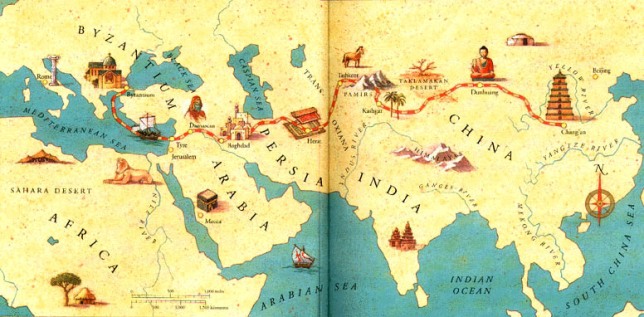
– The end of the Chinese imperial Tang dynasty also came during the drought of 906 AD.

– The tree rings in Vietnam indicate that there were long periods of drought before the fall of the Khmer Empire.

– The Akkadian Empire, which existed from about 2350 to 2150 BC, declined during the dry climate.
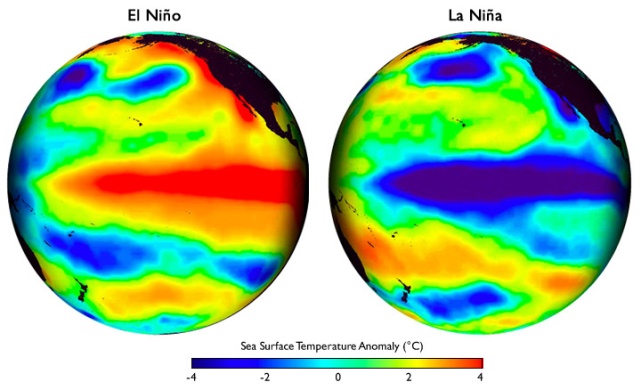
– Research has shown that the El Niño phenomenon, an unusual warming of the water surface in the equatorial Pacific Ocean, leads to a 21 percent increase in conflict levels in poor tropical countries, such as Sudan and Rwanda.
The shortest wars in history