
 Ecology
The rate of mental illnesses such as depression and post-traumatic stress disorder will increase as a result of climate change, according to a new report.
A study prepared for the Climate Institute suggests that the loss of social cohesion as a result of severe weather conditions is associated with an increase in the incidence of anxiety, depression, post-traumatic stress disorder and substance abuse.
For example, one in five people participating in the study reported emotional trauma, stress, and despair about these events.
The Australian report, entitled “A Climate of Suffering: The Real Cost of Doing Nothing on Climate Change,” called the past 15 years “a preview of living in unbridled conditions global warming.”
Experts say that the weather conditions of recent years correspond to all scientific forecasts: as the world warms, the weather is becoming more unbridled with more consequences for people's health and well-being.
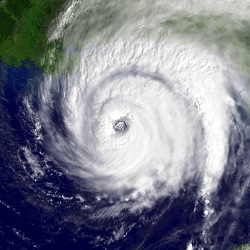
The report looks at mental health in relation to the effects of major weather events related to global warming. It states that one in ten primary school children experienced post-traumatic stress symptoms after the cyclones. Professor Ian Hickie, who produced the report, argues that climate change and especially severe weather conditions will be the main factors affecting mental health in the future.